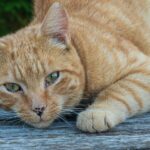
🐱 Encyclopedia of Aegean Cat (Felis catus)
Comprehensive breed encyclopedia: Aegean cat as Greece’s only native pedigree breed, Cyclades islands origin, bicolor/tricolor semi-longhair coat, fishing heritage, WCF recognition, temperament, health genetics, and care requirements
✏️ Written by the Encyclopedia.guru Expert Writing Team | Last Updated: March 24, 2026 | Reviewed by Certified Feline Specialists

The Aegean cat (Greek: Αιγαίου) is the only cat breed considered native to Greece, emerging naturally over thousands of years in the Cyclades islands of the Aegean Sea. Unlike the vast majority of pedigree breeds which were deliberately created through selective breeding programs, the Aegean developed as a natural landrace through centuries of co-habitation with fishing communities and island residents, making it one of the healthiest and most genetically robust of all recognized cat breeds. It is distinguished by its obligatory bicolor or tricolor semi-longhair coat — white is always present as one of the coat colors — combined with a medium, athletic body and a highly intelligent, curious, and people-friendly temperament.
The Aegean was formally recognized as a distinct breed by Greek cat fancy associations beginning in the 1990s, when breeders from the Greek Fancy Cat Breeders Association (ΕΛΙΦ) began working to standardize and register the cats they found living naturally throughout the Cyclades. The breed is recognized by the World Cat Federation (WCF) and several European cat registries, though it has not yet achieved full championship recognition from the CFA or FIFe. Outside Greece, the Aegean remains exceptionally rare, making it one of the world’s least-known natural pedigree breeds, particularly in Asia and the Americas.
- Greece’s only native pedigree breed: The Aegean is the sole cat breed recognized as indigenous to Greece; all other breeds kept in Greece are imports; the Aegean developed naturally in the Cyclades without deliberate human selection.
- Always bicolor or tricolor: The Aegean breed standard mandates that the coat must be bicolor (white + one other color) or tricolor (white + two other colors); solid-colored or non-white-containing coats do not meet the breed standard; white comprises 1/3 to 2/3 of the coat area.
- Fishing heritage: Centuries of co-habitation with Aegean fishing communities means many Aegean cats show a remarkable affinity for water and fish; they were valued aboard fishing vessels as pest controllers and companions; some individuals actively seek out water.
- Exceptional genetic health: As a naturally evolved landrace, the Aegean has no known breed-specific hereditary diseases; it has not experienced the genetic bottlenecking common in artificially created breeds; it is considered one of the healthiest of all domestic cat breeds.
- Rare outside Greece: Despite millennia of existence, the Aegean was only formally identified as a breed in the 1990s; outside Greece it remains extremely rare; most cat enthusiasts worldwide have never encountered a purebred Aegean.
- Semi-longhair without undercoat: The Aegean coat is semi-longhair but lacks a woolly undercoat, making it dramatically lower-maintenance than most longhair breeds; the coat does not mat easily and sheds less than expected for its length.
In a world where most pedigree cat breeds are the product of deliberate 20th-century breeding programs, the Aegean stands apart as a genuine survivor of antiquity — a cat shaped not by breed standards and show rings but by the rhythms of island life, fishing harbors, and the unique ecological pressures of the Aegean archipelago. The cats of the Cyclades have been companions to Greek islanders for an estimated 10,000 years or more, their ancestors arriving with the Neolithic farmers and traders who first settled the islands. Over those millennia, natural selection favored cats with the physical and temperamental traits best suited to island life: moderate size, athletic ability, intelligence, sociability, and genetic resilience.
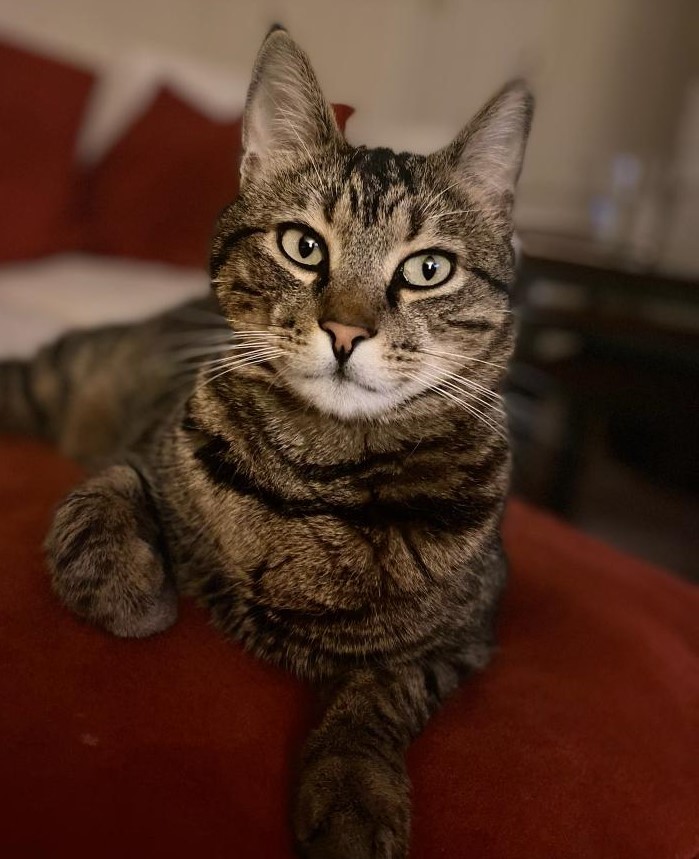
CC BY-SA 4.0 • 699×859 px (137 KB) • Author: Sam Holt (SamHolt6)

CC BY-SA 4.0 • 4,032×3,024 px (936 KB) • Author: Chelinchan24 • Feb 2020
Natural Heritage Significance
- Living cultural heritage: The Aegean cat is as much a part of Greek island cultural identity as the whitewashed Cycladic architecture, blue domes, and fishing boats; these cats appear in Greek village scenes dating back centuries in art and travel accounts.
- Landrace vs. breed: The distinction between a landrace (a naturally evolved local variety) and a deliberate breed is significant in feline genetics; the Aegean is a landrace first codified as a breed; this means its genetic diversity is far greater than most pedigree breeds.
- Conservation significance: As genetic diversity in pedigree cats declines through intensive selective breeding, naturally developed breeds like the Aegean represent irreplaceable genetic resources; Greek conservationists and cat fanciers have advocated for formal recognition to preserve the pure Aegean type.
- Greek national identity: The Greek Fancy Cat Breeders Association (ΕΛΙΦ) promotes the Aegean as a national heritage breed; there is ongoing effort to achieve broader international recognition while maintaining the breed’s natural genetic diversity.
Systematic Classification
| Taxonomic Rank | Classification |
|---|---|
| Kingdom | Animalia |
| Phylum | Chordata |
| Class | Mammalia |
| Order | Carnivora |
| Family | Felidae |
| Genus | Felis |
| Species | F. catus |
| Breed | Aegean (Αιγαίου) |
| Other names | Aigaio, Aegean island cat, Greek cat, Cyclades cat |
| WCF Group | Natural/Landrace Breed (Semi-longhair Division) |
| Breed type | Natural landrace; not artificially created |
| Origin country | Greece (Cyclades islands, Aegean Sea) |
| Development period | Natural: c. 10,000 BCE–present; Formal: 1990s |
Breed Naming & Etymology
- “Aegean”: Named for the Aegean Sea (Greek: Αἰγαῖον πέλαγος), the body of water between Greece and Turkey; the Cyclades islands — the breed’s ancestral homeland — are located in the central Aegean; the name reflects the breed’s inseparable connection to Greek island geography and culture.
- Greek designation: In Greek, the breed is called “Αιγαίου” (Aigaíou) meaning “of the Aegean”; the genitive form reflects the possessive relationship to the sea region; international use typically anglicizes this to “Aegean cat.”
- Landrace classification: In animal genetics, a landrace refers to a domesticated animal that has adapted to the local environment through natural selection rather than deliberate breeding; the Aegean is classified as a landrace cat that has been formalized as a breed standard.
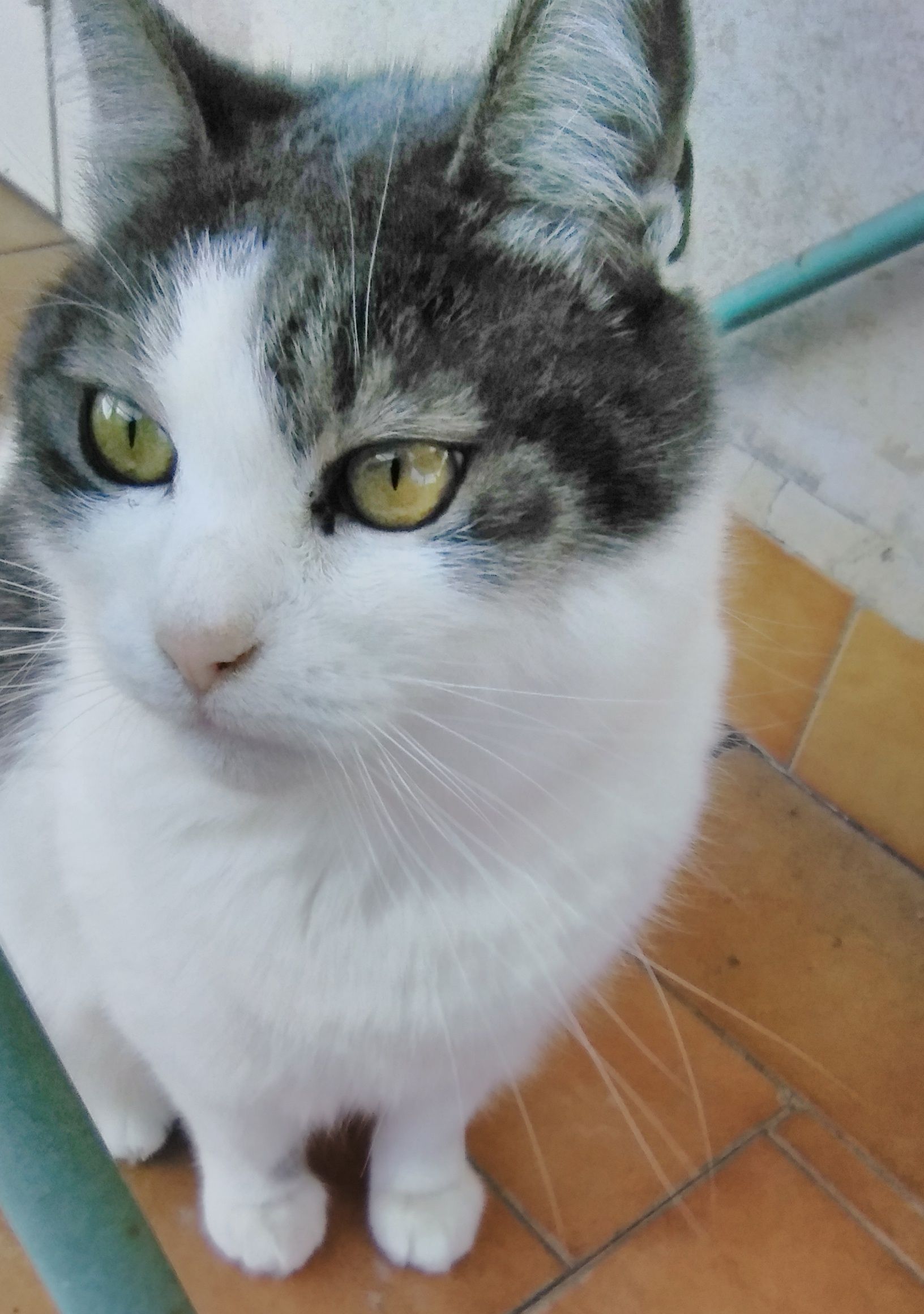
CC BY-SA 4.0 • 1,632×2,320 px (324 KB) • Author: Jeanne Griffin • 30 Jan 2021

CC BY-SA 4.0 • 1,632×2,638 px (473 KB) • Author: Jeanne Griffin • 7 Sep 2021
WCF Breed Standard Summary
| Feature | Standard Description |
|---|---|
| Body | Medium size; lean, muscular, athletic; semi-foreign type; not cobby, not extreme; medium bone; balanced proportions |
| Head | Medium size; moderate wedge; not sharply pointed; gentle curved contours; in balance with body |
| Ears | Medium size; slightly wide-set; moderately pointed; tufts at tips desirable; erect; open base |
| Eyes | Medium to large; almond-shaped; slightly oblique set; blue-green, green, or yellow/gold; brilliant, expressive |
| Legs & Feet | Medium length; strong, muscular; feet oval, medium size; strong; stand straight |
| Tail | Medium length; in proportion to body; bushy; tapers slightly to tip |
| Coat | Semi-longhair; no woolly undercoat; lies semi-flat; texture fine to medium; longer on ruff, flanks, tail |
| Color | Always bicolor or tricolor; white mandatory (1/3–2/3 of coat); other colors from full palette; tabbies accepted |
| Weight | 3–4 kg female; 4–5 kg male; moderate; athletic not heavy |

CC BY-SA 4.0 • 1,632×3,264 px (1.42 MB) • Author: Jeanne Griffin • 7 Sep 2021

CC BY-SA 4.0 • 1,632×3,264 px (1.29 MB) • Author: Jeanne Griffin • 19 Oct 2021
Head & Facial Characteristics
- Head shape: Moderately wedge-shaped; not extreme in either direction; the Aegean avoids both the flattened cobby head of Persian-type breeds and the extreme narrow wedge of Oriental breeds; gentle curved contours with a moderately broad skull.
- Eyes: Medium to large, almond-shaped; slightly oblique set; colors range from blue-green to green to yellow-gold; all eye colors are acceptable in the breed standard; the eyes are brilliantly expressive and convey intelligence and alertness; no eye color linked to coat color requirement (unlike some breeds).
- Ears: Medium size, slightly wide-set; moderately pointed; erect and alert; tufts at tips are desirable; the broad base of the ear gives the Aegean an open, alert expression typical of cats adapted to listening for prey in island environments.
- Muzzle: Medium length; moderately broad; firm, well-developed chin; the muzzle has a slight break without being extreme; overall facial expression is intelligent, alert, and approachable rather than wild or exotic.
- Nose: Medium length; slight concave curve in profile; nostrils broad and open; the profile shows a gentle transition from forehead to nose without a pronounced nose break.
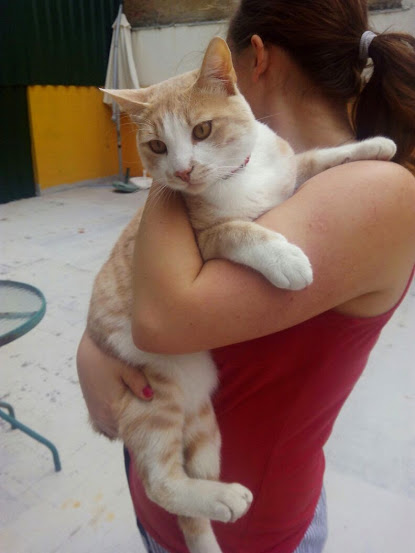
CC BY-SA 4.0 • 415×553 px (39 KB) • Author: Ursula Valentim • 25 Apr 2015
CC BY-SA 4.0 • 699×859 px (137 KB) • Author: Sam Holt (SamHolt6)
Coat & Color Standards
The Aegean’s coat is one of its most defining characteristics: it must always be bicolor or tricolor with white mandatorily present. This requirement distinguishes the Aegean from all other cat breeds and reflects the natural coat genetics that predominated in the Cyclades island population over thousands of years.
| Coat Feature | Description |
|---|---|
| Coat length | Semi-longhair; medium to long; longer on ruff, flanks, tail; shorter on face and legs |
| Undercoat | No woolly undercoat; this distinguishes Aegean from most semi-longhair breeds; coat lies semi-flat |
| Texture | Fine to medium; silky to slightly coarse; weather-resistant; adapted to island climate |
| Pattern requirement | Bicolor or tricolor obligatory; solid colors not accepted; white must be present |
| White proportion | 1/3 to 2/3 of total coat area; white distributed on face, chest, belly, legs, patches |
| Accepted color combinations | White + black, blue, red, cream, tabby (any classic tabby pattern), tortoiseshell; white + two of these (tricolor) |
| Grooming needs | Weekly brush sufficient; no mat-tendency; spring/autumn seasonal shedding |
CC BY 3.0 • 772×1,186 px • The living product of millennia of island life
CC BY-SA 4.0 • 4,032×3,024 px (936 KB) • Foundation stock of the formal breed
Ancient Origins
- Neolithic origins: Domestic cats (Felis catus) first arrived in Greece and the Aegean islands with early Neolithic farmers and traders approximately 10,000 years ago, following the spread of agriculture from the Near East (where cat domestication from Felis silvestris lybica occurred); these early domestic cats provided pest control for grain stores on the islands.
- Maritime trading role: The Cyclades were a major hub of Mediterranean maritime trade for millennia (Cycladic civilization, c. 3200–2000 BCE; Minoan trade networks; Classical and Byzantine periods); cats traveled on trading ships as pest controllers, spreading and genetically diversifying the island cat population.
- Isolation and adaptation: Island geography created natural genetic isolation; the cats of each island group developed slight local variations while sharing the overall Aegean type; the Cyclades population became the most genetically consistent and phenotypically distinctive, becoming the basis of the formal breed.
Modern Breed History Timeline
| Period | Key Development |
|---|---|
| c. 10,000 BCE | Domestic cats first arrive in Aegean islands with Neolithic settlers; begin natural adaptation to island life |
| 3200–146 BCE | Cycladic, Minoan, Greek civilizations; cats on fishing vessels and in island communities; trading ships spread genetic diversity |
| 1990s | Greek Fancy Cat Breeders Association (ΕΛΙΦ) formally identifies Aegean as a distinct breed; first breed standard developed; registration begins |
| Late 1990s–2000s | WCF (World Cat Federation) recognizes the Aegean cat; breed begins limited international exposure |
| 2000s–2010s | Small breeding programs established in Greece and limited European countries; breed remains extremely rare outside Greece |
| 2020s–present | Ongoing efforts for broader CFA/FIFe recognition; increased international interest; social media brings awareness; Greece maintains the primary population |
The Cyclades – Ancestral Homeland
The Cyclades (Greek: Κυκλάδες) are a group of approximately 220 islands in the Aegean Sea, forming a rough circle around the sacred island of Delos. Major islands include Santorini, Mykonos, Paros, Naxos, Syros, Milos, and Ios. The archipelago’s combination of insular geography, maritime economy, and Mediterranean climate provided ideal conditions for the natural development of the Aegean cat type.
- Fishing harbor cats: The Aegean cat’s most documented cultural role is as a companion to the fishing communities of the Cyclades; cats would regularly board fishing vessels, where they controlled vermin and were rewarded with fish scraps; this centuries-long association produced a breed with unusual comfort around water and fish.
- Village cats: Every Cycladic village maintains a population of free-roaming cats that are semi-owned by the community; visitors to islands like Santorini and Mykonos regularly encounter cats with the characteristic bicolor or tricolor Aegean coat pattern; these village cats are the living gene pool of the breed.
- Greek island tourism: The photogenic Aegean cats lounging in whitewashed Cycladic alleys, fishing harbors, and olive groves have become iconic imagery of Greek island tourism; the cats are culturally celebrated and typically well-fed by local residents and tourists.
- Natural selection pressures: Island life favored cats that were athletic enough to fish from rocks and boat gunwales, social enough to accept humans closely, intelligent enough to avoid dangers, and robust enough to survive island winters without indoor shelter; these selection pressures explain the Aegean’s physical and temperamental characteristics.
CC BY-SA 4.0 • 1,632×2,320 px • Author: Jeanne Griffin
CC BY-SA 4.0 • 415×553 px (39 KB) • Author: Ursula Valentim
Core Behavioral Traits
- Sociable and people-oriented: Centuries of life in close proximity to fishing communities produced a cat that is comfortable with and interested in humans, but without the clinginess of some modern breeds; the Aegean engages actively with its family while maintaining a characteristically feline independence.
- Highly intelligent: Regarded as one of the more intelligent domestic cat breeds; solves problems, opens things, investigates novelty; learns quickly and benefits from enrichment activities; can be trained to perform tasks and respond to cues.
- Active and athletic: The island life heritage means Aegean cats are naturally athletic; excellent climbers, jumpers, and hunters; need regular physical activity and enrichment; particularly skilled at catching prey including birds, mice, and (some) fish.
- Water affinity: A distinctive trait: many Aegean cats show unusual comfort with water; some will play in water bowls, investigate running water, or tolerate bathing better than most cats; attributed to centuries aboard fishing vessels.
- Communicative: Uses a moderate range of vocalizations; chirps, trills, and soft meows; not a constant vocalizer but communicates regularly with owners; expressive body language.
- Semi-independent: Unlike some highly attachment-oriented breeds, the Aegean maintains a healthy independence compatible with a semi-outdoor lifestyle; adapts well to both indoor and indoor-outdoor arrangements.
Temperament Profile
| Trait | Level | Notes |
|---|---|---|
| Activity level | High | Athletic; needs exercise and enrichment |
| Curiosity | Very High | Investigates everything; highly aware of environment |
| Affection with family | High | Bonds deeply but maintains independence |
| Vocalization | Moderate | Communicates but not a persistent vocalizer |
| Water tolerance | High (unique) | Fishing heritage; many enjoy water contact |
| Intelligence | Very High | Problem-solves; learns quickly; benefits from training |
| Dog-friendliness | Moderate-High | Adapts well with gradual introduction |
| Grooming needs | Low-Moderate | Semi-long but no undercoat; weekly brush |
CC BY-SA 4.0 • 1,632×3,264 px • Author: Jeanne Griffin
CC BY-SA 4.0 • 1,632×3,264 px (1.29 MB) • Author: Jeanne Griffin
Activity Needs
- Hunting simulation: Wand toys, feather teasers, and electronic prey-simulator toys satisfy the Aegean’s strong hunting drive; 20–30 minutes of interactive play daily is recommended; the breed excels at and enjoys hunt-sequence play.
- Vertical space: Tall cat trees, wall-mounted shelves, and window perches are important; the Aegean is an adept climber and benefits from elevated territory to survey its environment, mimicking the behavior of island cats that would climb rocks and rigging.
- Outdoor/indoor balance: Benefits greatly from access to enclosed outdoor spaces (catios, enclosed gardens); the semi-outdoor lifestyle historically maintained by Aegean island cats means fully indoor environments should be richly enriched with play, views, and physical challenge.
- Mental enrichment: Puzzle feeders, treat-dispensing toys, and interactive training sessions engage the Aegean’s high intelligence; boredom can lead to destructive behavior; varied environmental enrichment is essential for psychological well-being.
CC BY-SA 4.0 • 415×553 px (39 KB) • Author: Ursula Valentim • 25 Apr 2015
CC BY-SA 4.0 • 699×859 px (137 KB) • Author: Sam Holt
Developmental Stages
- Birth to 4 weeks: Aegean kittens are born with eyes and ears closed; the bicolor/tricolor pattern is visible from birth; kittens are vigorous and active early relative to some breeds; eyes open by 7–14 days; the socialization window begins; litters of 3–5 kittens typical.
- 4–12 weeks: Critical socialization period; Aegean kittens are highly active and exploratory; human handling, varied environments, and introduction to sounds and novel stimuli during this period produces exceptionally well-adjusted adults; the breed’s natural curiosity makes socialization relatively easy.
- 3–7 months: Rapid growth; the semi-longhair coat begins to develop adult length and texture; the bicolor/tricolor pattern becomes more defined; high energy; begins showing characteristic Aegean traits of water curiosity, active hunting play, and confident social interaction.
- 7 months (example): The 7-month-old Aegean photographed by Ursula Valentim (Aegeancat7.jpg) demonstrates the transitional stage: adult coat pattern visible, body filling out, personality fully expressing the breed’s characteristic alertness and curiosity; still physically immature.
- 12–24 months: Full physical maturity; the semi-longhair coat reaches its adult length and quality by 12–18 months; full maturity in Aegeans is typically reached at 18–24 months; the adult temperament is settled, confident, and characteristically active.
Current Recognition Status (2026)
| Registry | Status | Notes |
|---|---|---|
| WCF (World Cat Federation) | Recognized | Full recognition with breed standard; championship competition eligible |
| ΕΛΙΦ (Greek Fancy Cat Breeders Assoc.) | Recognized | Founding registry; Greek national breed status |
| CFA (Cat Fanciers’ Association) | Not recognized (2026) | No formal application pending as of 2026; extremely limited US population |
| FIFe (Fédération Int’l Féline) | Not recognized (2026) | Ongoing efforts by Greek breeders; requires minimum registered population across member countries |
| TICA (The International Cat Assoc.) | Not yet recognized | Awareness growing; some TICA members have begun documenting Aegean cats |
| GCCF (Governing Council of the Cat Fancy, UK) | Not recognized (2026) | Very few Aegeans in UK; no formal registration process open |
Path to Broader Recognition
- Population requirement: Major registries like FIFe and CFA require minimum registered populations and active breeding programs in multiple countries before full championship recognition; the Aegean’s rarity outside Greece is the primary barrier.
- Greek advocacy: ΕΛΙΦ and individual Greek breeders have been working to export foundation animals and establish breeding programs in other European countries to build the registered population needed for international recognition.
- Conservation concern: There is debate within Greek feline circles about how aggressively to pursue international recognition; some conservationists worry that rapid commercialization could compromise the breed’s genetic diversity through intensive selective breeding.
Health Status Overview
The Aegean cat is widely regarded as one of the healthiest of all domestic cat breeds. Its status as a naturally evolved landrace — rather than an artificially created breed through intensive selective breeding — means it has maintained broad genetic diversity without the inherited disease burdens common in breeds that have passed through population bottlenecks.
| Health Consideration | Risk Level | Notes |
|---|---|---|
| Breed-specific hereditary diseases | None known | No documented breed-specific genetic diseases as of 2026; broad genetic diversity protective |
| General feline diseases | Standard | Same risk as any domestic cat for FIV, FeLV, FIP, panleukopenia, herpesvirus; standard vaccination schedule recommended |
| White coat/deafness link | Low-moderate | Cats with large white areas and blue eyes carry some risk of congenital deafness (W gene effect); Aegean breed standard does not require blue eyes; risk is lower than in fully white breeds |
| Parasites | Moderate (outdoor) | Island/semi-feral origin means outdoor Aegeans may encounter higher parasite exposure; regular preventive treatment recommended |
| Dental health | Standard | No breed predisposition; standard dental hygiene protocol |
| Lifespan | — | 12–15+ years; some individuals reach late teens; excellent longevity reflecting genetic health |
Responsible Breeding Principles
- Preserving genetic diversity: The highest priority for Aegean breeders is maintaining the breed’s broad genetic diversity; unlike most pedigree breeds, inbreeding coefficients should be kept very low; outcrossing to unregistered Cyclades cats of appropriate type is permitted by some registries to refresh diversity.
- Coat pattern selection: All breeding animals must exhibit the mandatory bicolor or tricolor white coat pattern; solid-colored or non-white cats should not be used in Aegean breeding programs; white proportion of 1/3 to 2/3 should be maintained.
- Health screening: While no breed-specific DNA tests exist (no known hereditary diseases), general health screening including annual veterinary examinations, FIV/FeLV testing, parasite management, and cardiac health checks are recommended for all breeding animals.
- White spotting and deafness: Cats with very extensive white coats combined with blue eyes should be BAER-tested for congenital deafness before being used in breeding; the standard white proportion requirement (1/3–2/3) reduces but does not eliminate this concern.
Litter Information
- Litter size: 3–5 kittens average; the bicolor/tricolor pattern requirement means some kittens in a litter may not meet breed standard if outcrossing introduced different genetics.
- Rehoming age: Minimum 12–16 weeks; full vaccination series before placement; Aegean kittens require good early socialization, especially if mother was semi-outdoor.
- Island foundation stock: Greek breeders may introduce Cyclades island cats of appropriate type and quality as foundation animals to maintain genetic diversity; such animals should be health-tested, vaccinated, and evaluated for breed type before registration.
Environment & Enrichment
- Outdoor access: Ideally through a secure catio or enclosed garden; the Aegean’s natural heritage as a semi-outdoor island cat means it benefits greatly from outdoor stimulation; purely indoor environments must be richly enriched with climbing, hunting play, and views of the outdoors.
- Vertical space: Tall cat trees, climbing walls, and elevated perches; the Aegean needs vertical territory reflecting its natural island habit of climbing rocks, walls, and rigging.
- Water features: A dripping tap, water fountain, or shallow water dish can provide enrichment for many Aegeans; some individuals actively enjoy supervised water play; bath time may be less traumatic than with most cat breeds.
- Companionship: Generally adapts well to living with other cats and cat-friendly dogs; can tolerate moderate daily alone time better than some clingy breeds but benefits from companionship; not suitable for households where it would be isolated for long periods daily without enrichment.
Grooming & Care
- Coat grooming: Weekly brushing is typically sufficient; the semi-longhair coat without woolly undercoat means it does not mat easily; spring and autumn seasonal shedding may benefit from more frequent brushing (2–3 times per week); a slicker brush or soft bristle brush works well.
- Bathing: Occasional bathing every 1–2 months or when soiled; many Aegeans accept bathing better than most cats due to their water heritage; use a cat-appropriate shampoo; rinse thoroughly; dry gently.
- Nails & teeth: Trim nails every 2–3 weeks; provide scratching posts; daily tooth brushing ideal; dental treats supplementary; professional veterinary dental cleanings as recommended.
- Diet: High-quality protein-rich diet appropriate to age; wet food preferred for hydration support; monitor weight; the active Aegean generally maintains healthy weight with appropriate feeding; avoid overfeeding treats.
- Veterinary care: Standard vaccination schedule (FVRCP, rabies where required); annual wellness examination; parasite prevention (especially for outdoor-access cats); no breed-specific monitoring protocol needed beyond standard feline care.
1. What is the Aegean cat?
The Aegean cat is Greece’s only native pedigree cat breed, naturally developed over thousands of years in the Cyclades islands of the Aegean Sea. It is a medium-sized, semi-longhair cat with an obligatory bicolor or tricolor coat (white always present), highly intelligent and active temperament, and exceptional genetic health due to its landrace origin.
2. Where does the Aegean cat come from?
The Aegean originates from the Cyclades islands of Greece in the Aegean Sea, where it developed naturally from cats that arrived with Neolithic settlers approximately 10,000 years ago. The breed was formally recognized and standardized by Greek cat associations in the 1990s.
3. What does the Aegean cat look like?
A medium-sized, athletic, semi-foreign body type with a semi-longhair bicolor or tricolor coat that always includes white (1/3 to 2/3 of coat area). The coat lacks a woolly undercoat. Eyes are almond-shaped, ranging from blue-green to yellow-gold. Ears are medium-sized, slightly wide-set and erect.
4. Is the Aegean cat recognized by major cat registries?
The Aegean is recognized by the World Cat Federation (WCF) and Greek cat associations (ΕΛΙΦ). As of 2026, it has not achieved full championship recognition from CFA or FIFe due to its extremely limited population outside Greece, though efforts for broader recognition are ongoing.
5. What is the temperament of the Aegean cat?
Highly intelligent, active, social, and curious; bonds strongly with family while maintaining independence; unusually comfortable with water (fishing heritage); excellent hunter; adapts to indoor and indoor-outdoor lifestyles; communicates via soft chirps and trills; very trainable.
6. Is the Aegean cat healthy?
Yes — the Aegean is considered one of the healthiest domestic breeds. As a naturally evolved landrace, it has no known breed-specific hereditary diseases and broad genetic diversity protecting against the health problems common in artificially bottlenecked breeds. Expected lifespan is 12–15+ years.
7. How big do Aegean cats get?
Medium-sized: females 3–4 kg (6.5–9 lbs), males 4–5 kg (9–11 lbs). Athletic and muscular rather than large and heavy. The semi-longhair coat may make them appear slightly larger than their actual weight.
8. Are Aegean cats rare outside Greece?
Yes, very rare. Formal breeding programs exist primarily in Greece, with very limited numbers in some European countries. Outside Europe, Aegean cats are virtually unknown. Obtaining one typically requires importing from a Greek breeder.
9. Do Aegean cats like water?
Many do, unusually for cats. Their centuries-long fishing heritage produced individuals comfortable with water proximity; some Aegeans play in water bowls, seek running water, or tolerate bathing well; this varies by individual.
10. How do you care for an Aegean cat?
Weekly brushing of the semi-longhair coat; enriched environment with climbing, outdoor access or catio, interactive daily play; high-protein diet; standard veterinary care including vaccination and parasite prevention; no breed-specific health monitoring protocol needed. The Aegean is a relatively low-maintenance breed despite its semi-longhair coat.
Explore our trusted network of partner websites covering directories, encyclopedias, marketplaces, education, health, finance, and more across Indonesia and beyond.
- This encyclopedia is educational in nature; reflects current breed documentation as of March 2026.
- All images sourced exclusively from Wikimedia Commons MediaSearch (“Aegean cat breed”) with verified open licenses (CC BY-SA 4.0 and CC BY 3.0). Only cat/Aegean-related images included – 8 images total from the search results.
- Health information is for educational purposes only; consult a qualified veterinarian for specific health advice.
- Registry recognition status is accurate as of March 2026; breed recognition status may change.
Primary References
- WCF: World Cat Federation; Aegean Cat Breed Standard; recognized breed documentation.
- ΕΛΙΦ: Greek Fancy Cat Breeders Association; founder of formal Aegean breed recognition; 1990s breed standard development.
- Driscoll, C.A. et al. (2007): “The Near Eastern Origin of Cat Domestication.” Science 317(5837):519–523. Documents the spread of domestic cats from Near East through the Mediterranean including the Aegean region.
- Lipinski MJ et al. (2008): “The Ascent of Cat Breeds: Genetic Evaluations of Breeds and Worldwide Random-Bred Populations.” Genomics 91(1):12–21. Relevant for understanding Mediterranean natural breed genetics.
- Vigne, J.D. et al. (2004): Early cat domestication evidence from Cyprus (9,500 years ago); documents Mediterranean island cat domestication history directly relevant to the Aegean cat’s ancestry.
Image Attribution Summary (8 Images, All Cat-Related)
- Hero: Aegean_cat.jpg • CC BY 3.0 • 772×1,186 px (909 KB) • Author: Barc0de • An Aegean cat on a chair
- Island / natural type: Aegean_Island_Cat.jpg • CC BY-SA 4.0 • 699×859 px (137 KB) • Author: Sam Holt (SamHolt6)
- 7-month kitten: Aegeancat7.jpg • CC BY-SA 4.0 • 415×553 px (39 KB) • Author: Ursula Valentim • 25 Apr 2015
- Mixed/feral type: Mixed-aegean-cat-Feb_2020.jpg • CC BY-SA 4.0 • 4,032×3,024 px (936 KB) • Author: Chelinchan24 • Feb 2020
- Marilyn series (4 images): Aegean_cat_Marilyn_30-1-2021.jpg (CC BY-SA 4.0, 1,632×2,320, 324 KB); Marilyn_Aegean_cat_7-9-2021.jpg (CC BY-SA 4.0, 1,632×2,638, 473 KB); Marilyn_Aegean_cat_19-10-21.jpg (CC BY-SA 4.0, 1,632×3,264, 1.29 MB); Aegean_cat_close-up_7-9-21.jpg (CC BY-SA 4.0, 1,632×3,264, 1.42 MB) • All author: Jeanne Griffin • 2021
About the Author: Encyclopedia.guru Expert Writing Team
The Encyclopedia.guru writing team consists of experienced feline researchers, certified cat breed specialists, veterinary consultants, and professional animal science writers. Specialists in natural and landrace cat breeds, Mediterranean feline heritage, Greek cat history, landrace genetics, and WCF breed standards.
🌐 Visit Encyclopedia.guru – 80+ comprehensive cat breed encyclopedias and 100+ dog breed encyclopedias.
© 2026 – Encyclopedia.guru – Aegean Cat Encyclopedia (Felis catus)
Natural Landrace Breed • WCF Recognized • Greece’s Only Native Pedigree Breed • 8 Wikimedia Commons images with full attribution • Updated: 24 March 2026