🐕 Encyclopedia of Bloodhound Dogs (Canis familiaris)
Comprehensive breed encyclopedia on Bloodhound Dogs: breed standard, conformation documentation, distinctive long tapered head with loose hanging jowls and characteristically wrinkled skin, exceptional scent tracking ability, Saint Hubert heritage, working heritage, temperament, health genetics, and championship records
By Encyclopedia.guru Expert Writing Team | Published: January 18, 2026 | Updated: March 2, 2026 | Reviewed by Certified Canine Specialists

File: Bloodhound2.jpg
License: CC BY-SA 3.0 (Creative Commons Attribution-ShareAlike)
Image Dimensions: 640 × 480 pixels (Featured image)
Subject: Bloodhound specimen exemplifying breed's distinctive long tapered head, loose jowls, wrinkled skin, and characteristic hound conformation
Usage Note: Image used in accordance with Creative Commons CC BY-SA 3.0 licensing with proper attribution. Used for non-commercial educational breed documentation purposes by Encyclopedia.guru.
Bloodhound Dogs (Canis familiaris) are large, powerful scent hounds originating from Belgium and recognized internationally as premier tracking and working dogs. The breed is distinguished by its distinctive long tapered head, loose hanging jowls, characteristic wrinkled skin, drooping ears, and exceptional olfactory ability. Bloodhound Dogs represent a specialized hunting and tracking breed, combining outstanding scent-tracking capability with remarkable endurance, intelligence, and devoted temperament.
The breed is characterized by exceptional scent detection ability, physical endurance, and independent working nature, traits reflective of historical development as a hunting hound in Belgium. Contemporary Bloodhounds are maintained through selective breeding emphasizing scent-tracking excellence, working ability, and family-friendly temperament. The breed demonstrates independent, focused nature combined with loyal, family-oriented personality, reflecting working hound heritage, combined with distinctive grooming requirements for their short coat and substantial exercise demands. For comparison with other hound breeds, explore our Basset Hound and Beagle encyclopedias.
- Distinctive head features: Long tapered head with loose hanging jowls; characteristically wrinkled skin; drooping ears; instantly recognizable breed profile; noble expression.
- Exceptional tracking ability: Keenest sense of smell of any dog breed; can track scent trails days old; remarkable olfactory ability.
- Large athletic frame: 23–27 inches height; 80–110 pounds; powerful, muscular frame; built for endurance.
- Short hound coat: Short, dense hound coat; minimal grooming requirements; weatherproof.
- Determined nature: Independent, focused, determined working hound; single-minded when on a scent trail; devoted when not working.
- Working dog heritage: Originally bred for hunting and tracking; strong hunting instinct; alert and purposeful.
Bloodhound Dogs occupy a distinctive position within modern dog fancy and working dog communities, renowned for their exceptional scent-tracking ability, distinctive appearance, and devoted temperament. Their significance encompasses multiple areas:
- Scent tracking excellence: Premier tracking breed; superior olfactory ability; active roles in law enforcement and search and rescue.
- Breed aesthetics: Distinctive long tapered head, loose jowls, and wrinkled skin; immediately recognizable appearance.
- Family companionship: Excellent family dogs when properly trained; loyal and affectionate with family members.
- Breed history: Belgian origins; documented in hunting and tracking work; systematic breed development.
- Show competition: Major breed in conformation shows; championship records across international competitions. See also the Dalmatian show dogs for comparable show ring excellence.
Systematic Classification
| Taxonomic Rank | Classification |
|---|---|
| Kingdom | Animalia |
| Phylum | Chordata |
| Class | Mammalia |
| Order | Carnivora |
| Family | Canidae |
| Genus | Canis |
| Species | C. familiaris |
| Breed Group (AKC) | Hound Group |
| Breed Type | Scent Hound / Tracking Dog |
Breed Recognition
- AKC Status: Fully recognized; member of Hound Group; well-established breed standard.
- International recognition: Recognized by FCI and all major kennel clubs worldwide.
- Working roles: Recognized in law enforcement, search and rescue, and tracking work globally. Compare this working heritage with the Belgian Sheepdog and Belgian Shepherd Tervuren, which also serve in law enforcement.
Official Breed Standard Overview

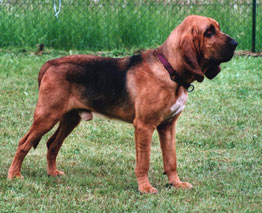
Source: Wikimedia Commons | CC BY-SA 3.0 | Duke – Standard pose (400×274 px – 42 KB)
Source: Wikimedia Commons | CC BY-SA 3.0 | Breed documentation (262×213 px – 47 KB)
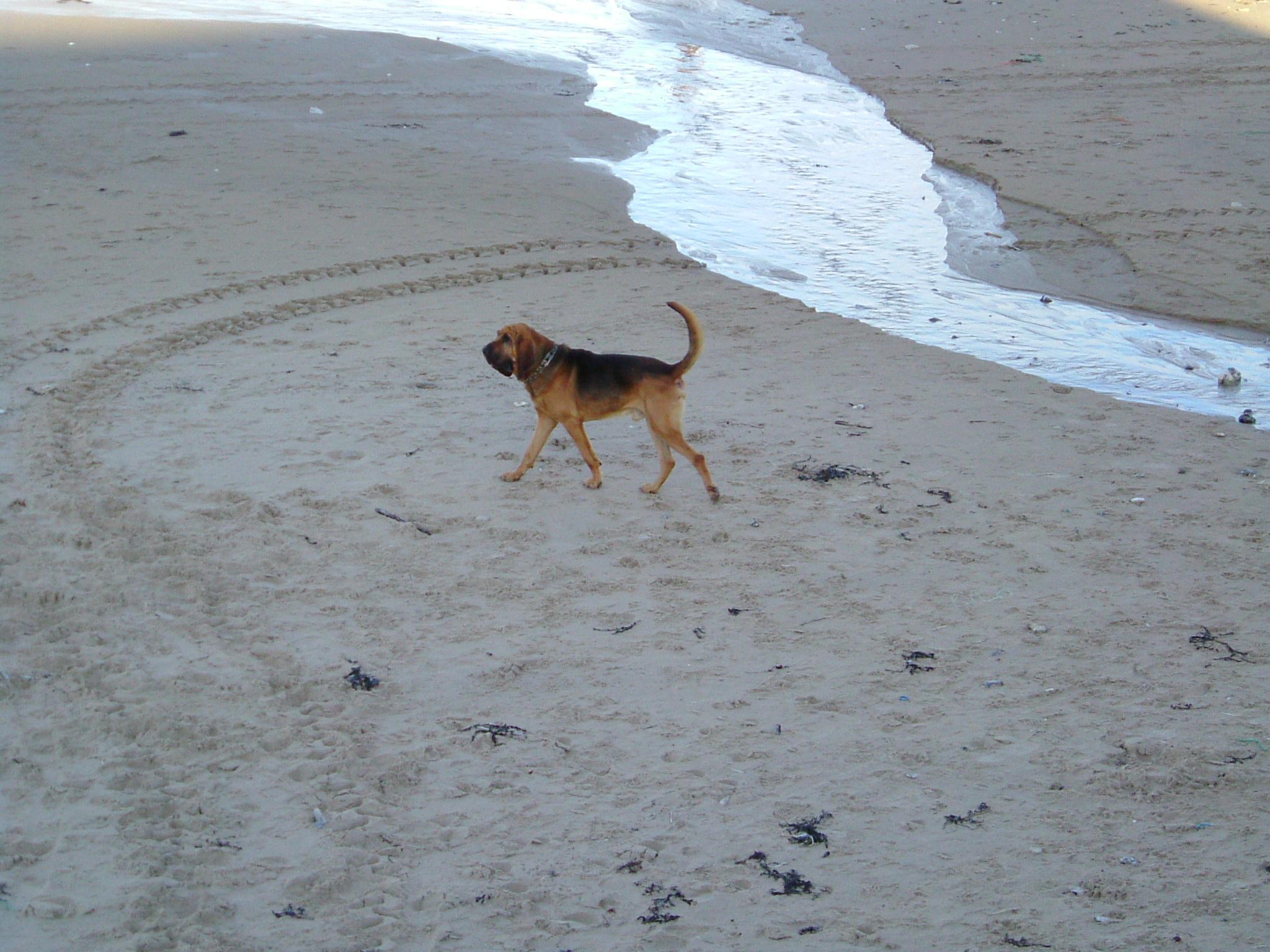
Source: Wikimedia Commons | CC BY-SA 3.0 | Ultra-high res (2048×1536 px – 359 KB)

Source: Wikimedia Commons | CC BY-SA 3.0 | Erland22 (1340×948 px – 491 KB)
Overall Conformation
- Body proportions: Proportionate, balanced build; powerful musculature; well-developed frame reflecting hunting dog requirements.
- Height: 23–27 inches at shoulder; large size; characteristic of tracking hound type.
- Weight: 80–110 pounds; muscular, powerful frame; built for endurance and sustained tracking.
- General appearance: Athletic tracking hound with alert demeanor; powerful, enduring presence; noble expression.
Distinctive Features
| Feature | Description | Function |
|---|---|---|
| Long Tapered Head | Elongated skull; tapered muzzle; narrow profile | Distinctive breed marker; houses scent receptors; characteristic profile |
| Loose Hanging Jowls | Abundant soft tissue under jaw; drooping appearance | Collects scent particles; aids tracking; distinctive appearance |
| Wrinkled Skin | Characteristic facial and body wrinkles | Increases scent-collecting surface area; breed characteristic |
| Drooping Ears | Long, low-set ears dragging on ground | Stirs up ground scent; aids tracking ability |
| Powerful Build | Well-developed musculature throughout | Endurance for tracking; strength for sustained work |
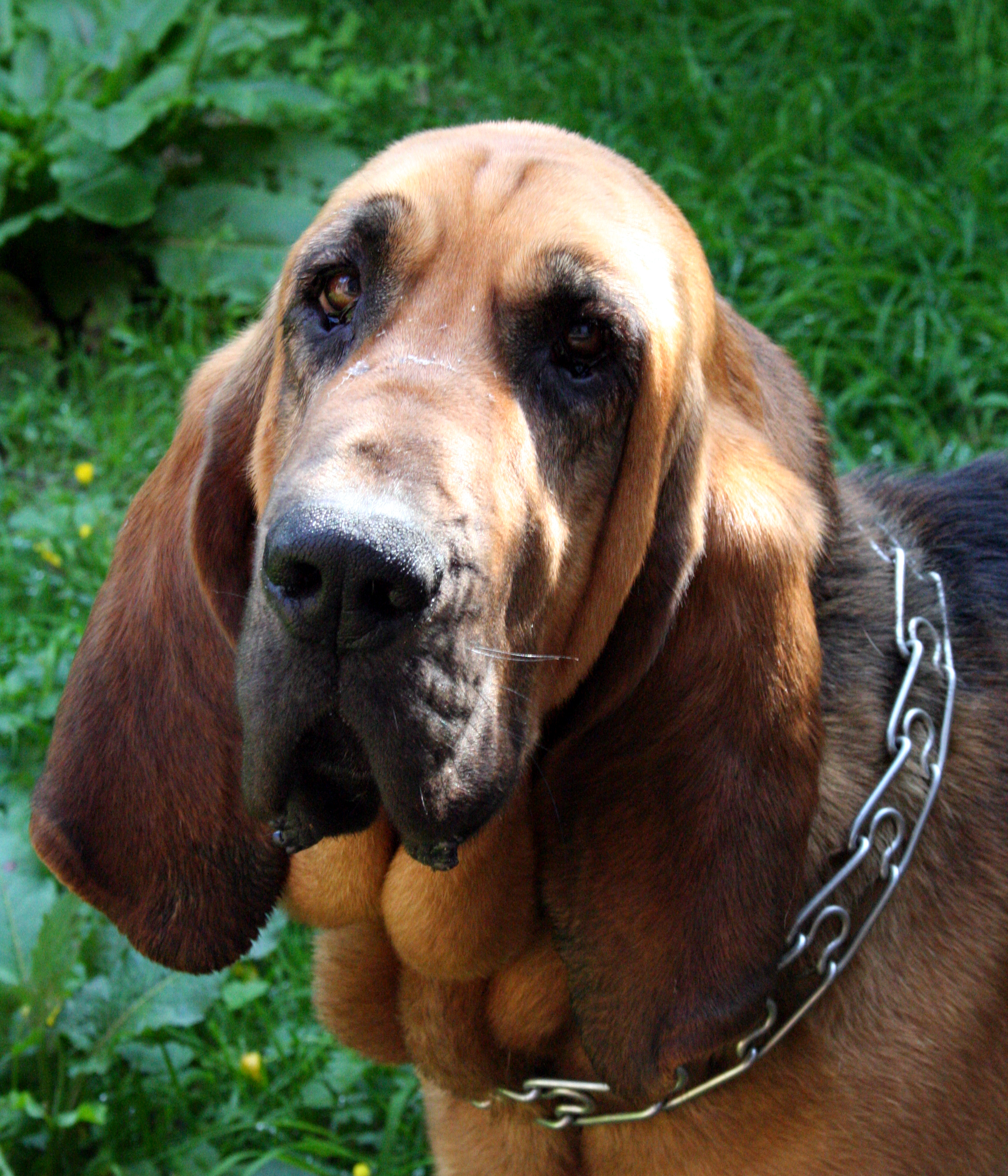
Distinctive Head Documentation
Source: Wikimedia Commons | CC BY-SA 3.0 | Ultra-high res (2304×2688 px – 4.21 MB)

Source: Wikimedia Commons | CC BY-SA 3.0 | Ultra-high res (3504×2336 px – 4.07 MB)

Source: Wikimedia Commons | CC BY-SA 3.0 | Bella (3504×2336 px – 2.42 MB)

Source: Wikimedia Commons / Geograph.org.uk | CC BY-SA 2.0 | (640×411 px – 76 KB)
Characteristic Head Features
- Head shape: Long tapered head; elongated skull; narrow profile; distinctive appearance.
- Muzzle: Long, relatively narrow; tapered shape; houses olfactory receptors; powerful nose.
- Eyes: Dark, medium-sized eyes; deep-set; soft expression; somewhat obscured by wrinkles.
- Ears: Long, low-set drooping ears; reach ground when head lowered; stir up scent; contribute to tracking ability.
- Jowls & wrinkles: Loose hanging jowls and characteristic facial wrinkles; collect scent particles; aid tracking; breed characteristic.
Coat Type & Structure
- Coat description: Short, dense hound coat; lies close to body; weather-resistant; functional hound coat.
- Coat length: Short; approximately 1/4 inch; uniform throughout body.
- Grooming requirements: Minimal brushing needed; occasional bathing; generally low maintenance; ear cleaning important due to long drooping ears. For comparison of grooming demands, see our Cocker Spaniel grooming guide.
Black & Tan Coloration

Source: Wikimedia Commons | CC BY-SA 3.0 | Standard coloration (1458×1033 px – 116 KB)

Source: Wikimedia Commons | CC BY-SA 3.0 | Alternative view (630×442 px – 181 KB)
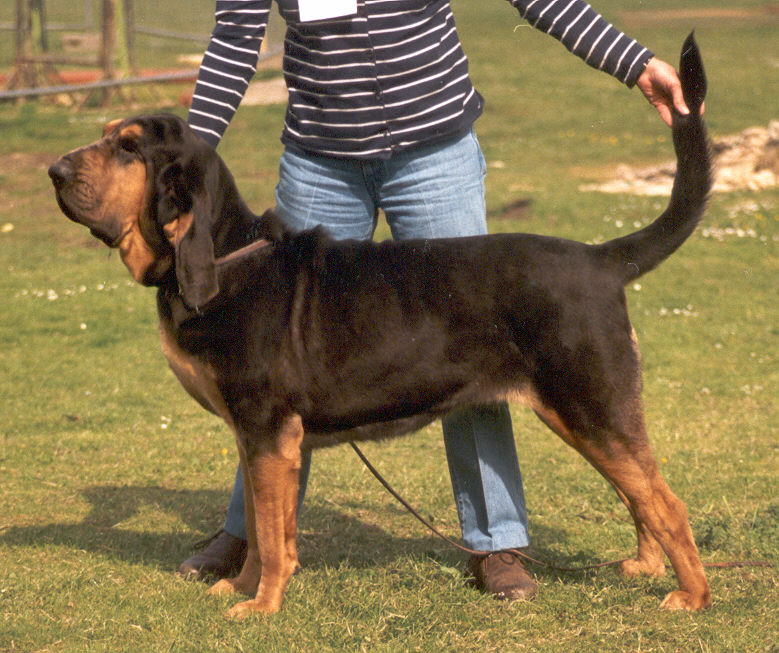
Source: Wikimedia Commons | CC BY-SA 3.0 | Black and tan blanket (779×653 px – 155 KB)
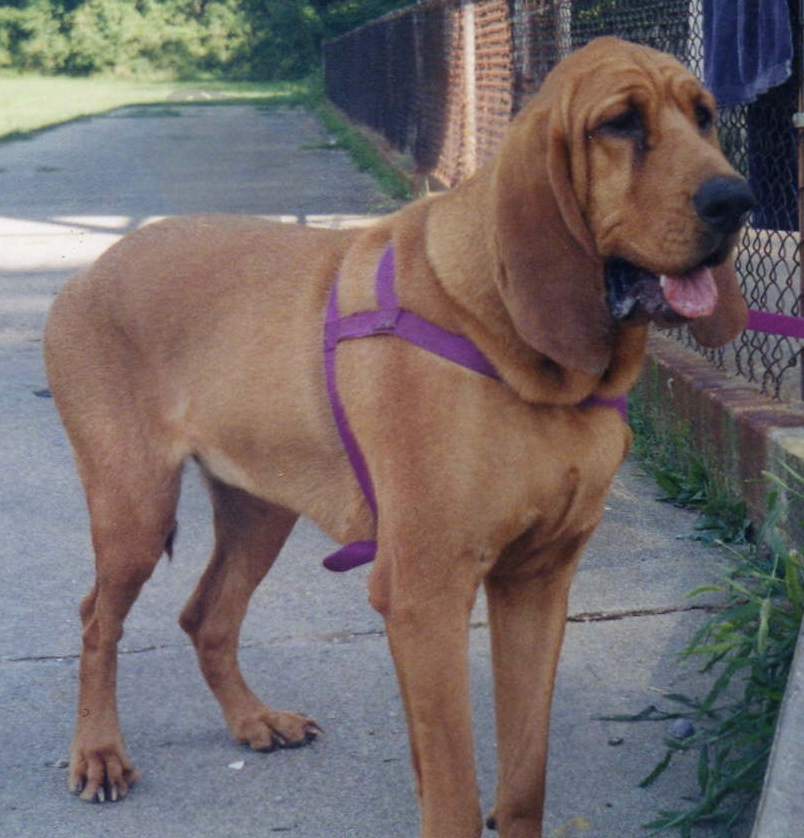
Source: Wikimedia Commons | CC BY-SA 3.0 | Black and tan (804×838 px – 395 KB)
Liver & Tan Coloration

Source: Wikimedia Commons | CC BY-SA 3.0 | Brown variation (1014×714 px – 151 KB)

Source: Wikimedia Commons | CC BY-SA 3.0 | Liver and tan blanket (944×641 px – 157 KB)
Red Colorations

Source: Wikimedia Commons | CC BY-SA 3.0 | Red liver pigmented (1338×1107 px – 133 KB)

Source: Wikimedia Commons | CC BY-SA 3.0 | Female (1817×1654 px – 518 KB)
Pigmentation Variations
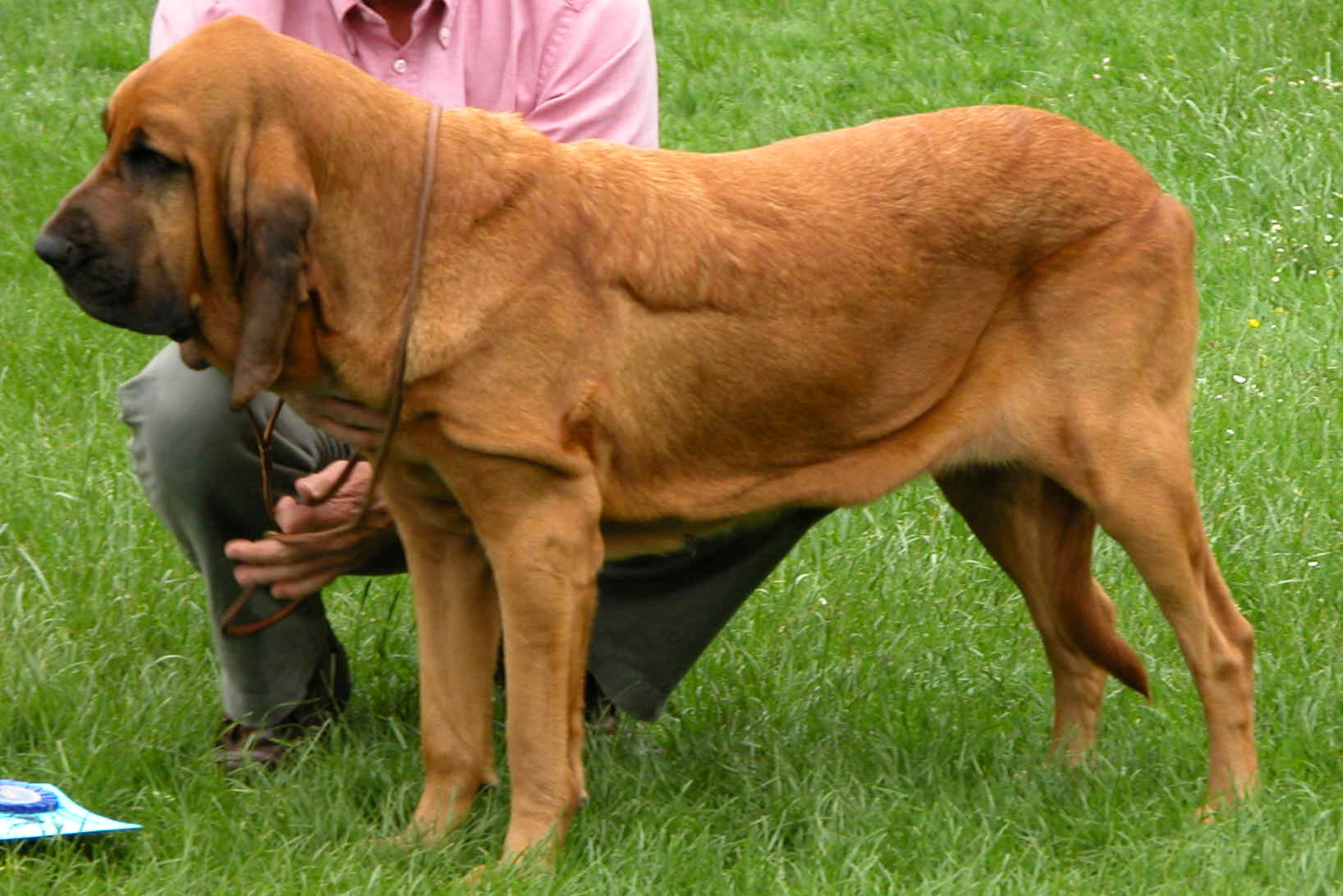
Source: Wikimedia Commons | CC BY-SA 3.0 | Pigmented variation (1636×1092 px – 149 KB)
Color Variations Overview
- Black & tan: Black coat with tan/red markings; most common coloration; tan on muzzle, chest, legs, and underside. Similar bicolor pattern documentation found in the Black and Tan Coonhound.
- Liver & tan: Brown/liver coat with tan markings; reddish-brown base; tan markings similar to black & tan.
- Red coloration: Solid red or mahogany coloration; less common; accepted in breed standard.
- Show standards: Color is less important than type and tracking ability in evaluation.
Belgian Origins & Saint Hubert Heritage
- Geographic origin: Belgium; descended from Saint Hubert Hounds; developed for hunting and tracking work.
- Saint Hubert connection: Named after Saint Hubert, patron saint of hunters; Belgian monasteries maintained original lines.
- Historical development: Created through selective breeding for superior scent-tracking ability; specialized for hunting large game and tracking.
- Functional purpose: Developed for hunting boar, deer, and other large game; tracking and search work; exceptional scent-following ability. This specialized hunting heritage compares with the Afghan Hound, another ancient hunting breed.
Historical Documentation

Source: Wikimedia Commons | Public Domain | Historical documentation (c. 1915)

Source: Wikimedia Commons | Public Domain | Historical breed record (c. 1915)

Source: Wikimedia Commons | Public Domain | Historical working documentation
Modern Breed Development
- Breed standardization: Formally standardized in 19th century; breed clubs established in Belgium and England.
- International recognition: Accepted by major kennel clubs; widespread popularity as working dog and family companion.
- Contemporary roles: Show dogs, family companions, law enforcement tracking, search and rescue, and detective work; versatile modern breed. The Dalmatian historical encyclopedia provides a parallel look at breed history documentation.
Personality Characteristics
- Loyal nature: Devoted, loyal, affectionate personality; strong family bonds; affectionate with family members.
- Determined nature: Independent, focused, determined working hound; single-minded when tracking; purposeful demeanor.
- Intelligent capability: Intelligent, responsive, problem-solving hound; capable of independent decision-making; single-track focus.
Social Behavior
- Family orientation: Excellent family dogs; affectionate with family members; good with children when socialized.
- Hunting instinct: Strong hunting and tracking drive; can pursue scent trails single-mindedly; may be prone to wandering.
- Socialization importance: Early socialization essential; proper training important for managing hunting drive and independence.
Exercise & Activity Requirements
- High exercise needs: Require substantial daily exercise; 1–2 hours vigorous activity recommended; tracking activities highly beneficial.
- Mental enrichment: Intelligent breed; require mental challenges; scent work and tracking beneficial.
- Activity preferences: Enjoy scent work, tracking, and independent problem-solving; excel in tracking competitions.
Exceptional Scent-Tracking Ability
- Olfactory superiority: Keenest sense of smell of any dog breed; exceptional scent detection; can track days-old trails.
- Tracking characteristics: Single-minded focus when tracking; follows scent with determination; capable of sustained tracking work.
- Working style: Independent tracking hound; works nose-down following scent; requires skilled handlers.
Contemporary Working Roles
- Law enforcement: Active service in police tracking and detection work; renowned for finding lost persons.
- Search and rescue: Valuable search and rescue dogs; capability for sustained tracking work.
- Detective work: Historical use in detective and criminal investigation work; still used in tracking fugitives.
- Tracking trials: Excel in bloodhound trials and tracking competitions; specialized working events.
Bloodhound Trials Documentation
Bloodhound trials represent the pinnacle of working bloodhound competition, where dogs demonstrate scent-tracking ability in controlled competitive settings.

Source: Wikimedia Commons | CC BY-SA 3.0 | Ultra-high res (3888×2592 px – 4.03 MB)

Source: Wikimedia Commons | CC BY-SA 3.0 | Ultra-high res (3888×2592 px – 3.99 MB)

Source: Wikimedia Commons | CC BY-SA 3.0 | Ultra-high res (3888×2592 px – 4.59 MB)
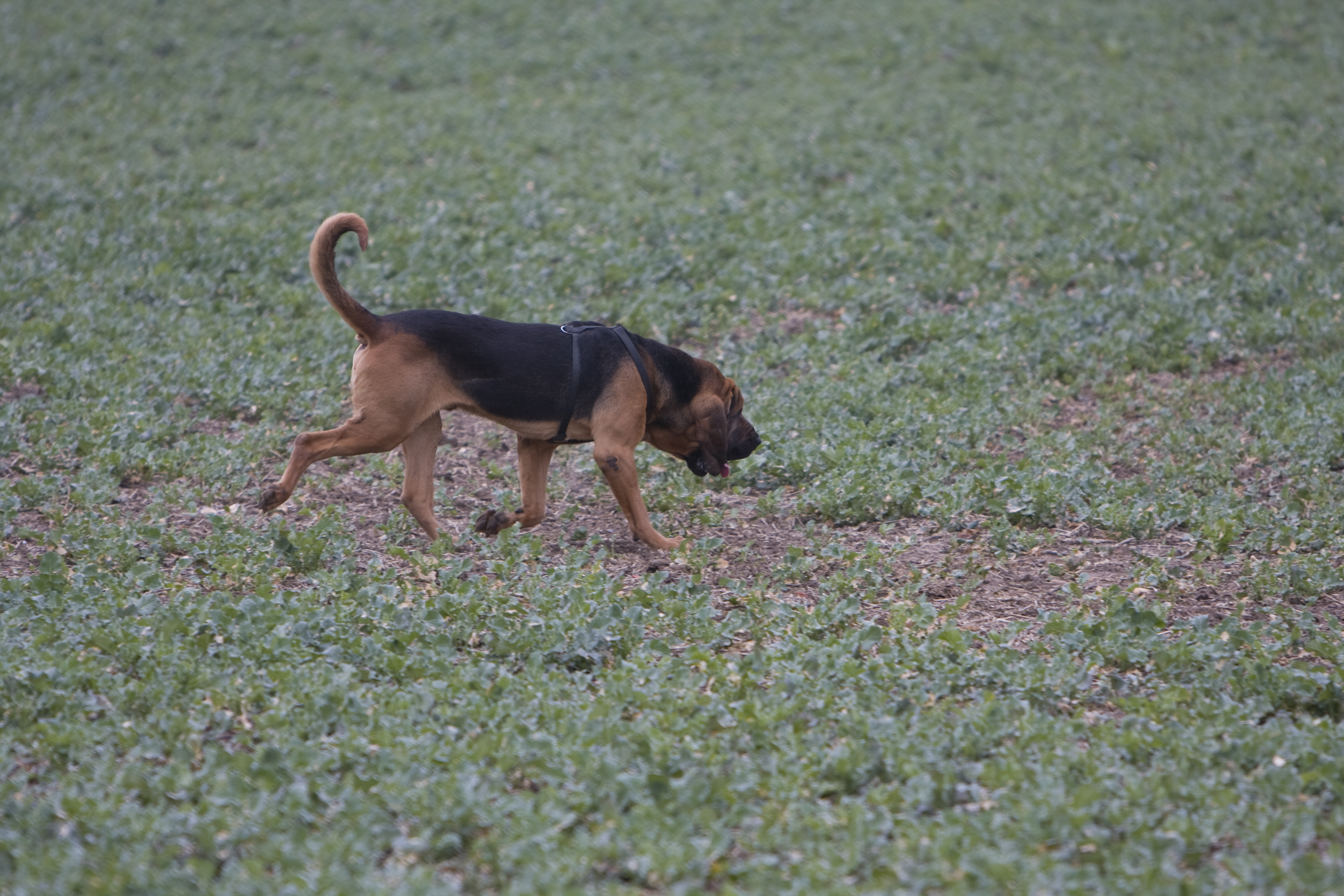
Source: Wikimedia Commons | CC BY-SA 3.0 | Ultra-high res (3888×2592 px – 5.06 MB)

Source: Wikimedia Commons | CC BY-SA 3.0 | Ultra-high res (3888×2592 px – 3.89 MB)
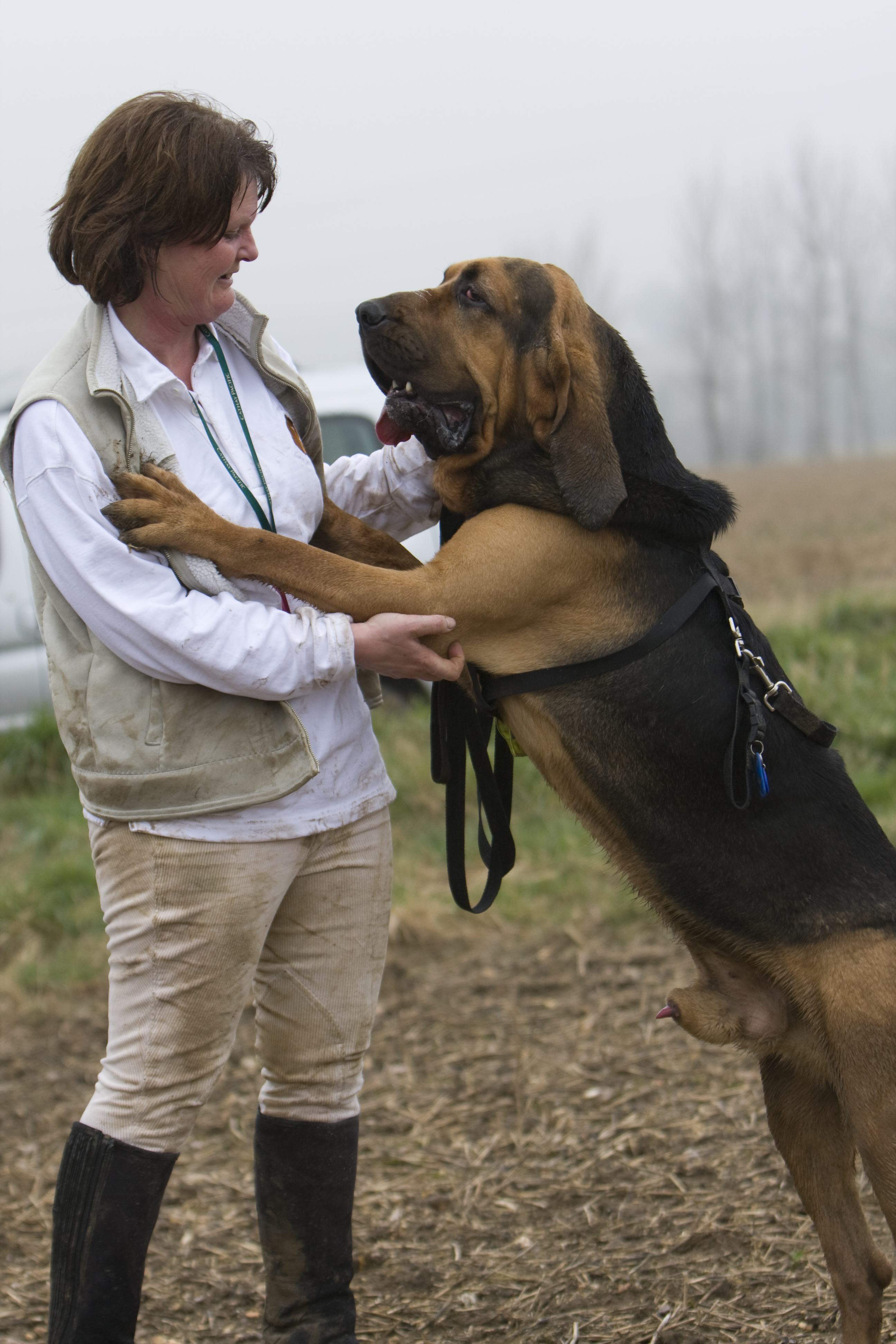
Source: Wikimedia Commons | CC BY-SA 3.0 | Ultra-high res (2592×3888 px – 4.17 MB)

Source: Wikimedia Commons | CC BY-SA 3.0 | Ultra-high res (3888×2592 px – 4.24 MB)

Source: Wikimedia Commons | CC BY-SA 3.0 | Ultra-high res (3888×2592 px – 6.19 MB)

Source: Wikimedia Commons | CC BY-SA 3.0 | Ultra-high res (3888×2592 px – 4.39 MB)

Source: Wikimedia Commons | CC BY-SA 3.0 | British documentation (1740×1177 px – 404 KB)

Source: Wikimedia Commons | CC BY-SA 3.0 | Photo: A. Silverstein | Beulah – Ultra res (8206×5774 px – 29.12 MB)
Trial Competition Overview
- Trial format: Competitive tracking events where bloodhounds demonstrate scent-following ability under controlled conditions.
- Judging criteria: Accuracy of tracking, endurance, speed, and proper work style evaluated.
- Competition prestige: Bloodhound trials represent peak of working hound competition; prestigious events with dedicated following.
Puppy Development
- Rapid growth: Bloodhounds grow quickly into large, powerful dogs; proper nutrition during growth essential for bone development.
- Early socialization: Critical for balanced temperament; exposure to diverse people and environments important. Similar socialization needs are documented in the Dalmatian puppies encyclopedia.
- Training importance: Early training essential; intelligent, independent nature requires consistent guidance and patience.
- Scent work inclination: Natural scent-following drive evident from puppyhood; require appropriate outlets for tracking instinct.
Show Dog Documentation
- Conformation shows: Bloodhounds compete successfully in major kennel club shows, judged on adherence to breed standard.
- Championship records: Multiple championship records at AKC and international shows; strong breed presence in show rings.
- Dual-purpose dogs: Many show dogs also possess working tracking ability; balance of conformation excellence and working capability.
- Public representation: Show dogs act as breed ambassadors, demonstrating ideal conformation and temperament.
Saint Hubert Hound Connection

Source: Wikimedia Commons | CC BY-SA 3.0 | Male specimen (512×488 px – 132 KB)
Historical Background
- Saint Hubert origin: Named after Saint Hubert, patron saint of hunters; developed in Saint Hubert Monastery in Belgium.
- Monastery breeding: Belgian monasteries maintained original Saint Hubert lines for hunting purposes.
- Modern designation: Bloodhound is modern name for evolved Saint Hubert Hound; terms sometimes used interchangeably.
- European heritage: Strong Belgian and European heritage; recognized across Europe with historical documentation.
Breed-Specific Health Issues
- Hip dysplasia: Genetic predisposition in large dogs; screening recommended for breeding stock via OFA evaluations.
- Ear infections: Predisposition due to long drooping ears; regular ear cleaning important preventive measure.
- Bloat/gastric dilatation: Deep-chested breed at risk; feeding management and awareness of signs critical.
- Skin issues: Wrinkled skin predisposes to fungal infections; regular cleaning and drying important.
- Eye conditions: Ectropion and entropion possible; veterinary monitoring recommended.
Health Management
- Preventive care: Regular veterinary examinations; appropriate vaccinations; ear health monitoring. Our Cocker Spaniel health guide offers comparative preventive care insights for ear-prone breeds.
- Exercise management: Provide appropriate exercise to prevent obesity; avoid strenuous activity immediately after feeding.
- Health screening: OFA evaluations; veterinary care; preventive health measures important.
- Ear maintenance: Regular ear cleaning essential; drying important to prevent infections.
Lifespan & Care
- Life expectancy: 10–12 years with proper care; genetics, diet, exercise significantly influence longevity.
- Preventive care: Regular veterinary examinations; appropriate vaccinations; nutrition management important.
Responsible Breeding Practices
- Health screening requirement: Reputable breeders implement comprehensive health screening before breeding decisions.
- Working capability emphasis: Many breeders emphasize tracking ability and working temperament; selection for both show and working lines important.
- Genetic diversity: Awareness of inbreeding coefficients; pedigree analysis; efforts to maintain genetic diversity important.
Breeding Program Development
- Working ability emphasis: Selection emphasizing scent-tracking ability, working temperament, and conformation; multiple breeding lines maintained.
- Temperament selection: Selection for stable, devoted temperament; independent nature and tracking drive important.
- Puppy placement: Working/competition-potential puppies placed with experienced handlers; family puppies placed with appropriate families.
Daily Care Routine
- Exercise requirements: 1–2 hours daily vigorous exercise essential; working hound heritage; tracking and scent work important.
- Coat maintenance: Weekly brushing recommended; occasional bathing; minimal grooming requirements.
- Ear care: Regular ear cleaning essential; long drooping ears require frequent attention to prevent infections.
- Mental enrichment: Require scent work and tracking activities; tracking training highly beneficial for mental stimulation.
Housing & Environment
- Space requirements: Substantial space beneficial; apartment living challenging; fenced yard ideal to prevent wandering during scent tracking. Unlike apartment-friendly breeds such as the Chihuahua or Brussels Griffon, Bloodhounds need significant outdoor space.
- Climate adaptation: Short coat provides limited protection; temperature tolerance moderate; extreme heat requires careful management.
- Social environment: Thrive with experienced owners; require consistent human interaction; independent tracking drive requires understanding handlers.
Training & Socialization
- Socialization importance: Early socialization essential; exposure to diverse people and environments critical.
- Training methodology: Respond to patient, consistent training; independent nature requires understanding approach; positive reinforcement beneficial.
- Tracking training: Scent work training important; many bloodhounds excel when provided tracking outlets for natural abilities.
- Owner requirements: Require owners understanding of hound temperament and independent nature; training and management important.
1. What is the Bloodhound breed's origin?
Bloodhounds originated in Belgium, descended from Saint Hubert Hounds maintained in Belgian monasteries. The breed was developed for hunting and tracking large game, with exceptional scent-tracking ability.
2. Why do Bloodhounds have such exceptional scent-tracking ability?
Bloodhounds possess an exceptional sense of smell due to selective breeding for tracking ability and anatomical features including their long nose, drooping ears that stir up scent, and loose jowls that collect scent particles.
3. Why are Bloodhounds called “Bloodhounds”?
The term “bloodhound” derives from “blood” referring to their pure bloodline and selective breeding for superior tracking ability. They were historically used to follow “blood trails” in hunting.
4. Are Bloodhounds good family dogs?
Yes, when properly socialized and trained. They are loyal, affectionate, and devoted with family members. However, they require experienced owners who understand their independent hunting nature and substantial exercise needs.
5. How much exercise do Bloodhounds need?
Bloodhounds require 1–2 hours of daily vigorous exercise. They are high-energy working hounds that need substantial activity and scent work to remain healthy and content.
6. What are their main health concerns?
Primary health concerns include hip dysplasia, ear infections (due to drooping ears), bloat, and skin issues related to wrinkles. Regular veterinary monitoring and ear cleaning are important preventive measures.
7. Why do Bloodhounds have such distinctive wrinkles and drooping ears?
Wrinkles and drooping ears are breed characteristics developed to aid tracking. The drooping ears stir up scent from the ground, and the wrinkled skin and loose jowls collect scent particles, enhancing their tracking ability.
8. Are Bloodhounds used in law enforcement?
Yes. Bloodhounds are actively used in police, search and rescue, and detective work due to their exceptional scent-tracking ability. They are renowned for finding lost persons and tracking fugitives.
9. Can Bloodhounds live in apartments?
Apartment living is challenging for Bloodhounds. Their high exercise needs, tracking drive, and tendency to follow scent trails make houses with substantial space and fenced yards ideal.
10. What is their typical lifespan?
Bloodhounds typically live 10–12 years with proper care, nutrition, exercise, and regular veterinary attention.
- This encyclopedia is educational in nature and reflects current breed documentation as of March 2026.
- Breed standard information based on AKC official standards; readers should consult official breed club resources for most current standards.
- All 38 images sourced from Wikimedia Commons with open licenses (CC BY-SA, CC0 Public Domain) with complete attribution provided for each image.
- Health information provided for general knowledge; readers should consult veterinary professionals for specific health concerns.
- Breeding recommendations reflect current best practices; prospective breeders should consult breed clubs and veterinary geneticists.
Primary Scientific References
- Breed Standards: American Kennel Club (AKC) Official Bloodhound Breed Standard; FCI Breed Standard Group 6 Scent Hounds and Related Breeds
- Historical Documentation: Belgian breed club archives; Saint Hubert Hound documentation; breed development records; international breed club documentation
- Health Research: Orthopedic Foundation for Animals (OFA) hip dysplasia studies; ear health research in hound breeds; genetic health registries
- Working Dog Research: Law enforcement K-9 program documentation; search and rescue documentation; scent detection research; tracking ability studies
- Genetic Research: Canine genetics studies; breed population analysis; genetic diversity assessments in hound populations
- Tracking Trials Documentation: Bloodhound Field Trial Association records; international trial documentation; working ability assessments
Complete Image Attribution Summary
- Featured Image (1 URL): Bloodhound2.jpg – Wikimedia Commons CC BY-SA 3.0
- Breed Standard (4 URLs): Named specimens (Duke), standard documentation, field examples, contemporary specimens – all Wikimedia Commons CC BY-SA
- Head Structure (4 URLs): Head detail, female portraits, Saint-Hubert specimens, standard profiles – all Wikimedia Commons CC BY-SA
- Black & Tan (4 URLs): Standard coloration, alternative views, blanket pattern, female specimen – all Wikimedia Commons CC BY-SA
- Liver & Tan (2 URLs): Brown variation, blanket pattern – Wikimedia Commons CC BY-SA
- Red Colorations (2 URLs): Red pigmented, red saddled female – Wikimedia Commons CC BY-SA
- Pigmentation Variations (1 URL): Red/black pigmented variation – Wikimedia Commons CC BY-SA
- Historical Documentation (3 URLs): American Bloodhound 1915, Bloodhound 1915, Railway Detective work – Wikimedia Commons Public Domain
- Bloodhound Trials (11 URLs): February 2008 trials ultra-high res, Alton trials, field work, tracking work, UK trials, field specimen (Beulah) – all Wikimedia Commons CC BY-SA
- Saint Hubert Heritage (1 URL): Perro de San Huberto male specimen – Wikimedia Commons CC BY-SA
Copyright Compliance Notice
This encyclopedia prioritizes copyright compliance through exclusive use of Wikimedia Commons images with appropriate licensing (CC BY-SA, CC BY-SA 4.0, CC0 Public Domain) and complete attribution. Every image includes caption, source information, photographer credit (where applicable), license type, dimensions, and file size. Flexible gallery grids ensure all images display at full size without cropping or cutoff across devices. All images used strictly for non-commercial educational breed documentation purposes.
© 2026 – Encyclopedia.guru – Bloodhound Dog Breed Encyclopedia (Canis familiaris)
Comprehensive breed documentation with emphasis on distinctive long tapered head, loose jowls, wrinkled skin, exceptional scent tracking ability, Saint Hubert heritage, working heritage, temperament, and care requirements | 38 Wikimedia Commons images integrated | Written by Encyclopedia.guru Expert Writing Team | Updated: 2 March 2026