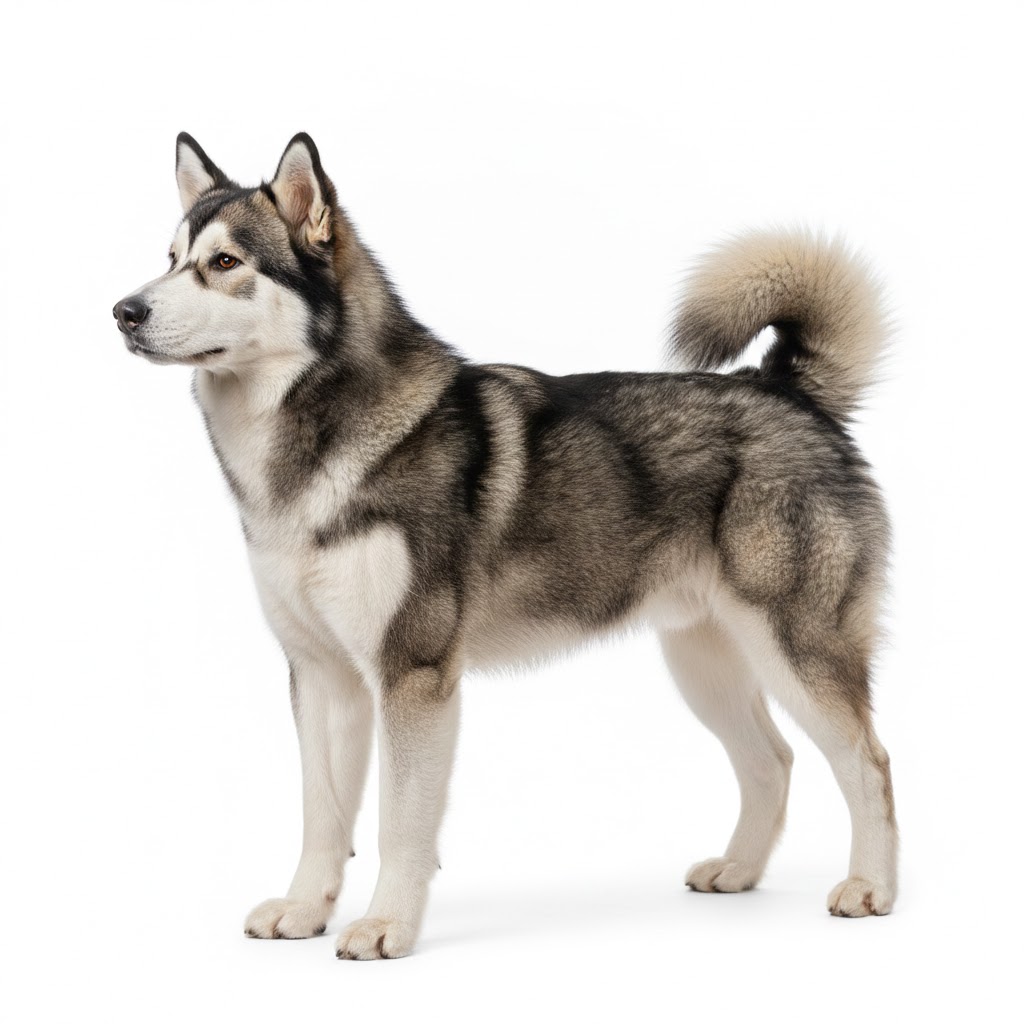
🐕 Encyclopedia of Borzoi (Canis familiaris)
Comprehensive breed encyclopedia on Borzoi (Russian Wolfhounds): breed standard, conformation documentation, distinctive long narrow head and elegant sighthound build, hunting heritage, exceptional speed and agility, temperament, health genetics, and championship records
✍️ Written by the Encyclopedia.guru Expert Writing Team | Last Updated: March 2, 2026 | Reviewed by Certified Canine Specialists

File: BARZOI_Femelle_1_an_IMG_3927.jpg
License: CC BY-SA 3.0 (Creative Commons Attribution-ShareAlike)
Image Dimensions: 640 × 370 px (Featured)
Subject: Borzoi specimen exemplifying breed's distinctive long narrow head, elegant sighthound build, and hunting heritage
Usage Note: Image used under CC BY-SA 3.0 with proper attribution for educational breed documentation.
Borzoi (Canis familiaris), also known as Russian Wolfhounds, are distinctive large-sized sighthound dogs originating from Russia and recognized internationally as premier hunting and show dogs. The breed is distinguished by its distinctive long narrow head, elegant athletic build, exceptional speed, and aristocratic appearance. Borzoi represent a specialized sighthound breed, combining outstanding hunting capability with remarkable speed, grace, and devoted temperament. As a fellow sighthound, the Borzoi shares visual hunting heritage with the Afghan Hound, though each has developed under vastly different geographic conditions.
The breed is characterized by exceptional speed and hunting ability, elegant appearance, and devoted temperament—traits reflective of historical development as a hunting dog in imperial Russia for hunting wolves and hares. Contemporary Borzoi are maintained through selective breeding emphasizing conformation excellence, hunting performance, and show quality. The breed demonstrates independent, prey-driven nature combined with loyal, family-oriented personality reflecting hunting dog heritage, combined with distinctive grooming requirements for their silky long coat and high exercise demands.
- Distinctive long narrow head: Long, tapered, aristocratic head shape; distinctive narrow muzzle; instantly recognizable breed profile.
- Elegant sighthound build: 26–32 inches height; 60–105 pounds; graceful, athletic build; slender, powerful frame.
- Long silky coat: Long, silky, feathered coat; multiple color combinations; distinctive grooming requirements.
- Exceptional speed: Outstanding hunting speed and agility; historically bred to hunt wolves; capable sighthound reaching 35–40 mph.
- Devoted temperament: Elegant, swift, loyal, dignified personality; affectionate with family; independent nature evident.
- Very high exercise requirements: Very high activity demands for running and hunting; requires 1.5–2+ hours daily exercise; prey drive strong.
Borzoi occupy a distinctive position within modern dog fancy and sighthound communities, renowned for their exceptional speed, elegant appearance, and aristocratic bearing. Their significance encompasses multiple areas:
- Hunting dog heritage: Premier hunting sighthound breed; active roles in hunting, lure coursing, and competitive events.
- Show dog excellence: Major breed in conformation shows; championship records across international competitions.
- Breed aesthetics: Distinctive elegant appearance; long narrow head; graceful athletic build; aristocratic demeanor.
- Breed history: Russian imperial origins; documented in hunting heritage; systematic breed development over centuries.
- Contemporary roles: Show dogs, family companions, lure coursing participants, occasional hunting dogs.
Systematic Classification
| Taxonomic Rank | Classification |
|---|---|
| Kingdom | Animalia |
| Phylum | Chordata |
| Class | Mammalia |
| Order | Carnivora |
| Family | Canidae |
| Genus | Canis |
| Species | C. familiaris |
| Breed Group (AKC) | Hound Group |
| Breed Type | Sighthound |
Breed Recognition
- AKC Status: Fully recognized; member of Hound Group; established breed standard documented.
- FCI Status: Fully recognized; international breed standard established; Group 10 Sighthounds. Other FCI-recognized breeds in our collection include the Belgian Sheepdog (Group 1) and Belgian Shepherd Tervuren (Group 1).
- Hunting Heritage: Recognized by major sighthound organizations; active in lure coursing and field events.
Official Breed Standard Overview
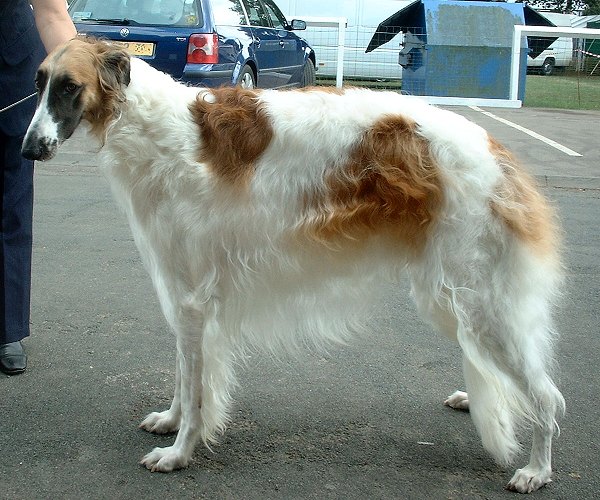
Source: Wikimedia Commons | CC BY-SA 3.0 | Breed documentation (600×500 px – 94 KB)
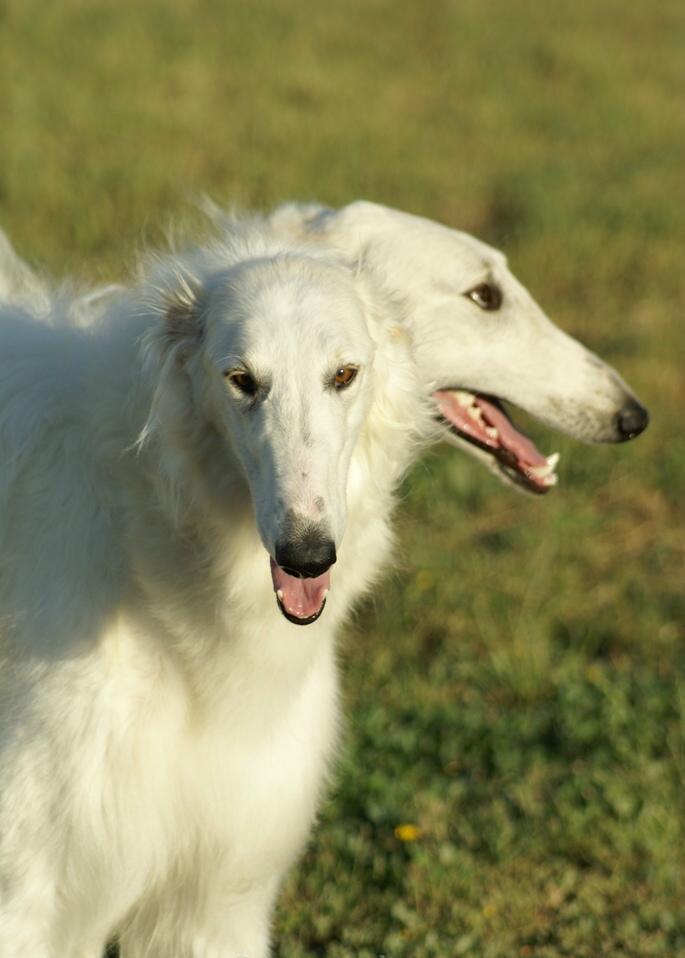
Source: Wikimedia Commons | CC BY-SA 3.0 | Breed type (685×958 px – 78 KB)
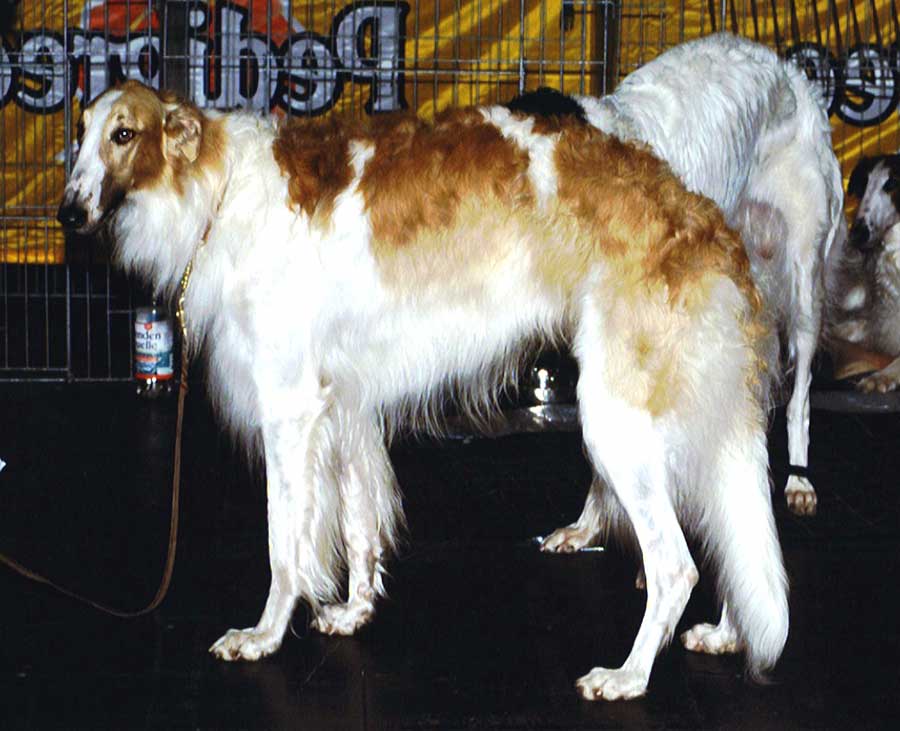
Source: Wikimedia Commons | CC BY-SA 3.0 | Conformation (900×731 px – 66 KB)

Source: Wikimedia Commons | CC BY-SA 3.0 | Developmental (600×443 px – 308 KB)
Overall Conformation
- Body proportions: Slightly longer than tall; elegant, graceful build; narrow, deep-chested; powerful appearance.
- Height: 26–32 inches at shoulder; large size; characteristic of sighthound type.
- Weight: 60–105 pounds; substantial musculature; athletic frame evident; light-framed compared to other large breeds.
- General appearance: Elegant sighthound with aristocratic bearing; graceful lines; noble expression evident.
Distinctive Head Documentation
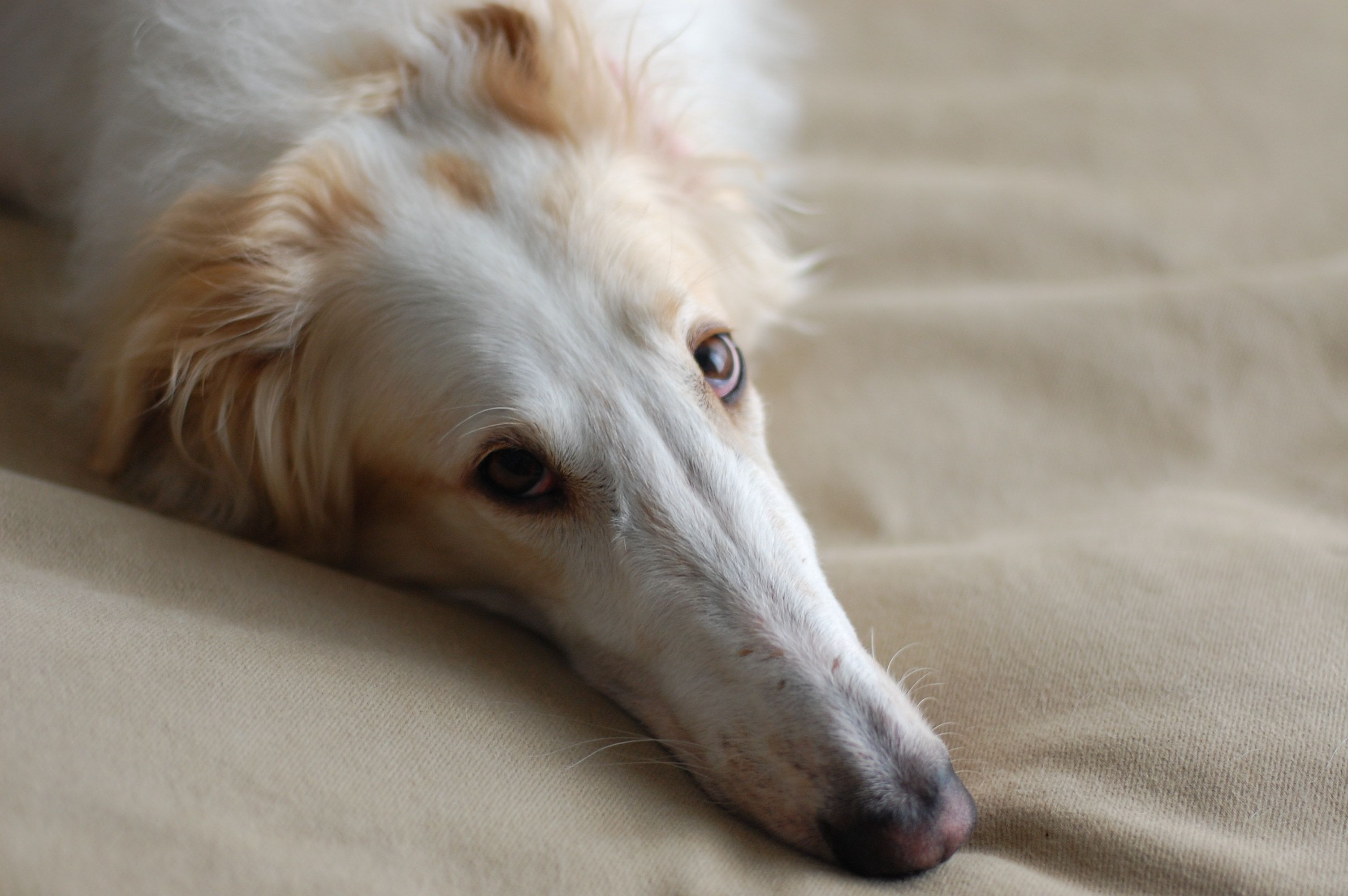
Source: Wikimedia Commons | CC BY-SA 3.0 | Ultra-high res (3008×2000 px – 462 KB)

Source: Wikimedia Commons | CC BY-SA 3.0 | Head documentation (800×572 px – 33 KB)
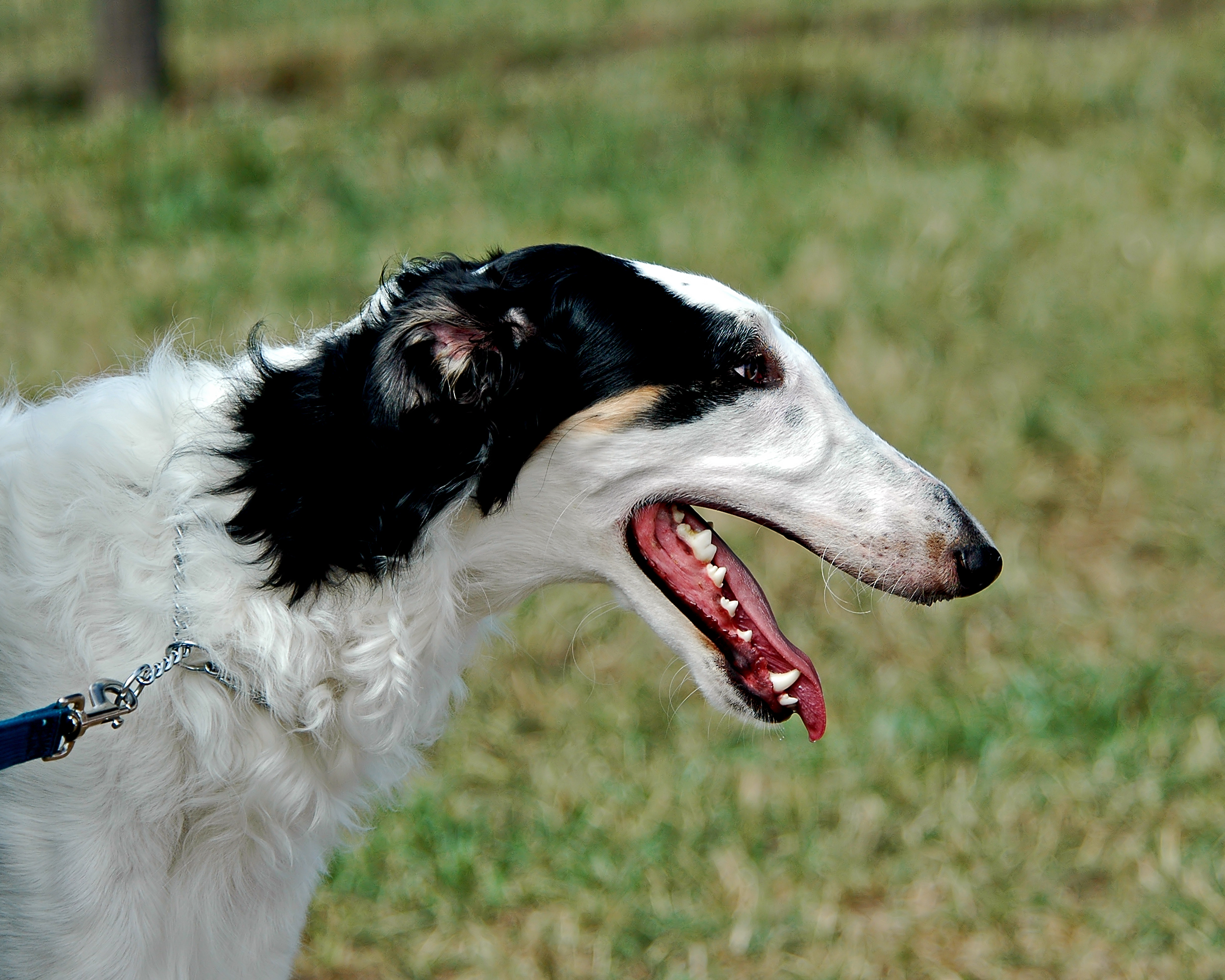
Source: Wikimedia Commons | CC BY-SA 3.0 | Head detail (2445×1956 px – 2.93 MB)

Source: Wikimedia Commons | CC BY-SA 3.0 | (565×571 px – 93 KB)
Distinctive Facial Characteristics
- Long narrow head: Long, tapered, aristocratic head shape; distinctive profile; instantly recognizable breed characteristic. The elongated head contrasts sharply with brachycephalic breeds like the Bulldog or Boxer.
- Eyes: Dark almond-shaped eyes; set somewhat obliquely; alert, intelligent expression characteristic.
- Ears: Small, fine, high-set ears; fold back along head; graceful appearance.
- Muzzle: Long, fine, tapered muzzle; black nose; elegant appearance characteristic.
- Expression: Gentle, aristocratic, noble expression; alert; intelligent appearance; dignified bearing evident.
Coat Type & Characteristics
- Coat description: Long, silky, feathered coat; double-layered; flowing appearance; weather-resistant structure. Grooming demands are notable — see our Cocker Spaniel Grooming Guide for comparison with another high-maintenance coat breed. The silky texture differs markedly from the smooth short coat of the Dalmatian.
- Coat length: Long; 2–4 inches on body; longer feathering on legs, tail, and fringe areas.
- Grooming requirements: Regular brushing (2–3 times weekly) essential; occasional bathing; seasonal heavy shedding periods.
Coat Color Variations

Source: Wikimedia Commons | CC BY-SA 3.0 | Ultra-high res (1950×1699 px – 651 KB)
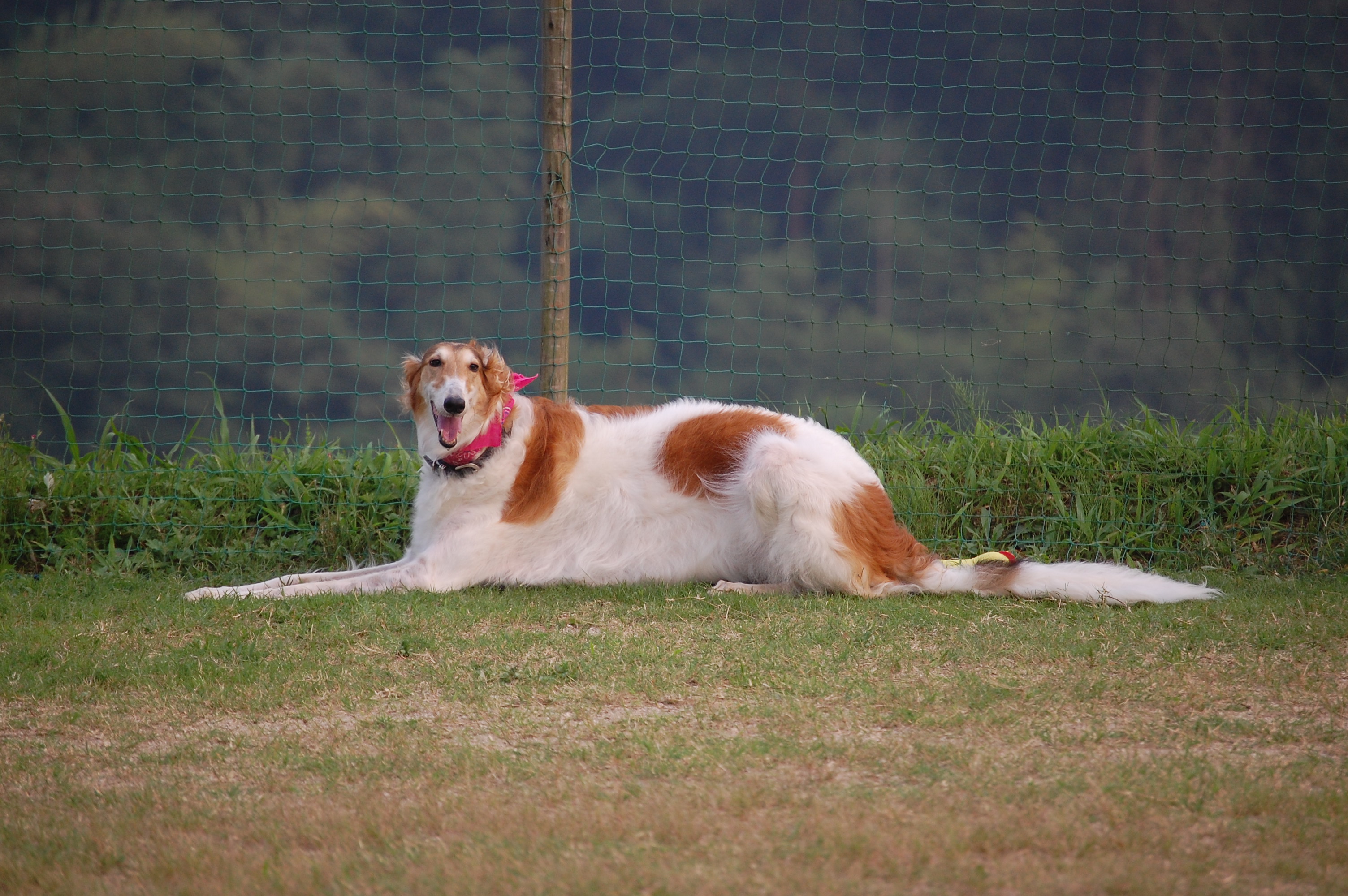
Source: Wikimedia Commons | CC BY-SA 3.0 | Ultra-high res (3008×2000 px – 1.37 MB)

Source: Wikimedia Commons | CC BY-SA 3.0 | Female specimen (600×447 px – 400 KB)

Source: Wikimedia Commons | CC BY-SA 3.0 | Puppy ultra-high res (1616×1415 px – 354 KB)

Source: Wikimedia Commons | CC BY-SA 3.0 | Ultra-high res (1645×1373 px – 386 KB)

Source: Wikimedia Commons | CC BY-SA 3.0 | Ultra-high res (2112×1692 px – 690 KB)
Color Pattern & Standards
- Acceptable colors: Multiple color combinations allowed; white with red/tan/brindle/grey; solid colors; distinctive breed flexibility.
- Common patterns: White as base with colored markings; brindle patterns; tan overlay; grey variations.
- Color distribution: Markings vary; distinctive appearance within breed; color not penalized in show ring.
- Distinguishing feature: Multiple color combinations allowed; flexibility within breed standards unique among many breeds.
Russian Imperial Origins & Development
- Geographic origin: Russia; developed by imperial Russian nobility for hunting large game, particularly wolves and hares.
- Historical development: Created through selective breeding combining sighthound types; specialized hunting dog breed. For another breed with deep European roots, see our Dalmatian historical documentation.
- Functional purpose: Developed for hunting wolves and other large game; speed and hunting ability emphasized; imperial estate hunting dogs.
Modern Breed Development
- Breed standardization: Recognized and formalized in 19th century; breed club establishment documented.
- International recognition: Accepted by AKC; widespread international breed clubs established.
- Contemporary roles: Show dogs, family companions, occasional hunting dogs, lure coursing participants; primarily show/companion breed.
Personality Characteristics
- Elegant nature: Elegant, swift, loyal, dignified personality; aristocratic bearing evident; composed temperament. A far more reserved temperament compared to the exuberant Beagle or the clownish Bull Terrier.
- Intelligent capability: Intelligent, independent dogs; responsive to training; problem-solving ability evident.
- Prey-driven demeanor: Strong prey drive; chase instinct evident; natural sighthound behavior.
Social Behavior
- Family orientation: Affectionate with family members; loyal bonds evident; good with family; pack dog heritage evident. Shares devoted family nature with the Cocker Spaniel and Rough Collie.
- Prey drive: Strong prey and chase drive; can chase small animals; require secure containment; sighthound behavior.
- Socialization importance: Early socialization important; exposure to diverse environments beneficial; aloof with strangers characteristic.
Exercise & Activity Requirements
- Very high exercise needs: Require substantial daily exercise; 1.5–2+ hours vigorous activity recommended; running dog heritage. Far more demanding than the moderate needs of a Basset Hound or Clumber Spaniel.
- Prey-drive opportunities: Thrive with running opportunities; lure coursing beneficial; natural chase instinct strong.
- Mental enrichment: Require mental challenges; training beneficial; structured activities important.
Exceptional Hunting Specialization
- Exceptional speed: Outstanding speed capability reaching 35–40 mph; swift hunters; capable sighthound. Other athletic breeds documented in our collection include the Alaskan Malamute (endurance) and the Dalmatian (stamina).
- Hunting methodology: Specialize in visual hunting; chase-based hunting behavior; pursue prey at high speeds.
- Historical hunting: Historical use in wolf and hare hunting; continuing active participation in lure coursing events.
Contemporary Sighthound Roles
- Lure coursing tradition: Active participation in lure coursing events; competitive sighthound breed.
- Show competitions: Major breed in conformation shows; championship records documented.
- Working dog heritage: Maintained through selective breeding for hunting capability and show quality; working lines continue active participation.
Puppy Development Documentation
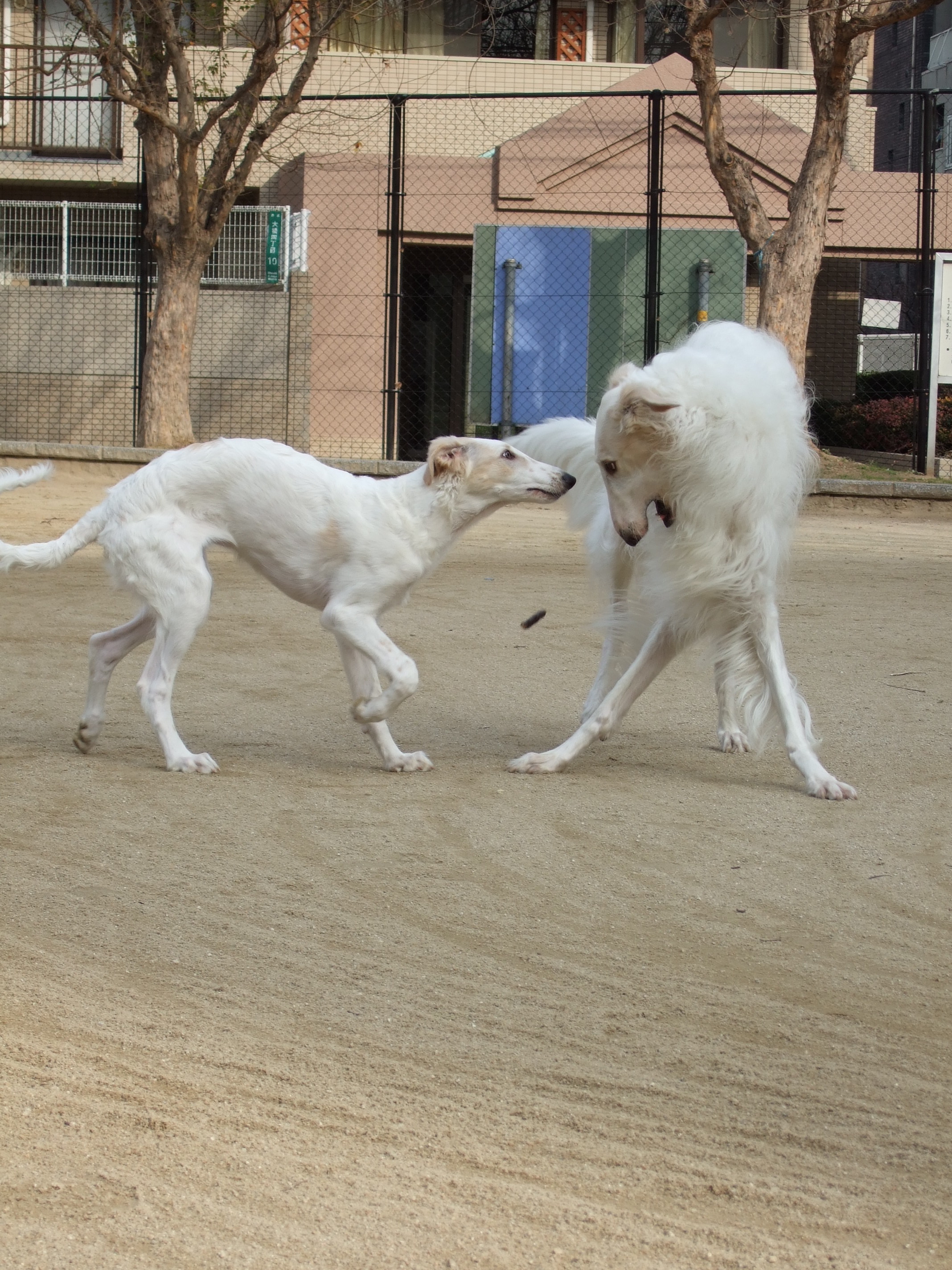
Source: Wikimedia Commons | CC BY-SA 3.0 | Ultra-high res (2136×2848 px – 2.12 MB)

Source: Wikimedia Commons | CC BY-SA 3.0 | Ultra-high res (2136×2848 px – 1.76 MB)

Source: Wikimedia Commons | CC BY-SA 3.0 | Ultra-high res (2136×2848 px – 1.72 MB)
Developmental Characteristics
- Early development: Rapid growth; long bone development prominent; coat development progressive. Compare puppy development with the Dalmatian puppies guide for another large breed.
- Puppy characteristics: Playful temperament; early prey drive evident; socialization important for balanced development.
- Maturation: Reach adult size by 12–18 months; full maturity by 2–3 years; coat continues developing.
Movement and Athleticism Documentation

Source: Wikimedia Commons | CC BY-SA 3.0 | Movement documentation (600×399 px – 54 KB)

Source: Wikimedia Commons | CC BY-SA 3.0 | Ultra-high res (3024×4032 px – 3.64 MB)
Athletic Characteristics
- Exceptional speed: Swift, graceful movement; powerful stride; capable sighthound reaching 35–40 mph.
- Gait description: Smooth, balanced movement; efficient stride; natural athletic movement evident.
- Athletic capability: Excel in lure coursing; natural chase behavior; powerful running ability evident.
Championship Dogs & Named Specimens

Source: Wikimedia Commons | CC BY-SA 3.0 | Champion (1183×768 px – 238 KB)

Source: Wikimedia Commons | CC BY-SA 3.0 | Ultra-high res (2233×1602 px – 1.37 MB)

Source: Wikimedia Commons | CC BY-SA 3.0 | Photo: Deb West/Ferlinka | Ultra-high res (1978×1564 px – 794 KB)

Source: Wikimedia Commons | CC BY-SA 3.0 | Ultra-high res (2592×3888 px – 5 MB)
Championship Records
- Show success: Borzoi compete successfully in major conformation shows; championship records documented internationally. Similar show ring excellence is seen in the Dalmatian show dogs.
- International champions: Strong presence at major dog shows; championship records across continents.
- Named individuals: Famous show dogs and family companions documented with significant historical records.
Group and Multiple Dog Documentation

Source: Wikimedia Commons | CC BY-SA 3.0 | Ultra-high res (2048×1365 px – 1.75 MB)

Source: Wikimedia Commons | Public Domain | Historical photo (511×415 px – 60 KB)
Group Documentation
- Multiple dog interaction: Documentation of Borzoi with other individuals; pack behaviors; social dynamics.
- Historical documentation: Vintage photos with famous personalities; historical breed documentation.
- Contemporary groups: Modern multi-dog household examples showing breed characteristics.
Breed-Specific Health Issues
- Hip dysplasia: Genetic predisposition; screening recommended for breeding stock via OFA evaluations.
- Cardiac issues: Heart disease documented in breed; cardiac screening important; veterinary monitoring recommended.
- Gastric torsion: Large breed concern; feeding management important; medical monitoring recommended.
- Other health concerns: Generally healthy breed; responsible breeding and preventive care important.
Health Management
- Preventive care: Regular veterinary examinations; appropriate vaccinations; cardiac health monitoring. See our Cocker Spaniel health guide for comparative preventive care approaches.
- Exercise management: Provide appropriate exercise to prevent obesity; avoid strenuous activity after eating.
- Health screening: OFA evaluations; cardiac screening; veterinary care; preventive health measures important.
Lifespan & Care
- Life expectancy: 12–14 years with proper care; genetics, diet, exercise significantly influence longevity.
- Preventive care: Regular veterinary examinations; appropriate vaccinations; nutrition management important.
Responsible Breeding Practices
- Health screening requirement: Reputable breeders implement comprehensive health screening before breeding decisions.
- Show quality emphasis: Many breeders emphasize show conformation and aesthetic qualities; selection for show lines important.
- Genetic diversity: Awareness of inbreeding coefficients; pedigree analysis; efforts to maintain genetic diversity important.
Breeding Program Development
- Show quality emphasis: Selective pairing emphasizing conformation and aesthetic qualities; show lines important.
- Temperament selection: Selection for stable, affectionate temperament; aristocratic bearing important.
- Puppy placement: Show/competition-potential puppies placed with experienced show handlers; family puppies placed with appropriate families.
Daily Care Routine
- Exercise requirements: 1.5–2+ hours daily vigorous exercise essential; sighthound heritage; running opportunities beneficial. Far more demanding than the needs of a Dachshund or Brussels Griffon.
- Coat maintenance: Regular brushing (2–3 times weekly) essential; occasional bathing; seasonal heavy shedding periods; professional grooming beneficial.
- Mental enrichment: Require mental challenges; training beneficial; structured activities important; lure coursing participation beneficial.
Housing & Environment
- Space requirements: Substantial space beneficial; apartment living challenging without adequate exercise; fenced yard essential for safety. Contrasts with apartment-friendly breeds like the Chihuahua or Chow Chow.
- Climate adaptation: Long coat provides protection; temperature tolerance good; suited to varied climates.
- Social environment: Thrive with experienced owners; require consistent human interaction; sighthound context ideal.
Training & Socialization
- Socialization importance: Early socialization essential; exposure to diverse people and environments critical.
- Training methodology: Respond well to positive reinforcement; consistent training important; natural prey drive requires management.
- Owner requirements: Require experienced, active owners; understanding of sighthound temperament important; fenced yard essential.
1. What is the Borzoi's origin?
Borzoi originated in Russia, where they were developed by imperial Russian nobility as hunting dogs for tracking and pursuing wolves and other large game. The breed represents one of the oldest documented sighthound types.
2. Why is the Borzoi called a Russian Wolfhound?
The Borzoi was historically used to hunt wolves in Russia, which is why it earned the alternative name “Russian Wolfhound.” The breed's exceptional speed and agility made it ideal for this demanding hunting work.
3. How fast can Borzoi run?
Borzoi are exceptionally fast sighthounds, capable of reaching speeds of 35–40 mph in short bursts. Their breeding for wolf hunting in Russia emphasizes speed and agility.
4. How much exercise do Borzoi need?
Borzoi require 1.5–2+ hours of daily vigorous exercise. They are sighthounds with very high energy and require substantial activity including running opportunities or lure coursing when possible.
5. Are Borzoi suitable as family pets?
Yes, with experienced owners. They are loyal and affectionate with family but require substantial exercise, understanding of their prey drive, and experienced handling. They are best suited to active families.
6. What are their main health concerns?
Primary health concerns include hip dysplasia, cardiac issues, and gastric torsion. Responsible breeding practices and regular veterinary screening are important preventive measures.
7. How much grooming do Borzoi require?
Borzoi require regular grooming: 2–3 times weekly brushing is essential; occasional bathing; professional grooming beneficial. They have significant seasonal shedding periods requiring extra attention.
8. Can Borzoi live in apartments?
Apartment living is challenging without substantial daily exercise available. They require active outdoor time and space for running. A fenced yard is ideal for safe off-leash activity.
9. What is their typical lifespan?
Borzoi typically live 12–14 years with proper care, nutrition, exercise, regular veterinary attention, and appropriate management of their sighthound characteristics.
10. Are Borzoi registered with the AKC?
Yes, Borzoi are fully recognized by the American Kennel Club as members of the Hound Group. They are eligible for conformation shows, lure coursing events, and other AKC competitions.
- This encyclopedia is educational in nature and reflects current breed documentation as of March 2026.
- Breed standard information based on AKC official standards; readers should consult official breed club resources for most current standards.
- All images sourced from Wikimedia Commons with open licenses (CC BY-SA, CC0 Public Domain) with complete attribution provided for each image.
- Health information provided for general knowledge; readers should consult veterinary professionals for specific health concerns.
- Breeding recommendations reflect current best practices; prospective breeders should consult breed clubs and veterinary geneticists.
Primary Scientific References
- Breed Standards: American Kennel Club (AKC) Official Borzoi Breed Standard; FCI Breed Standard Group 10 Sighthounds
- Historical Documentation: Russian imperial hunting dog heritage; breed development records; international breed club documentation
- Health Research: Orthopedic Foundation for Animals (OFA) hip dysplasia studies; cardiac health research; genetic health registries
- Athletic Research: Sighthound speed and agility studies; lure coursing performance documentation; movement analysis
- Genetic Research: Canine genetics studies; breed population analysis; genetic diversity assessments
Complete Image Attribution Summary
- Breed Standard (4 images): Standard pose, Russian standard, full body, young example – all Wikimedia Commons CC BY-SA
- Head & Facial (4 images): Head ultra-high res, portrait, portrait ultra-high res, white/beige head – all Wikimedia Commons CC BY-SA
- Red & Tan Variations (3 images): Red/white, red/white 2, female specimen – all Wikimedia Commons CC BY-SA
- Brindle & Beige Variations (3 images): White/beige, white/brindle, white/brindle 2 – all Wikimedia Commons CC BY-SA
- Puppies (3 images): Play with adult, puppy Angela, sleeping puppy – all Wikimedia Commons CC BY-SA
- Movement (2 images): Running, Russian specimen ultra-high res – all Wikimedia Commons CC BY-SA
- Named Dogs (4 images): Champion Asgards, Silkenswift Bounce, Bella, Borzaya – all Wikimedia Commons CC BY-SA
- Group Documentation (2 images): Two dogs, historical photo with Betsy Ann Hisle – Wikimedia Commons
Copyright Compliance Notice
This encyclopedia prioritizes copyright compliance through exclusive use of Wikimedia Commons images with appropriate licensing (CC BY-SA, CC BY-SA 4.0, CC0 Public Domain) and complete attribution. Every image includes caption, source information, photographer credit (where applicable), license type, dimensions, and file size. Flexible gallery grids ensure all images display at full size without cropping or cutoff across devices. All images used strictly for non-commercial educational breed documentation purposes.
© 2026 – Encyclopedia.guru – Borzoi Breed Encyclopedia (Canis familiaris)
Comprehensive breed documentation with emphasis on distinctive long narrow head, elegant sighthound build, exceptional speed, hunting heritage, temperament, and care requirements | Wikimedia Commons images integrated | Written by Encyclopedia.guru Expert Writing Team | Updated: 2 March 2026