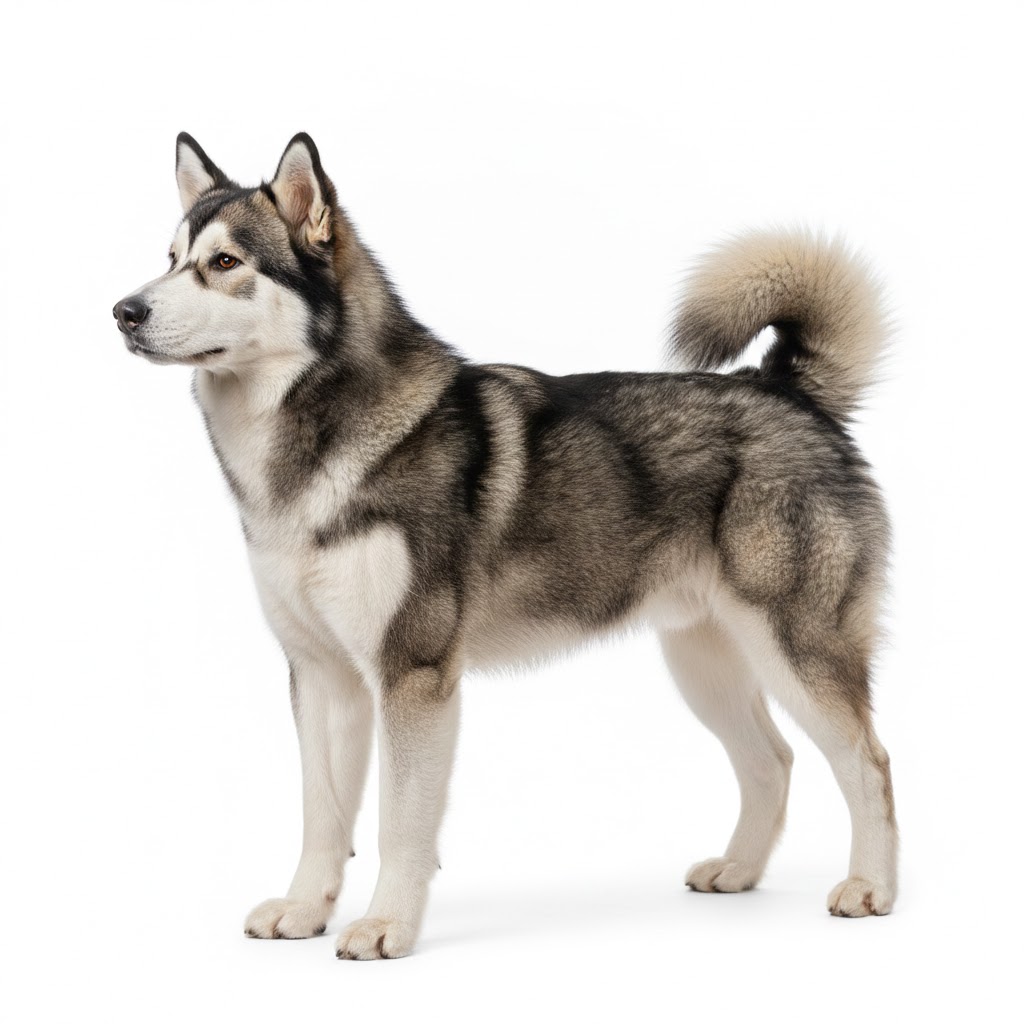
🐕 Encyclopedia of Belgian Sheepdogs Groenendael (Canis familiaris)
Comprehensive breed encyclopedia on Belgian Sheepdogs (Groenendael variety): breed standard, conformation documentation, coat characteristics, herding heritage, competition excellence, breed history, temperament, health genetics, and international breed recognition
✍️ Written by the Encyclopedia.guru Expert Writing Team | Last Updated: March 2, 2026 | Reviewed by Certified Canine Specialists

File: Belgian_Shepherd_Groenendael_portrait.jpg
License: CC BY-SA 3.0 (Creative Commons Attribution-ShareAlike)
Image Dimensions: 640 × 480 px (Featured) | Original: 3872 × 2592 px – 3.27 MB
Subject: Female Belgian Sheepdog Groenendael exemplifying breed standard type
Usage Note: Image used under CC BY-SA 3.0 with proper attribution for educational breed documentation.
Belgian Sheepdogs (Canis familiaris), specifically the Groenendael variety, are distinctive medium-to-large sized herding dogs originating from Belgium and recognized internationally as premier working and show dogs. The breed is distinguished by its elegant all-black long coat, athletic muscular build, alert expression, and noble appearance. Groenendaels represent one of four recognized Belgian Shepherd Dog varieties, combining exceptional herding ability with outstanding working capability and stable temperament.
The breed demonstrates independent, alert working nature combined with loyal, devoted family dog personality reflecting herding dog heritage. Among herding breeds, the Belgian Sheepdog shares its working heritage with the Belgian Shepherd Tervuren, while contrasting with scent-tracking breeds like the Bloodhound and the Basset Hound.
- All-black Belgian variety: Distinctive all-black coat; one of four Belgian Shepherd varieties; AKC separate breed recognition.
- Medium-to-large herding dog: 22–26 inches; 50–60 lbs; athletic, muscular build; elegant appearance.
- Long double coat: Long, straight outer coat with dense undercoat; weather-resistant; distinctive grooming needs.
- Exceptional working ability: Outstanding herding, protection, and police work; highly trainable.
- Devoted temperament: Loyal, devoted, alert personality; strong bonds; protective instinct.
- High exercise requirements: 1.5–2 hours daily exercise; mental enrichment essential.
Belgian Sheepdogs, particularly the Groenendael variety, occupy a distinctive position within modern dog fancy, renowned for exceptional intelligence, athletic ability, and devotion:
- Working dog heritage: Premier herding and police work dog; active in law enforcement, military, search-and-rescue.
- Breed aesthetics: Elegant all-black coat; athletic build; noble appearance; distinctive breed type.
- Breed history: Belgian origins; 19th-century development; systematic European standardization.
- Show competition: Major conformation show breed; international championship records. See our Dalmatian show dogs guide.
- Companion role: Popular family companions; distinctive personality traits important for ownership.
Systematic Classification
| Taxonomic Rank | Classification |
|---|---|
| Kingdom | Animalia |
| Phylum | Chordata |
| Class | Mammalia |
| Order | Carnivora |
| Family | Canidae |
| Genus | Canis |
| Species | C. familiaris |
| Breed Group (AKC) | Herding Group |
| Breed Group (FCI) | FCI Group 1 – Sheepdogs and Cattle Dogs |
Breed Recognition
- AKC Status: Fully recognized; Herding Group; separate breed classification since 1959.
- FCI Status: FCI Group 1 – Sheepdogs and Cattle Dogs; international standard established.
- Variety designation: Groenendael = all-black variety; distinct from Tervuren, Malinois, Laekenois.
Official Breed Standard Overview

Source: Wikimedia Commons | License: CC BY-SA 3.0 | (600×660 px)
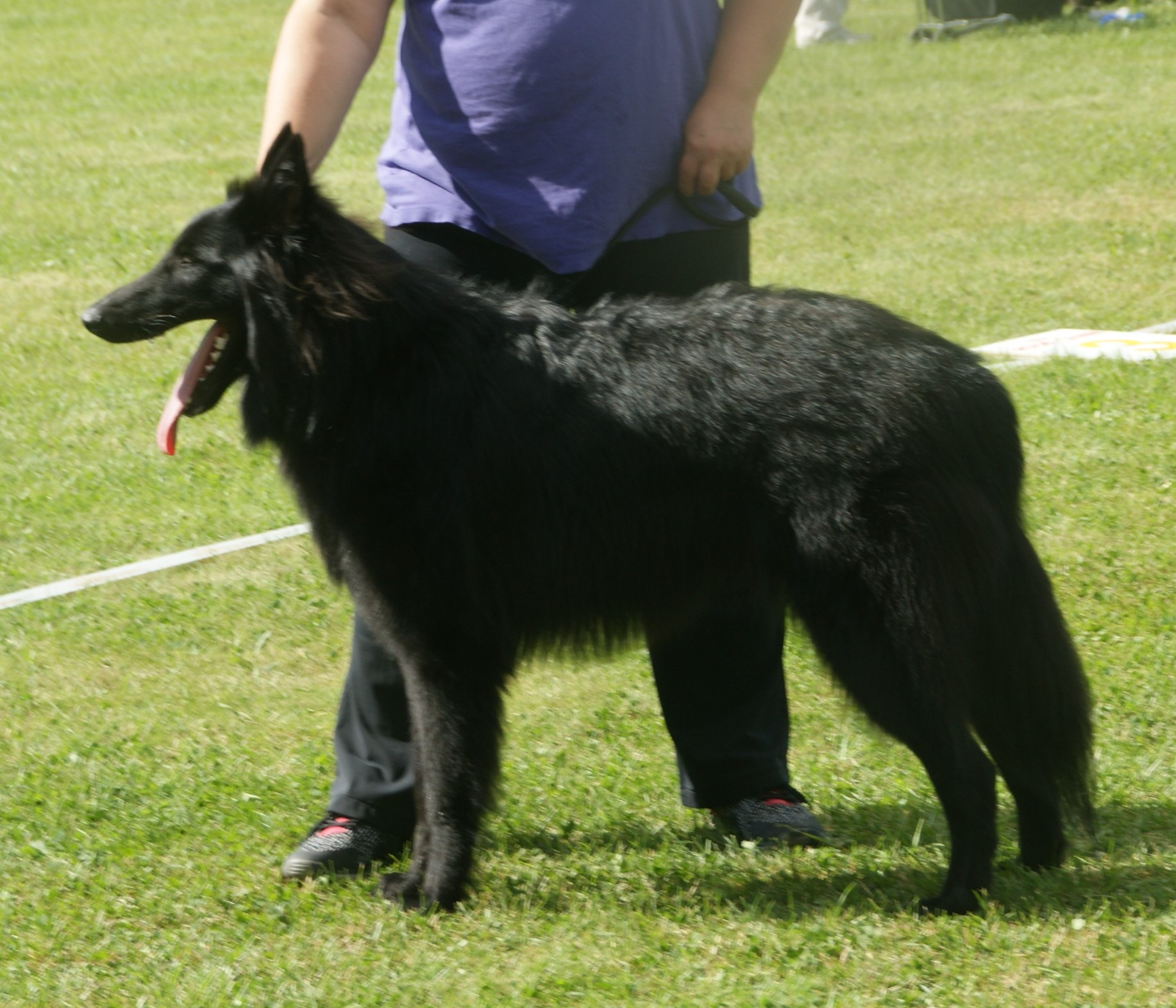
Source: Wikimedia Commons | License: CC BY-SA 3.0 | (1834×1572 px)

Source: Wikimedia Commons | License: CC BY-SA 3.0 | (1341×1434 px)
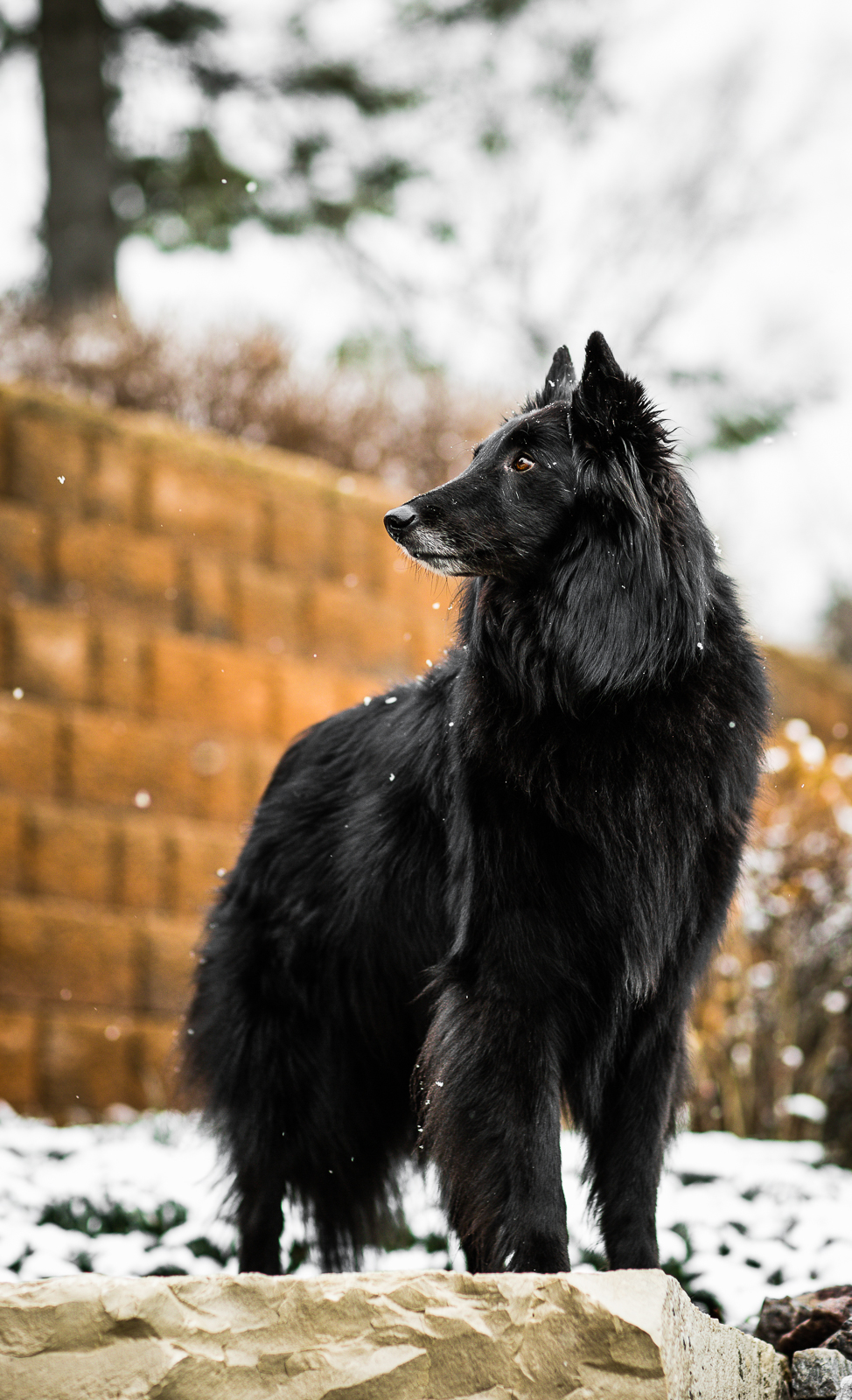
Source: Wikimedia Commons | License: CC BY-SA 3.0 | (974×1600 px)
Overall Conformation
- Body proportions: Square to slightly longer than tall; elegant, athletic build. Contrasts with the compact Bulldog and elongated Dachshund.
- Height: 22–26 inches at shoulder; medium-to-large size.
- Weight: 50–60 pounds; substantial musculature; athletic frame.
- General appearance: Elegant, athletic herding dog; alert expression; noble appearance.

Source: Wikimedia Commons | License: CC BY-SA 3.0 | (3872×2592 px)

Source: Wikimedia Commons | License: CC BY-SA 3.0 | (3000×4000 px)

Source: Wikimedia Commons | License: CC BY-SA 3.0 | (1280×857 px)
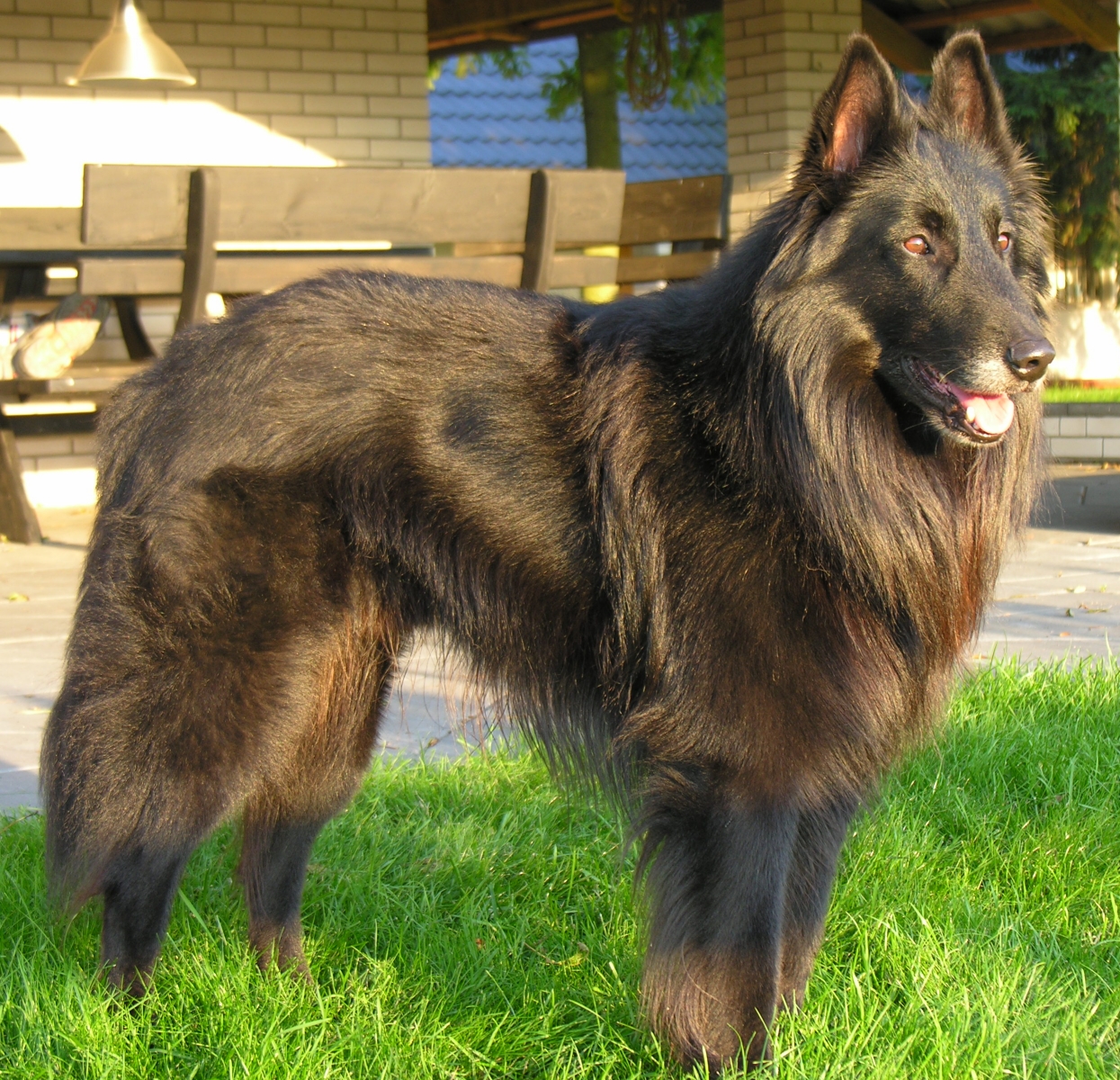
Source: Wikimedia Commons | License: CC BY-SA 3.0 | (1245×1200 px)
Distinctive Facial Characteristics
- Eyes: Medium-sized, almond-shaped, dark; intelligent, alert expression.
- Ears: Medium, triangular, erect; contrasts with pendant ears of the Beagle and Basset Hound.
- Muzzle: Long, slightly tapered; black nose; strong jaw structure.
- Expression: Alert, intelligent, devoted; contrasts with the gentle Rough Collie.
Coat Type
- Coat description: Long, straight, double coat; weather-resistant; protective undercoat.
- Length: 2–3 inches; feathering on tail, legs, ears.
- Grooming: 2–3 times weekly brushing; seasonal shedding. See our Cocker Spaniel grooming guide.

Source: Wikimedia Commons | License: CC BY-SA 3.0 | (5184×3456 px)

Source: Wikimedia Commons | License: CC BY-SA 3.0 | (403×500 px)

Source: Wikimedia Commons | License: CC BY-SA 3.0 | (567×600 px)
Distinctive Color & Pattern
Belgian Origins
- Geographic origin: Belgium; developed from diverse herding dogs in early 20th century.
- Historical development: Selective breeding from divergent types; three varieties initially bred true. See our Dalmatian historical encyclopedia.
- Functional purpose: Sheepherding and protection; Groenendael variety from Groenendael district of Belgium.
Modern Development
- Standardization: Late 19th/early 20th century; breed club establishment documented.
- Separate breed status: All Belgian varieties shown as one breed until AKC designated separate breeds in 1959.
- Contemporary roles: Herding; show dog; police, military, and SAR operations globally.
Personality
- Devoted nature: Loyal, devoted, protective; strong bonds with owners; alert temperament.
- Intelligence: Highly intelligent, quick-learning; responsive to training. Contrasts with independent Chow Chow and scent-driven Beagle.
- Alert demeanor: Watchful; protective instinct; natural guarding behavior.
Social Behavior
- Family orientation: Strong social bonds; good with children when socialized.
- Protective instinct: Reserved with strangers; parallels the Boxer.
- Socialization: Early, thorough socialization essential for balanced temperament.
Exercise Requirements
- Very high needs: 1.5–2 hours vigorous activity daily.
- Mental enrichment: Working activities; training; structured activities.
- Working drive: Natural drive for purposeful activity; herding instinct evident.
Working Specialization
- Exceptional ability: Outstanding herding, protection, police work; connects with Rough Collie and Tervuren.
- Herding methodology: Controlled herding; responsive to handler; methodical working behavior.
- Contemporary roles: Police, military, SAR; training applications; personal protection.
Police & Military
- Police work: Worldwide use; detection; apprehension; explosive detection.
- Military: Patrol; detection training; specialized operations.
- SAR: Tracking capability complementing Bloodhound and Black and Tan Coonhound.

Source: Wikimedia Commons | License: CC BY-SA 3.0 | (1224×1632 px)
Source: Wikimedia Commons | License: CC BY-SA 3.0 | (3872×2592 px)
Dimorphism Characteristics
- Males: Larger frame; more muscular; heavier bone; prominent masculinity.
- Females: Smaller; more refined; lighter bone; graceful lines.
- Standards: Males typically larger; dimorphism less pronounced than some breeds; both equally capable.

Source: Wikimedia Commons | License: CC BY-SA 3.0 | (2240×1500 px)
Growth & Development
- Growth rate: Fast; adult size by 12–15 months; maturation to 18 months. See our Dalmatian puppies guide.
- Socialization: Critical window 3–12 weeks; diverse experiences essential.
- Training: Early training beneficial; herding instinct develops naturally during play.

Source: Wikimedia Commons | License: CC BY-SA 3.0 | (3228×2220 px)
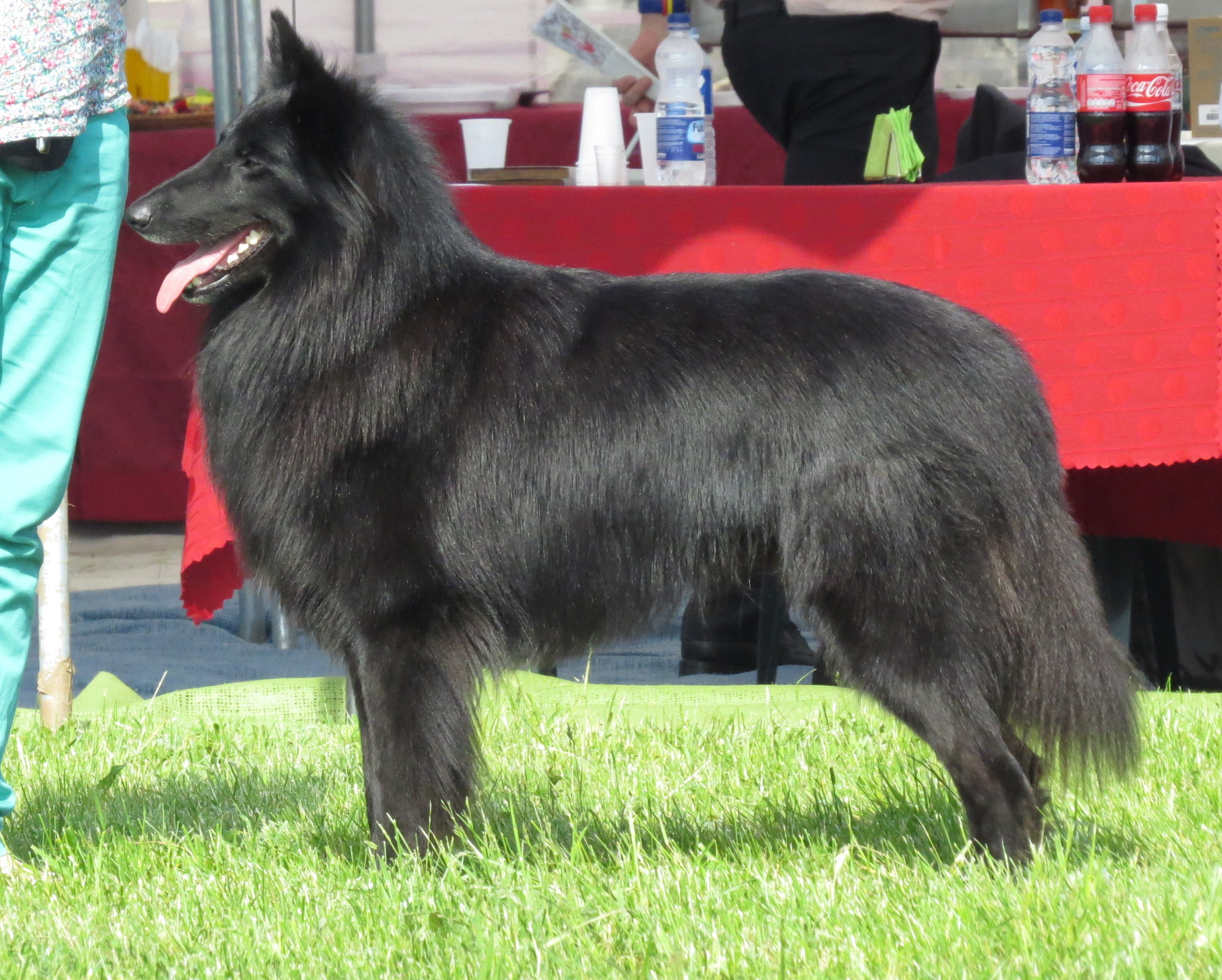
Source: Wikimedia Commons | License: CC BY-SA 3.0 | (2072×1662 px)
Behavioral Characteristics
- Alert vigilance: Constantly alert; watchful; protective instinct evident.
- Working focus: Natural task focus; responsive to handler direction.
- Adaptation: Outdoor environments; varied terrain. Contrasts with home-oriented Chihuahua and Brussels Griffon.
Source: Wikimedia Commons | License: CC BY-SA 3.0 | (1245×1200 px)
Source: Wikimedia Commons | License: CC BY-SA 3.0 | (1224×1632 px)
Source: Wikimedia Commons | License: CC BY-SA 3.0 | (567×600 px)

Source: Wikimedia Commons | License: CC BY 2.0 | (1656×1104 px)
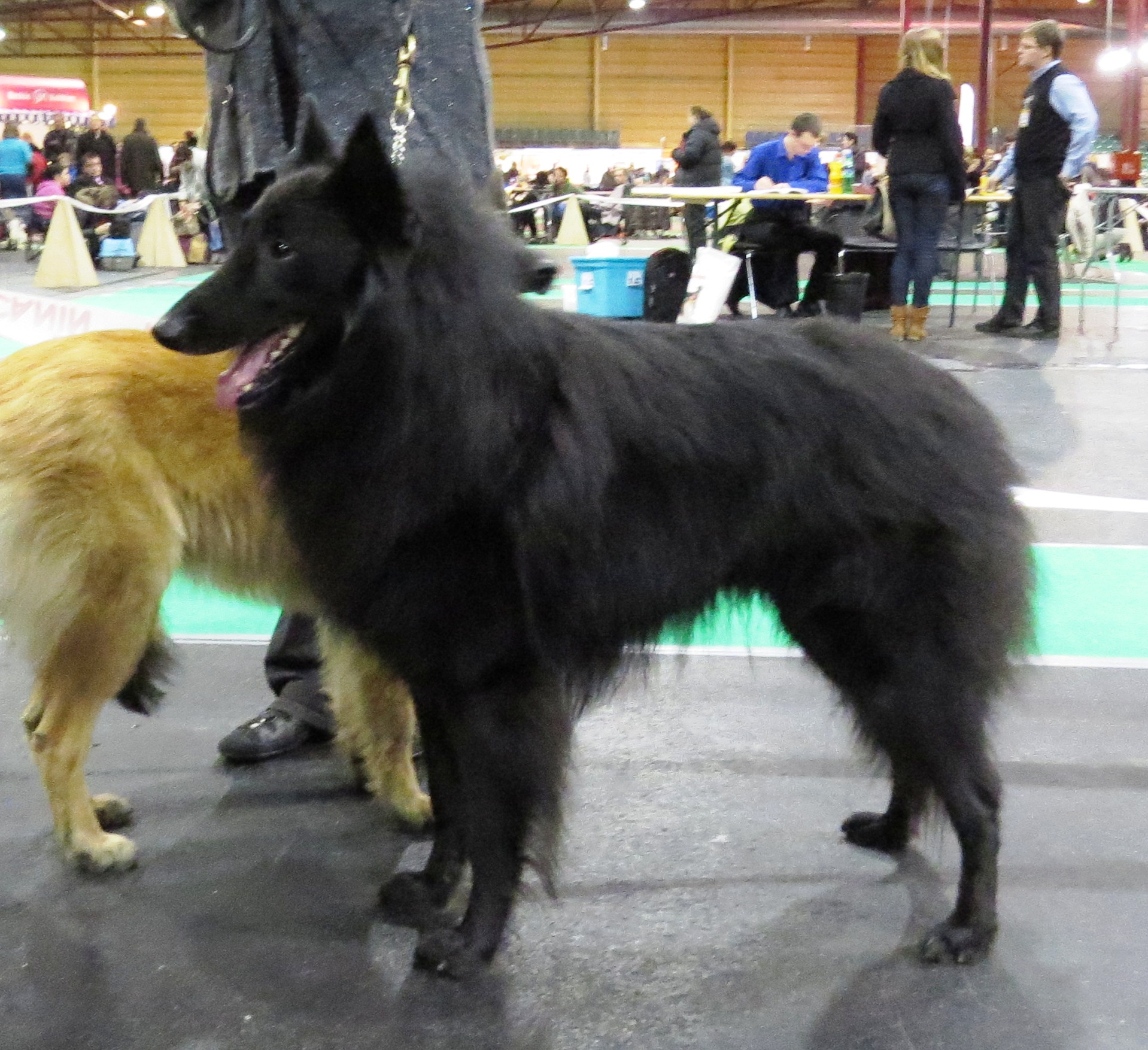
Source: Wikimedia Commons | License: CC BY-SA 3.0 | (1918×1754 px)
Championship Records
- Show success: Major conformation shows; international championship records. See Dalmatian show dogs.
- International: Strong European presence; CACIB competitions; wins across continents.
- Herding trials: Active participation; performance documentation in breed-specific events.

Source: Wikimedia Commons | License: CC BY-SA 3.0 | (1079×1184 px)
Variety Distinctions
- Groenendael: All-black long coat; featured in this encyclopedia.
- Tervuren: Black with fawn/red long coat. See Tervuren encyclopedia.
- Malinois: Fawn/red short coat; preferred for police/military.
- Laekenois: Fawn/red rough/wiry coat; less common variety.

Source: Wikimedia Commons | License: CC BY-SA 3.0 | (756×800 px)

Source: Wikimedia Commons | License: CC BY 2.0 | (2048×2032 px)
Source: Wikimedia Commons | License: CC BY-SA 3.0 | (1918×1754 px)
Source: Wikimedia Commons | License: CC BY-SA 3.0 | (2072×1662 px)
Source: Wikimedia Commons | License: CC BY-SA 3.0 | (3228×2220 px)
Global Presence
- Europe: Popular in Belgium, France, Germany, Scandinavia.
- North America: Established in US and Canada; active breeding programs.
- Worldwide: Police, military, SAR operations; international breed clubs.
Breed-Specific Health Issues
- Hip dysplasia: Genetic predisposition; OFA screening recommended.
- Elbow dysplasia: Joint developmental condition; screening established.
- Thyroid disease: Hypothyroidism documented; screening available.
- PRA: Progressive retinal atrophy documented; genetic testing available.
Health Management
- Preventive care: Regular veterinary exams; vaccinations; orthopedic screening.
- Coat care: Regular brushing prevents matting; skin health monitoring.
- Health screening: OFA evaluations; genetic testing; ophthalmologic exams. See Cocker Spaniel health guide.
Lifespan
- Life expectancy: 12–14 years with proper care, diet, and exercise.
- Active lifestyle: Regular exercise and mental enrichment important for longevity.
Responsible Practices
- Health screening: Comprehensive screening before breeding decisions.
- Genetic diversity: Inbreeding coefficient awareness; pedigree analysis.
- Temperament: Selection for stable, trainable temperament; early socialization.
Program Development
- Championship breeding: Selective pairing; multi-generational planning.
- Working capability: Emphasis on herding and working lines.
- Variety maintenance: Preserving all-black Groenendael distinctiveness.
Daily Care
- Exercise: 1.5–2 hours daily vigorous exercise.
- Coat maintenance: 2–3 times weekly brushing; professional grooming beneficial. See Cocker Spaniel grooming guide.
- Mental enrichment: Training sessions; structured activities essential.
Housing & Environment
- Space: Fenced yard ideal; apartment challenging. For smaller breeds: Chihuahua or Brussels Griffon.
- Climate: Double coat protection; hot weather caution. Cold-climate: Alaskan Malamute.
- Social: Consistent human interaction; strong family bonds essential.
Training
- Socialization: Thorough early socialization essential.
- Method: Positive reinforcement; consistent training; working drive aids training.
- Owner requirements: Experienced, active owners; dedicated exercise commitment.
1. What is the Belgian Sheepdog (Groenendael)?
The Belgian Sheepdog (Groenendael) is the all-black variety of the Belgian Shepherd Dog, originating in Belgium as a herding and protection dog, now recognized as a separate breed by the AKC.
2. What distinguishes Groenendael from other Belgian Shepherd varieties?
Coat characteristics: Groenendael = all-black long coat; Tervuren = black with fawn long coat; Malinois = fawn short coat; Laekenois = fawn rough coat. All share similar working ability.
3. How much exercise do they need?
1.5–2 hours of daily vigorous exercise with mental enrichment, training, and purposeful activity.
4. Are they good family pets?
Yes, with experienced owners providing substantial exercise, consistent training, and early socialization. Best suited to active families.
5. What are the main health concerns?
Hip dysplasia, elbow dysplasia, thyroid disease, and progressive retinal atrophy. Reputable breeders screen for these.
6. How much grooming do they need?
2–3 times weekly brushing essential; professional grooming beneficial; heavy seasonal shedding requires extra attention.
7. Are they suitable for apartment living?
Challenging without substantial daily exercise. A fenced yard is ideal.
8. Why were Belgian varieties separated into different breeds?
All varieties shown as one breed until 1959 when the AKC designated separate breeds based on distinct coat and color characteristics.
9. What is their lifespan?
12–14 years with proper care, nutrition, exercise, and regular veterinary attention.
10. Are they used in police and military work?
Yes, extensively in police, military, and search-and-rescue operations worldwide due to intelligence, loyalty, and working ability.
- Educational in nature; reflects current breed documentation as of March 2026.
- Breed standard info based on AKC and FCI official standards.
- All 29+ images sourced from Wikimedia Commons with open licenses (CC BY-SA, CC BY, CC0).
- Health information for general knowledge; consult veterinary professionals for specific concerns.
- Based on The Columbia Encyclopedia, 6th ed., and breed club documentation.
Primary References
- Encyclopedia Source: The Columbia Encyclopedia, 6th ed.; The Columbia University Press
- Breed Standards: AKC Official Belgian Sheepdog Standard; FCI Group 1 Standard
- Health Research: OFA hip/elbow dysplasia studies; genetic health registries
- Working Dog Research: Police/military working dog studies; herding capability research
Copyright Compliance
This encyclopedia uses exclusively Wikimedia Commons images with CC BY-SA, CC BY, or CC0 licensing. Every image includes caption, source, license, dimensions, and usage notes for full copyright compliance.
© 2026 – Encyclopedia.guru – Belgian Sheepdog (Groenendael) Breed Encyclopedia (Canis familiaris)
29+ Wikimedia Commons images | Written by Encyclopedia.guru Expert Writing Team | Updated: 2 March 2026