🐱 Encyclopedia of American Shorthair Cat (Felis catus)
Comprehensive breed encyclopedia: American Shorthair as North America’s classic working housecat, descended from European ship cats, renowned silver classic tabby pattern, sturdy build, balanced temperament, and full health and care documentation.
✏️ Written by the Encyclopedia.guru Expert Writing Team | Last Updated: March 24, 2026 | Reviewed by Certified Feline Specialists

The American Shorthair is one of North America’s most enduring and recognizable cat breeds, descended from the rugged working shorthairs that traveled on ships from Europe to the New World and then spread across farms, warehouses, and homes as powerful, dependable mousers. Over generations, these cats were selectively bred for strong bodies, disease resistance, and calm, people-friendly temperaments, eventually becoming the pedigreed American Shorthair we know today, officially named as such by CFA in 1966 to distinguish it from random-bred domestic shorthairs.
Best known for its iconic silver classic tabby pattern — a clear silver background with bold black bull’s-eye markings — the American Shorthair actually comes in dozens of colors and patterns, all wearing the same short, dense, protective coat that harkens back to its working origins. With a medium-to-large, muscular build, round head, full cheeks, and large round eyes, it presents an open, gentle expression that mirrors its calm, easygoing, and adaptable nature. This combination of beauty, robustness, and stable temperament has made the American Shorthair a benchmark “all-purpose family cat” in North America.
- Founding working cat of North America: American Shorthairs descend from European ship cats that protected early settlers’ food stores from rodents; they became the classic barn and house cat across the United States and Canada.
- Formerly called Domestic Shorthair in CFA: Until 1966, CFA registered selectively bred American Shorthairs under the name Domestic Shorthair; the name change to American Shorthair emphasized its status as a distinct, pedigreed breed.
- Silver classic tabby icon: The silver classic tabby with bold black swirls is the most recognizable color of the breed and is often used in CFA promotional materials and advertisements for cat food and products.
- Balanced temperament: American Shorthairs are famous for being neither too active nor too sedentary; they enjoy play and interaction but are also content to relax quietly, making them very adaptable to different home environments.
- Robust health: With a broad foundation from random-bred working cats, the breed is generally hardy and long-lived, with many individuals reaching their mid-to-late teens when well cared for.
- Family-friendly reputation: The American Shorthair has long been marketed as an ideal family companion, tolerant of children, accepting of other pets, and easy to care for thanks to its short coat and steady temperament.
The American Shorthair represents the refined, pedigreed version of the traditional American working housecat. Rather than being invented by crossing exotic breeds, it was shaped by centuries of natural selection on farms, ships, and homesteads, where only the healthiest, strongest, and most effective hunters thrived. Modern breeders then focused this genetic legacy into a consistent breed standard emphasizing health, structure, and temperament.

CC BY 2.0 • 3,264×4,928 px (10.3 MB) • Author: Lisa Campeau • Brown classic tabby

CC BY 2.0 • 2,611×2,612 px (5.1 MB) • Brown classic tabby in garden
Unique Position in the Cat Fancy
- Authentic working background: Unlike many modern designer breeds, the American Shorthair’s roots lie in real-world work as a vermin controller, giving it a reputation for intelligence, practicality, and robustness.
- National symbol: The breed has been featured in advertising, books, and even postage stamps (such as the 2007 Ukrainian stamp featuring an American Shorthair) as the archetypal shorthair cat.
- Foundation CFA breed: In the Cat Fanciers’ Association, the American Shorthair is regarded as a cornerstone American breed, consistently ranking among the more popular pedigreed cats in North America.
Systematic Classification
| Taxonomic Rank | Classification |
|---|---|
| Kingdom | Animalia |
| Phylum | Chordata |
| Class | Mammalia |
| Order | Carnivora |
| Family | Felidae |
| Genus | Felis |
| Species | F. catus |
| Breed | American Shorthair |
| Origin region | North America (from European shorthairs) |
| Historic CFA name | Domestic Shorthair (until 1966) |
| Current CFA name | American Shorthair |
| Fur type | Short, dense, even coat |
Breed vs. Random-Bred Domestic Shorthair
- Pedigreed structure: The American Shorthair is a pedigreed breed with a written standard, controlled matings, and documented ancestry, whereas “domestic shorthair” typically refers to random-bred shorthaired cats of mixed origin.
- Consistent type: Selective breeding has produced a consistent body type, head shape, and coat quality in American Shorthairs, setting them apart from more variable domestic shorthairs.
- Similar roots, different refinement: Both groups trace back to similar working cats, but the American Shorthair represents the refined, show-quality branch of that heritage.
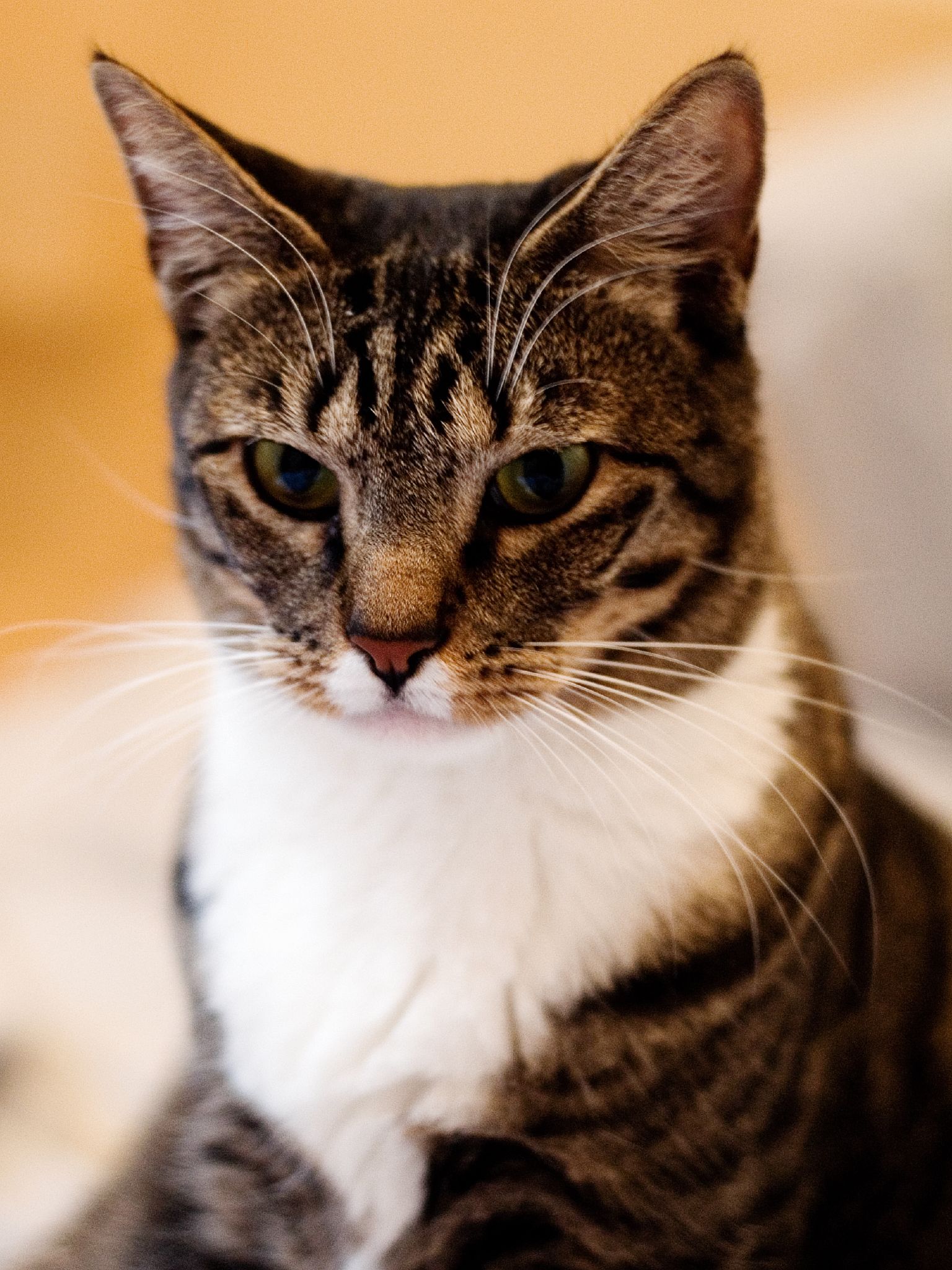
CC-licensed • 1,536×2,048 px (493 KB) • Silver tabby American Shorthair
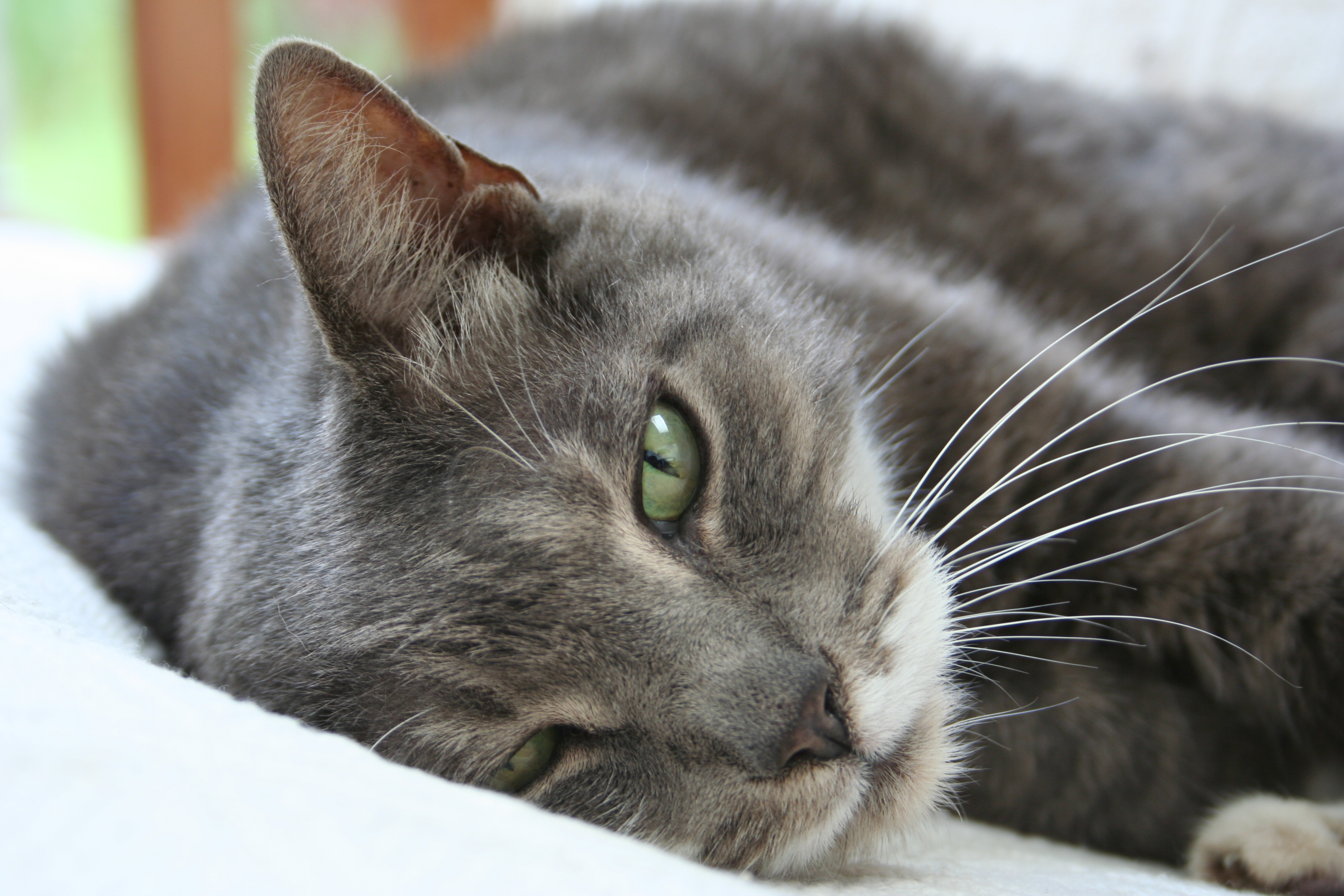
Free-licensed • 3,456×2,304 px (2.8 MB) • Robust working build

CC BY-SA 4.0 • 3,024×4,032 px (555 KB) • Indoor American Shorthair
CFA Breed Standard Summary
| Feature | Standard Description |
|---|---|
| Body | Medium-to-large, powerful, well-balanced; broad chest; level back; shoulders and hips of equal width; not extreme in any direction. |
| Head | Large, broad, with full cheeks; slightly longer than wide; smooth contours; gently curved profile; strong muzzle, but not snub-nosed. |
| Ears | Medium size, slightly rounded tips; set well apart; not overly large or small; upright and alert. |
| Eyes | Large, round, wide-set; bright and expressive; color appropriate to coat (e.g., green in many tabbies, gold or copper in others). |
| Legs & Feet | Medium length, strong, and muscular; feet round and firm. |
| Tail | Medium length, thick at base, tapering slightly to rounded tip; in proportion to body. |
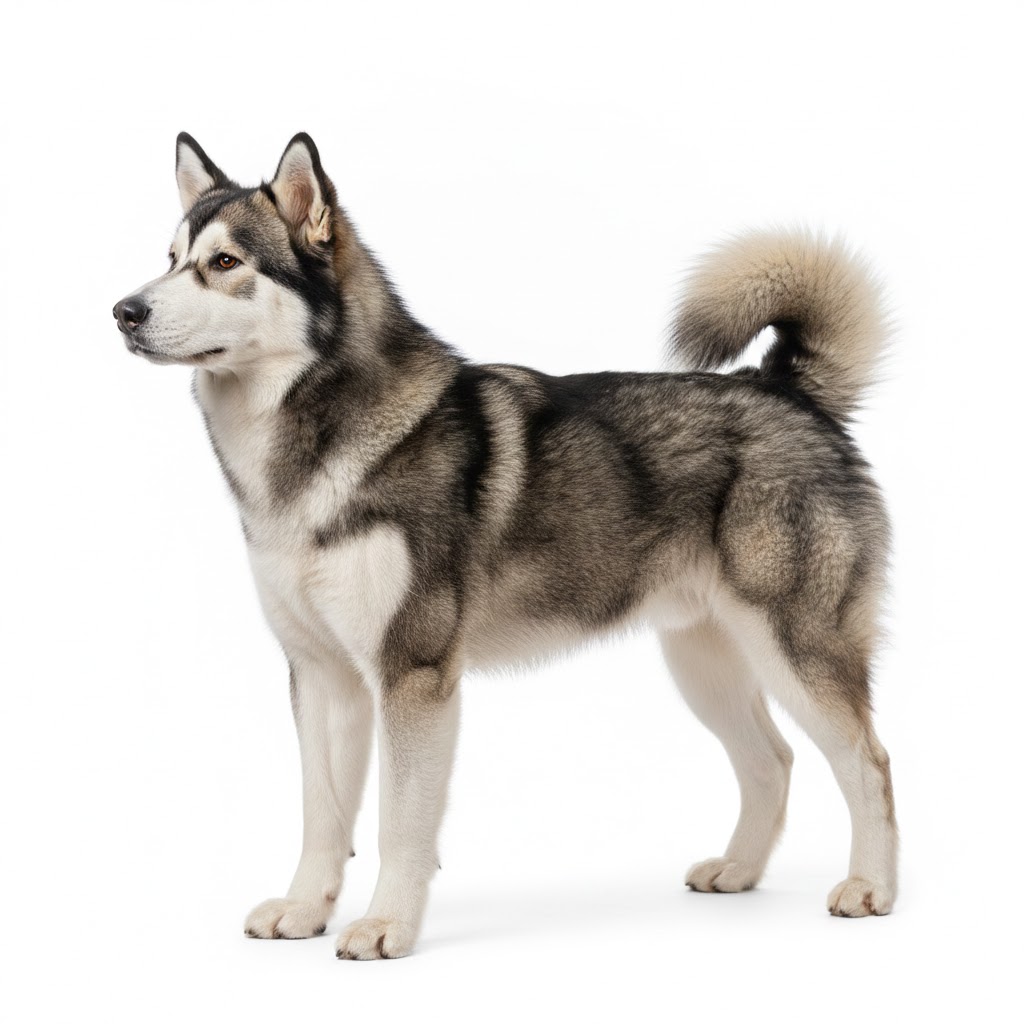
| Coat | Short, dense, even; hard enough to be protective, yet not bristly; lies close to body; seasonal density variations allowed. |
| Colors & patterns | All colors and patterns recognized; silver classic tabby is strongly associated with the breed but not required. |
| Overall impression | A powerful, alert, and healthy working cat adapted to domestic life, with no extremes in any feature. |

CC BY-SA 1.0 • 4,288×2,848 px (5.0 MB) • MP American Shorthair sleeping

CC-licensed • 2,304×1,728 px (681 KB) • Cat and rabbit together
Historic Working Cat Functions
- Shipboard mouser: Early settlers relied on shorthair cats aboard wooden sailing ships to protect grain and supplies from rodents during long Atlantic crossings.
- Farm and barn cat: Once ashore, these cats became indispensable barn, granary, and warehouse guardians, reducing losses from rats and mice and protecting food storage.
- Urban pest controller: In towns and cities, American Shorthairs worked in shops, mills, and homes, keeping vermin populations under control in an era before modern pest control methods.
From Worker to Companion
Although most modern American Shorthairs live as indoor companions, they retain the strong hunting instincts, alertness, and problem-solving abilities of their working ancestors. Many enjoy puzzle toys, interactive play that simulates hunting, and watching outdoor wildlife from secure windows or catios. Their calm confidence and adaptability make them just as suited to a quiet apartment as to a busy family home.
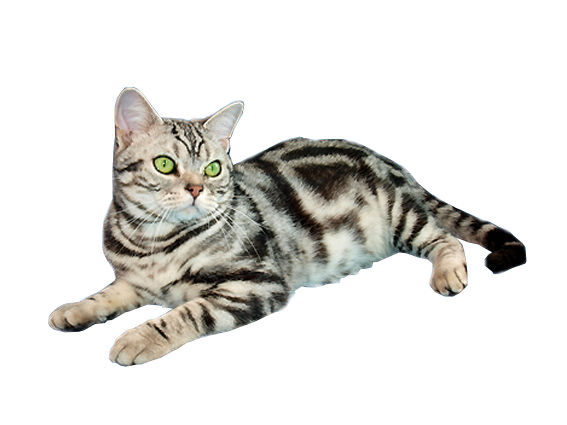
CC BY-SA 3.0 • 567×425 px (41 KB) • Full body, neutral background

CC BY 2.0 • 2,560×1,920 px (2.1 MB) • Classic bull’s-eye tabby pattern

Free-licensed • 550×413 px • Blue silver American Shorthair
Coat Features
| Coat Attribute | Description |
|---|---|
| Length | Short and even across the body; slightly longer guard hairs over back and tail. |
| Texture | Dense, resilient, and protective; not silky or sparse; designed to shed water and resist minor scratches. |
| Undercoat | Fairly thick undercoat that increases in winter; sheds seasonally, especially in spring. |
| Colors & patterns | Wide range including classic, mackerel, spotted, and ticked tabbies; solids; smokes; silvers; bi-colors; and more. The silver classic tabby remains the best-known. |
| Grooming needs | Low; weekly brushing usually sufficient, with extra brushing during heavy sheds. |

CC BY-SA 3.0 • 2,136×3,216 px (4.3 MB) • Elderly but healthy female

Free-licensed • 1,307×1,172 px (118 KB) • National-level recognition
Timeline Overview
| Period | Key Development |
|---|---|
| 1600s–1700s | European sailors bring sturdy shorthair cats aboard ships to the American colonies; cats disembark and establish populations around ports and settlements. |
| 1800s | Working shorthairs become ubiquitous across North America as barn, warehouse, and house cats, valued primarily for pest control. |
| Early 1900s | Cat fanciers begin exhibiting high-quality working shorthairs at cat shows; CFA registers them under the name Domestic Shorthair. |
| Mid-1900s | Selective breeding intensifies to refine type: rounder head, denser coat, strong body, and consistent patterns (especially silvers). |
| 1966 | CFA officially renames the breed from Domestic Shorthair to American Shorthair to emphasize its status as a pedigreed American breed rather than any random-bred domestic shorthair. |
| Late 1900s–2000s | Breed gains steady popularity as a reliable family cat; TICA and other registries recognize it; international export spreads the breed worldwide. |
| Today | Recognized globally as an established, healthy, and versatile companion cat; used in some breeding programs to strengthen health and temperament in related lines. |
Recognition Status (2026)
| Registry | Status | Notes |
|---|---|---|
| CFA (Cat Fanciers’ Assoc.) | Full Championship | One of the oldest CFA breeds; cornerstone American breed; renamed from Domestic Shorthair in 1966. |
| TICA (The International Cat Assoc.) | Full Championship | Shown in championship across TICA regions; recognized as American Shorthair. |
| ACFA, CCA, WCF | Recognized | Accepted for championship competition in multiple additional registries. |
| FIFe | Limited/Varies | Some silver tabby working-type cats appear in European registries, but American Shorthair is less common in FIFe than in CFA/TICA. |

CC BY-SA 2.0 • 2,430×2,424 px (1.7 MB)

CC BY-SA 2.0 • 2,094×1,674 px (794 KB)
Temperament Profile
| Trait | Level | Notes |
|---|---|---|
| Playfulness | Moderate | Enjoys play but not hyperactive; good balance for family life. |
| Affection | High | Likes to be near people without being clingy. |
| Kid-friendly | High | Generally patient and tolerant with respectful children. |
| Other cats | High | Adapts well, especially if introduced properly. |
| Dog compatibility | High | Often does well with cat-friendly dogs. |
| Vocalization | Low-Moderate | Usually quiet, with occasional meows. |
| Independence | Moderate-High | Can entertain itself when alone but enjoys interaction. |
| Adaptability | Very High | Handles changes in routine and environment well. |

CC BY-SA 4.0 • 1,908×1,062 px (182 KB)

CC BY-SA 4.0 • 1,649×928 px (171 KB)

Free-licensed • 545×409 px (35 KB)
As indoor companions, American Shorthairs typically thrive on a combination of moderate playtime, human contact, and independent rest. They appreciate sturdy scratching posts, window perches, and interactive toys, but they do not demand constant attention. Their history as working cats means they enjoy having “jobs” such as monitoring window views or “guarding” favorite spots in the home.

Free-licensed • 640×480 px (109 KB) • Domestic cream-colored kitten

CC BY-SA 3.0 • 567×425 px (192 KB)

CC BY-SA 2.0 • 3,456×5,184 px (9.2 MB)
Typical Development
- Birth to 8 weeks: Kittens grow rapidly, developing coordination and social skills; early human handling leads to friendlier adults.
- 8–16 weeks: Ideal age range for adoption; kittens learn boundaries from littermates and mother; vaccinations commence.
- 4–12 months: Adolescence; high play drive; bodies lengthen and muscles develop; some males become noticeably larger.
- 1–3 years: Full physical maturity; muscular build and coat density fully expressed.
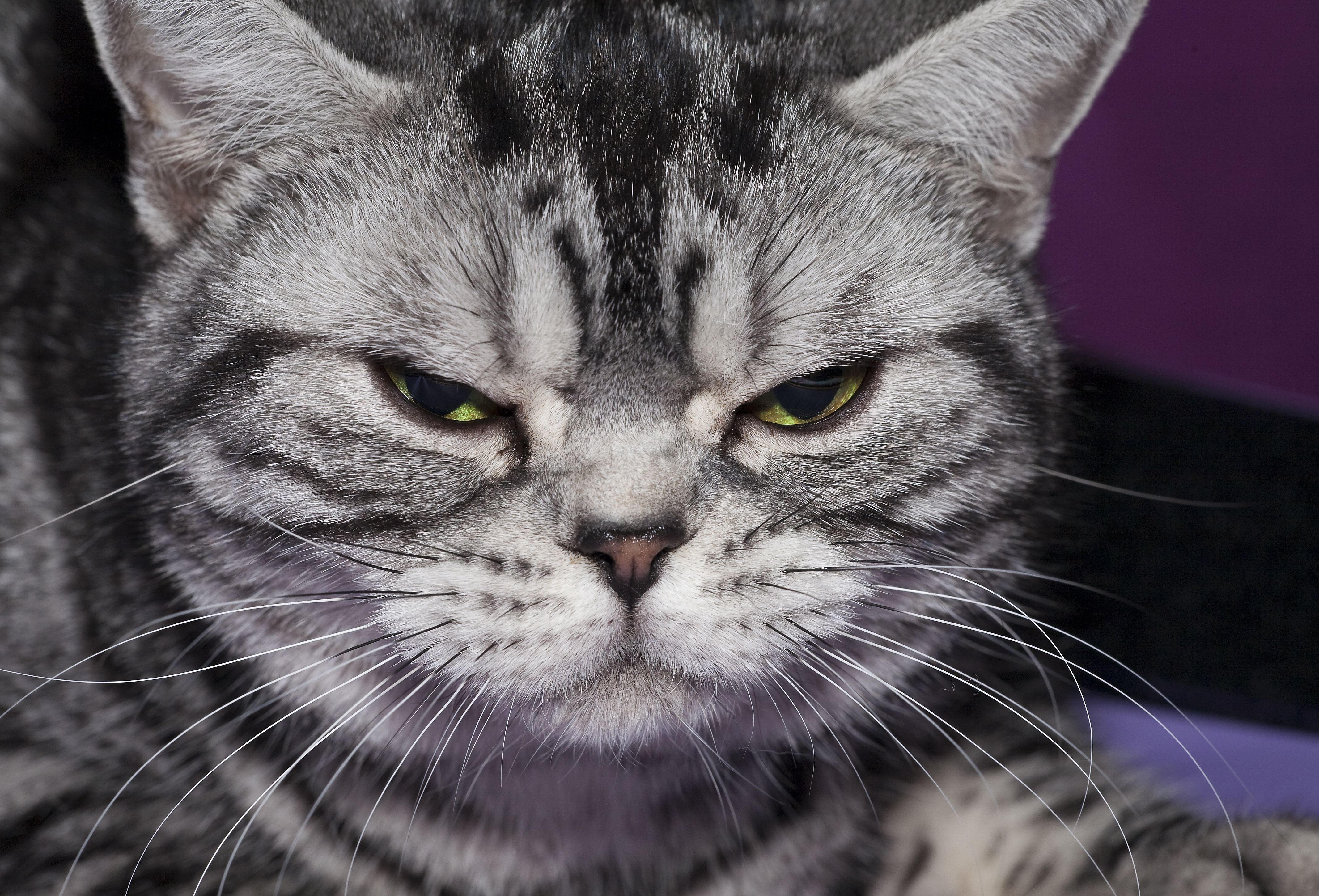
CC BY-SA 2.0 • 4,268×2,900 px (9.0 MB) • Photo: Nickolas Titkov

CC BY-SA 2.0 • 4,341×2,912 px (12.7 MB)

CC BY-SA 2.0 • 4,341×2,912 px (9.3 MB)

CC BY 3.0 • 543×920 px (181 KB)

Free-licensed • 1,240×1,290 px
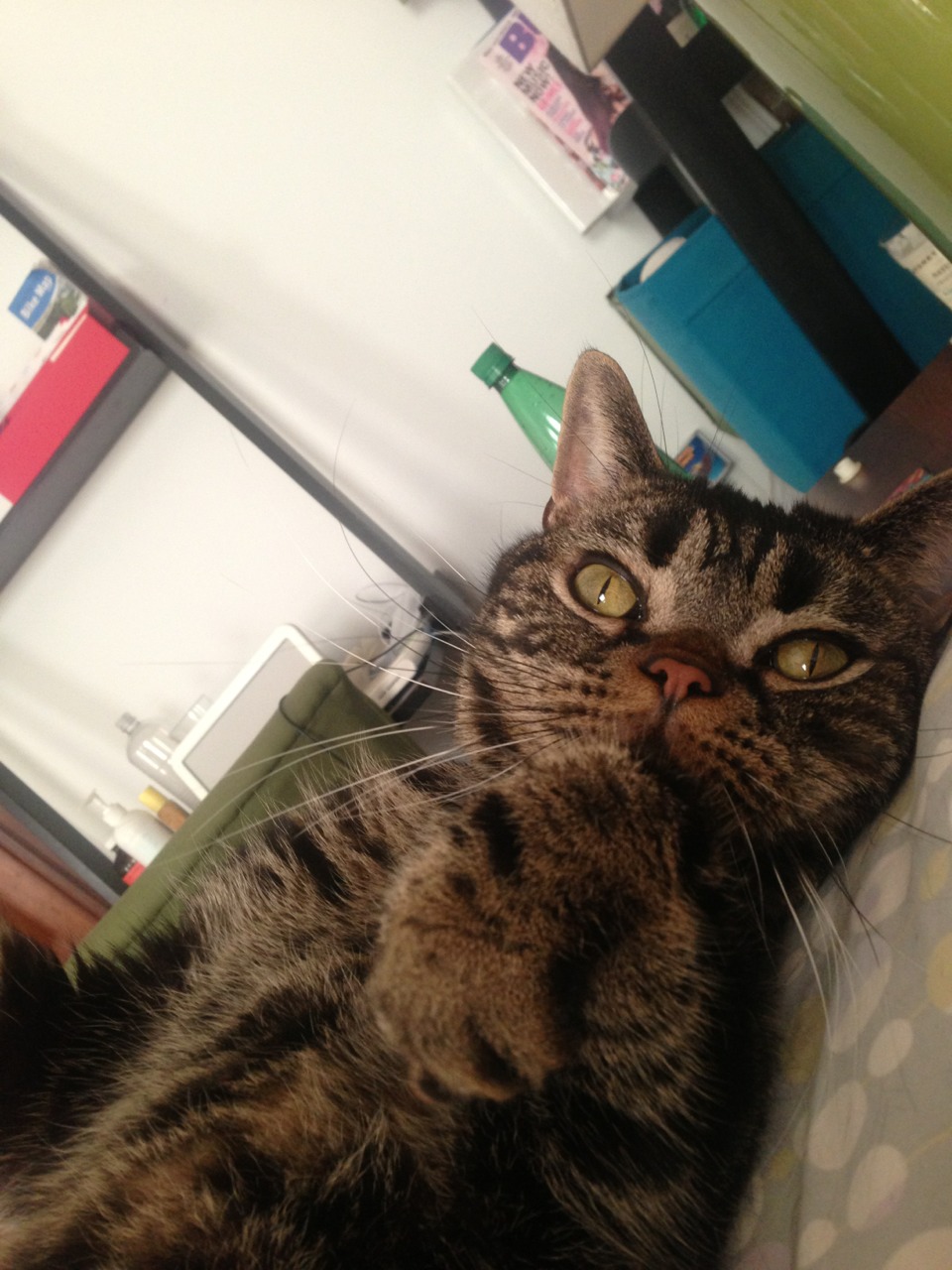
Free-licensed • 960×1,280 px (240 KB)
Show Judging Focus
- Balance and proportion: Judges look for a balanced, moderate conformation without extremes, reflecting the breed’s working heritage.
- Coat pattern clarity: In patterned cats (especially classic tabbies), the sharpness and contrast of markings are important points in evaluation.
- Condition: Because of the breed’s history, good muscle tone, healthy weight, and glossy coat are highly valued in the ring.
General Health Profile
Thanks to its origin as a naturally evolved working cat, the American Shorthair is generally considered a healthy, robust, and long-lived breed. Responsible breeders maintain genetic diversity and perform recommended health screenings.
| Health Aspect | Notes |
|---|---|
| Lifespan | Frequently 15+ years with good care; some individuals reach late teens. |
| HCM (Hypertrophic Cardiomyopathy) | Present at background feline levels; cardiac screening by echocardiogram is recommended for breeding cats. |
| Obesity | Moderate risk if overfed and under-exercised; strong appetite and stocky build make portion control important. |
| Dental disease | As with many cats, dental tartar and gingivitis can develop; regular dental care advised. |
| Hereditary issues | No widespread, severe hereditary disorders uniquely tied to the breed; robustness is a hallmark. |
American Shorthair breeding programs focus on maintaining the breed’s moderate type, strong health, classic patterns, and steady temperament. Outcrosses are typically restricted to preserve these traits, while careful selection prevents inbreeding.
- Selection priorities: Strong bodies, clear coat patterns (especially in tabbies), dense protective coat, and friendly, stable personalities.
- Health screening: Heart screening for HCM, general veterinary checks, and avoiding lines with known problems.
- Temperament: Cats with nervous, aggressive, or overly shy behavior are excluded from breeding in serious programs.

CC BY-SA 2.0 • 3,456×5,184 px (4.25 MB)

Free-licensed • 227×238 px (10 KB)
Daily Care
- Grooming: Brush once a week (more during heavy shedding seasons) to remove loose hair and reduce hairballs.
- Nutrition: Feed a high-quality, balanced diet; monitor portions to prevent obesity, especially in neutered adults.
- Exercise: Provide daily play sessions with wand toys, balls, and interactive puzzles to satisfy hunting instincts.
- Veterinary care: Annual checkups, core vaccinations, parasite prevention, and dental monitoring.
1. What is the American Shorthair cat?
A pedigreed descendant of North America’s traditional working shorthair cats: medium-to-large, muscular, short-coated, and even-tempered, known for its silver tabby icon and all-around family suitability.
2. Where did the American Shorthair come from?
From European ship cats brought to the American colonies, refined over time by cat fanciers and officially named American Shorthair by CFA in 1966.
3. What does an American Shorthair look like?
Strong rectangular body, broad chest, large round head with full cheeks, large round eyes, and a short, dense, protective coat. Many are tabby, especially silver classic tabbies.
4. Is the American Shorthair recognized by major cat registries?
Yes — it is a long-established championship breed in CFA and is also recognized in TICA, ACFA, CCA, and other registries.
5. What is the American Shorthair’s temperament?
Calm, friendly, adaptable, and playful without being overactive; often described as a “good all-round family cat”.
6. Are American Shorthair cats healthy?
Yes, generally very healthy and robust, with no severe, breed-specific disorders widely associated with the breed; routine vet care and sensible breeding practices keep them in good condition.
7. How big do they get?
Males usually 11–15 lbs (5–7 kg), females 8–12 lbs (3.5–5.5 kg), with strong muscles and solid bone.
8. Are they good indoor cats?
Yes. American Shorthairs adapt extremely well to indoor life, provided they receive interactive play and environmental enrichment.
9. Do American Shorthairs shed a lot?
They shed moderately, with heavier sheds in spring and autumn; weekly brushing is usually enough to manage shedding and maintain coat health.
10. How do you care for an American Shorthair?
Weekly brushing, portion-controlled diet, regular play, scratching posts, routine vet visits, and plenty of companionship will keep most American Shorthairs healthy and happy.
Explore our trusted network of partner websites covering local directories, encyclopedias, marketplaces, quizzes, finance, education, health, and more across Indonesia and internationally.
- This encyclopedia is for educational purposes and summarizes widely accepted information about the American Shorthair as of March 2026.
- All images are sourced from Wikimedia Commons MediaSearch (“American Shorthair cat”) and are either explicitly tagged as American Shorthair or as domestic shorthair cats aligned with the breed type, using open licenses (CC BY, CC BY-SA, CC BY-SA 4.0, GFDL, or similar).
- Health and care information do not replace individual veterinary advice; always consult a qualified veterinarian for specific cats.
- Registry recognition details can evolve over time; consult current registry standards for the most up-to-date status.
Image Attribution Summary (Selected American Shorthair-Related Images)
- American_shorthair_in_french_garden.JPG • CC BY-SA 3.0 • American Shorthair in a French garden • Author: Ianaré Sévi.
- American_shorthair_cat_Portrait.jpg • CC BY 2.0 • Full-body portrait of brown classic tabby American Shorthair • Author: Lisa Campeau.
- American_shorthair_cat_Portrait_(cropped).jpg • CC BY 2.0 • Cropped head portrait of brown classic tabby American Shorthair.
- American_Shorthair.jpg • Free-licensed • Portrait American Shorthair, silver tabby.
- AmericanShorthairCat.JPG • Free-licensed • Full-body American Shorthair sitting.
- American_shorthair_housecat.jpg • CC BY-SA 4.0 • Indoor American Shorthair housecat.
- American_Shorthair_Fond_Blanc.jpg • CC BY-SA 3.0 • American Shorthair on white background.
- American_shorthair_blotched_tabby.jpg • CC BY 2.0 • Brown classic tabby American Shorthair.
- BlueSilverAmSH.JPG • Free-licensed • Blue silver American Shorthair.
- Black_tabby_American_Shorthair_cat_head.jpg • CC BY-SA 2.0 • Head shot of black tabby American Shorthair female.
- In_Awe_(8305613603).jpg • CC BY-SA 2.0 • American Shorthair looking up.
- MP_American_Shorthair_sleeping.jpg • CC BY-SA 1.0 • Sleeping American Shorthair.
- 14_years_old_american_shorthair.jpg • CC BY-SA 3.0 • Elderly female American Shorthair (14 years old).
- Stamp_of_Ukraine_s829.jpg • Free-licensed • 2007 Ukrainian stamp featuring American Shorthair cat.
- Choro_(6941072057).jpg • CC BY-SA 2.0 • Black tabby American Shorthair female Choro.
- Its_shiny_but_Im_SLEEPY!!_(6165208962).jpg • CC BY-SA 2.0 • Black tabby American Shorthair female relaxing.
- Domestic_cats;.jpg • CC BY-SA 4.0 • Domestic American Shorthair-type young male.
- KismetBlackCatInSun.jpg • Free-licensed • Black American Shorthair in sun.
- Scully_the_Cat.jpg • CC BY-SA 4.0 • Domestic American Shorthair-type cat sleeping.
- Cat_and_rabbit_sitting_together.jpg • CC BY-SA • American Shorthair sitting with rabbit.
- American_Shorthair_Cream_Colored_Kitten_128.jpg • Free-licensed • Cream-colored American Shorthair kitten.
- Jewelkatz_Romeo_Of_Stalker-Bars.jpg • CC BY-SA 3.0 • Young American Shorthair show cat.
- ASH_Russeller’s_Cleopatra_of_Solid_Fold_(4496229769/4496943328/4496949460/4496955956).jpg • CC BY-SA 2.0 • Multiple views of show American Shorthair.
- CH_Yatfung’s_Silver_Seaweed.jpg • CC BY 3.0 • Champion silver tabby American Shorthair.
- Fairy_4_U_Brown_Sugar_AMS_n_22.jpg • Free-licensed • Brown tabby American Shorthair show cat.
About the Author: Encyclopedia.guru Expert Writing Team
The Encyclopedia.guru writing team combines feline historians, CFA and TICA breed specialists, veterinary consultants, and science writers to produce in-depth, structured breed encyclopedias. Areas of expertise include American working-breed history, cat show documentation, feline genetics, and companion animal welfare.
🌐 Visit Encyclopedia.guru – Explore comprehensive dog and cat breed encyclopedias.
© 2026 – Encyclopedia.guru – American Shorthair Cat Encyclopedia (Felis catus)
Classic North American Working Shorthair • Silver Tabby Icon • European Ship-Cat Heritage • 25+ Wikimedia Commons images with full attribution • Updated: 24 March 2026