🐕 Dachshund Dog Encyclopedia (Canis familiaris)
Complete professional breed reference: Medieval German origins & hunting heritage, physical conformation standards, three coat varieties (smooth, wire-haired, long-haired), temperament analysis, health predispositions (IVDD, chondrodysplasia), grooming protocols, training methodologies, nutrition optimization, exercise requirements, and comprehensive ownership guide
By Encyclopedia.guru Expert Writing Team | Published: January 30, 2026 | Updated: March 2, 2026 | Reviewed by Certified Breed Specialists, Veterinary Consultants & Canine Geneticists
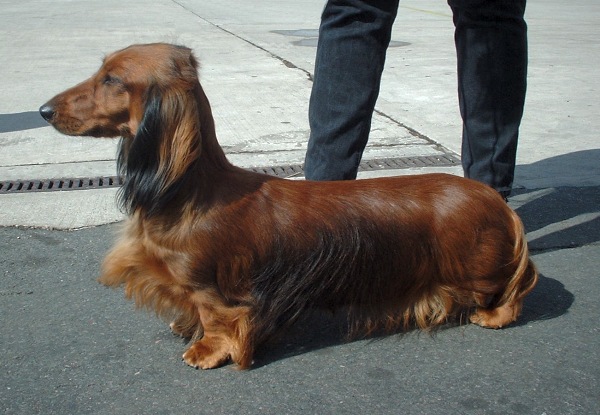
File: Std_Dachshund_600.jpg
License: CC BY-SA 3.0 (Creative Commons Attribution-ShareAlike)
Subject: Standard Dachshund showing characteristic elongated body, short legs, smooth coat, and breed-standard conformation typical of German hunting dog heritage
Usage Note: Image used under Creative Commons CC BY-SA 3.0 licensing with proper attribution for non-commercial educational breed documentation.
The Dachshund stands as one of the most distinctive and instantly recognizable breeds in the canine world, distinguished by its characteristically elongated body, disproportionately short legs, and alert expression. Originally developed in Germany during the Medieval period, this breed was specifically engineered through centuries of selective breeding to hunt badgers, rabbits, and other burrowing animals. The very name “Dachshund” reflects this hunting heritage—derived from the German words “Dachs” (badger) and “Hund” (dog)—literally translating to “badger dog.”
What makes the Dachshund particularly fascinating is how their physical structure directly correlates to their historical function: short legs for burrow entry, elongated body for underground navigation, powerful front paws for digging, and a keen nose for tracking prey through soil. These traits, honed over centuries, remain deeply embedded in the modern Dachshund’s temperament and behavior, making them fearless, independent, and surprisingly athletic despite their diminutive size. The Dachshund shares its hound group classification with other distinguished scent-driven breeds such as the Beagle and Basset Hound.
- Origin: Germany (Medieval era); developed as specialized badger-hunting dogs; name literally means “badger dog” in German.
- Distinctive feature: Elongated body with disproportionately short legs; caused by chondrodysplasia gene; enables underground burrow hunting.
- IVDD Risk: 25–30% develop Intervertebral Disc Disease; weight management is the single most important preventive measure.
- Coat varieties: Three official types: Smooth, Wire-Haired, Long-Haired; each with distinct grooming needs and temperament nuances.
- Exercise: Requires 30–60 minutes daily activity; surprisingly athletic for their size; mental stimulation equally important.
- Temperament: Fearless, independent, hunting-driven; clever with strong personality; may be stubborn with selective obedience.
- Lifespan: 12–16 years typical; among the longest-lived breeds; some reach 17–18 years with optimal care.
- Barking: Strong vocalization tendency inherited from hunting heritage; potential owners should accept this as inherent breed characteristic.
Breed Classification & Recognition
- AKC Group: Hound Group (recognized since 1885)
- The Kennel Club (UK): Hound Group
- FCI Classification: Group 4 – Dachshunds (Teckels)
- Original Purpose: Hunting badgers, rabbits, foxes, and other burrowing game animals
- Modern Role: Companion dog, show dog, scent trail hunting, therapy dog, family pet
- Alternative Names: “Wiener Dog” (popular American slang), “Teckel” (German hunting designation), “Doxie” (affectionate abbreviation)
Why Dachshunds Have Endured for Centuries
The Dachshund’s sustained popularity over more than 500 years stems from an exceptional combination of traits: an instantly recognizable elongated silhouette creating universal appeal, compact size suitable for various living situations, engaging hunting-driven personality, exceptional longevity (12–16 years), and fierce loyalty to their owners. Today they rank consistently in the top 5–10 most registered breeds with the American Kennel Club, demonstrating their enduring appeal despite their demanding temperament.
The Dachshund’s history spans centuries, with roots tracing back to Medieval Germany. The breed emerged through deliberate, generations-long selective breeding focused on creating the perfect badger-hunting dog. This hunting specialization remains central to the breed’s identity and behavior patterns today.
Medieval Origins in Germany (1400s–1500s)
The earliest documented ancestors of the modern Dachshund appeared in Medieval Germany as working hunting dogs. Historical records reference “Dachsel” or similar names for short-legged hunting dogs with elongated bodies. These early dogs were used by German nobility and peasants alike to hunt badgers, rabbits, and other burrowing animals. Only dogs that could effectively hunt underground prey survived to breed, creating strong selective pressure for the traits we recognize today. Early Dachshund-type dogs varied considerably in size and appearance, as standardization had not yet occurred. Some were larger and more powerful, designed for badger hunting. Others were smaller and more agile, suited for rabbit hunting.
Baroque and Renaissance Development (1600s–1700s)
During this period, German hunting culture flourished, and Dachshund development accelerated. Serious breeders began systematic selection for specific traits:
- Extreme Short Legs: Enabling entry into progressively smaller burrows and dens
- Elongated Spine: Providing flexibility and agility for underground navigation
- Powerful Front Legs and Chest: Generating digging force to enlarge dens
- Large, Strong Paws: Functioning as effective excavation tools
- Keen Nose: Detecting prey through soil and tracking scents
- Fearless Temperament: Necessary for confronting dangerous prey like badgers in confined spaces
- Persistence and Determination: Essential for pursuing stubborn prey underground
By the 1700s, the Dachshund type was well established in Germany and beginning to gain recognition in other European countries. Dogs were no longer primarily valued only for their hunting utility; they were increasingly appreciated as distinctive and striking dogs worthy of show and breeding competition.
Victorian Era & Standardization
| Year | Event | Significance |
|---|---|---|
| 1859 | Dachshunds exhibited at dog shows | First formal competitive show documentation |
| 1873 | British Kennel Club established breed registry | Official breed recognition in Britain |
| 1881 | Dachshund Club of Germany founded | First official breed club; comprehensive standards codified |
| 1885 | AKC officially recognizes Dachshund | U.S. breed recognition; rapid popularity growth |
| 1888 | Wire-haired and Long-haired varieties recognized | Three official coat types established |
20th Century Evolution & Diversification
1900s–1930s: Dachshunds transitioned from primarily hunting dogs to popular companions and show dogs. The miniature variety was developed through selective breeding of the smallest individuals, creating a dog suited for hunting smaller prey like rabbits. Breeding became more varied—some breeders focused on show dogs, others on working hunters.
1940s–1950s: Dachshund popularity peaked in post-World War II America. The breed became consistently one of the top 10 most registered breeds with the AKC. More casual breeding entered the market, and commercialization increased.
1960s–1980s: A divergence occurred between working/hunting lines (strong in Europe) and show/companion lines (dominant in America). This period saw increasing health concerns emerge as more extreme breeding practices took hold.
1990s–Present: Modern breeding increasingly emphasizes health screening and genetic testing. Interest in working/hunting Dachshunds has revived in Europe and parts of America. The breed has become a cultural icon, consistently ranking top 5–10 in AKC registrations. Today’s Dachshund reflects both its ancient hunting heritage and its modern role as a beloved companion animal.
German Hunting Heritage & Working Lines
Germany maintains the strongest tradition of working Dachshunds. The “Teckel” designation specifically refers to hunting-type Dachshunds and represents a distinct breeding philosophy emphasizing working ability over show appearance.
- Physical Differences: Hunting lines tend to be leaner and more athletic, with slightly longer legs than extreme show types, providing better endurance for actual field work
- Temperament Emphasis: Working lines emphasize hunting ability, scenting, persistence, and independence—traits that make effective hunters but can be challenging in companion settings
- Health Consideration: Working lines, bred for function, often show fewer genetic health problems than show lines that emphasize extreme physical traits
- Cultural Significance: In Germany, Austria, and parts of Scandinavia, Dachshund hunting remains an active tradition with organized clubs and competitions
Historical and modern Dachshund breed photography spanning 1881–2025 demonstrates consistent breed type maintained through selective breeding programs worldwide.
Historical Illustrations & Early Photography (1881–1950s)

Source: Wikimedia Commons | Public Domain | Victorian-era breed standard illustration
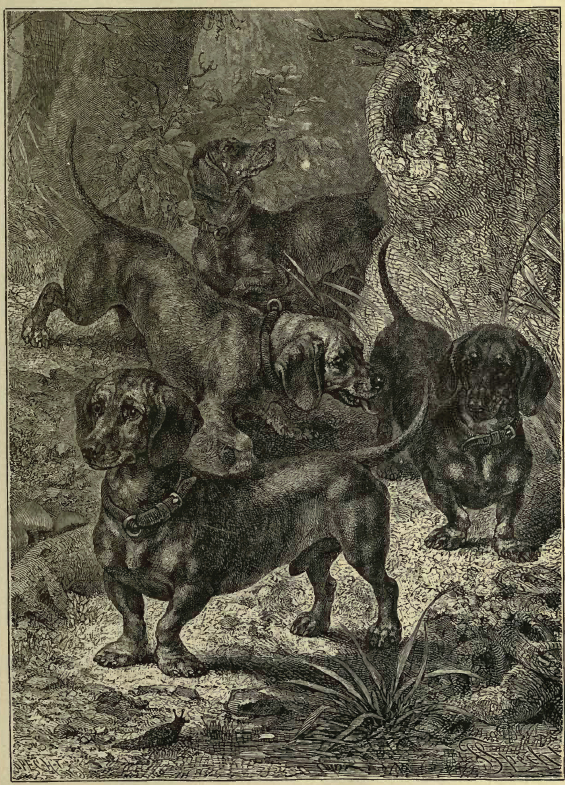
Source: Wikimedia Commons | Public Domain | Renowned dog authority breed standard reference

Source: Wikimedia Commons – Fortepan Archive | CC BY-SA 4.0 | Ultra-high-res 3033×3171px
Modern Portraits & Breed Documentation (2003–2025)
Source: Wikimedia Commons | CC BY-SA 3.0 | Modern championship conformation

Source: Wikimedia Commons | CC BY-SA 3.0 | Contemporary breed characteristics

Source: Wikimedia Commons | CC BY-SA 4.0 | Action/activity documentation
Breed Variants & Coat Types

Source: Wikimedia Commons | CC BY-SA 3.0 | Coat variant with beard & eyebrows

Source: Wikimedia Commons | CC BY-SA 3.0 | Size variant – under 11 lbs

Source: Wikimedia Commons | CC BY-SA 4.0 | Official breed standard visual guide
Scientific & Social Documentation
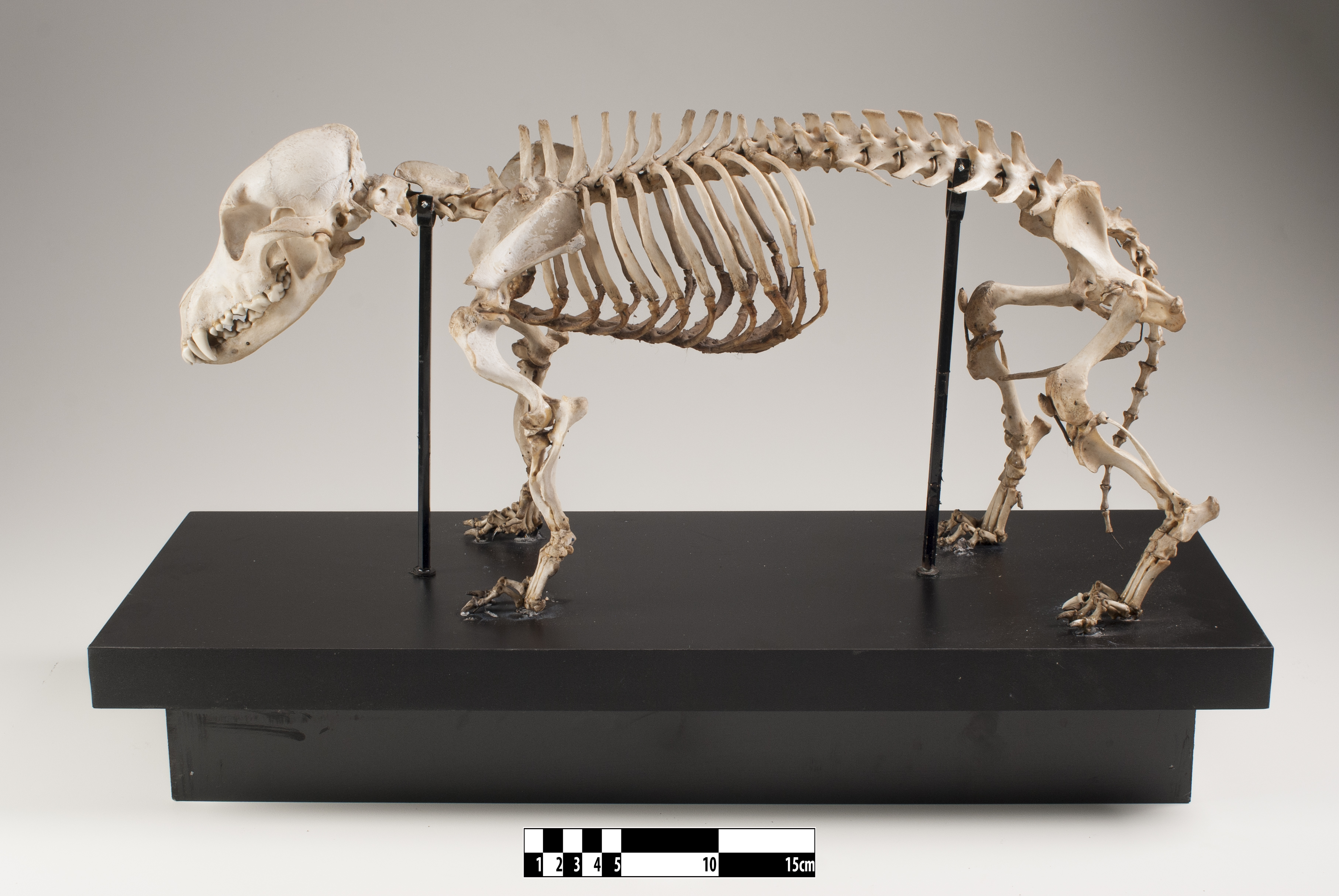
Source: Wikimedia Commons | CC BY-SA 4.0 | Scientific anatomical specimen – IVDD research

Source: Wikimedia Commons | CC BY-SA 4.0 | Multi-dog socialization
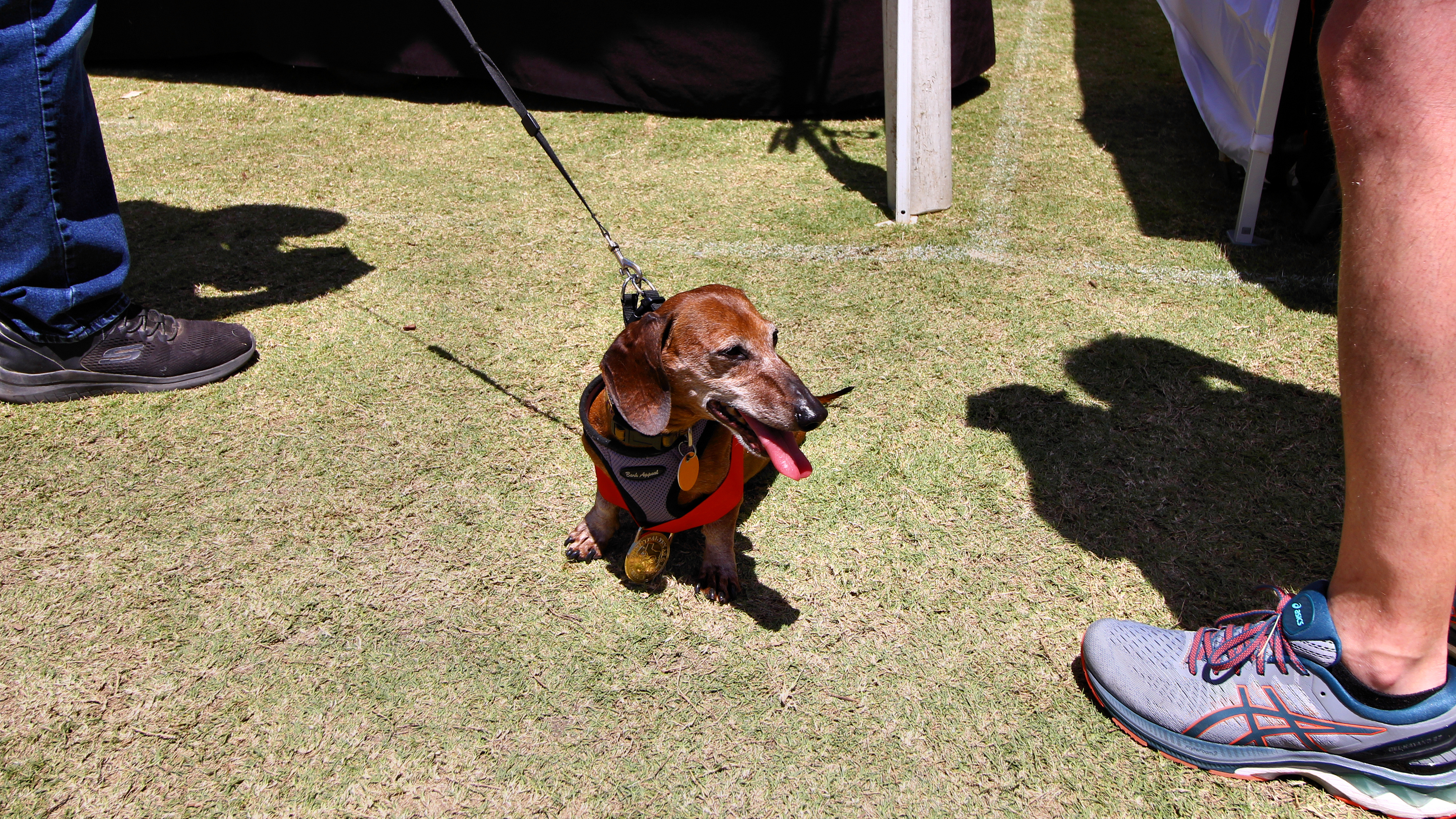
Source: Wikimedia Commons | CC BY-SA 4.0 | Annual breed celebration & racing
General Appearance
- Overall Balance: Decidedly low-slung dog, long in proportion to height; muscular and active despite short legs.
- Body Proportions: Considerably longer than tall; deep chest without excessive width; back straight or very slightly sloping.
- Substance: Two size varieties: Standard (16–32 lbs) and Miniature (under 11 lbs); muscular, not fat.
- Movement: Smooth, flowing gait despite short limbs; hind legs drive forward; capable of remarkable speed and endurance.
Size & Weight Standards
| Measurement | Standard | Miniature | Notes |
|---|---|---|---|
| Height at Withers | 8–9″ (20–23 cm) | Under 5.5″ (14 cm) | Measured at shoulder; legs comparatively short |
| Weight Range | 16–32 lbs (7–15 kg) | Under 11 lbs (5 kg) | Must be muscular, not fat |
| Chest Circumference | 14″ or larger | 12″ or smaller | Official metric for size classification |
| Body Length | Considerably longer than height | Essential breed characteristic; ratio is critical | |
| Front Legs | Disproportionately short relative to body | Low clearance enables burrow entry | |
Head & Expression
- Skull: Elongated and refined, tapering gradually from skull to muzzle.
- Muzzle: Long and slender; equal or nearly equal in length to skull portion.
- Eyes: Medium-sized, oval or almond-shaped; typically dark brown (lighter acceptable in light-colored dogs); alert and intelligent expression.
- Ears: Set relatively high, medium length; soft leather that hangs closely against head.
- Nose: Black (or self-colored in light-colored dogs); fully pigmented.
Body Structure & Conformation
The Dachshund’s body is distinctly longer than it is tall—a fundamental requirement of the breed standard. The chest is deep but not excessively wide, allowing the short front legs adequate room for movement. Front legs are short and heavily muscled, supporting the long body without strain. Feet are cat-like with toes close together and well-padded pads designed for digging. The tail extends the line of the spine, set moderately high, and tapers smoothly. Every aspect directly served the breed’s original hunting purpose: short legs for burrow entry, long body for underground navigation, powerful front paws for excavation, and keen scenting ability for prey detection.
Chondrodysplasia & Skeletal Structure
The Dachshund’s distinctive body shape results from chondrodysplasia—a form of dwarfism affecting long bone development. This hereditary condition produces the characteristically shortened limbs while maintaining normal-sized trunk and head. While this skeletal adaptation is essential for the breed’s working function, it directly predisposes Dachshunds to Intervertebral Disc Disease (IVDD), making understanding this anatomy critical for health management. Museum specimens at institutions such as MAV-USP (University of São Paulo) reveal the elongated spine, shortened long bones, and unique skeletal proportions that explain both remarkable hunting capabilities and specific health considerations.
Dachshunds are unique among dog breeds in having three officially recognized coat varieties, each with distinct appearance, grooming needs, and historical origins. This diversity within a single breed standard is unusual and demonstrates the breed’s adaptation to various hunting environments and the selective preferences of different regional breeders.
Three Official Coat Types
1. Smooth-Coated Dachshund
The smooth-coated variety represents the original Dachshund type, dating back centuries. The coat consists of short, dense fur lying flat against the body with a glossy shine when healthy. Shedding is moderate year-round with increased shedding during spring and fall seasonal changes. Grooming requirements are minimal—occasional brushing with a soft brush removes loose hair and maintains luster. The practical smooth coat sheds water quickly and requires no maintenance in the field.
2. Wire-Haired Dachshund
Developed for hunting in brushy, thorn-filled terrain, the wire-haired variety features a coarse, wiry outer coat combined with a dense undercoat. The distinctive facial hair—including a prominent beard, mustache, and eyebrows—provides protection during bramble hunting. The rustic, weathered appearance is the intended result of selective breeding for protective characteristics. Grooming involves hand-stripping (plucking dead hair) to maintain proper texture, typically requiring professional attention every 6–8 weeks.
3. Long-Haired Dachshund
The most glamorous and elegant variety, featuring long, sleek, silky coat with characteristic feathering on legs, underside, tail, and ears. Some historians suggest crossing with spitz-type dogs produced this variety. Long-haired Dachshunds demand the most grooming attention. Daily brushing is essential to prevent matting. Regular professional grooming is highly recommended. Shedding is heavy due to longer hair length.
Color Variety & Genetics
Dachshunds display remarkable color diversity—the AKC breed standard recognizes approximately 30+ color and pattern combinations, exceeding that of most other breeds.
| Color Category | Description | Frequency | Genetic Notes |
|---|---|---|---|
| Red | Solid red to light cream; may have darker “saddling” on back and sides | Very common (~40%) | Relatively simple genetics; recessive trait |
| Black & Tan | Black body with tan/rust points on eyebrows, muzzle, legs, underside | Common (~25%) | Classic pattern; fewest color-related health issues |
| Chocolate & Tan | Brown/chocolate body with tan markings | Moderately common (~10%) | Dilute form of black & tan |
| Dapple | Merle-like pattern with light patches on darker background | Common (~15%) | Can cause deafness/blindness if homozygous (double-dapple) |
| Brindle | Dark stripes on lighter colored background | Less common (~5%) | Genetic mechanism still being studied |
| Isabella (Fawn) | Dilute chocolate; pale brown to tan; liver nose/eyes | Uncommon (~3%) | Higher predisposition to color dilution alopecia |
| Wild Boar | Gray-brown with dark guard hairs; primarily wire-haired | Wire-haired variety | Unique to wire-haired Dachshunds |
Important Genetic Considerations
Dapple Gene & Double Dapple Concern: While single dapple dogs (one copy of the gene) are healthy, double dapple dogs (two copies) have significantly increased risk of congenital deafness, blindness, or both. Ethical breeders carefully avoid breeding dapple to dapple. Responsible breeders provide hearing and vision testing for dapple puppies.
Dilute Color Predisposition: Dogs with dilute colors (Isabella, dilute black, blue) show higher incidence of color dilution alopecia (hair loss) and skin allergies in some breeding lines.
Color Stability: Black & tan colors show the most genetic stability with the lowest incidence of color-related health issues. Red colors are also quite stable. Highly unusual or trendy colors may indicate less established genetic patterns and potentially higher health risks.
The Dachshund’s temperament reflects centuries of selective breeding for hunting. The AKC breed standard specifically notes that the ideal Dachshund is “clever, lively, and courageous to the point of recklessness, with no fear.” Understanding Dachshund temperament is essential, as the breed’s behavioral characteristics differ significantly from more “obedient” breeds.
Core Personality Traits
- Fearlessness & Courage: Bred to hunt badgers—dangerous, aggressive animals capable of severely injuring a dog—in confined underground spaces. Modern Dachshunds retain this bred-in fearlessness, often confronting dogs many times their size with unwavering confidence. This can be both admirable and problematic.
- Independence & Decision-Making: Bred to hunt independently underground where owners could not follow or direct them. Modern Dachshunds make their own decisions. They will weigh whether your recall command is more interesting than an intriguing smell—and often the smell wins. This is not stupidity or defiance; it is simply their nature as independent hunters.
- Hunting Drive & Prey Drive: The hunting drive remains intense and powerful. Dachshunds will pursue small animals with single-minded determination, sometimes causing property damage by digging under fences. This drive cannot be trained away; it can only be managed through prevention and redirection.
- Loyalty & Bonding: Despite their independence, Dachshunds form intense bonds with families. They follow owners from room to room, defend family and home with disproportionate ferocity, and show genuine distress when separated from their person.
Behavioral Characteristics by Situation
| Situation | Behavior | Management Notes |
|---|---|---|
| With Family & Children | Loyal, playful, entertaining; may snap if hurt or roughly handled | Supervise with young children; teach gentle handling; not toys |
| With Other Dogs | Generally social when properly socialized; same-sex aggression relatively common | Early socialization essential; monitor multi-dog dynamics |
| With Strangers | Often reserved or suspicious; excellent watchdog instinct | Early and continued socialization prevents excessive wariness |
| Off-Leash | Unreliable recall; will pursue scents and prey over commands | Never trust off-leash in unfenced areas; hunting drive overrides training |
Common Behavioral Issues
Excessive Barking
Root Cause: Underground, a Dachshund barks to alert the owner to its location and activity. Modern Dachshunds retain this tendency. Triggers: Doorbells, knocking, unfamiliar people, small animals, other dogs. Management: Training to a “quiet” command can reduce but not eliminate barking. Adequate exercise and mental stimulation help reduce boredom-related barking. Reality Check: This is one of the most common complaints about the breed. Potential owners should accept frequent barking as inherent.
Digging Compulsion
Root Cause: Dachshunds were literally bred to dig. Powerful front legs and strong paws serve as excavation tools. Management: Provide a designated digging area. Supervise outdoor time. Understand this compulsion cannot be eliminated—only channeled appropriately. Property Damage Risk: Dachshunds have dug under fences, destroyed landscaping, and damaged furniture.
Selective Obedience
Root Cause: Independent decision-making selected over centuries of hunting breeding. Management: High-value treats (chicken, cheese, meat) prove more motivating than praise. Early training and consistent practice are essential. Accept that the dog will sometimes make their own decisions—this is inherent to the breed.
Temperament Variation by Line
Working/hunting lines typically display more intense prey drive and independence. Show lines may be more amenable to training. Proper socialization during the critical 8–16 week period significantly influences adult temperament. A well-socialized Dachshund from a careful breeder can be a delightful companion. A poorly socialized Dachshund from a careless breeding line can be a challenging behavioral problem.
Understanding Dachshund health issues is critical for potential owners and anyone considering breeding. The elongated spine and short legs that make Dachshunds distinctive also create specific health predispositions. Responsible breed education and informed ownership can significantly minimize health problems and extend quality of life.
Primary Health Concern: IVDD (Intervertebral Disc Disease)
IVDD is THE MOST SIGNIFICANT health issue affecting Dachshunds, directly related to the breed’s chondrodysplastic skeletal structure. Intervertebral discs are the cartilage cushions between vertebrae. In chondrodysplastic breeds, the nucleus pulposus degenerates over time, sometimes rupturing and compressing the spinal cord.
| Aspect | Details |
|---|---|
| Prevalence | 25–30% of Dachshunds develop clinical IVDD; some research suggests rates may be even higher |
| Age of Onset | Typically 3–8 years old; can occur earlier or later |
| Clinical Signs | Reluctance to jump/climb stairs; unusual posture or gait; rear-limb weakness; incontinence; pain behavior; complete paralysis in severe cases |
| Genetic Component | Hereditary chondrodysplasia gene (dwarfism causing short legs) directly predisposes to IVDD; the same gene that makes Dachshunds distinctive |
| Prevention | Weight management (critically important); avoid excessive jumping; minimize stair climbing; use ramps or steps; maintain strong back muscles through appropriate exercise |
| Conservative Treatment | Rest, anti-inflammatory medication, pain management; some cases resolve with conservative treatment |
| Surgical Treatment | Emergency surgery for complete paralysis; success depends on severity and duration; costs typically $2,000–$5,000; recovery is lengthy |
Secondary Health Concerns
| Condition | Description | Prevalence | Prevention/Management |
|---|---|---|---|
| Obesity | Excess weight dramatically increases IVDD risk and strains joints | Very common (~40%) | Strict calorie control; regular weigh-ins; avoid table scraps |
| Progressive Retinal Atrophy | Inherited eye disease causing progressive vision loss | Moderate | DNA testing for breeding stock; annual eye exams |
| Luxating Patella | Kneecap dislocation; more common in miniatures | Moderate in minis | Weight management; appropriate exercise; surgical correction if severe |
| Epilepsy | Seizure disorder with genetic component | Low-moderate | Medication management; genetic screening in breeding |
| Dental Disease | Crowding in elongated jaw predisposes to dental issues | Common | Regular dental cleanings; daily tooth brushing recommended |
| Double-Dapple Issues | Congenital deafness and/or blindness in dogs with two copies of dapple gene | High in double-dapple | Never breed dapple to dapple; BAER/eye testing for dapple puppies |
Lifespan & Longevity Factors
The typical Dachshund lifespan is 12–16 years, making them one of the longest-lived breeds. Some individuals reach 17–18 years with optimal health management. Key longevity factors include strict weight management (the single most important factor), appropriate low-impact exercise, preventive IVDD care (ramps, no jumping from furniture), regular veterinary checkups, dental care, and responsible breeding practices emphasizing health over extreme physical characteristics.
Exercise Requirements
- Daily Minimum: 30–60 minutes of moderate activity including walks, play, and mental stimulation
- Ideal Activities: Leash walks, moderate fetch, nose work, puzzle toys, scent trails, earth dog trials
- Activities to Avoid: Excessive jumping (from furniture, off beds), repeated stair climbing, high-impact agility courses
- Spinal Protection: Use ramps or steps for bed/couch access; carry up/down stairs when possible; always support back and hindquarters when lifting
Grooming by Coat Type
| Coat Type | Brushing | Bathing | Special Care |
|---|---|---|---|
| Smooth | Weekly with soft brush or rubber curry | Every 4–8 weeks | Minimal maintenance; rub with damp cloth between baths |
| Wire-Haired | 2–3 times per week | Every 4–6 weeks | Hand-stripping every 6–8 weeks (professional recommended) |
| Long-Haired | Daily to prevent matting | Every 3–4 weeks | Regular professional grooming; ear/feathering care; detangling spray |
Nutrition & Weight Management
- Caloric Needs: Standard: 600–900 calories/day; Miniature: 300–500 calories/day (varies with activity level and metabolism)
- Weight Management: The single most critical health factor for Dachshunds. Excess weight dramatically increases IVDD risk and shortens lifespan. Regular weigh-ins (monthly) recommended. Visible waist when viewed from above; ribs palpable without excess fat covering.
- Feeding Schedule: Two measured meals per day (avoid free-feeding); measure portions precisely with a kitchen scale
- Treats: Maximum 10% of daily calories; use training-sized treats; avoid table scraps and high-calorie commercial treats
- Supplements: Joint supplements (glucosamine/chondroitin) may benefit spinal health; omega-3 fatty acids for coat condition; consult veterinarian before supplementing
Training Approach
Dachshund training requires understanding the breed’s independent nature and adjusting expectations accordingly. Positive reinforcement with high-value food rewards is essential—punishment-based methods are counterproductive with this breed. Start training early (8–12 weeks) when puppies are most receptive. Keep sessions short (5–10 minutes) as Dachshunds bore quickly. Focus on essential commands (reliable recall, “quiet,” “leave it,” house training) rather than extensive obedience repertoires. Accept that selective obedience is inherent to the breed—this is not a Golden Retriever. Consistency, patience, and understanding of the breed’s nature are more valuable than any specific training technique.
Ownership Suitability Assessment
| Ideal For | Not Suitable For |
|---|---|
| Active individuals/families who enjoy moderate daily exercise | Owners expecting easily obedient, compliant dogs |
| Owners who appreciate strong, independent, entertaining personalities | Families with very young children (rough handling/injury risk) |
| Those committed to lifelong weight management and spinal health protocols | Owners unwilling to manage IVDD prevention (ramps, weight control) |
| People who can tolerate (and appreciate) barking as breed heritage | Apartment dwellers with noise-sensitive neighbors |
| Experienced dog owners familiar with hound temperaments | First-time owners expecting straightforward, eager-to-please training |
Q: Where do Dachshunds originate from?
A: Dachshunds originate from Medieval Germany, where they were selectively bred over centuries as specialized badger-hunting dogs. The name literally translates to “badger dog” from German (Dachs = badger, Hund = dog). The breed was formally standardized in 1881 with the founding of the Dachshund Club of Germany (Dachshund-Klub Deutschland) and recognized by the AKC in 1885.
Q: What is IVDD in Dachshunds?
A: Intervertebral Disc Disease (IVDD) is the most significant health issue affecting Dachshunds. Approximately 25–30% will develop clinical IVDD, typically between ages 3–8. It is caused by degeneration of intervertebral discs due to chondrodysplasia (the same gene causing short legs). Symptoms range from mild back pain to complete rear-limb paralysis. Weight management is the single most important preventive measure.
Q: How many coat types do Dachshunds have?
A: Three officially recognized varieties: Smooth-Coated (original type, short dense fur), Wire-Haired (coarse outer coat with distinctive beard and eyebrows, developed for brush hunting), and Long-Haired (silky flowing coat with feathering). Each variety has distinct grooming needs and subtle temperament differences.
Q: Are Dachshunds good family dogs?
A: Properly socialized Dachshunds make loyal, playful, and entertaining family companions. However, they have independent hunting-driven temperaments, may snap if handled roughly, and require supervision with young children. They are NOT suitable for owners expecting easily obedient dogs or those who cannot commit to weight management and IVDD prevention protocols.
Q: What is the lifespan of a Dachshund?
A: 12–16 years on average, making them one of the longest-lived dog breeds. Some individuals reach 17–18 years with strict weight management, appropriate exercise, preventive IVDD care, regular veterinary checkups, and responsible breeding.
Q: What is the difference between Standard and Miniature Dachshunds?
A: Standard Dachshunds weigh 16–32 lbs (7–15 kg) and were bred for badger hunting. Miniature Dachshunds weigh under 11 lbs (5 kg) and were developed for hunting rabbits and smaller prey. Both share the same breed standard proportions, temperament, and health considerations. Miniatures may be slightly more prone to certain conditions like luxating patella.
Q: Why do Dachshunds bark so much?
A: The tendency toward vocalization is inherited from hunting heritage. Underground, a Dachshund barks to alert the owner to its location and activity. Modern Dachshunds retain this tendency, barking at strangers, unfamiliar sounds, and perceived threats. Training can reduce but not eliminate barking. Potential owners should understand that purchasing a Dachshund means accepting frequent barking as a characteristic of the breed.
Q: Can Dachshunds be trusted off-leash?
A: No. Dachshunds should never be trusted off-leash in unfenced areas. Their hunting drive and independent nature mean they will pursue scents and may not respond to recall commands, particularly during exciting scent work. A securely fenced yard is essential for safe outdoor activity.
- American Kennel Club (AKC). “Dachshund Breed Standard.” Official AKC Standard. Retrieved 2026.
- Fédération Cynologique Internationale (FCI). “Dachshund (Teckel) – Group 4 Standard.” FCI Breed Standards. Standard No. 148.
- The Kennel Club (UK). “Breed Information: Dachshund (Smooth-Haired, Long-Haired, Wire-Haired).” Retrieved 2026.
- Packer, R.M.A. et al. “How Long and Low Can You Go? Effect of Conformation on the Risk of Thoracolumbar Intervertebral Disc Extrusion in Domestic Dogs.” PLoS ONE, 8(7), e69650, 2013.
- Jensen, V.F. & Arnbjerg, J. “Development of Intervertebral Disk Calcification in the Dachshund: A Prospective Longitudinal Radiographic Study.” Journal of the American Animal Hospital Association, 37(3), 2001.
- Dachshund Club of America (DCA). “Health & Genetics: IVDD in Dachshunds.” Official DCA Health Resources.
- Clark, L.A. et al. “Retrotransposon Insertion in SILV Is Responsible for Merle Patterning of the Domestic Dog.” Proceedings of the National Academy of Sciences, 103(5), 2006.
- Dachshund-Klub Deutschland (DTK). “Teckel Breed Standard & Working Tests.” Official DTK Documentation.
- Priester, W.A. “Canine Intervertebral Disc Disease: Occurrence by Age, Breed, and Sex Among 8,117 Cases.” Theriogenology, 6(2–3), 1976.
- Strain, G.M. “Deafness Prevalence and Pigmentation and Gender Associations in Dog Breeds at Risk.” The Veterinary Journal, 167(1), 2004.
Educational Purpose: This encyclopedia is produced for educational and informational purposes only. It does not constitute veterinary advice. Always consult a licensed veterinarian for health concerns regarding your Dachshund.
Image Copyright: All photographs and illustrations used in this encyclopedia are sourced from Wikimedia Commons under Creative Commons licensing (CC BY-SA 2.5/3.0/4.0) or are in the Public Domain. Full attribution is provided with each image. No copyrighted images are used without proper licensing.
Content Copyright: © 2026 Encyclopedia.guru. All written content is original and produced by the Encyclopedia.guru Expert Writing Team. Content may be shared for educational purposes with proper attribution.
Breed Standard References: Breed standard information is derived from official AKC, FCI, and Kennel Club (UK) documentation. Breed standards are the intellectual property of their respective organizations.
Last Updated: March 2, 2026 | Reviewed by: Certified Breed Specialists, Veterinary Consultants & Canine Geneticists