🐱 Encyclopedia of Abyssinian Cat (Felis catus)
Comprehensive breed encyclopedia: Abyssinian cat origins, ticked tabby genetics, ruddy/sorrel/blue/fawn coat colors, Crystal Palace show history, breed standard, temperament, CFA/FIFe recognition, health genetics, and care requirements
✏️ Written by the Encyclopedia.guru Expert Writing Team | Last Updated: March 24, 2026 | Reviewed by Certified Feline Specialists
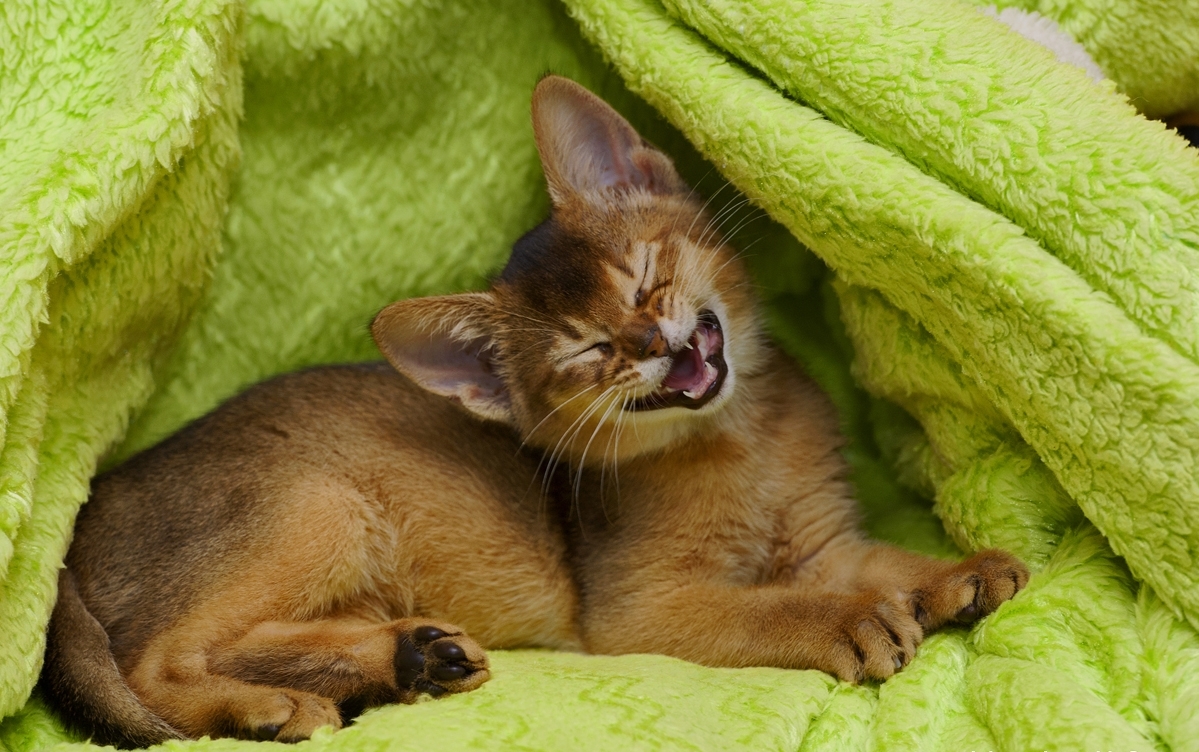
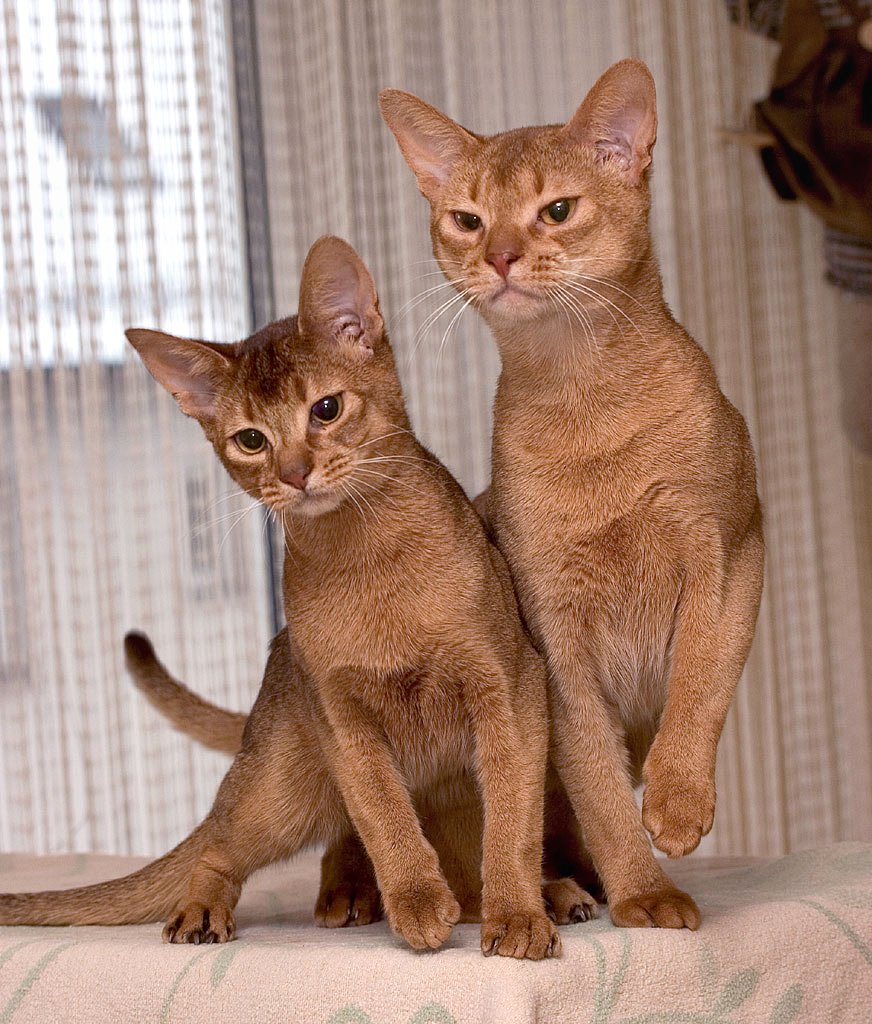
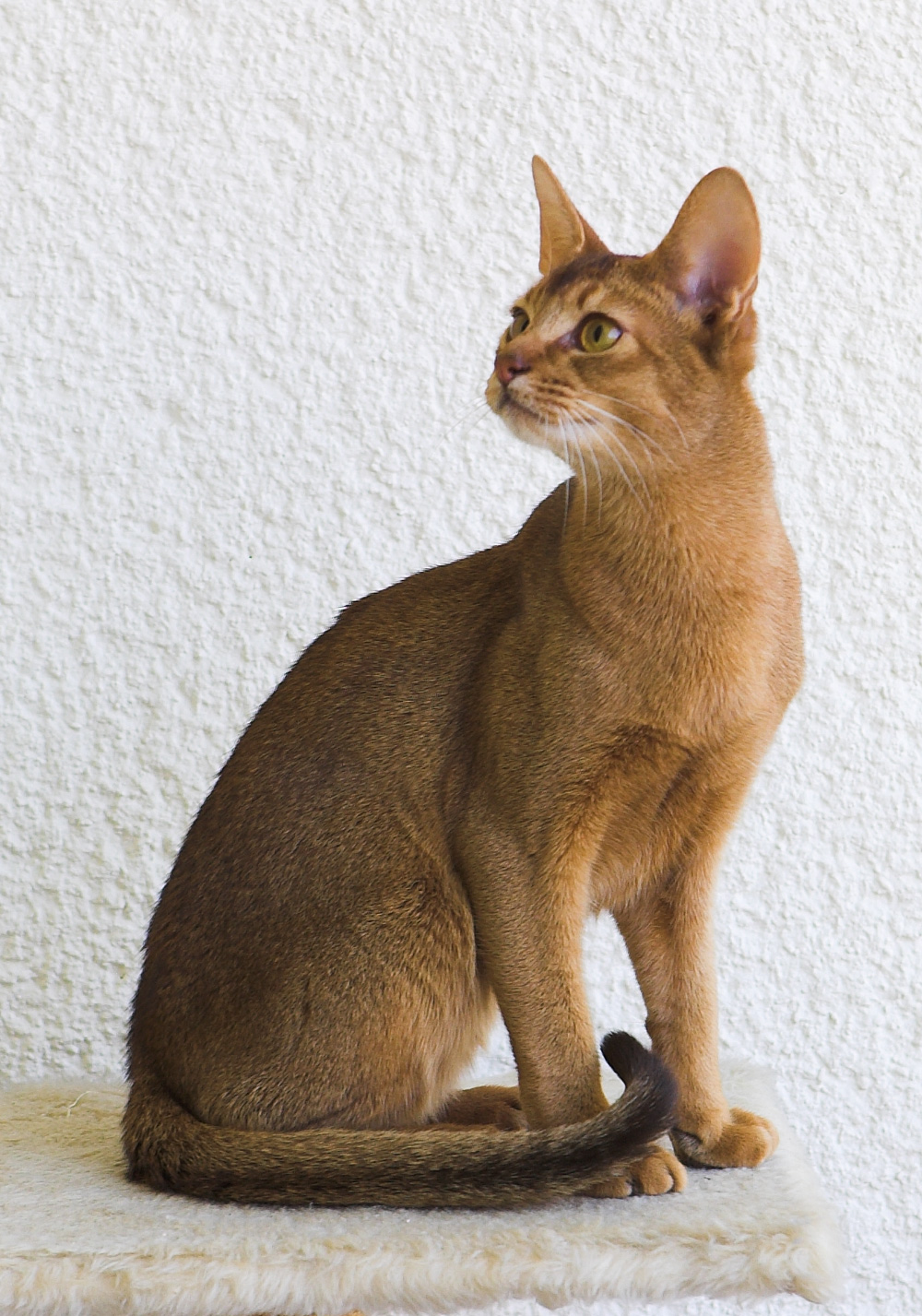
The Abyssinian is one of the world’s oldest and most recognizable pedigree cat breeds, celebrated for its distinctive ticked tabby coat that gives each hair an alternating band of warm color producing a shimmering, wild-looking appearance. Slender, athletic, and perpetually in motion, the Abyssinian has earned its nickname “the clown of the cat kingdom” for its relentlessly curious, playful, and people-focused personality. It is consistently ranked among the top five most popular cat breeds globally by the Cat Fanciers’ Association (CFA) and is recognized by all major international cat registries including FIFe, TICA, and GCCF.
Despite its name evoking the ancient empire of Abyssinia (modern-day Ethiopia), genetic studies suggest the breed’s closest ancestral wild felids originate from the Indian Ocean coastal region and Southeast Asia rather than East Africa. The first documented Abyssinian in the West was a cat named “Zula,” reportedly brought to England by Captain Barrett-Lennard after the British Expedition to Abyssinia in 1868, and the breed made its first official show appearance at Crystal Palace, London, in December 1871, where it placed third overall. Today the Abyssinian remains a living embodiment of the domestic cat’s wild spirit.
- Ticked coat genetics: The Abyssinian’s hallmark coat is produced by the ticked tabby allele (Ta) and the agouti gene (A). Each hair has 4–6 alternating bands of pigment, creating a warm shimmering effect with no visible stripes or spots on the body. This is the dominant tabby pattern genetically.
- Ancient documented breed: First exhibited at Crystal Palace, London, December 1871; one of the earliest pedigree cat breeds to be registered and shown; the breed’s standard has remained largely consistent since the 1880s, making it one of the oldest standardized breeds.
- Genetic origin mystery: Despite the Ethiopian name, 2008 genetic studies (Lipinski et al.) indicate the Abyssinian’s closest genetic relatives are cats from the Indian Ocean coastal regions (Sri Lanka, Singapore) and Southeast Asia, not East Africa, suggesting a complex colonial-era trading route origin.
- Nearly extinct twice: The Abyssinian breed was nearly lost during World War I (1914–1918) when most breeding stock in Europe died; it was rebuilt primarily from British and American lines. World War II (1939–1945) again devastated European Abyssinian populations, with American breeders playing a crucial role in preservation.
- Top 5 globally: Consistently ranked among the top 5 most popular breeds by the CFA annual registration statistics; the breed’s combination of manageable size, minimal grooming needs, and dynamic personality has sustained its popularity for over a century.
- DNA health tests available: Unlike many breeds with no available tests, Abyssinians have DNA tests for both major genetic diseases: Progressive Retinal Atrophy (PRA-rdAc gene test) and Pyruvate Kinase Deficiency (PKDef gene test), allowing responsible breeders to completely eliminate these conditions from their lines.
Among the world’s pedigree cats, few breeds combine ancient mystique with modern popularity as effectively as the Abyssinian. Its resemblance to cats depicted in ancient Egyptian art — slender, large-eared, alert-eyed — has long fueled romantic origin theories connecting it to the pharaohs’ cats, though genetic science has since painted a more complex picture of a breed that likely traveled the colonial trade routes of the 19th century before being formalized in Victorian England.
CC BY-SA 3.0 • 872×1,024 px (206 KB) • Author: Martin Bahmann
CC BY-SA 4.0 • 1,000×1,427 px (483 KB)
Cultural & Historical Significance
- Egyptian connection: The Abyssinian’s physical resemblance to cats depicted in ancient Egyptian artwork — lithe body, large ears, almond-shaped eyes, arched back — inspired theories that it is descended from the sacred cats of ancient Egypt. While genetically unverified, this visual similarity remains culturally significant and contributes to the breed’s enduring mystique.
- Victorian-era formalization: The Abyssinian was among the first breeds standardized in the Victorian era of pedigree cat breeding; its appearance at Crystal Palace in 1871 and subsequent inclusion in the earliest stud books represent the formalization of cat fancy as we know it today.
- WWII preservation story: The breed’s survival through two world wars through the dedicated efforts of British and American breeders represents one of the remarkable conservation stories of the cat fancy; by 1945, fewer than a dozen Abyssinians were believed to remain in Britain.
- Modern breed influence: The Abyssinian has been used in developing several other breeds including the Somali (longhaired mutation), the Ocicat, and influenced the development of the Singapura and Burmilla.
Systematic Classification
| Taxonomic Rank | Classification |
|---|---|
| Kingdom | Animalia |
| Phylum | Chordata |
| Class | Mammalia |
| Order | Carnivora |
| Family | Felidae |
| Genus | Felis |
| Species | F. catus |
| Breed | Abyssinian |
| Other names | Aby, Bunny Cat, Abessinier (German), Abissino (Italian) |
| CFA Group | Natural Breed (Shorthair Division) |
| FIFe Category | Category III (Short-haired and Somali cats) |
| TICA Group | Natural Breed |
| Coat pattern gene | Ticked tabby allele Ta; Agouti gene A (A/A or A/a) |
Breed Naming & Etymology
- “Abyssinian”: Named for Abyssinia, the former name of Ethiopia; the first documented cat of the breed, “Zula,” was reportedly brought to England from Abyssinia after the 1868 British Expedition; the name appeared in print in the 1874 book Cats and Kittens by H. Weir.
- Alternative names: “Bunny Cat” (from its hopping gait when playing, or the ticked coat’s resemblance to a wild rabbit’s coat); “Aby” (affectionate diminutive used by breeders and owners); “Abessinier” (German).
- Genetic classification: The ticked tabby pattern (also called “agouti tabby”) is distinct from all other tabby patterns (classic, mackerel, spotted); the Ta allele at the tabby locus is dominant over all other tabby patterns.

CC BY-SA 3.0 • 1,000×667 px (333 KB) • Author: Valerius Geng • 2 Nov 2014

CC BY-SA 3.0 • 1,000×667 px (274 KB) • Author: Valerius Geng • 2 Nov 2014
CFA/FIFe Breed Standard
| Feature | Standard Description |
|---|---|
| Body | Medium length; lithe, muscular, hard; not cobby; not foreign/extreme; balanced proportions; athletic; feels heavier than it looks |
| Head | Moderate wedge, not sharply pointed; gentle contours; moderate size in proportion to body; slight rise from nose bridge to forehead |
| Ears | Large, alert, pointed; moderately pointed; cupped; tufts on tips desirable; set on alert angle; furnishings inside |
| Eyes | Almond-shaped; large, expressive, brilliant; gold, copper, green, or hazel; outlined with dark lids surrounded by lighter area; expressive |
| Legs & Feet | Long, slim, fine-boned; feet small, oval, compact; stand tall; give impression of being on tiptoe |
| Tail | Thick at base, tapering; fairly long; minimum white or cream underside |
| Coat | Short, fine-textured; dense; lying close to body; resilient; each hair has 4–6 bands of ticking; spine line darker |
| Weight | 3–5 kg female; 4–7 kg male; medium size; slim but heavy for size |

CC BY-SA 3.0 • 1,000×667 px (311 KB) • Author: Valerius Geng
CC BY-SA 3.0 • 1,001×667 px (296 KB) • Author: Valerius Geng

CC BY-SA 4.0 • 1,233×1,234 px (153 KB) • Author: Oleg Royko • 25 Jan 2021

CC BY-SA 2.0 • 667×999 px (429 KB) • Author: John Morton
Head & Face Characteristics
- Head shape: Modified, moderate wedge; not as extreme as Oriental breeds; rounded contours with gently sculpted planes; slight rise from nose to forehead; the head is in balance with the medium-sized body.
- Eyes: Large, almond-shaped, brilliantly expressive; gold, copper, green, or hazel; surrounded by a fine dark line; then a lighter area of ticking around the eye giving a “made-up” appearance; described as the breed’s most expressive feature; convey alertness and intelligence.
- Ears: Characteristically large, alert, wide-based, and moderately pointed; one of the breed’s most distinctive features; set at a slight angle giving the impression of listening; ear tufts on the tips are desirable; inside ear has horizontal furnishings of lighter ticked hair.
- Muzzle: Rounded; jaw should follow the gentle contour of the head; chin should be firm; slight muzzle break preferred; neither extreme oriental narrowness nor cobby broadness.
- Nose: Medium length; slight rise from bridge to forehead; in profile shows a gentle concave curve rather than a straight line.
- Facial ticking: The face of the Abyssinian shows subtle ticking with a darker line running from each eye outward (mascara lines); darker marking between ears; the overall impression is of a “painted” natural beauty.

CC BY-SA 3.0 • 667×1,000 px • Valerius Geng

CC BY-SA 3.0 • 667×1,000 px • Valerius Geng

CC BY 3.0 • 646×750 px (141 KB)

CC BY-SA 3.0 • 667×1,000 px • Valerius Geng

CC BY-SA 3.0 • 667×1,000 px • Valerius Geng

CC BY 3.0 • 646×750 px (304 KB)

CC BY-SA 4.0 • 1,365×2,048 px (452 KB) • Munich, Germany

CC BY 3.0 • 649×800 px (89 KB)
Accepted Colors & Ticking Pattern
| Color Name | Base Coat | Ticking Bands | Nose Leather | Paw Pads |
|---|---|---|---|---|
| Ruddy (Wild/Usual) | Warm orange-brown | Black / dark brown | Dark red, dark edging | Black or dark brown |
| Sorrel (Red/Cinnamon) | Cinnamon warm brown | Chocolate / brown | Pink, pink edging | Pink-brown |
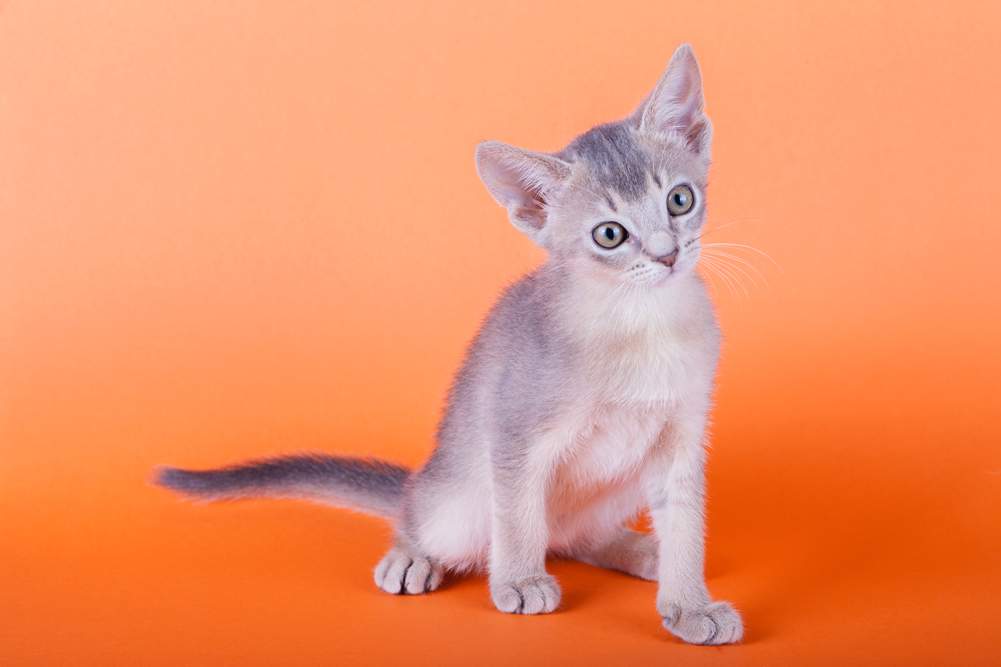
| Blue | Warm beige-gray | Slate blue / steel blue | Dark pink/mauve | Mauve/slate |
| Fawn | Warm rose-beige | Cocoa / antique white | Pink with pink edging | Pink |
| Silver Ruddy | Silver-white base | Black ticking over silver | Dark red with dark edge | Black |
| Silver Blue | Silver-white base | Blue-gray ticking over silver | Dark pink | Blue-gray |

CC BY-SA 3.0 • 667×1,000 px • Valerius Geng

CC BY-SA 3.0 • 667×1,000 px • Valerius Geng

CC BY 3.0 • 649×800 px (324 KB)

CC BY-SA 4.0 • 1,858×1,234 px (165 KB) • Author: Oleg Royko • 2021

Wikimedia Commons • Abyssinian_cat.png • 400×300 px (104 KB) • Uploaded 2004 (Bakerq)
Origins & Early History
- Zula – the first documented Abyssinian (1868): According to historical records, a cat named “Zula” was brought to England by Captain (later Major General) Sir Robert Napier’s forces after the British Expedition to Abyssinia (1867–1868); Zula was described as having a ticked coat resembling a wild rabbit; this cat is cited as the breed’s founding individual.
- Early breed development (1870s–1890s): British breeders including Harrison Weir (founder of the cat fancy) began standardizing the Abyssinian type; the first breed standard was published in 1889; breeding focused on preserving the ticked coat and lithe body while selecting for consistency of type.
- First stud book entry: The Abyssinian was first entered in the British stud books in the late 1880s; by 1900 the breed was established enough to have dedicated classes at British cat shows.
Historical Timeline
| Period | Key Development |
|---|---|
| 1868 | “Zula” reportedly brought to England from Abyssinia after British military expedition; first documented Abyssinian in the West |
| December 1871 | First Crystal Palace Cat Show, London; an Abyssinian cat wins 3rd prize “best imported cat”; first documented show appearance |
| 1874 | First published description in H. Weir’s book Cats and Kittens; the name “Abyssinian” formally established |
| 1889 | First published breed standard in Britain; breed recognized by UK cat registry |
| 1914–1918 (WWI) | Nearly all Abyssinians in Europe lost; breed rebuilt from very few surviving individuals; American imports essential |
| 1909 | First Abyssinians imported to the United States; breed begins development in American lines |
| 1935 | CFA (Cat Fanciers’ Association) formally recognizes the Abyssinian for championship competition |
| 1939–1945 (WWII) | Again nearly wiped out in Europe; fewer than 12 Abyssinians survived in Britain by 1945; American breeding essential to revival |
| 1960s–1970s | Breed fully re-established internationally; longhaired mutation named “Somali” recognized as separate breed (1978 by CFA) |
| 2008 | Genetic study (Lipinski et al.) finds closest wild relative of Abyssinian is from Indian Ocean coastal region, not East Africa; origin debate continues |
| 2024–2026 | Consistently top 5 most popular breed globally; DNA health testing standard for PRA and PKDef among responsible breeders |

The 1871 Crystal Palace Cat Show
- The first modern cat show: The first organized cat show in history was held at Crystal Palace, London, in July 1871, organized by Harrison Weir; a second show was held in December 1871 at which the Abyssinian was documented receiving a 3rd prize for “best imported cat.”
- Historical documentation: The contemporary newspaper report documenting the prize-winning cats at Crystal Palace is one of the earliest written records of the Abyssinian breed; it describes the cat’s appearance in terms consistent with the modern breed standard — the distinctive ticked coat and lithe build.
- Harrison Weir’s role: Harrison Weir (1824–1906), known as the “Father of the Cat Fancy,” organized the first Crystal Palace shows; his 1889 book Our Cats and All About Them provided the first formal written standard for the Abyssinian.
- Breed establishment: The Crystal Palace shows established a framework for pedigree cat breeding and showing that continues today; the Abyssinian’s early show success contributed to its quick standardization as one of the first recognized breeds.

CC BY-SA 2.0 • 3,800×2,600 px (3.85 MB) • Modern international cat show

CC BY-SA 3.0 • 671×1,000 px (468 KB) • Author: Valerius Geng

CC BY-SA 2.0 • 2,216×1,473 px (647 KB) • Author: John Morton
CC BY-SA 2.0 • 3,008×2,000 px (1.5 MB) • Author: John Morton
Core Behavioral Traits
- Perpetual curiosity: The Abyssinian is universally described as one of the most curious cats of any breed; it investigates everything, opens doors, explores bags, and monitors all household activity with intense interest; it has been called “the cat that needs to be involved in everything.”
- People-bonding: Deeply people-oriented; forms strong bonds with its owner(s); follows people from room to room; is often described as “dog-like” in its loyalty and desire to participate in human activities.
- Not a lap cat: Despite strong human attachment, Abyssinians rarely sit still long enough for extended lap time; they prefer to be near their people, beside them, or watching them rather than on them; some individuals do enjoy brief cuddle sessions.
- Vocal communicator: Uses a soft, chirping voice; not as vocal as Oriental breeds but regularly communicates with its owners through soft trills, chirps, and small meows; very expressive with vocalizations and body language.
- Playful throughout life: Retains kitten-like playfulness well into old age; interactive play is essential for physical and mental health; will learn to fetch, perform tricks, and walk on harness/leash with training.
- High intelligence: Learns quickly; may become destructive if bored; benefits from puzzle feeders, interactive toys, and regular human engagement; can be trained to perform complex behaviors.
Temperament Profile
| Trait | Level | Notes |
|---|---|---|
| Activity level | Very High | One of the most active domestic cat breeds |
| Curiosity | Very High | Investigates everything; opens things; explores |
| Affection with family | High | Loyal; follows owner; not always a lap cat but bonds deeply |
| Vocalization | Moderate | Chirps and trills; not a constant yowler |
| Dog-friendliness | High | Good with cat-friendly dogs; matches dog energy |
| Child-friendliness | High | Enjoys active play; good with children who respect cats |
| Intelligence | Very High | Learns tricks; harness training; puzzle toys essential |
| Grooming needs | Low | Short ticked coat; minimal shedding; weekly brush sufficient |

CC BY-SA 2.0 • 1,646×1,278 px (355 KB) • 17 December 2006

CC BY-SA 2.0 • 956×956 px (152 KB) • 2006, cropped 2023
Physical Activity Requirements
- Climbing: Exceptional climbers; the highest point in any room will inevitably be colonized by an Abyssinian; tall cat trees (180 cm+) are not optional but essential for this breed; loves cat shelves and catios.
- Running & jumping: Short bursts of intense speed and leaping; can jump to remarkable heights from a standing start; benefits from open spaces and running opportunities; not suitable for permanent small apartment life without extensive enrichment.
- Interactive play: Wand toys, feather teasers, and electronic automated toys; needs 20–30 minutes of active play daily; enjoys hunting-type games that exercise instincts; will self-exercise if environment is enriched.
- Leash walking: Adapts well to harness and leash training when introduced young; outdoor exploration on leash provides excellent mental and physical stimulation; some Abyssinians become avid leash walkers.

CC BY-SA 4.0 • 3,708×2,868 px (1.2 MB) • Munich, Feb 2016
CC BY-SA 4.0 • 1,365×2,048 px • Sorrel color developing
Developmental Stages
- Birth to 4 weeks: Abyssinian kittens are born with eyes and ears closed; coat appears darker and more uniform; the ticking pattern is not visible yet; eyes open between 7–14 days; ears begin to erect; weight approximately 80–100g at birth; litters of 3–6 kittens typical.
- 4–8 weeks: The ticked coat pattern begins to develop; kitten is extremely active; socialization window begins around week 3–4; the characteristic large ears are proportionally enormous at this stage, giving kittens an almost comical appearance; highly responsive to human handling.
- 8–16 weeks: Critical socialization window; Abyssinian kittens are among the most active and mischievous at this stage; the full ticking pattern continues developing; eye color settles from blue to adult color (gold, green, hazel, copper) between 8–12 weeks; adoption age 12–16 weeks recommended for mental stability.
- 3–12 months: Rapid growth; the Abyssinian retains extremely high energy throughout the first year; harness training, trick training, and establishing interactive play routines is most effective at this age; the full adult coat and color is established by 12–18 months.
- 18 months–3 years: Reaches full adult size and weight; the Abyssinian typically mellows very slightly from the kitten energy peak but remains a highly active adult breed throughout life; the playful, curious personality is permanent.
CC BY-SA 2.0 • 3,800×2,600 px (3.85 MB)

CC BY-SA 3.0 • 718×474 px (48 KB) • Breed comparison
Show Ring Evaluation (CFA Standard)
- Head (25 points): Skull contour; ears (size, placement, tufts); eye shape, color, and expression; muzzle and chin; nose and forehead profile; overall head balance.
- Body (30 points): Torso (medium length, lithe, muscular); legs and feet (slim, long, small oval feet); tail (thick base, tapering); boning and musculature.
- Coat (10 points): Texture and density; correct ticking (minimum 4 bands per hair); absence of tabby markings on body; spine line; coat lies flat.
- Color (35 points): Correct overall color impression for variety; ticking contrast and warmth; lack of white markings (penalized); correct nose leather and paw pad color; belly color; spine stripe.
- Show disqualifications: White lockets; incorrect eye color; kinked or abnormal tail; incorrect number of toes; poor health or condition; excessively shy or aggressive temperament.

CC BY-SA 3.0 • 1,001×667 px (326 KB) • Author: Valerius Geng

CC BY-SA 3.0 • 1,000×667 px (306 KB) • Author: Valerius Geng
Health Status Overview
The Abyssinian is generally a robust, healthy breed with a lifespan of 12–15 years. Genetic health testing for the two major hereditary conditions (PRA-rdAc and PKDef) is available and should be standard practice for all breeding animals. Both conditions can be effectively eliminated through responsible breeding with tested animals.
| Health Condition | Risk Level | DNA Test | Notes |
|---|---|---|---|
| Progressive Retinal Atrophy (PRA-rdAc) | High if not tested | Yes (rdAc test) | Inherited retinal degeneration causing progressive blindness; autosomal recessive; DNA test allows complete elimination from breeding; onset typically 2–5+ years |
| Pyruvate Kinase Deficiency (PKDef) | Moderate if not tested | Yes (PK deficiency test) | Hemolytic anemia from deficient erythrocyte enzyme; autosomal recessive; DNA test available; clinical signs: anemia, lethargy, abdominal distension; can be eliminated through testing |
| Renal Amyloidosis | Moderate | No DNA test | Amyloid deposits in kidneys leading to renal failure; Abyssinians and related breeds (Somali) have elevated prevalence; familial in some lines; regular kidney function monitoring after age 4 recommended |
| Hypertrophic Cardiomyopathy (HCM) | Low-moderate | No universal test | Most common cardiac condition in cats; Abyssinians have some breed predisposition; annual or biennial echocardiography for breeding cats recommended; some lines more affected than others |
| Dental disease | Moderate | N/A | Periodontal disease common in all cats; daily dental brushing or dental health treats; professional cleaning as needed; gingivitis can occur in young adults |
Responsible Breeding Standards
- Mandatory health testing: PRA-rdAc DNA test and PKDef DNA test for all breeding animals; both parents should be tested clear (N/N) or carrier (N/rdAc or N/PK) × clear to ensure no affected kittens; carrier animals can be bred only to clear partners; results should be publicly registered.
- HCM screening: Echocardiogram by board-certified cardiologist; annual screening for breeding animals; particularly for stud males who will be bred widely.
- Renal health monitoring: Annual blood urea nitrogen (BUN) and creatinine levels; early detection of renal amyloidosis allows supportive management; exclusion of affected animals from breeding programs.
- Color genetics management: Ruddy × ruddy, sorrel × sorrel, and cross-color pairings all produce predictable color results; the blue and fawn are dilutes produced by two copies of the dilute gene (dd); silver requires the I (Inhibitor) gene; color genetics should be planned to maintain variety and avoid producing excessive dilute offspring where not desired.
Litter & Whelping Information
- Litter size: 3–6 kittens typically; average 4; Abyssinian queens generally whelp naturally without difficulty; the kittens are born with darker, more uniform coats that develop the ticking pattern over weeks to months.
- Socialization program: Breeder-initiated socialization (handling, varied sounds, gentle stimulation) from birth to 12 weeks produces well-adjusted kittens; Abyssinian kittens benefit enormously from early, varied human contact.
- Rehoming age: 12–16 weeks minimum; allowing full vaccination series, veterinary health check, and appropriate social bonding before placement; many responsible breeders wait until 16 weeks.

CC BY-SA 3.0 • 667×1,000 px (303 KB) • Author: Valerius Geng

CC BY-SA 3.0 • 667×1,000 px (270 KB) • Author: Valerius Geng
Indoor Environment Requirements
- Vertical space: Essential, not optional; tall cat trees (minimum 150–180 cm); wall-mounted shelves; window perches; the Abyssinian will always find the highest point available; enriched vertical environment dramatically reduces destructive behavior.
- Outdoor access: If outdoor access is provided, a secure catio (cat enclosure) or supervised harness-leash walks are preferred over free-roaming; outdoor Abyssinians face traffic, predator, and disease risks; their high curiosity and activity make them prone to wandering far from home.
- Companionship: Abyssinians do well with another active cat or a cat-friendly dog; they can become stressed or destructive if left alone for extended hours daily; a companion animal significantly improves welfare for cats whose owners work full-time.
Grooming & Nutrition
- Coat grooming: Very low-maintenance; weekly brushing with a rubber curry brush or grooming glove is sufficient; the short, fine, ticked coat does not mat and sheds moderately; spring and autumn shedding seasons may benefit from slightly more frequent brushing.
- Bathing: Rarely needed; monthly or only when soiled; the Abyssinian’s coat is naturally clean and odor-resistant; most Abyssinians tolerate baths reasonably well when introduced young.
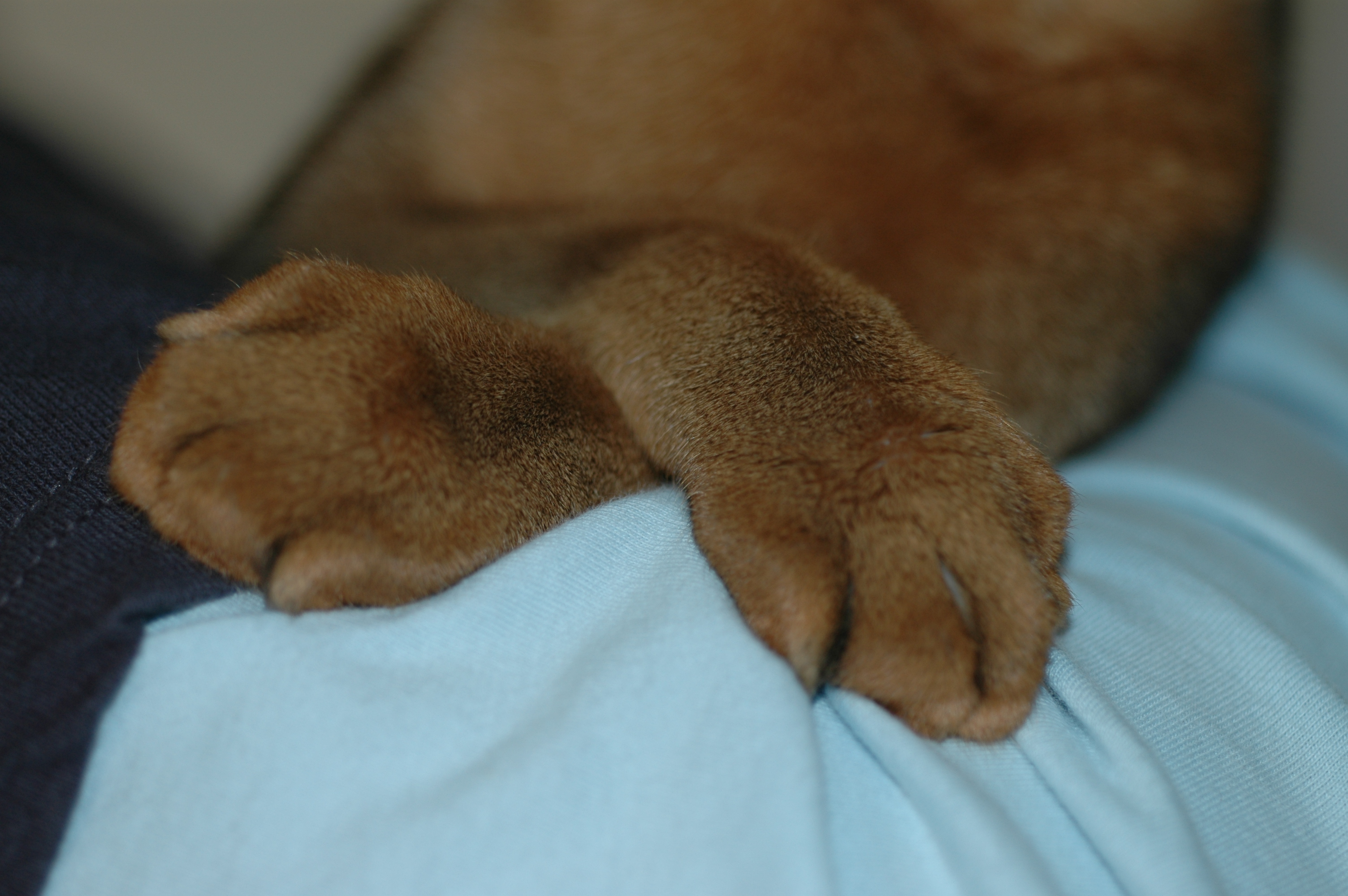
- Nail care: Trim nails every 2–3 weeks; scratching posts are essential (multiple); the Abyssinian’s active climbing may help naturally wear nails but should not replace regular trimming.
- Dental care: Daily brushing with cat toothpaste is ideal; dental treats and water additives may supplement; professional dental cleanings as recommended by veterinarian.
- Diet: High-quality protein-rich diet (wet food preferred for hydration; dry food supplementary); age-appropriate portions; monitor weight as Abyssinians burn calories through high activity but can become obese if overfed and under-exercised; avoid overfeeding.
1. What is the Abyssinian cat?
The Abyssinian is a slender, medium-sized domestic cat breed known for its distinctive ticked tabby coat, large erect ears, almond-shaped eyes, and highly active, curious personality. It is one of the oldest pedigree breeds, first exhibited at the Crystal Palace, London, in 1871, and is recognized by all major cat registries including CFA, FIFe, TICA, and GCCF.
2. Where does the Abyssinian cat come from?
Despite its Ethiopian name, genetic studies (Lipinski et al., 2008) suggest the Abyssinian’s closest wild relatives are from the Indian Ocean coastal region and Southeast Asia, not East Africa. The first documented Abyssinian “Zula” was reportedly brought to England from Abyssinia after the 1868 British Expedition; the breed was formalized in Victorian England from the 1870s onward.
3. What colors does the Abyssinian cat come in?
The four main colors are: Ruddy (warm orange-brown with black ticking), Sorrel/Red (cinnamon-brown with chocolate ticking), Blue (warm beige-gray with slate blue ticking), and Fawn (warm rose-beige with cocoa ticking). Silver variants of each color are recognized by some registries.
4. What is the temperament of the Abyssinian cat?
Abyssinians are highly active, curious, intelligent, and people-oriented. They follow their owners everywhere, need to be involved in all household activities, and rarely sit still for extended periods. They communicate through soft chirps and trills and are described as “dog-like” in their loyalty and engagement with their owners.
5. Is the Abyssinian a healthy breed?
Generally healthy with good lifespans, but predisposed to Progressive Retinal Atrophy (PRA-rdAc) and Pyruvate Kinase Deficiency (PKDef). Both conditions have DNA tests available; responsible breeders test all breeding animals and only breed tested-clear individuals or clear × carrier pairings to prevent affected kittens.
6. How big do Abyssinian cats get?
Abyssinians are medium-sized cats: females 3–5 kg (6.5–11 lbs), males 4–7 kg (9–15 lbs). They appear larger than their weight due to their tall, erect posture on long legs, large ears, and athletic build. They are described as feeling heavier than they look due to their dense muscle.
7. Are Abyssinian cats good pets?
Excellent pets for active households that can match their energy. They are not ideal for those seeking a quiet lap cat. They need climbing space, interactive play, and mental stimulation. They do well in families, with children, and with other pets. For engaged owners, the Abyssinian is among the most rewarding cat breeds.
8. What is the ticked coat of the Abyssinian?
The ticked tabby coat is produced by the agouti tabby allele (Ta) which creates alternating dark and light bands on each individual hair (4–6 bands per hair), producing a warm, shimmering coat with no visible body stripes or spots. This pattern is the same mechanism that gives rabbits and wild felids like cougars their agouti coloring.
9. How long do Abyssinian cats live?
Abyssinian cats typically live 12–15 years, with well-cared-for individuals often reaching their mid-to-late teens. Regular veterinary care, genetic health screening by breeders, proper nutrition, and an enriched indoor environment contribute to longevity. Some individuals have been documented living past 20 years.
10. Are Abyssinian cats rare?
Abyssinians are not rare — they are consistently ranked among the top 5 most popular breeds globally by CFA annual registration statistics. However, finding a reputable breeder with health-tested lines may require time and a waitlist. Quality health-tested kittens from championship lines are in high demand.
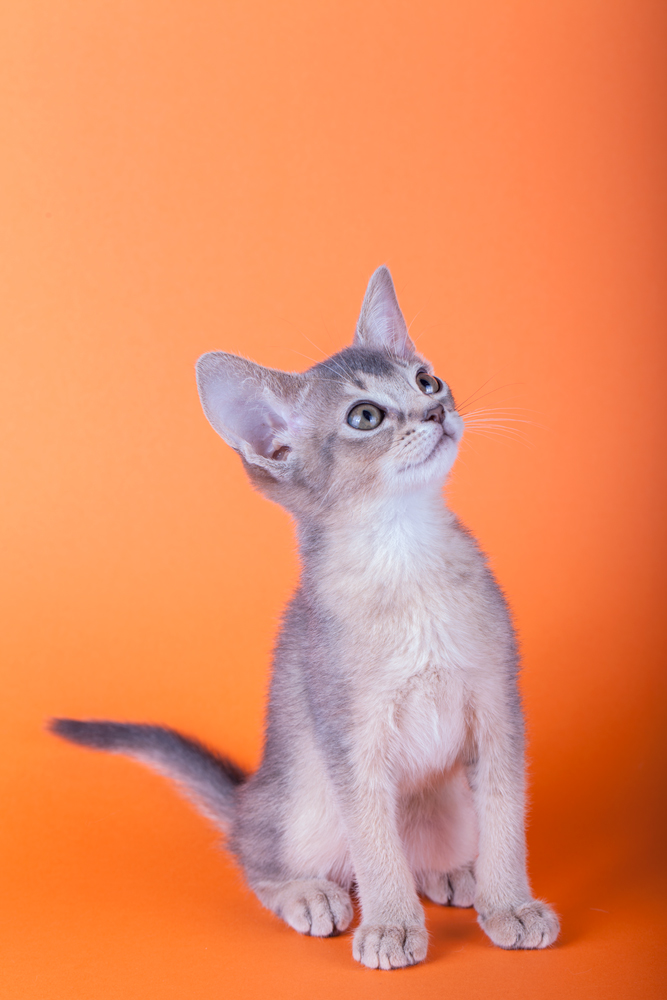
CC BY-SA 3.0 • 667×1,000 px (279 KB) • Author: Valerius Geng

CC BY-SA 3.0 • 668×1,000 px (304 KB) • Author: Valerius Geng
Directly Related Breeds
- Somali Cat – The longhaired Abyssinian; a natural longhaired mutation of the Abyssinian discovered in litters; recognized as a separate breed by CFA in 1978; identical in type, temperament, and color to the Abyssinian with a semi-long, full flowing coat and bushy tail.
- Ocicat – Created using Abyssinian, Siamese, and American Shorthair; the spotted tabby pattern of the Ocicat is genetically distinct from Abyssinian ticking; shares the Abyssinian’s people-oriented, active temperament.
- Singapura – Small Southeast Asian breed with a sepia ticked tabby coat closely resembling the Abyssinian ticking; genetic studies suggest shared ancestry with Abyssinian-related cats from the Indian Ocean region.
Other Cat Breed Encyclopedias
- Affenpinscher Dog Breed – Dog breed encyclopedia for cross-species reference.
- Alano Español Dog Breed – Ancient Spanish Alaunt dog breed encyclopedia.
- View All Cat Breed Encyclopedias – Complete directory of 80+ cat breed encyclopedias at Encyclopedia.guru.
Explore our trusted network of partner websites covering directories, encyclopedias, marketplaces, education, health, finance, and more across Indonesia and beyond.
- This encyclopedia is educational in nature; reflects current breed documentation as of March 2026.
- All images sourced exclusively from Wikimedia Commons MediaSearch (“Abyssinian cat”) with verified open licenses (CC BY-SA 4.0, CC BY-SA 3.0, CC BY-SA 2.0, CC BY 3.0, and Public Domain). Only cat/Abyssinian-related images included.
- Historical Crystal Palace newspaper image (Abyssinian_Crystal-Palace.jpg) is Public Domain (1871).
- Health information is for educational purposes only; consult a qualified veterinarian for specific health advice.
Primary References
- CFA: Cat Fanciers’ Association; Abyssinian Breed Standard; Championship recognition.
- FIFe: Fédération Internationale Féline; Category III Short-haired breeds; Abyssinian standard.
- Lipinski MJ et al. (2008): “The Ascent of Cat Breeds: Genetic Evaluations of Breeds and Worldwide Random-Bred Populations.” Genomics 91(1):12–21. Identified Indian Ocean coastal origin of Abyssinian ancestors.
- Weir, Harrison (1889): Our Cats and All About Them; first formal published Abyssinian breed standard.
- Crystal Palace Cat Show Reports (1871): Contemporary newspaper documentation; first recorded show appearance of the Abyssinian breed.
- PRA-rdAc: Bhosale et al. (2009); DNA test developed and validated for rdAc mutation causing Progressive Retinal Atrophy in Abyssinians; test available through multiple accredited veterinary genetics laboratories.
- PKDef (Pyruvate Kinase Deficiency): Grahn et al.; Randolph et al.; DNA test available through multiple accredited laboratories.
Image Attribution Summary (22 Images)
- Hero: Abyssinian_cat_(8435140773).jpg • CC BY-SA 2.0 • 1,199×752 px • Aleksandr Markin • 2013
- Intro/Breed pairs: Abessinierkater1.jpg (CC BY-SA 3.0, Martin Bahmann) • Gustav_chocolate.jpg (CC BY-SA 4.0)
- Breed standard: Abyssinian_cat_01–03.jpg • Abyssinian_cat_07.jpg • CC BY-SA 3.0 • Valerius Geng • 2014
- Head portraits: Abyssinian_cat_-_Patricia_(cropped).jpg (CC BY-SA 4.0, Oleg Royko, 2021) • Abyssinian_Cat_Portrait.Idsfa.jpg (CC BY-SA 2.0, John Morton)
- Colors (9 images): ruddy, ruddy02-05, blue, fawn (3 versions), sorrel kitten • Various CC licenses, Valerius Geng / multiple authors
- History: Abyssinian_cat_-_Patricia.jpg (CC BY-SA 4.0) • Abyssinian_cat.png (2004, uploaded Bakerq)
- Crystal Palace: Abyssinian_Crystal-Palace.jpg • Public Domain (1871)
- Shows: ABY_abyssinian_cat_on_Moscow_show.jpg (CC BY-SA 2.0) • Abyssinian_and_Indian_Cat.JPG (CC BY-SA 3.0) • Abyssinian_05.jpg (CC BY-SA 3.0)
- Climbing: Blue_Abyssinian_Cat_in_Tree (CC BY-SA 2.0) • Blue_Abyssinian_Cat_in_Tree_(cropped_2023) (CC BY-SA 2.0)
- Kittens: Young_Abyssinian_cat.jpg (CC BY-SA 4.0, 2016) • Abessinierkatze_Sorrel.jpg (CC BY-SA 4.0, 2026)
- Health/Care: Abyssinian_cat_08.jpg • Abyssinian_cat_09.jpg • Abyssinian_cat_05.jpg • Abyssinian_cat_06.jpg • CC BY-SA 3.0 • Valerius Geng
- Behavior: Abyssinian_cat_cleaning.jpg (CC BY-SA 2.0, John Morton) • Abyssinian_cat_paws.jpg (CC BY-SA 2.0, John Morton)
- Related: Abyssinian_cat_04.jpg • Abyssinian_03.jpg • CC BY-SA 3.0 • Valerius Geng
About the Author: Encyclopedia.guru Expert Writing Team
The Encyclopedia.guru writing team consists of experienced feline researchers, certified cat breed specialists, veterinary consultants, and professional animal science writers. Specialists in pedigree cat breeds, CFA/FIFe standards, genetic health testing, Victorian cat fancy history, and ticked tabby coat genetics.
🌐 Visit Encyclopedia.guru – 80+ comprehensive cat breed encyclopedias and 100+ dog breed encyclopedias.
© 2026 – Encyclopedia.guru – Abyssinian Cat Encyclopedia (Felis catus)
Ticked Tabby Breed • CFA & FIFe Recognized • 22 Wikimedia Commons images with full attribution • Updated: 24 March 2026