🐕 Encyclopedia of Shiba Inu (Canis familiaris)
Comprehensive breed encyclopedia: Shiba Inu origins in ancient Japan, Doge internet fame, Japanese Natural Monument status, breed standard & conformation, coat colors, and international breed recognition
✏️ Written by the Encyclopedia.guru Expert Writing Team | Last Updated: March 24, 2026 | Reviewed by Certified Canine Specialists
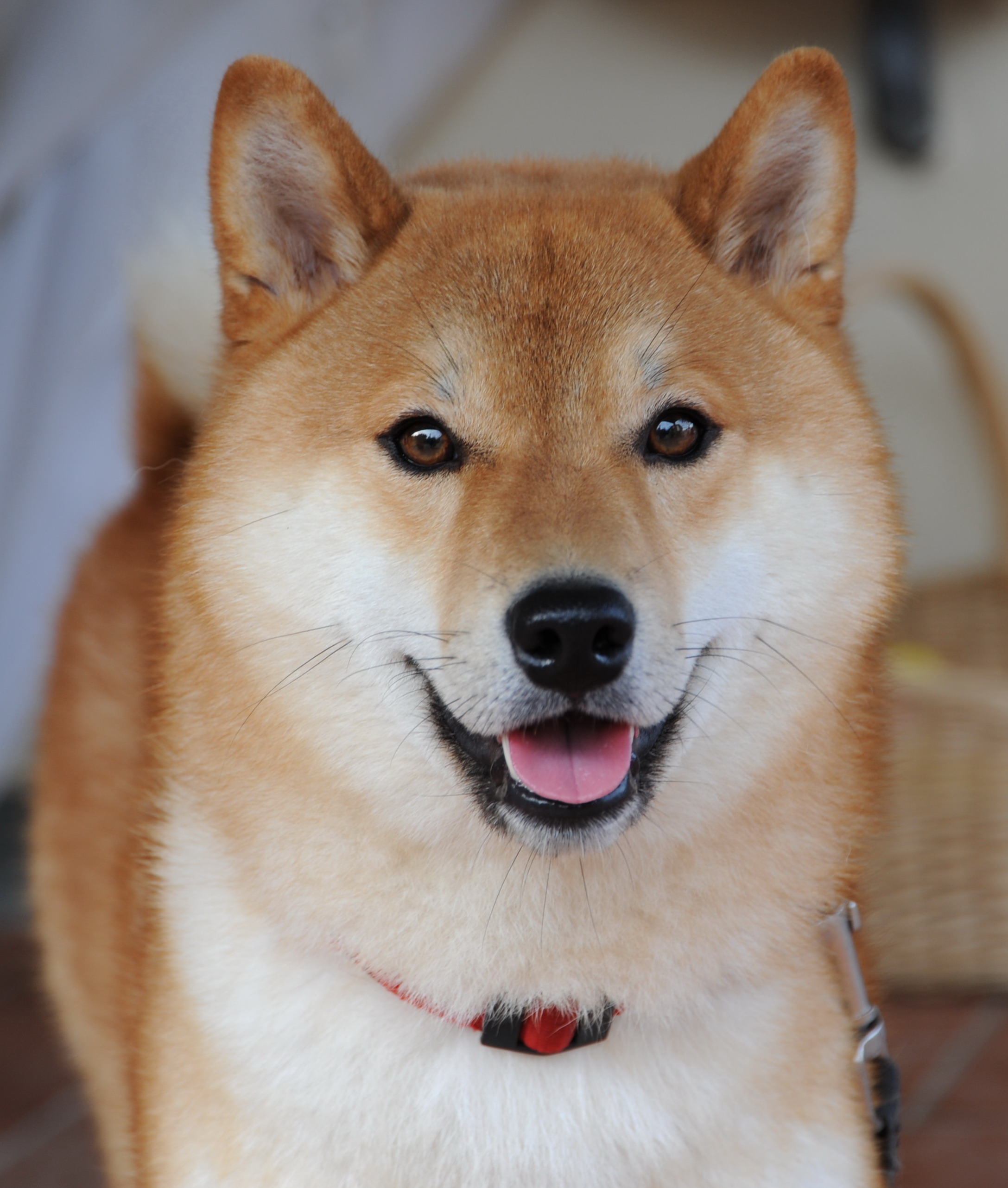
The Shiba Inu (Canis familiaris), known in Japan simply as the Shiba (柴犬), is the smallest and perhaps the most ancient of the six original distinct spitz breeds of dog native to Japan. Originating from the mountainous regions of central Japan, the Shiba was historically used as a hunting dog for flushing small game and birds. Designated a Natural Monument of Japan in 1936, the breed has transformed from a rugged mountain hunter into one of the world’s most beloved companion animals.
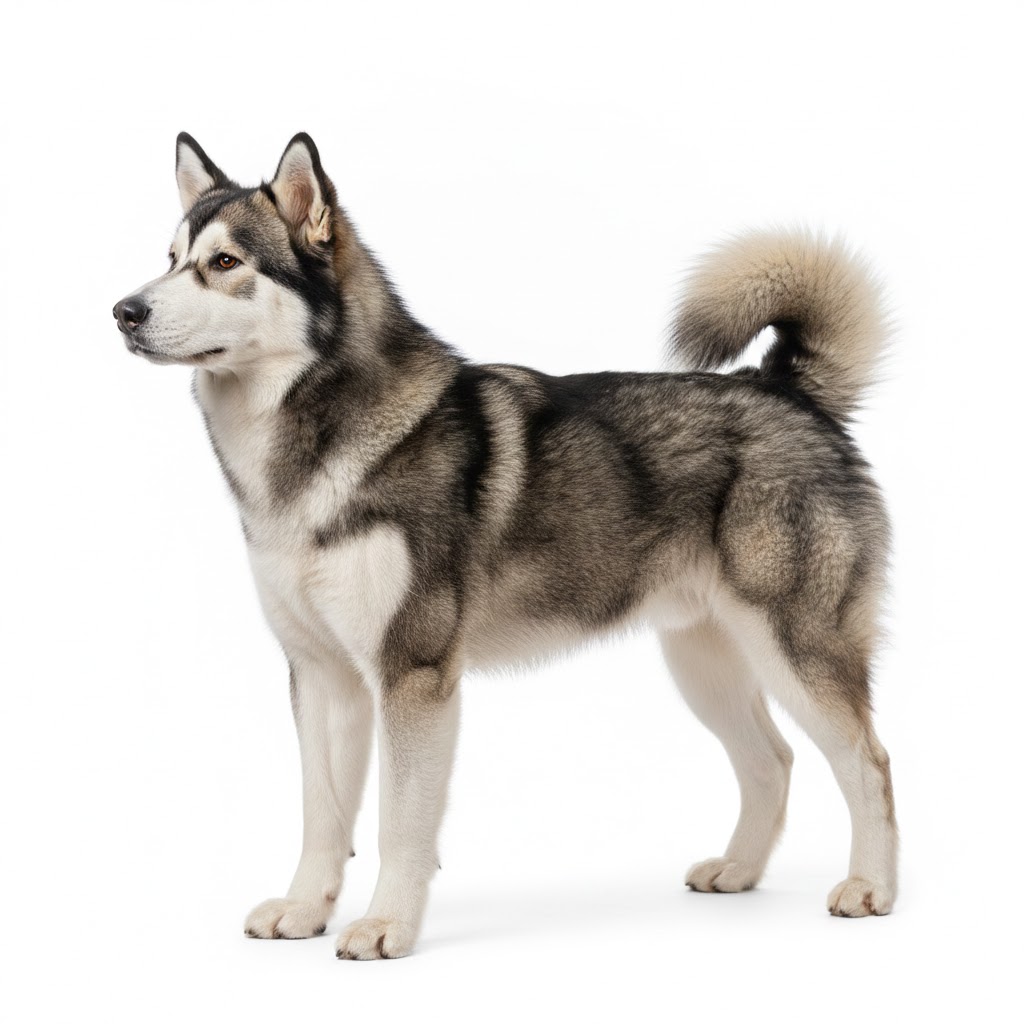
Today, the Shiba Inu is celebrated globally not only for its clean, cat-like demeanor and spirited personality, but also for its massive impact on modern digital culture, famously inspiring the “Doge” meme and subsequent cryptocurrency. Despite its small stature compared to its larger cousin, the Akita, the Shiba possesses a big-dog attitude—bold, fiery, and deeply loyal.
- Natural Monument of Japan: Designated a Natural Monument of Japan in 1936; the smallest of Japan’s six native breeds.
- Ancient Lineage: Genetic analysis places the Shiba Inu as a basal breed, meaning its lineage dates back further than most modern breeds.
- The Shiba Scream: Known for a unique vocalization—a high-pitched, loud scream emitted when highly provoked, happy, or unhappy.
- Cat-Like Cleanliness: Shibas are extraordinarily fastidious, often grooming their paws and legs like cats, and are notably easy to house-train.
- Urajiro Requirement: Must possess urajiro (cream to white ventral color) on the cheeks, inner ears, muzzle, and underbelly.
The Shiba Inu is a masterpiece of Japanese breeding, preserving the ancient spitz-type dog in a compact, athletic package. Unlike Western dogs bred for specific aesthetic traits during the Victorian era, the Shiba’s form follows its historical function as a rugged, agile hunter of small game in dense brushwood.
Cultural & Historical Significance
- Ancient Roots: Evidence of Shiba-like dogs dates back to the Jomon period (14,500 BC – 300 BC) in Japan.
- Brushwood Hunter: The name “Shiba” means brushwood in Japanese, referencing either the terrain they hunted in or the reddish color of their coat resembling autumn brush.
- Modern Resurgence: Nearly wiped out during World War II due to bombing and a distemper epidemic, the breed was saved using three surviving bloodlines: San In, Mino, and Shinshu.
Systematic Classification
| Taxonomic Rank | Classification |
|---|---|
| Kingdom | Animalia |
| Phylum | Chordata |
| Class | Mammalia |
| Order | Carnivora |
| Family | Canidae |
| Genus | Canis |
| Species | C. familiaris |
| AKC Group | Non-Sporting Group (recognized 1992) |
| FCI Group | Group 5, Section 5 – Asian Spitz |
AKC Physical Standards
| Feature | Standard Description |
|---|---|
| Height (male) | 14.5–16.5 inches (37–42 cm) at the withers |
| Height (female) | 13.5–15.5 inches (34–39 cm) |
| Weight | Males approx. 23 lbs (10 kg); Females approx. 17 lbs (8 kg) |
| Head | Fox-like expression; broad, flat skull; moderate stop |
| Eyes | Triangular, deep-set, dark brown with dark eye rims |
| Ears | Triangular, firmly pricked, small, tilting forward |
| Tail | Thick and powerful; carried over the back in a sickle or curled position |
Facial Feature Standards
- Skull: Broad and flat with a slight furrow; distinct stop.
- Eyes: A defining characteristic of the breed is its triangular, slanted eyes, which give the Shiba its spirited, fox-like expression.
- Ears: Thick, triangular, and inclined slightly forward, contributing to an alert appearance.
- Cheeks: Well-developed, adding to the broadness of the face.
Coat Standards Table
| Feature | Description |
|---|---|
| Coat length | Short, dense double coat. Guard hairs stand off the body. |
| Accepted colors | Red, black and tan, sesame (red with black-tipped hairs). |
| Urajiro | Required in all colors. Cream to white ventral markings on cheeks, muzzle, throat, chest, and belly. |
| Cream/White | Considered a major fault in show rings as it obscures the required Urajiro, but extremely popular in pet homes. |
Development Timeline
| Period | Key Development |
|---|---|
| Jomon Period | Earliest ancestors of the Shiba arrive in Japan with immigrants. |
| 1928 | Nihon Ken Hozonkai (NIPPO) founded to preserve native Japanese breeds, including the Shiba. |
| 1936 | Designated a Natural Monument of Japan. |
| 1954 | First documented Shiba Inu brought to the United States by an American armed forces family. |
| 1992 | Full recognition by the American Kennel Club (AKC). |
The Story of Kabosu and Doge
- The Meme: In 2013, a photograph of a female Shiba Inu named Kabosu, taken by her owner Atsuko Sato, went viral. The image, featuring Kabosu glaring sideways at the camera with raised eyebrows, became known as “Doge.”
- Cultural Impact: Doge became one of the most recognizable memes of the 2010s, characterized by colorful Comic Sans text representing internal monologues (e.g., “much wow,” “very doge”).
- Cryptocurrency: The meme spawned Dogecoin (DOGE) in 2013, initially created as a joke but eventually growing into a major cryptocurrency with a market cap in the tens of billions of dollars.
Core Behavioral Traits
- Independent nature: Highly independent and self-sufficient. They are not overly affectionate with strangers and often act like cats.
- High prey drive: Due to their hunting origins, they will chase small animals. They must be kept on a leash in unfenced areas.
- The “Shiba Scream”: When unhappy with a situation (like nail trimming or a bath), Shibas produce a loud, high-pitched scream.
- Stubbornness: Known to be strong-willed, making early obedience training essential.
While not formally separated into two breeds like the Akita, purists often note differences between Shibas bred in Japan (adhering strictly to NIPPO standards) and those bred in the West.
- Japanese Lines: Tend to have a more pronounced fox-like face, highly defined Urajiro, and slightly more reserved temperaments.
- Western Lines: Can sometimes appear slightly larger or “plushier” in coat, with more temperament variations due to different breeding priorities in the companion dog market.
Developmental Stages
- 8–16 weeks: Critical socialization period. Because Shibas are naturally wary of strangers and other dogs, intense, positive socialization during this window is non-negotiable.
- Teething: Shibas can be mouthy puppies; providing appropriate chew toys is essential.
- House Training: Shibas are notoriously easy to house-train. Their natural fastidiousness often means they virtually house-train themselves by 8 weeks.
Show Ring Standards
- AKC shows: Judged in the Non-Sporting Group. Emphasis on the unique oriental expression, agile movement, and proper double coat.
- NIPPO shows (Japan): The ultimate authority on native Japanese breeds. NIPPO judges strictly evaluate the dog’s Kan-i (spirited boldness), Ryosei (good nature), and Soboku (artless simplicity).
Health Status Overview
The Shiba Inu is a generally healthy and long-lived breed, frequently reaching 12-15 years of age.
| Health Condition | Risk Level | Notes |
|---|---|---|
| Allergies (Atopy) | Moderate-High | Skin allergies are the most common health issue in the breed, often requiring dietary management or medication. |
| Patellar Luxation | Moderate | Slipped stifles; common in many smaller breeds. Regular vet checks recommended. |
| Glaucoma & Cataracts | Moderate | Annual eye exams (CAER) are recommended for breeding stock. |
| Hip Dysplasia | Low-Moderate | Less common than in large breeds, but OFA screening is still advised. |
Responsible Breeding Standards
- Health testing: OFA evaluation for patellas, hips, and an annual ophthalmologist exam.
- Temperament: Aggressive or overly timid Shibas should not be bred. The standard calls for a bold, spirited, but good-natured dog.
Exercise & Space Requirements
- Exercise needs: Moderate to high. Requires daily walks and mental stimulation. An under-exercised Shiba will become destructive.
- Grooming: Needs regular brushing, especially during the heavy shedding seasons (spring and fall) when they “blow” their undercoat.
- Leash laws: Never trust a Shiba off-leash in an unfenced area. Their prey drive will override any obedience training if they spot a squirrel.
1. Is the Shiba Inu a good apartment dog?
Yes, provided they get enough daily exercise. They are clean, relatively quiet indoors, and do not need a huge backyard if walked regularly.
2. Do Shiba Inus bark a lot?
Generally, no. They are not nuisance barkers, but they will alert you to strangers. However, they are known for their high-pitched “Shiba scream” when upset.
3. Are they good with children?
They can be, if raised with them. However, Shibas do not tolerate rough handling and will protect their space. They are better suited for older, respectful children.
Explore our trusted network of partner websites covering directories, encyclopedias, marketplaces, education, health, finance, and more across Indonesia and beyond.
- This encyclopedia is educational in nature and reflects current breed documentation.
- Health information is for general educational purposes; consult a qualified veterinarian for specific health advice.
About the Author: Encyclopedia.guru Expert Writing Team
The Encyclopedia.guru writing team consists of experienced canine researchers, certified dog breed specialists, and professional animal science writers.
© 2026 – Encyclopedia.guru – Shiba Inu Encyclopedia (Canis familiaris)
Natural Monument of Japan • AKC Non-Sporting Group • FCI Group 5 • Updated: 24 March 2026