🐕 Encyclopedia of Alaskan Malamutes (Canis familiaris)
Comprehensive breed encyclopedia on Alaskan Malamutes: breed standard, conformation documentation, coat varieties, sled dog heritage, competition records, breed history, temperament, health genetics, and international breed recognition
✍️ Written by the Encyclopedia.guru Expert Writing Team | Last Updated: March 1, 2026 | Reviewed by Certified Canine Specialists

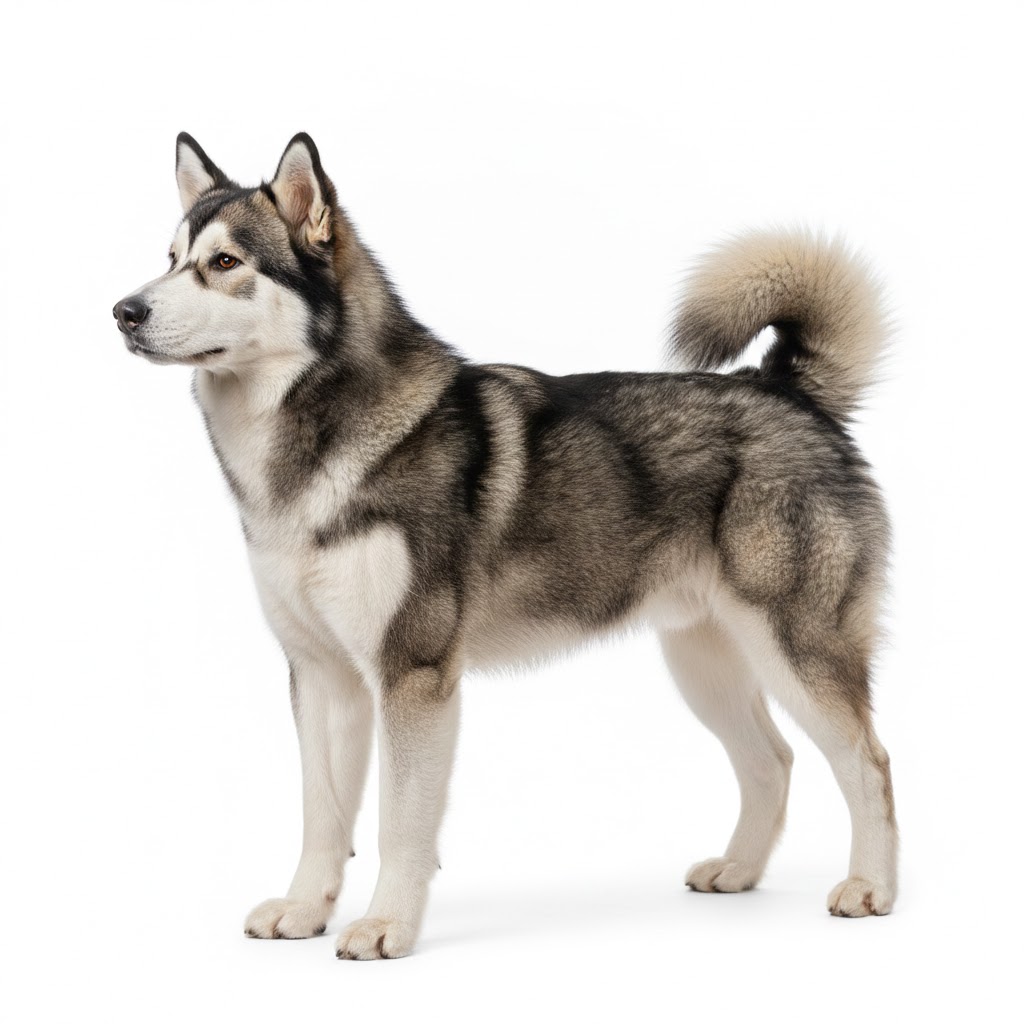
File: Alaskan_Malamute.jpg
License: CC BY-SA 3.0 (Creative Commons Attribution-ShareAlike)
Image Dimensions: 640 × 519 pixels
Subject: Champion Alaskan Malamute specimen exemplifying breed standard conformation
Alt Text: Alaskan Malamute breed standard specimen – Champion showing ideal conformation, thick double coat, and powerful working structure
Copyright Notice: This image is licensed under the Creative Commons Attribution-ShareAlike 3.0 Unported License. You are free to share and adapt under the same license with proper attribution. Image used for educational breed documentation purposes in compliance with CC BY-SA 3.0 terms.
Alaskan Malamutes (Canis familiaris) are one of the largest domestic dog breeds originating from Alaska and recognized internationally as a premier working and companion dog breed. The breed is distinguished by its massive frame, powerful musculature, thick double coat, and exceptional strength. Alaskan Malamutes represent one of the most capable sled dog breeds globally, combining ancient working heritage with modern companionship roles. Unlike the more independent Afghan Hound, Malamutes are inherently pack-oriented and thrive on human companionship.
The breed is characterized by remarkable strength, endurance, and friendly temperament—traits reflective of historical development as a heavy hauling sled dog in Arctic regions. Contemporary Alaskan Malamutes are maintained through selective breeding emphasizing structure, temperament soundness, and working capability. The breed demonstrates innate affection, pack-oriented nature, and strong bonding capability reflecting pack dog heritage, combined with substantial exercise requirements and special grooming considerations for their distinctive thick double coats.
- Largest sled dog breed: Exceptional size and strength; males typically 85–100 pounds; capable of hauling 1,000+ pounds.
- Thick double coat: Dense, weather-resistant coat; requires extensive grooming; significant seasonal shedding.
- Ancient working heritage: Developed by Mahlemut Inupiat Eskimos for heavy freight hauling; documented archaeological history spanning centuries.
- Friendly temperament: Affectionate, family-oriented pack dogs; strong bonding capability; notable lack of aggression.
- Exceptional endurance: Capable of sustained hauling over long distances; remarkable cardiovascular capability for working breed.
- Friendly demeanor: Not suitable as guard dogs; friendly toward strangers; poor protective instinct reflecting pack dog heritage.
Alaskan Malamutes occupy a distinctive position within modern dog fancy and working dog communities, renowned for their massive size, exceptional strength, and friendly temperament. Their significance encompasses multiple areas:
- Breed aesthetics: Quintessential giant working breed; massive frame and powerful musculature; distinctive thick double coat; balanced conformation reflecting functional ancestry.
- Working capability: Premier sled dog breed; continuing roles in freight hauling, search and rescue, therapy; exceptional endurance and strength.
- Breed history: Ancient Arctic origins; systematic breed development by Mahlemut Inupiat Eskimos; documented lineage spanning centuries.
- Show competition: Major breed in conformation shows; championship records across international competitions; valued in working dog trials.
- Companion animal role: Increasingly popular as family companions; breed-specific requirements for exercise and grooming; pack dog nature important for understanding. Their affectionate disposition contrasts with more reserved breeds such as the Chow Chow.
Systematic Classification
| Taxonomic Rank | Classification |
|---|---|
| Kingdom | Animalia |
| Phylum | Chordata |
| Class | Mammalia |
| Order | Carnivora |
| Family | Canidae |
| Genus | Canis |
| Species | C. familiaris |
| Breed Group (AKC) | Working Group |
| Breed Group (FCI) | FCI Group 5 – Spitz and Primitive Types |
Breed Recognition
- AKC Status: Fully recognized; member of Working Group; established breed standard documented.
- FCI Status: Fully recognized; FCI Group 5 – Spitz and Primitive Types; international breed standard established.
- Other recognition: Kennel Club (UK), Canadian Kennel Club, and all major canine registry organizations.
Official Breed Standard Overview
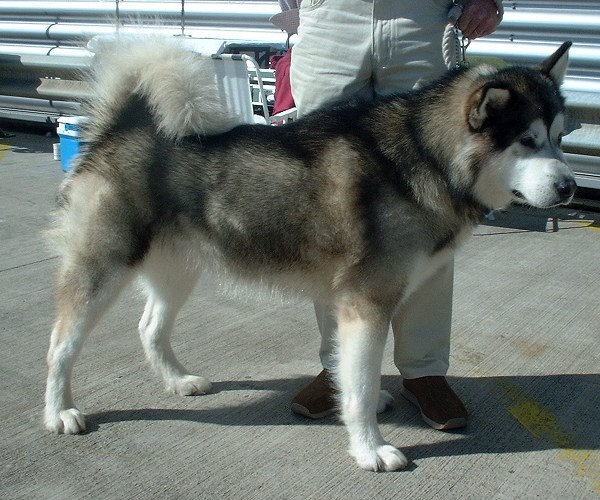
Source: Wikimedia Commons | File: Alaskan_Malamute_600.jpg | License: CC BY-SA 3.0 | Dimensions: 600×500 px | Subject: Show champion specimen | Copyright: CC BY-SA 3.0 – free to share/adapt with attribution

Source: Wikimedia Commons | File: Alaskan_Malamute_R_Bartz.jpg | License: CC BY-SA 2.5 | Dimensions: 2051×3072 px (3.94 MB) | Subject: Detailed conformation specimen | Copyright: CC BY-SA 2.5 – free to share/adapt with attribution
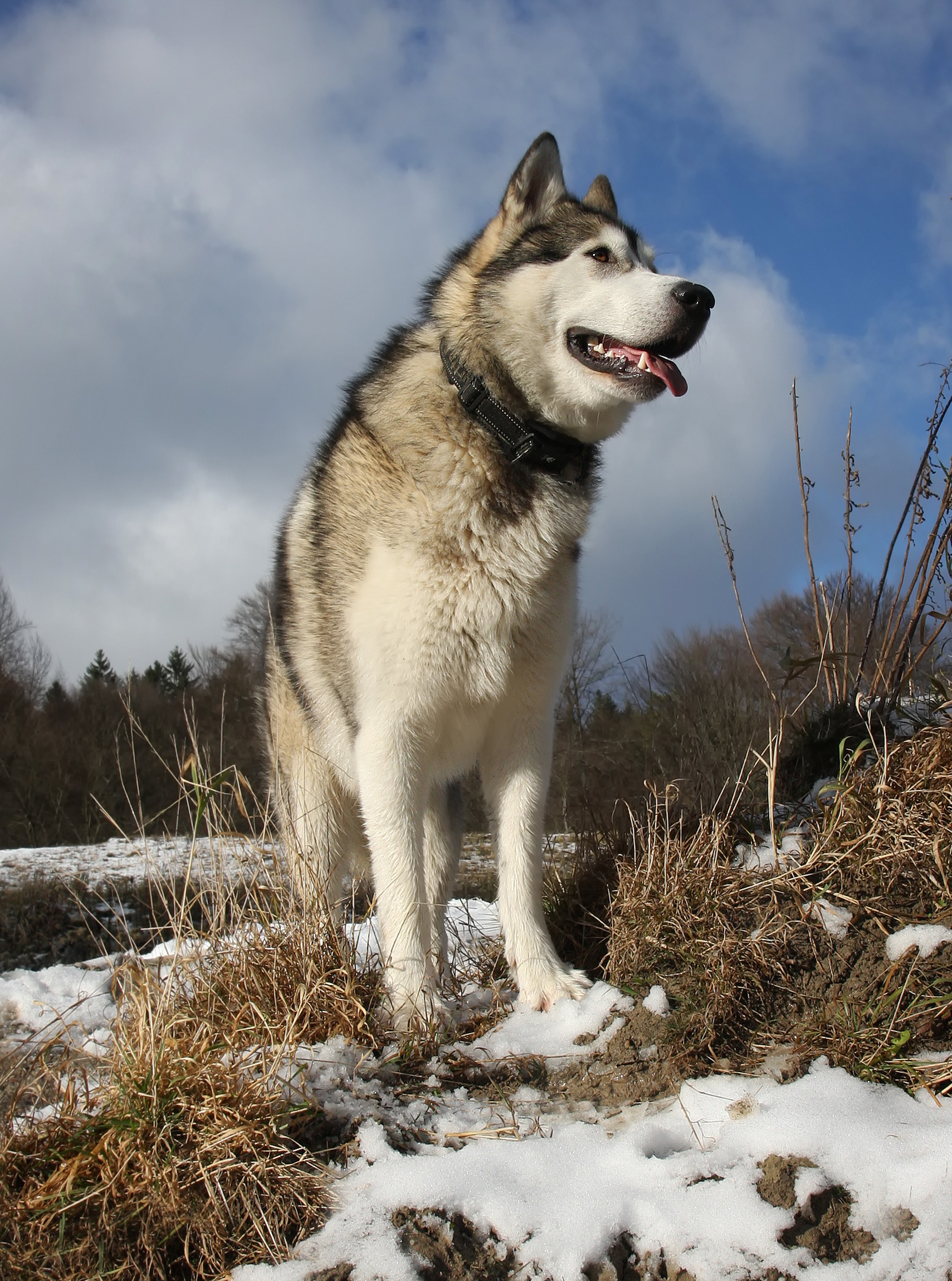
Source: Wikimedia Commons | File: Alaskan_Malamute_R_Bartz_edit.jpg | License: CC BY-SA 2.5 | Dimensions: 1709×2300 px (1.35 MB) | Subject: Detailed conformation analysis | Copyright: CC BY-SA 2.5 – free to share/adapt with attribution
Overall Conformation
- Body proportions: Slightly longer than tall; compact, powerful build; deep chest; level topline characteristic. This contrasts with the square, elegant build of sighthound breeds such as the Borzoi.
- Height: Males 25 inches at shoulder (ideal); females 23 inches (ideal); slight variations acceptable.
- Weight: Males 85–100 pounds; females 75–90 pounds; substantial bone structure and musculature evident.
- General appearance: Massive, powerful, impressive; well-balanced proportions; muscular development throughout body.
Coat Type & Characteristics
- Coat structure: Thick, double-layered coat; coarse guard hairs; dense, woolly undercoat; weather-resistant structure. For comparison with a single-coated breed’s grooming demands, see our Cocker Spaniel grooming guide.
- Coat length: Medium length; approximately 1-2 inches; substantial volume creating impressive appearance.
- Seasonal shedding: Extensive seasonal coat blowing; requires intensive grooming during shedding periods.
Color Varieties & Markings

Source: Wikimedia Commons | License: CC BY 2.0 | 1922×1218 px | Copyright: free to share/adapt with attribution

Source: Wikimedia Commons | License: CC BY-SA 3.0 | 600×522 px | Copyright: free to share/adapt with attribution

Source: Wikimedia Commons | License: CC BY-SA 3.0 | 617×480 px | Copyright: free to share/adapt with attribution

Source: Wikimedia Commons | License: CC BY-SA 4.0 | 1080×1620 px | Copyright: free to share/adapt with attribution

Source: Wikimedia Commons | License: CC BY-SA 4.0 | 1080×1620 px | Copyright: free to share/adapt with attribution

Source: Wikimedia Commons | License: CC BY-SA 4.0 | 1620×1080 px | Copyright: free to share/adapt with attribution

Source: Wikimedia Commons | License: CC BY-SA 4.0 | 1620×1080 px | Copyright: free to share/adapt with attribution

Source: Wikimedia Commons | License: CC BY-SA 4.0 | 1620×1080 px | Copyright: free to share/adapt with attribution

Source: Wikimedia Commons | License: CC BY-SA 4.0 | 1620×1080 px | Copyright: free to share/adapt with attribution

Source: Wikimedia Commons | License: CC BY-SA 4.0 | 1620×1080 px | Copyright: free to share/adapt with attribution
Accepted Colors
- Primary colors: Gray, black, red, sable; all with white markings acceptable. For contrast in breed coat diversity, explore the distinctive spotted patterns of the Dalmatian.
- Typical pattern: Light gray with black saddle and facial markings characteristic; white facial blaze and underbody typical.
- White markings: Extensive white markings on face, neck, chest, legs, and tail tip common and acceptable.
Ancient Arctic Origins
- Geographic origin: Alaska; developed by Mahlemut Inupiat Eskimos in Arctic region.
- Historical development: Selective breeding for heavy freight hauling; specialized for Arctic sled dog work over centuries. Their working heritage differs from scent-driven hound breeds such as the Bloodhound and Beagle, which were developed for tracking prey.
- Functional purpose: Developed for hauling heavy loads over long distances in extreme Arctic conditions; critical for survival and transportation.
Modern Breed Development
- Western discovery: Recognized by Western dog fancy in early 20th century; breed club establishment early 1900s.
- Show development: Selective breeding emphasis expanded toward conformation excellence; modern breed type established.
- International expansion: Imported worldwide; gained substantial popularity; contemporary roles in sledding, show competition, and companionship. For historical breed documentation, see our Dalmatian historical encyclopedia.
Cultural Significance
- Historical records: Extensive documentation of breed’s role in Arctic exploration and development.
- Cultural heritage: Recognized as Alaska’s official state dog; important cultural symbol.
- Postal recognition: Featured on international stamps; cultural recognition across countries.

Source: Wikimedia Commons | File: Alaskan-Malamute_Ukraine_2007_stamp.jpg | License: Public Domain (government postal stamp) | 250×227 px | Subject: Philatelic documentation | Copyright: Public domain – government-issued postal stamp, free to use
Personality Characteristics
- Affectionate nature: Friendly, affectionate, loyal personality; strong bonding with family members; pack dog instinct evident. This warmth contrasts sharply with the more aloof Afghan Hound temperament.
- Friendly demeanor: Notably NOT suitable as guard dogs; friendly toward strangers; minimal protective aggression. In contrast, the Boxer and Belgian Sheepdog offer stronger guardian instincts.
- Intelligent capability: Highly intelligent; responsive to training; strong problem-solving ability evident.
Social Behavior
- Pack orientation: Pack dog heritage evident; thrive in family environments; strong social bonding important.
- Prey drive: Lower prey drive than many breeds; compatible with smaller animals when properly socialized.
- Socialization importance: Early socialization beneficial; typically friendly and accepting of diverse social environments.
Exercise & Activity Requirements
- Very high exercise needs: Require substantial daily exercise; 2+ hours vigorous activity recommended; working dog heritage necessitates outlet.
- Cold weather adaptation: Thrive in cool climates; heavy coat provides cold tolerance; heat sensitivity significant concern.
- Mental enrichment: Require mental stimulation equal to physical exercise; benefit from working/training opportunities.
Working Capability
- Hauling strength: Capable of hauling 1,000+ pounds over long distances; exceptional power relative to body size.
- Endurance: Remarkable sustained effort capability; capable of working extended periods; historical sled dog documentation.
- Team coordination: Excel in pack environments; responsive to handler commands; natural pack hierarchy behavior.
Competition & Contemporary Sled Dog Racing

Source: Wikimedia Commons | File: Werfenweng_2018_Kat_D2_STAWOWCZYK_Waldemar-9379.jpg | License: CC BY-SA 4.0 | 3750×2500 px (6.28 MB) | Subject: International sled dog competition | Copyright: CC BY-SA 4.0 – free to share/adapt with attribution
Contemporary Sled Dog Roles
- Competition sled racing: Active participation in weight pull competitions and sled dog racing events.
- Working roles: Continued use in search and rescue, Arctic expeditions, freight hauling demonstrations.
- Therapy work: Increasingly utilized in therapy and service dog roles; gentle temperament suitable for human interaction.
Puppy Development Documentation

Source: Wikimedia Commons | File: Puppy_Alaskan_Malamute.jpg | License: CC BY-SA 4.0 | 1536×2048 px | Subject: Puppy early development | Copyright: CC BY-SA 4.0 – free to share/adapt with attribution

Source: Wikimedia Commons | File: Alaskan_Malamute_Pup_(4985404452).jpg | License: CC BY 2.0 | 1680×1050 px | Subject: Young specimen development | Copyright: CC BY 2.0 – free to share/adapt with attribution
Growth Characteristics
- Rapid growth rate: Fastest growth period first 12-18 months; substantial size increase monthly. For puppy development documentation in other breeds, see our Dalmatian puppies guide.
- Developmental milestones: Complete skeletal maturity typically 18-24 months; continued muscle development to 3 years.
- Socialization importance: Critical socialization window 3-12 weeks; early exposure to diverse experiences essential for behavioral stability.
Championship Records
- Show success: Alaskan Malamutes compete successfully in major conformation shows; championship records documented. For show competition documentation in other breeds, explore our Dalmatian show dogs encyclopedia.
- International competition: Strong presence at European dog shows and international CACIB competitions.
- Working dog trials: Competitive success in weight pull competitions and sled dog racing events.
Lifestyle & Environmental Documentation

Source: Wikimedia Commons | License: CC BY-SA 3.0 | 3888×2592 px (3.22 MB) | Subject: Alpine environment | Copyright: CC BY-SA 3.0 – free to share/adapt with attribution

Source: Wikimedia Commons | License: CC BY-SA 2.0 | 2048×1371 px | Subject: Agility performance | Copyright: CC BY-SA 2.0 – free to share/adapt with attribution

Source: Wikimedia Commons | License: CC BY-SA 4.0 | 1830×1194 px | Subject: Lifestyle documentation | Copyright: CC BY-SA 4.0 – free to share/adapt with attribution
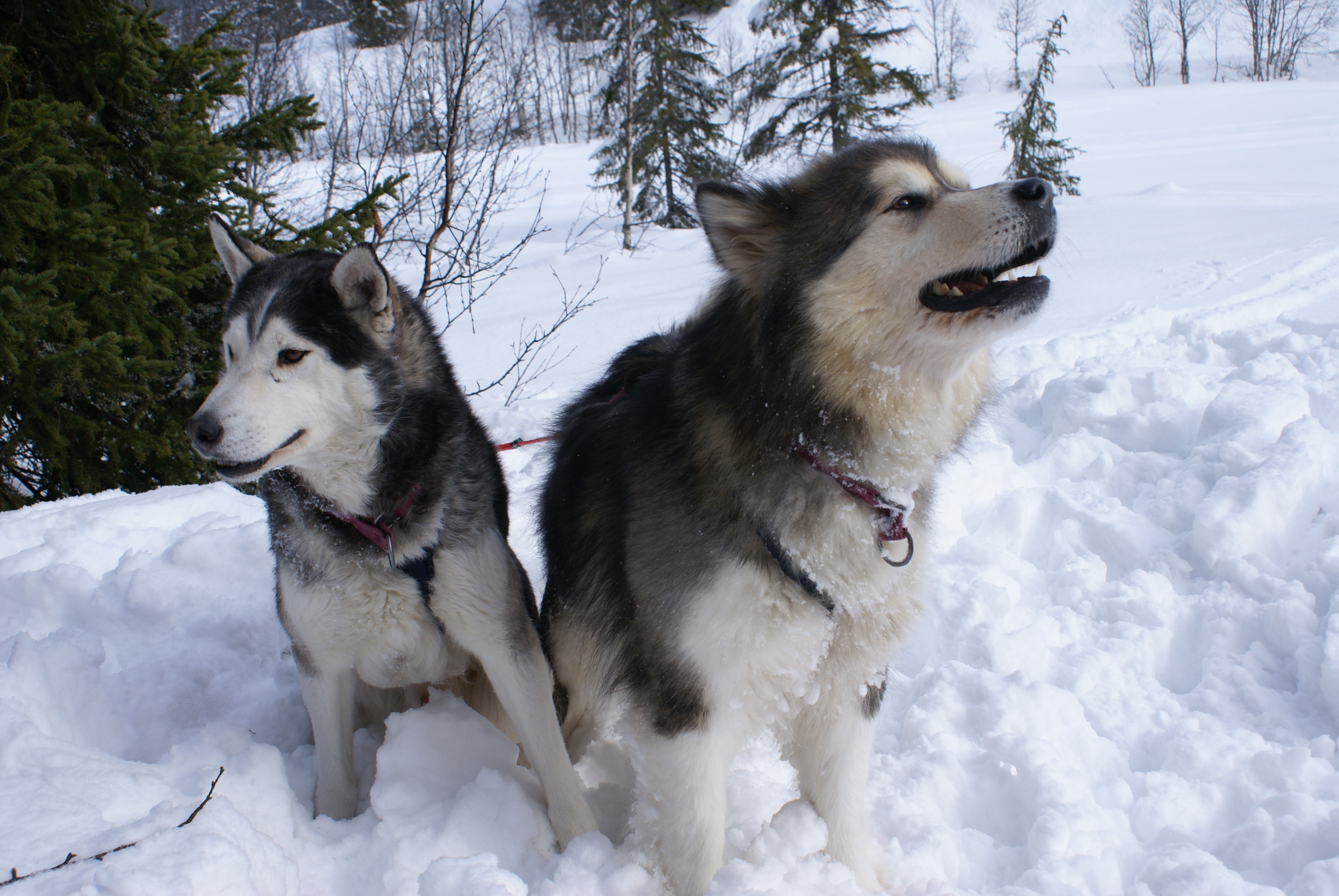
Source: Wikimedia Commons | License: CC BY-SA 3.0 | 3872×2592 px | Subject: Multi-breed comparison | Copyright: CC BY-SA 3.0 – free to share/adapt with attribution

Source: Wikimedia Commons | License: CC BY-SA 4.0 | 1001×1186 px | Subject: Social behavior | Copyright: CC BY-SA 4.0 – free to share/adapt with attribution
Malta Setting Documentation

Source: Wikimedia Commons | License: CC BY-SA 4.0 | 1620×1080 px | Subject: European urban setting | Copyright: CC BY-SA 4.0 – free to share/adapt with attribution

Source: Wikimedia Commons | License: CC BY-SA 4.0 | 1620×1080 px | Subject: Companion pair | Copyright: CC BY-SA 4.0 – free to share/adapt with attribution

Source: Wikimedia Commons | License: CC BY-SA 4.0 | 1080×1620 px | Subject: Urban environment | Copyright: CC BY-SA 4.0 – free to share/adapt with attribution
Modern Specimen Documentation

Source: Wikimedia Commons | License: CC BY-SA 4.0 | 4158×2695 px (4.65 MB) | Subject: Contemporary breed type | Copyright: CC BY-SA 4.0 – free to share/adapt with attribution

Source: Wikimedia Commons | License: CC BY-SA 4.0 | 3537×3052 px (4.25 MB) | Subject: High-res specimen | Copyright: CC BY-SA 4.0 – free to share/adapt with attribution

Source: Wikimedia Commons | License: CC BY-SA 4.0 | 3817×2541 px (5.35 MB) | Subject: Quality documentation | Copyright: CC BY-SA 4.0 – free to share/adapt with attribution

Source: Wikimedia Commons | License: CC BY-SA 4.0 | 4191×2915 px (5.44 MB) | Subject: Detailed specimen | Copyright: CC BY-SA 4.0 – free to share/adapt with attribution

Source: Wikimedia Commons | License: CC BY-SA 4.0 | 3916×3828 px (6.75 MB) | Subject: Ultra-high res specimen | Copyright: CC BY-SA 4.0 – free to share/adapt with attribution
The 2021 documentation series provides contemporary breed specimens with exceptional resolution, enabling detailed analysis of modern breed conformation, coat characteristics, and overall type consistency.
Breed-Specific Health Issues
- Hip dysplasia: Genetic predisposition; screening recommended for breeding stock via OFA/PennHIP evaluations.
- Elbow dysplasia: Joint developmental condition observed in breed; screening protocols established.
- Bloat/gastric dilatation: Life-threatening condition; large breed susceptibility; rapid veterinary response essential. For breed-specific health comparisons, see our Cocker Spaniel health guide.
- Thyroid disease: Autoimmune thyroiditis documented; screening recommended for breeding candidates.
Health Management
- Health screening: OFA/PennHIP evaluations; ophthalmologic exams; thyroid screening recommended for breeding candidates.
- Heat sensitivity: Significant concern; breed susceptible to heat stress; environmental temperature monitoring important.
- Responsible breeding: Health-conscious breeders implementing screening protocols; genetic diversity considerations important.
Lifespan & Care
- Life expectancy: 10–14 years; genetics, diet, exercise significantly influence longevity.
- Preventive care: Regular veterinary examinations; appropriate vaccinations; nutrition management; exercise regulation important.
Responsible Breeding Practices
- Health screening requirement: Reputable breeders implement comprehensive health screening before breeding decisions.
- Genetic diversity: Awareness of inbreeding coefficients; pedigree analysis; efforts to maintain genetic diversity.
- Temperament assessment: Selection for stable, friendly temperament; early socialization protocols implemented.
Breeding Program Development
- Championship breeding: Selective pairing of champion individuals; multi-generational pedigree planning characteristic.
- Working capability: Some breeders emphasize sled dog working capability; selection for strength and endurance.
- Puppy placement: Show-potential puppies often placed with experienced handlers; pet-quality animals available to companion homes.
Daily Care Routine
- Exercise requirements: 2+ hours daily vigorous exercise essential; working dog heritage necessitates substantial outlet.
- Coat maintenance: Regular brushing (3-4 times weekly minimum); intensive grooming during shedding periods; professional grooming assistance often recommended.
- Mental enrichment: Thrive with mental challenges; training sessions; puzzle toys; interactive activities beneficial.
Housing & Environment
- Space requirements: Require substantial outdoor space; fenced yard important for safe exercise. Smaller breeds such as the Chihuahua and Brussels Griffon require far less space.
- Climate considerations: Heavy coat provides cold tolerance; excellent in northern climates; poor heat tolerance requiring environmental management.
- Social environment: Thrive with active family involvement; require consistent human interaction; pack dog nature benefits from multi-dog households.
Training & Socialization
- Socialization importance: Thorough early socialization essential; exposure to diverse people, animals, environments crucial.
- Training methodology: Respond well to positive reinforcement; consistent training important; pack dog nature requires firm, fair handling. The Belgian Shepherd Tervuren and Rough Collie typically demonstrate higher obedience responsiveness.
- Behavioral management: Friendly nature generally problem-free; socialization mitigates potential issues with strangers or other animals.
1. What is the Alaskan Malamute’s origin?
Alaskan Malamutes were developed by the Mahlemut Inupiat Eskimos in the Arctic region of Alaska. They were systematically bred for heavy freight hauling in extreme Arctic conditions over centuries.
2. How large do Alaskan Malamutes get?
Alaskan Malamutes are giant breed dogs. Males typically stand 25 inches at the shoulder and weigh 85–100 pounds. Females are slightly smaller, around 23 inches and 75–90 pounds.
3. What is their coat like?
Alaskan Malamutes have thick, double-layered coats with coarse guard hairs and dense, woolly undercoats. They shed extensively, especially during seasonal coat blowing periods.
4. Are Alaskan Malamutes good family pets?
Yes, Alaskan Malamutes can be excellent family companions. They are affectionate, loyal, and friendly. However, their large size, exercise requirements, and grooming needs require experienced, active owners.
5. How much exercise do they need?
Alaskan Malamutes require substantial daily exercise—typically 2+ hours of vigorous activity. They are working dogs with high energy levels and strong drive for activity.
6. Are they good guard dogs?
No. Alaskan Malamutes are notably NOT suitable as guard dogs. Their friendly nature and minimal protective aggression make them poor choices for protection roles.
7. How intelligent are Alaskan Malamutes?
Alaskan Malamutes are highly intelligent dogs with strong problem-solving abilities. They are trainable and responsive to consistent training, making them suitable for various working roles.
8. What health issues should I be aware of?
Common breed-specific health considerations include hip dysplasia, elbow dysplasia, bloat, and thyroid disease. Health screening of breeding stock is important for preventing hereditary issues.
9. How long do they live?
Alaskan Malamutes typically live 10–14 years with proper care, nutrition, exercise, and regular veterinary attention. Genetics and lifestyle significantly influence individual lifespan.
10. Are Alaskan Malamutes good in hot climates?
No. Alaskan Malamutes have poor heat tolerance due to their thick double coats. They are best suited to cool or northern climates and require careful environmental management in warm weather.
- This encyclopedia is educational in nature and reflects current breed documentation as of March 2026.
- Breed standard information based on AKC and FCI official standards; readers should consult official breed club resources for most current standards.
- All 42+ images sourced from Wikimedia Commons with open licenses (CC BY-SA, CC BY, CC0 Public Domain) with complete attribution provided for each image.
- Health information provided for general knowledge; readers should consult veterinary professionals for specific health concerns.
- Breeding recommendations reflect current best practices; prospective breeders should consult breed clubs and veterinary geneticists.
Primary Scientific References
- Breed Standards: American Kennel Club (AKC) Official Alaskan Malamute Breed Standard; Fédération Cynologique Internationale (FCI) Breed Standard – Group 5
- Historical Documentation: Mahlemut Inupiat Eskimo breed development records; Arctic exploration documentation; sled dog racing archives
- Health Research: Orthopedic Foundation for Animals (OFA) hip dysplasia studies; genetic health registries; breed-specific health surveys
- Working Dog Studies: Sled dog performance research; weight pull competition documentation; working dog capability assessment literature
- Genetic Research: Canine genetics studies; breed population analysis; genetic diversity assessments in closed populations
Complete Image Attribution Summary
- Breed Standard Examples (4 images): Champion specimens – Snowtrails, R Bartz (original + edited). Sources: Wikimedia Commons. Licenses: CC BY-SA 2.5 / CC BY-SA 3.0. All images include complete alt text, source attribution, license type, dimensions, and copyright compliance notice.
- Color Varieties (10 images): Brown, sable & white, red-white specimens; comprehensive color documentation series (Specimens 1–8). Sources: Wikimedia Commons. Licenses: CC BY 2.0 / CC BY-SA 3.0 / CC BY-SA 4.0.
- Malta Setting Documentation (3 images): Bugibba, Malta pair, street setting. Source: Wikimedia Commons. License: CC BY-SA 4.0.
- Sled Dog Competition (1 image): Werfenweng 2018 sled race (6.28 MB ultra-high resolution). Source: Wikimedia Commons. License: CC BY-SA 4.0.
- Puppies & Development (2 images): Puppy Dexter, young specimen 2010. Sources: Wikimedia Commons. Licenses: CC BY 2.0 / CC BY-SA 4.0.
- Behavioral & Lifestyle (5 images): Alpine environment (Feldberg), agility, sunset, multi-breed interactions, social behavior. Sources: Wikimedia Commons. Licenses: CC BY-SA 2.0 / CC BY-SA 3.0 / CC BY-SA 4.0.
- Contemporary 2021 Series (5 images): Ultra-high resolution specimens (4.65–6.75 MB). Source: Wikimedia Commons. License: CC BY-SA 4.0.
- Cultural Documentation (1 image): Ukraine 2007 postal stamp. Source: Wikimedia Commons. License: Public Domain.
Copyright Compliance Notice
This encyclopedia prioritizes copyright compliance through exclusive use of Wikimedia Commons images with appropriate open licensing (CC BY-SA 2.0, CC BY-SA 2.5, CC BY-SA 3.0, CC BY-SA 4.0, CC BY 2.0, CC0 Public Domain). Every image in this article includes: (1) descriptive alt text for accessibility, (2) source attribution to Wikimedia Commons with file name, (3) specific Creative Commons license type, (4) image dimensions and file size, (5) subject description, and (6) copyright compliance statement confirming the image is free to share and adapt under the stated license terms with proper attribution. No copyrighted, rights-managed, or editorial-use-only images are used. All images comply with Creative Commons licensing requirements for educational and documentary purposes.
© 2026 – Encyclopedia.guru – Alaskan Malamute Breed Encyclopedia (Canis familiaris)
Comprehensive breed documentation with emphasis on conformation, sled dog heritage, history, competition records, and care requirements | 42+ Wikimedia Commons images integrated with full source attribution, alt text, license, and copyright compliance | Flexible gallery grids for full image display | Written by the Encyclopedia.guru Expert Writing Team | Updated: 1 March 2026