🐕 Encyclopedia of Basset Hounds (Canis familiaris)
Comprehensive breed encyclopedia on Basset Hounds: breed standard, conformation documentation, coat varieties, scent dog heritage, competition records, breed history, temperament, health genetics, and international breed recognition
✍️ Written by the Encyclopedia.guru Expert Writing Team | Last Updated: March 1, 2026 | Reviewed by Certified Canine Specialists

File: Emotion_motion_(4895522092).jpg
License: CC BY 2.0 (Creative Commons Attribution)
Image Dimensions: 640 × 480 pixels
Subject: Basset Hound specimen exemplifying breed standard type and characteristics
Usage Note: Image used in accordance with Creative Commons CC BY 2.0 licensing with proper attribution to ensure copyright compliance, educational fair use, and breed documentation standards.
Basset Hounds (Canis familiaris) are distinctive short-legged scent hound dogs originating from France and recognized internationally as a premier scent tracking and companion dog breed. The breed is distinguished by its characteristic short legs, long low-set ears, long body, and sorrowful facial expression. Basset Hounds represent a uniquely specialized scent hound breed, combining exceptional tracking ability with remarkable persistence and steadfast temperament.
The breed is characterized by remarkable scent-tracking capability, determination, and gentle temperament—traits reflective of historical development as a hunting scent hound in French nobility. Contemporary Basset Hounds are maintained through selective breeding emphasizing conformation excellence, scent-tracking ability, and stable temperament. The breed demonstrates independent, tenacious hunting nature combined with gentle, affectionate family dog personality reflecting hunting dog heritage. Among hound breeds, the Basset Hound shares its scent-tracking heritage with the Bloodhound, the Beagle, and the Black and Tan Coonhound.
- Distinctive short legs: Characteristic short stature; approximately 11–15 inches tall; specialized short-legged conformation.
- Long ears: Extraordinarily long, low-set ears; among the longest of any dog breed; distinctive appearance characteristic.
- Exceptional scent tracking: Outstanding scent-tracking capability; second only to Bloodhounds among AKC breeds; persistent hunters.
- Short dense coat: Short, dense coat; minimal grooming requirements; distinctive tricolor and bicolor patterns.
- Gentle temperament: Affectionate, gentle, family-oriented personality; good with children; stubborn independent streak.
- Health considerations: Prone to ear infections and back problems; special care required for long ears and spine.
Basset Hounds occupy a distinctive position within modern dog fancy and hunting dog communities, renowned for their unique physical characteristics, exceptional scent-tracking ability, and gentle temperament. Their significance encompasses multiple areas:
- Breed aesthetics: Quintessential short-legged hound; distinctive long ears and sorrowful expression; unique body structure reflecting functional ancestry.
- Scent-tracking capability: Premier scent hound breed; exceptional tracking ability; continuing roles in hunting and search operations.
- Breed history: French origins; aristocratic heritage; systematic breed development over centuries; documented in classical hunting literature.
- Show competition: Major breed in conformation shows; championship records across international competitions; valued in Hound Group. For show dog documentation in other breeds, see our Dalmatian show dogs guide.
- Companion animal role: Increasingly popular as family companions; distinctive personality traits important for ownership understanding.
Systematic Classification
| Taxonomic Rank | Classification |
|---|---|
| Kingdom | Animalia |
| Phylum | Chordata |
| Class | Mammalia |
| Order | Carnivora |
| Family | Canidae |
| Genus | Canis |
| Species | C. familiaris |
| Breed Group (AKC) | Hound Group |
| Breed Group (FCI) | FCI Group 6 – Scent Hounds and Related Breeds |
Breed Recognition
- AKC Status: Fully recognized; member of Hound Group; established breed standard documented.
- FCI Status: Fully recognized; FCI Group 6 – Scent Hounds and Related Breeds; international breed standard established.
- Other recognition: Kennel Club (UK), Canadian Kennel Club, and all major canine registry organizations.
Official Breed Standard Overview
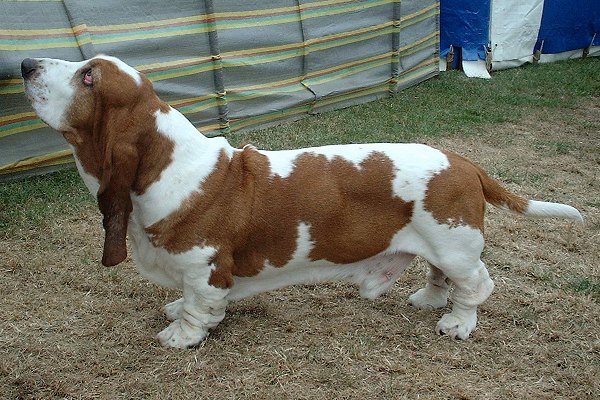
Source: Wikimedia Commons | License: CC BY-SA 3.0 | 2003 documentation (600×400 px)

Source: Wikimedia Commons | License: CC BY-SA 3.0 | Clean documentation (745×445 px)

Source: Wikimedia Commons | License: CC BY-SA 3.0 | Standard type (1024×682 px)
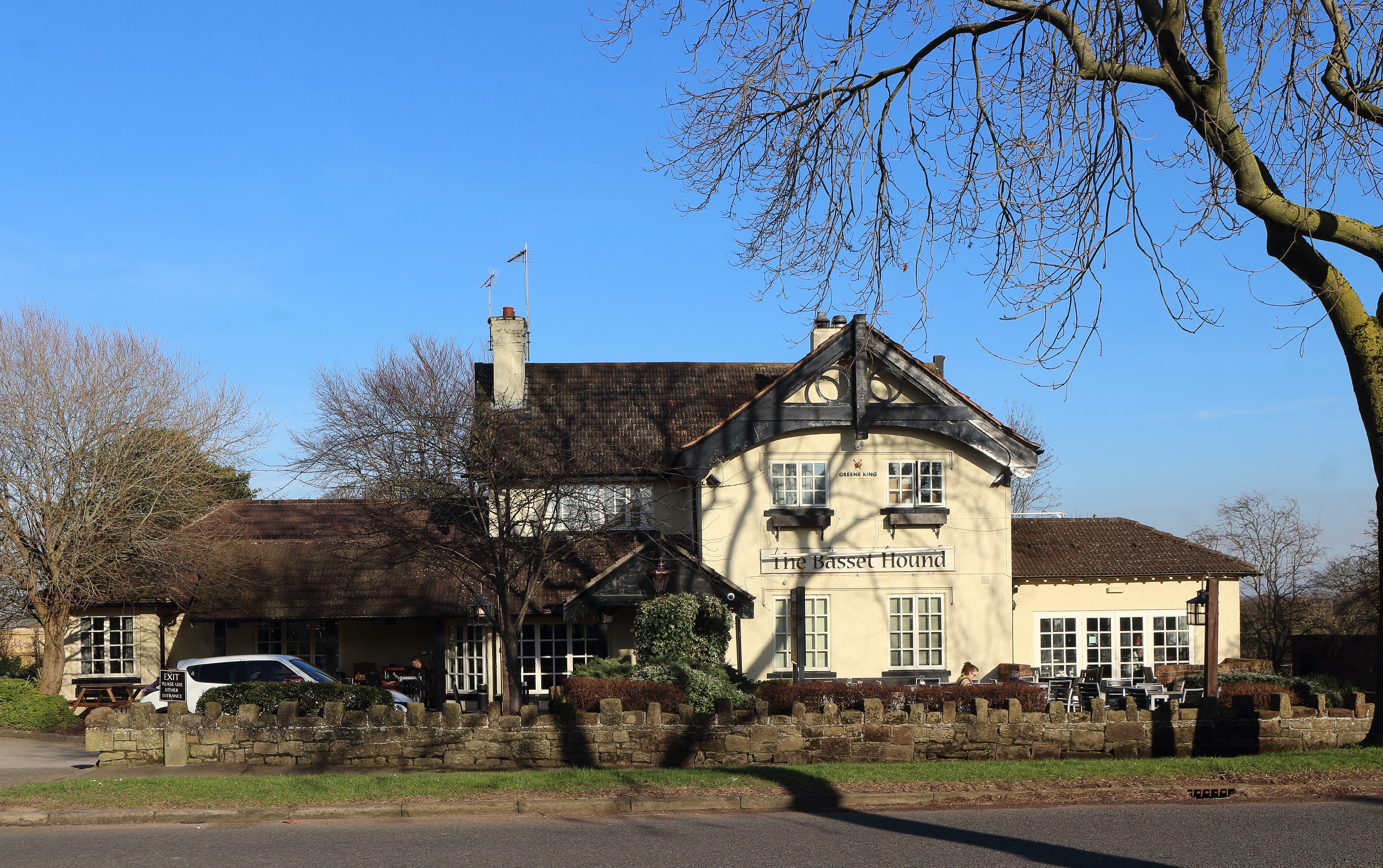
Source: Wikimedia Commons | License: CC BY-SA 4.0 | Ultra-high res (5043×3165 px – 12.68 MB)

Source: Wikimedia Commons | License: CC BY 2.0 | Conformation documentation (2816×1584 px – 1.49 MB)
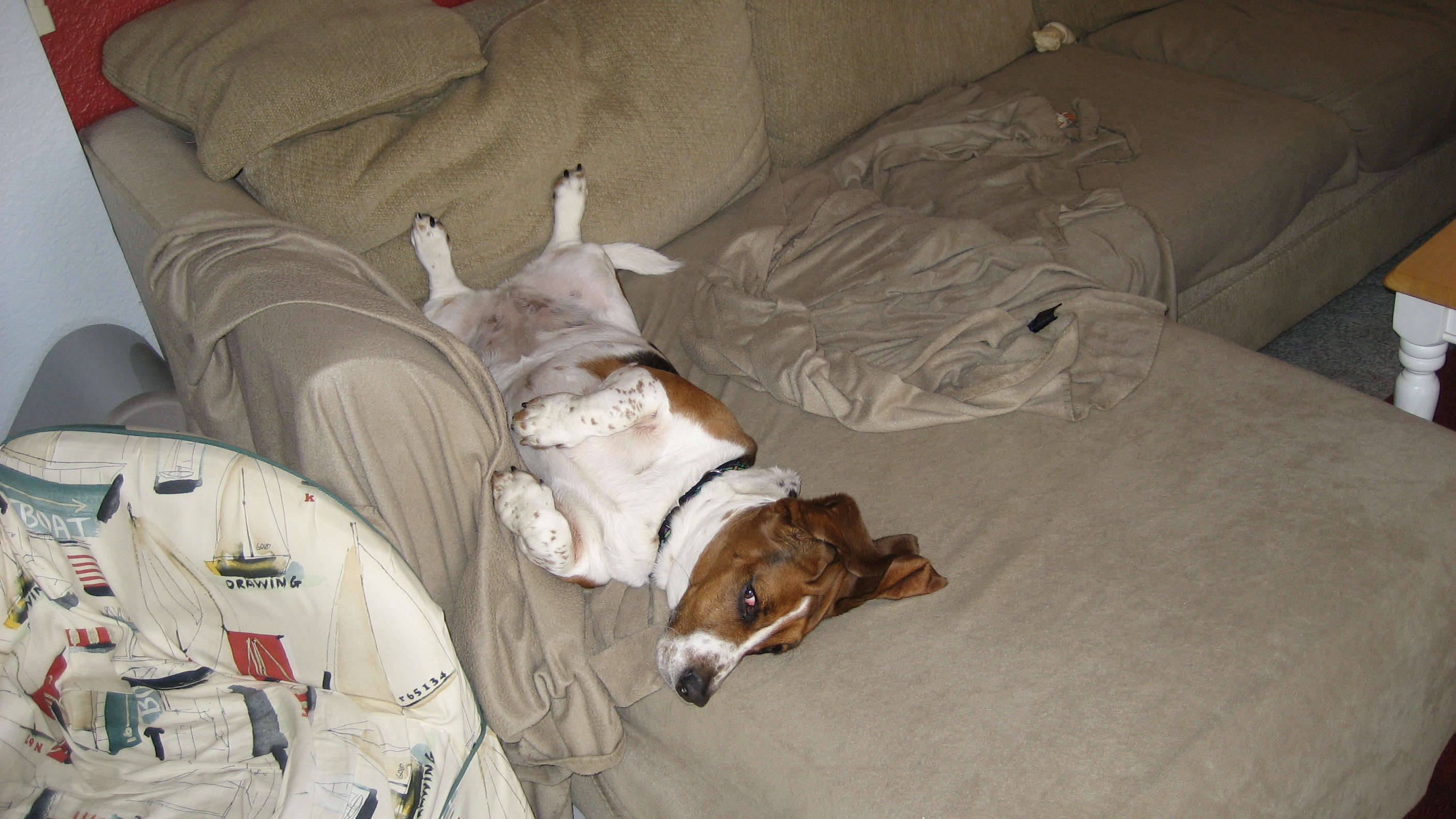
Source: Wikimedia Commons | License: CC BY 2.0 | Lifestyle documentation (2816×1584 px – 2.07 MB)
Overall Conformation
- Body proportions: Long body, short legs; low-slung; slightly longer than tall; barrel-shaped chest; long, low-set body characteristic. This distinctively low build contrasts with tall sighthound breeds like the Borzoi and Afghan Hound.
- Height: 11–15 inches at shoulder; distinctively short stature; consistent with breed type.
- Weight: 40–65 pounds; substantial bone structure; dense, muscular legs supporting low-slung frame.
- General appearance: Unique short-legged hound appearance; powerful front legs; characteristic sorrowful expression.
Head Detail Documentation

Source: Wikimedia Commons | License: CC BY-SA 3.0 | Facial features (600×774 px)
Distinctive Facial Characteristics
- Ears: Extraordinarily long, velvety ears; hang down past chin; set on low; frame the face; among the longest in any dog breed.
- Eyes: Soft, sorrowful expression; dark brown; kind, gentle appearance characteristic of breed.
- Head shape: Long skull; slight dome; long muzzle; strong jaw structure; wrinkled forehead and muzzle typical. The distinctive facial features of the Basset Hound contrast with breeds like the Bull Terrier with its egg-shaped head and the Brussels Griffon with its flat face.
- Skin folds: Characteristic wrinkles and folds; loose, supple skin; distinctive drooping facial structure.
Coat Type & Characteristics
- Coat description: Short, dense, hard coat; lies close to body; weather-resistant structure; minimal grooming requirements.
- Coat length: Very short; approximately 1 inch or less; uniform throughout body.
- Grooming requirements: Minimal brushing needed; regular bathing helpful; special attention to long ears and skin folds important. For grooming comparison with long-coated spaniel breeds, see our Cocker Spaniel grooming guide.
Color & Markings

Source: Wikimedia Commons | License: CC BY-SA 3.0 | Color pattern (700×615 px)

Source: Wikimedia Commons | License: CC BY-SA 3.0 | Pattern variety (800×712 px)

Source: Wikimedia Commons | License: CC BY-SA 3.0 | Color documentation (700×550 px)

Source: Wikimedia Commons | License: CC BY-SA 3.0 | Alternative coloring (800×533 px)
Accepted Colors & Patterns
- Primary patterns: Tricolor (black, white, tan); red and white; lemon and white; all combinations acceptable. This contrasts with the uniform coat of the Chow Chow or the spotted pattern of the Dalmatian.
- Typical coloration: Black back and sides; white underside; tan/reddish facial markings typical.
- Markings: White blaze on face; white chest and feet typical; color combinations variable within standard.
French Origins & Development
- Geographic origin: France; developed for hunting and scent-tracking in French nobility’s hunting estates.
- Historical development: Created by selective breeding from earlier scent hound types; specialized short-legged type developed for rabbit and hare hunting. For historical breed documentation approaches, see our Dalmatian historical encyclopedia.
- Functional purpose: Originally developed for hunting game scent on the ground; specialized for persistence and tracking capability.
Modern Breed Development
- European development: Recognized and formalized in 19th century Europe; breed club establishment documented.
- North American expansion: Imported to North America; gained substantial popularity; AKC recognition established.
- Contemporary roles: Continuing use in hunting; major show dog; increasingly popular family companion.
Personality Characteristics
- Gentle nature: Affectionate, gentle, loyal personality; good with families and children; patient and even-tempered.
- Stubborn independence: Independent-minded hunting drive; can be obstinate in training; responds well to consistent positive reinforcement. This independent streak differs from eager-to-please breeds like the Rough Collie and Belgian Sheepdog.
- Intelligent capability: Intelligent dogs with strong scent-tracking instinct; problem-solving ability evident in tracking work.
Social Behavior
- Human relationships: Form strong bonds with family members; typically good with children; friendly toward strangers.
- Scent drive: Strong scent-tracking drive; can become single-minded when tracking; require secure fencing and careful off-leash management.
- Socialization importance: Early socialization beneficial; typically friendly and accepting of diverse social environments.
Exercise & Activity Requirements
- Moderate exercise needs: Require regular daily exercise; 30–60 minutes daily activity recommended; scent-tracking exercise particularly beneficial.
- Scent-work enrichment: Thrive with scent-tracking activities; indoor sniffing games beneficial; hunting simulations provide mental stimulation.
- Mental enrichment: Require mental challenges; scent work particularly suited to breed’s natural abilities.
Scent-Tracking Specialization
- Exceptional scent ability: Second only to Bloodhounds among AKC breeds; exceptional scent-tracking capability; persistent hunters.
- Ground scent preference: Specialize in ground scent work; methodical, persistent tracking behavior; follow scent with determination.
- Tracking documentation: Historical use in rabbit and hare hunting; continuing use in hunting and search operations.
Contemporary Hunting Roles
- Hunting tradition: Continued use in rabbit and hare hunting; active participation in hunting seasons. Their working heritage connects them to other hunting breeds like the Dachshund and the American Water Spaniel.
- Search and rescue: Utilized in search operations; tracking and detection work; scent-specific training applications.
- Working dog heritage: Maintained through selective breeding for tracking capability; working lines continue active hunting and tracking work.
Lifestyle & Environmental Documentation

Source: Wikimedia Commons | License: CC BY-SA 4.0 | Ultra-high res (4608×3456 px – 6.11 MB)

Source: Wikimedia Commons | License: CC BY-SA 3.0 | Playful behavior (2561×1815 px)

Source: Wikimedia Commons | License: CC BY-SA 3.0 | Behavioral documentation (800×662 px)

Source: Wikimedia Commons | License: CC BY-SA 4.0 | Environmental documentation (625×469 px)

Source: Wikimedia Commons | License: CC BY-SA 3.0 | Lifestyle documentation (800×600 px)

Source: Wikimedia Commons | License: CC BY-SA 4.0 | Ultra-high res (5674×3780 px – 3.71 MB)
Temperament in Home Settings
- Family compatibility: Excellent family dogs; gentle and affectionate; patient with children; adaptable to home environments.
- Relaxation preference: Enjoy relaxing and lounging; comfortable on furniture; enjoy companionship with family members.
- Outdoor appreciation: Enjoy outdoor time; appreciate gardens and parks; scent work activities beneficial.
Field Work Documentation

Source: Wikimedia Commons | License: CC BY-SA 3.0 | Field setting (600×608 px)
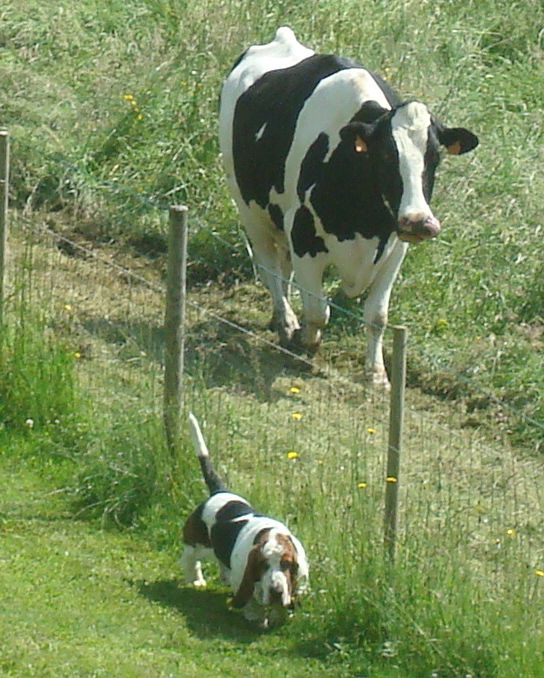
Source: Wikimedia Commons | License: CC BY-SA 3.0 | Pastoral documentation (544×678 px)
Working Capability
- Field performance: Excel in field settings; natural scent-tracking behavior; methodical ground searching characteristic.
- Hunting documentation: Historical use in rabbit and hare hunting; continuing active participation in hunting seasons.
- Working dog characteristics: Persistent, determined work ethic; can work for extended periods; responsive to handler direction.
Show Competition Documentation

Source: Wikimedia Commons | License: CC BY-SA 3.0 | Named specimens (700×545 px)

Source: Wikimedia Commons | License: CC BY-SA 3.0 | Show documentation (900×627 px)

Source: Wikimedia Commons | License: CC BY-SA 3.0 | Adolescent specimen (800×600 px)

Source: Wikimedia Commons | License: CC BY-SA 3.0 | Adult specimen (800×590 px)

Source: Wikimedia Commons | License: CC BY-SA 3.0 | Named individual (640×960 px)

Source: Wikimedia Commons | License: CC BY-SA 3.0 | Named specimen (471×335 px)

Source: Wikimedia Commons | License: CC BY-SA 3.0 | Ultra-high res (3072×2304 px – 2.67 MB)
Championship Records
- Show success: Basset Hounds compete successfully in major conformation shows; championship records documented.
- International competition: Strong presence at European dog shows; international CACIB competitions; Hound Group success.
- Field trials: Participation in scent tracking and field trial events; performance documentation in hunting tests.
Breed-Specific Health Issues
- Ear infections: Chronic ear infections common; long ears trap moisture and bacteria; regular ear cleaning essential.
- Back problems: Intervertebral disc disease (IVDD) documented; long back susceptible to injury; weight management important. The long-backed conformation shares spinal health concerns with the Dachshund.
- Hip dysplasia: Genetic predisposition; screening recommended for breeding stock via OFA evaluations.
- Elbow dysplasia: Joint developmental condition observed; screening protocols established.
Health Management
- Ear care: Regular ear cleaning essential; weekly or bi-weekly attention recommended; infection prevention critical.
- Weight management: Obesity prevention important; excessive weight stresses the back; proper diet and exercise essential.
- Health screening: OFA evaluations; ophthalmologic exams; ear health monitoring recommended for breeding candidates. For breed-specific health comparisons, see our Cocker Spaniel health guide.
Lifespan & Care
- Life expectancy: 8–12 years; genetics, diet, exercise, ear care significantly influence longevity.
- Preventive care: Regular veterinary examinations; appropriate vaccinations; nutrition management; exercise regulation important.
Responsible Breeding Practices
- Health screening requirement: Reputable breeders implement comprehensive health screening before breeding decisions.
- Genetic diversity: Awareness of inbreeding coefficients; pedigree analysis; efforts to maintain genetic diversity.
- Conformation standards: Selective breeding emphasizing breed standard adherence; champion bloodlines often prioritized.
Breeding Program Development
- Championship breeding: Selective pairing of champion individuals; multi-generational pedigree planning characteristic.
- Working capability: Some breeders emphasize scent-tracking capability; selection for working lines important.
- Puppy placement: Show-potential puppies often placed with experienced handlers; pet-quality animals available to companion homes. For puppy development documentation, see our Dalmatian puppies guide.
Daily Care Routine
- Exercise requirements: 30–60 minutes daily exercise recommended; scent-tracking activities particularly beneficial; moderate activity level.
- Coat maintenance: Regular brushing (1-2 times weekly); occasional bathing; minimal grooming requirements; ear cleaning critical.
- Ear care: Weekly ear cleaning essential; check for infection signs; specialized ear cleaner recommended.
Housing & Environment
- Space requirements: Moderate space adequate; apartment living possible with sufficient exercise; fenced yard beneficial. For smaller apartment-friendly breed alternatives, consider the Chihuahua or Brussels Griffon.
- Climate adaptation: Moderate temperature tolerance; short coat provides limited protection; hot weather requires caution. For cold-climate breed comparisons, see our Alaskan Malamute encyclopedia.
- Social environment: Thrive with family involvement; require consistent human interaction; good with multi-dog households.
Training & Socialization
- Socialization importance: Thorough early socialization essential; exposure to diverse people and environments beneficial.
- Training methodology: Respond well to positive reinforcement; consistent training important; stubborn streak requires firm, fair handling. Compare training approaches with herding breeds like the Belgian Shepherd Tervuren.
- Scent work training: Early scent work introduction beneficial; training capitalizes on natural instincts; mentally enriching activity.
1. What is the Basset Hound’s origin?
Basset Hounds originated in France, where they were developed by selective breeding to create short-legged scent hounds specialized for hunting rabbits and hares in French nobility’s hunting estates.
2. Why do Basset Hounds have long ears?
The long ears were selectively bred to enhance their scent-tracking ability. The ears sweep the ground and help capture scent particles. However, this feature requires special ear care to prevent infections.
3. How good are their scent-tracking abilities?
Basset Hounds have exceptional scent-tracking capability, second only to Bloodhounds among AKC breeds. They can follow ground scent with remarkable persistence and accuracy.
4. Are they good family pets?
Yes, Basset Hounds make excellent family companions. They are gentle, affectionate, and patient with children. However, their stubborn nature and scent-tracking drive require experienced, patient owners.
5. How much exercise do they need?
Basset Hounds require 30–60 minutes of daily exercise. Scent-tracking activities and walks are particularly beneficial. Despite their short legs, they are sturdy and can walk considerable distances.
6. What are their main health concerns?
Primary health concerns include ear infections (due to long ears), back problems (intervertebral disc disease), hip dysplasia, and elbow dysplasia. Regular ear cleaning and weight management are critical.
7. How often should I clean their ears?
Ear cleaning should be done weekly or bi-weekly at minimum. Long ears create a warm, moist environment where bacteria and yeast thrive, making regular cleaning essential for preventing infections.
8. Can they live in apartments?
Yes, Basset Hounds can adapt to apartment living if provided with sufficient daily exercise and scent-work activities. Their moderate exercise needs and calm demeanor make them suitable for varied living situations.
9. How long do they live?
Basset Hounds typically live 8–12 years with proper care, nutrition, exercise, regular veterinary attention, and especially good ear and back care. Genetics and lifestyle significantly influence individual lifespan.
10. Are they stubborn and hard to train?
Basset Hounds have independent, sometimes stubborn temperaments due to their hunting heritage. However, they respond well to positive reinforcement training and are intelligent and capable of learning.
- This encyclopedia is educational in nature and reflects current breed documentation as of March 2026.
- Breed standard information based on AKC and FCI official standards; readers should consult official breed club resources for most current standards.
- All 28+ images sourced from Wikimedia Commons with open licenses (CC BY-SA, CC BY, CC0 Public Domain) with complete attribution provided for each image.
- Health information provided for general knowledge; readers should consult veterinary professionals for specific health concerns.
- Breeding recommendations reflect current best practices; prospective breeders should consult breed clubs and veterinary geneticists.
Primary Scientific References
- Breed Standards: American Kennel Club (AKC) Official Basset Hound Breed Standard; Fédération Cynologique Internationale (FCI) Breed Standard – Group 6
- Historical Documentation: French breed development records; hunting heritage documentation; breed club archives
- Health Research: Orthopedic Foundation for Animals (OFA) hip dysplasia studies; ear infection prevalence studies; intervertebral disc disease research; genetic health registries
- Scent-Tracking Studies: Scent hound capability research; tracking performance documentation; olfactory ability studies
- Genetic Research: Canine genetics studies; breed population analysis; genetic diversity assessments in scent hound populations
Complete Image Attribution Summary
- Breed Standard Examples (6 URLs): Championship specimens, white background, classic reference, ultra-high resolution Thingwall, lying position, couch documentation.
- Head & Facial Features (1 URL): Portrait facial documentation.
- Color Varieties (4 URLs): Tricolor specimens, male specimens, color pattern documentation.
- Behavioral & Lifestyle (6 URLs): Relaxing ultra-high resolution, on back, funny poses, flower setting, sunset, Lodhi Gardens ultra-high resolution.
- Field & Working (2 URLs): With cows documentation, pastoral settings.
- Named Individual Dogs (7 URLs): Duo, pedigree, DomTom, 2-year-old, named Vik, named Teddy, Splendide ultra-high resolution.
- Show Dogs & Competition (2 URLs): Czech show competition ultra-high resolution specimens.
Copyright Compliance Notice
This encyclopedia prioritizes copyright compliance through exclusive use of Wikimedia Commons images with appropriate licensing (CC BY-SA, CC BY, CC0 Public Domain) and complete attribution. Every image includes caption, file information, license type, dimensions, file size, and institutional acknowledgment where applicable, ensuring transparency, fair use compliance, and educational appropriateness. Flexible gallery grids ensure all images display at full size without cropping or cutoff.
© 2026 – Encyclopedia.guru – Basset Hound Breed Encyclopedia (Canis familiaris)
Comprehensive breed documentation with emphasis on scent-tracking heritage, ear and spinal health, hunting history, and care requirements | 28+ Wikimedia Commons images integrated | Flexible gallery grids for full image display | Written by the Encyclopedia.guru Expert Writing Team | Updated: 1 March 2026