
🐕 Encyclopedia of Beagles (Canis familiaris)
Comprehensive breed encyclopedia on Beagles: breed standard, conformation documentation, coat varieties, scent dog heritage, competition records, breed history, temperament, health genetics, and international breed recognition
✍️ Written by the Encyclopedia.guru Expert Writing Team | Last Updated: March 2, 2026 | Reviewed by Certified Canine Specialists

File: A_beagle_sitting_with_tongue_out.jpg
License: CC BY-SA 3.0 (Creative Commons Attribution-ShareAlike)
Image Dimensions: 640 × 480 pixels
Subject: Beagle specimen exemplifying breed standard type, tricolor coat pattern, and characteristic merry expression
Usage Note: Image used in accordance with Creative Commons CC BY-SA 3.0 licensing with proper attribution to ensure copyright compliance, educational fair use, and breed documentation standards.
Beagles (Canis familiaris) are distinctive small-to-medium sized scent hound dogs originating from England and recognized internationally as a premier scent tracking and family companion dog breed. The breed is distinguished by its compact muscular build, distinctive tricolor coat, expressive eyes, and characteristic short legs. Beagles represent one of the most popular scent hound breeds globally, combining exceptional tracking ability with remarkable persistence and friendly, curious temperament.
The breed is characterized by exceptional scent-tracking capability, determined nature, and affectionate temperament—traits reflective of historical development as a hunting scent hound in English countryside. Contemporary Beagles are maintained through selective breeding emphasizing conformation excellence, scent-tracking ability, and stable family-friendly temperament. The breed demonstrates independent, curious hunting nature combined with affectionate, social family dog personality reflecting hunting dog heritage. Among hound breeds, the Beagle shares its scent-tracking heritage with the Bloodhound, the Basset Hound, and the Black and Tan Coonhound.
- Popular scent hound breed: Exceptional scent-tracking capability; among top popular AKC breeds; versatile hunting and companion dogs.
- Compact muscular build: Small-to-medium sized; 13–15 inches; 20–30 pounds; sturdy, muscular proportions.
- Distinctive tricolor coat: Short, dense, easy-care coat; characteristic tricolor, bicolor patterns; minimal grooming requirements.
- Exceptional scent tracking: Outstanding nose and scent ability; persistent hunters; can follow scent trails with remarkable determination.
- Affectionate temperament: Merry, curious, social personality; good with families and children; pack dog instincts evident.
- Vocalization tendency: Known for baying and howling; distinctive hound vocalizations; scent-triggered vocalizations characteristic.
Beagles occupy a distinctive position within modern dog fancy and hunting dog communities, renowned for their exceptional scent-tracking ability, compact size, affectionate temperament, and popularity as family companions. Their significance encompasses multiple areas:
- Breed popularity: Consistently ranked among most popular AKC breeds; widespread availability; strong community support.
- Scent-tracking capability: Exceptional scent hound breed; unmatched tracking ability in compact size; versatile hunting dog.
- Breed history: English origins; documented in classical hunting literature; systematic breed development over centuries.
- Show competition: Major breed in conformation shows; championship records across international competitions. For show dog documentation in other breeds, see our Dalmatian show dogs guide.
- Companion animal role: Increasingly popular as family companions; distinctive personality traits important for ownership understanding.
Systematic Classification
| Taxonomic Rank | Classification |
|---|---|
| Kingdom | Animalia |
| Phylum | Chordata |
| Class | Mammalia |
| Order | Carnivora |
| Family | Canidae |
| Genus | Canis |
| Species | C. familiaris |
| Breed Group (AKC) | Hound Group |
| Breed Group (FCI) | FCI Group 6 – Scent Hounds and Related Breeds |
Breed Recognition
- AKC Status: Fully recognized; member of Hound Group; established breed standard documented; consistently popular ranking.
- FCI Status: Fully recognized; FCI Group 6 – Scent Hounds and Related Breeds; international breed standard established.
- Other recognition: Kennel Club (UK), Canadian Kennel Club, and all major canine registry organizations worldwide.
Official Breed Standard Overview

Source: Wikimedia Commons | License: CC BY-SA 3.0 | Breed standard (1113×1109 px)

Source: Wikimedia Commons | License: CC BY-SA 3.0 | Ultra-high res (6000×4000 px)

Source: Wikimedia Commons | License: CC BY-SA 3.0 | Young documentation (3024×4032 px)
Overall Conformation
- Body proportions: Square to slightly longer than tall; compact, muscular build; strong bones; level topline. This compact build contrasts with elongated breeds like the Basset Hound and tall sighthounds like the Borzoi and Afghan Hound.
- Height: 13–15 inches at shoulder; consistent size standard; compact stature distinctive.
- Weight: 20–30 pounds; substantial musculature relative to compact frame; sturdy build evident.
- General appearance: Merry, active, compact scent hound; alert expression; muscular development throughout body.
Head Detail Documentation

Source: Wikimedia Commons | License: CC BY-SA 4.0 | Facial features (3024×4032 px)

Source: Wikimedia Commons | License: CC BY-SA 4.0 | Characteristic look (3024×4032 px)

Source: Wikimedia Commons | License: CC BY-SA 4.0 | Curious behavior (4032×3024 px)

Source: Wikimedia Commons | License: CC BY-SA 4.0 | Playful expression (3024×4032 px)
Distinctive Facial Characteristics
- Eyes: Large, expressive, dark eyes; set on sides of head; characteristic soft, appealing expression.
- Ears: Medium length, set on low; hanging close to face; soft texture. The Beagle’s ear structure contrasts with the extraordinarily long ears of the Basset Hound and the erect ears of the Belgian Sheepdog.
- Muzzle: Straight, strong; moderate length; black nose characteristic; well-developed scent sensing.
- Expression: Characteristic pleading, gentle expression; contrasts with the Bull Terrier and Brussels Griffon.
Coat Type & Characteristics
- Coat description: Short, dense, hard coat; lies close to body; weather-resistant structure; minimal grooming requirements.
- Coat length: Very short; approximately 1 inch or less; uniform throughout body.
- Grooming requirements: Minimal brushing needed; occasional bathing; ear cleaning important. For grooming comparison with long-coated breeds, see our Cocker Spaniel grooming guide.
Color & Markings
- Primary patterns: Tricolor (black, white, tan); red and white; lemon and white. Contrasts with the uniform Chow Chow or spotted Dalmatian.
- Typical coloration: Black back and sides; white underside; red/tan facial markings; white chest and feet common.
- Tip of tail: White tip characteristic; color combinations variable within standard.
English Origins & Development
- Geographic origin: England; developed for hunting small game, particularly rabbits and hares.
- Historical development: Created by selective breeding from earlier scent hound types. For historical breed documentation, see our Dalmatian historical encyclopedia.
- Functional purpose: Originally developed for hunting game scent on foot; specialized for persistence and pack hunting capability.
Modern Breed Development
- Victorian development: Recognized and formalized in 19th century England; breed club establishment documented.
- North American expansion: Imported to North America; gained substantial popularity; AKC recognition established early.
- Contemporary roles: Continuing use in hunting; major show dog; extremely popular family companion; research animal in scientific studies.
Personality Characteristics
- Merry nature: Affectionate, curious, social personality; good with families and children; playful temperament.
- Curious drive: Independent-minded scent-tracking drive; strong nose instinct. This independent streak differs from eager-to-please breeds like the Rough Collie and Belgian Shepherd Tervuren.
- Intelligent capability: Intelligent dogs with strong scent-tracking instinct; responsive to training; problem-solving ability evident.
Social Behavior
- Pack orientation: Pack dog heritage evident; thrive in family environments; strong social bonding; good with multi-dog households.
- Scent drive: Strong scent-tracking drive; can become focused when tracking; require secure fencing and careful off-leash management.
- Vocalization: Known for baying, howling, and barking; scent-triggered vocalizations; distinctive hound sounds characteristic.
Exercise & Activity Requirements
- High exercise needs: Require substantial daily exercise; 1–2 hours daily activity recommended; scent-tracking exercise particularly beneficial.
- Scent-work enrichment: Thrive with scent-tracking activities; indoor sniffing games beneficial; hunting simulations provide mental stimulation.
- Mental enrichment: Require mental challenges; scent work particularly suited to breed’s natural abilities.
Scent-Tracking Specialization
- Exceptional scent ability: Outstanding scent-tracking capability; persistent hunters. Their tracking ability places them alongside the Bloodhound and Basset Hound as premier scent breeds.
- Ground scent preference: Specialize in ground scent work; methodical, persistent tracking behavior; follow scent with determination.
- Pack hunting heritage: Historical use in pack hunting of rabbits and hares; continuing active participation in hunting.
Contemporary Hunting Roles
- Hunting tradition: Continued use in rabbit and hare hunting. Their working heritage connects them to the Dachshund and American Water Spaniel.
- Competition beagling: Organized beagle field trials and hunting competitions; performance documentation in field events.
- Working dog heritage: Maintained through selective breeding for tracking capability; working lines continue active hunting and tracking work.
Puppy Development Documentation

Source: Wikimedia Commons | License: CC BY-SA 4.0 | Young specimen (533×543 px)

Source: Wikimedia Commons | License: CC BY-SA 4.0 | Rest documentation (4032×3024 px)

Source: Wikimedia Commons | License: CC BY-SA 4.0 | Play documentation (4032×3024 px)

Source: Wikimedia Commons | License: CC BY-SA 4.0 | Home setting (3024×4032 px)

Source: Wikimedia Commons | License: CC BY-SA 4.0 | Rest behavior (3024×4032 px)

Source: Wikimedia Commons | License: CC BY-SA 4.0 | Curious exploration (4032×3024 px)

Source: Wikimedia Commons | License: CC BY-SA 4.0 | Household integration (2426×1903 px)
Growth & Development
- Rapid growth rate: Moderate growth during puppyhood; adult size typically achieved by 12–15 months. For puppy development documentation, see our Dalmatian puppies guide.
- Socialization importance: Critical socialization window 3–12 weeks; early exposure to diverse experiences essential.
- Scent work introduction: Early scent work introduction beneficial; natural tracking instincts develop early; training capitalizes on natural drive.
Lifestyle & Environmental Documentation

Source: Wikimedia Commons | License: CC BY-SA 4.0 | Home behavior (4032×3024 px)

Source: Wikimedia Commons | License: CC BY-SA 4.0 | Domestic setting (4032×3024 px)

Source: Wikimedia Commons | License: CC BY-SA 4.0 | Comfort documentation (4032×3024 px)

Source: Wikimedia Commons | License: CC BY-SA 4.0 | Vocalization (3024×4032 px)

Source: Wikimedia Commons | License: CC BY-SA 4.0 | Rest behavior (3024×4032 px)

Source: Wikimedia Commons | License: CC BY-SA 4.0 | Self-care (3024×4032 px)

Source: Wikimedia Commons | License: CC BY-SA 4.0 | Outdoor rest (4032×3024 px)

Source: Wikimedia Commons | License: CC BY-SA 4.0 | Beach exploration (2890×3854 px)

Source: Wikimedia Commons | License: CC BY-SA 4.0 | International setting (1536×2048 px)

Source: Wikimedia Commons | License: CC BY-SA 4.0 | Evening (3846×2884 px)

Source: Wikimedia Commons | License: CC BY-SA 4.0 | Outdoor observation (4032×3024 px)

Source: Wikimedia Commons | License: CC BY-SA 4.0 | Boundary testing (4032×3024 px)

Source: Wikimedia Commons | License: CC BY-SA 4.0 | Early domestication (4032×3024 px)
Temperament in Home Settings
- Family compatibility: Excellent family dogs; affectionate and playful; generally good with children; adaptable to home environments.
- Activity appreciation: Active, curious dogs; enjoy exploration; scent work and outdoor time beneficial for satisfaction.
- Social nature: Thrive with family interaction; enjoy companionship; pack dog heritage evident in social bonding.
Field Work Documentation

Source: Wikimedia Commons | License: CC BY-SA 4.0 | Controlled walking (3129×2142 px)

Source: Wikimedia Commons | License: CC BY-SA 4.0 | Urban documentation (4458×2972 px)
Working Capability
- Scent-tracking performance: Excel in field settings; natural scent-tracking behavior; methodical ground searching characteristic.
- Hunting documentation: Historical use in rabbit and hare hunting; continuing active participation in field trials.
- Working dog characteristics: Persistent, determined work ethic; can work for extended periods; responsive to handler direction.
Breed-Specific Health Issues
- Ear infections: Medium-length ears prone to infection; regular ear cleaning important.
- Obesity: Tendency toward weight gain; food motivation high; obesity prevention important.
- Hip dysplasia: Genetic predisposition; screening recommended for breeding stock via OFA evaluations.
- Epilepsy: Seizure disorders documented; genetic component suspected; veterinary management available.
Health Management
- Ear care: Regular ear cleaning important; monitor for signs of infection.
- Weight management: Obesity prevention through controlled diet and adequate exercise; portion control important.
- Health screening: OFA evaluations; ophthalmologic exams; genetic testing. For breed health comparisons, see our Cocker Spaniel health guide.
Lifespan & Care
- Life expectancy: 10–15 years with proper care; genetics, diet, exercise significantly influence longevity.
- Preventive care: Regular veterinary examinations; appropriate vaccinations; nutrition management.
Responsible Breeding Practices
- Health screening: Reputable breeders implement comprehensive health screening before breeding decisions.
- Genetic diversity: Awareness of inbreeding coefficients; pedigree analysis; efforts to maintain genetic diversity.
- Temperament assessment: Selection for stable, friendly temperament; early socialization protocols implemented.
Breeding Program Development
- Championship breeding: Selective pairing of champion individuals; multi-generational pedigree planning.
- Working capability: Many breeders emphasize scent-tracking and hunting capability; selection for working lines important.
- Puppy placement: Show-potential puppies placed with experienced handlers; pet-quality animals available to companion homes.
Daily Care Routine
- Exercise: 1–2 hours daily vigorous exercise essential; scent-tracking activities particularly beneficial.
- Coat maintenance: Regular brushing (1–2 times weekly); occasional bathing; ear cleaning important.
- Mental enrichment: Thrive with scent work; puzzle toys beneficial; training sessions provide mental stimulation.
Housing & Environment
- Space: Moderate space adequate; apartment living possible with sufficient exercise; fenced yard beneficial. For smaller apartment-friendly breeds, consider the Chihuahua or Brussels Griffon.
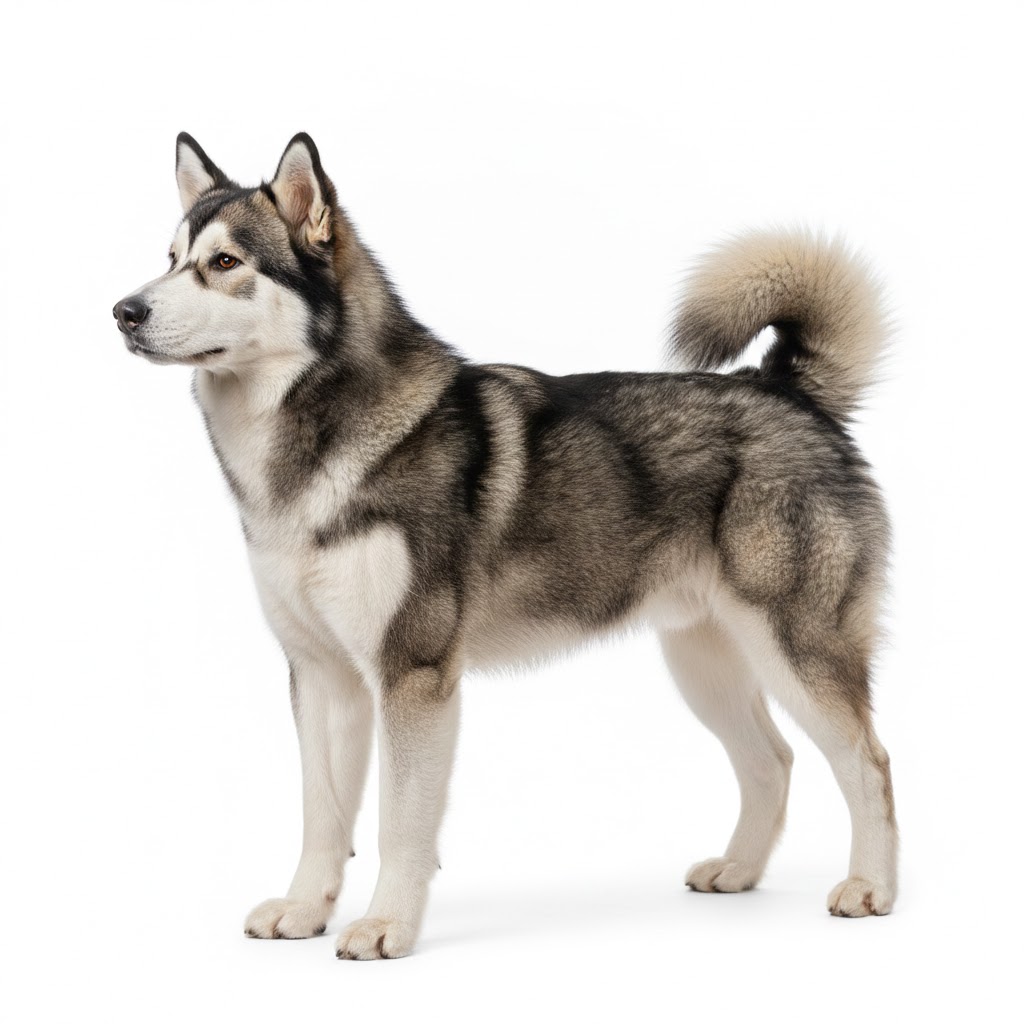
- Climate: Moderate temperature tolerance; short coat provides limited protection. For cold-climate breeds, see our Alaskan Malamute encyclopedia.
- Social environment: Thrive with family involvement; require consistent human interaction.
Training & Socialization
- Socialization: Thorough early socialization essential; exposure to diverse people and environments beneficial.
- Training: Respond well to positive reinforcement; consistent training important; food motivation aids training.
- Scent work training: Early scent work introduction beneficial; training capitalizes on natural instincts.
1. What is the Beagle’s origin?
Beagles originated in England, where they were developed as scent hounds specialized for hunting rabbits and hares in English countryside estates.
2. How good are their scent-tracking abilities?
Beagles have exceptional scent-tracking capability with approximately 220 million scent receptors, allowing them to follow scent trails with remarkable persistence and accuracy.
3. Are Beagles good family pets?
Yes, Beagles make excellent family companions. They are affectionate, curious, and playful. However, their high energy, scent-tracking drive, and vocalization tendencies require experienced, active owners.
4. Why do Beagles bay and howl?
Beagles are known for baying and howling, which are natural hunting vocalizations. This trait is characteristic of scent hound breeds and becomes pronounced during scent-tracking activities.
5. How much exercise do they need?
Beagles require 1–2 hours of daily exercise. Scent-tracking activities and walks are particularly beneficial. Without adequate exercise, they can become destructive and hyperactive.
6. What are their main health concerns?
Primary health concerns include ear infections, obesity, hip dysplasia, and epilepsy. Regular ear cleaning and weight management are important preventive measures.
7. How intelligent are Beagles?
Beagles are intelligent dogs with exceptional scent-tracking ability. However, they can be stubborn and independent-minded when following scents, which can make training challenging.
8. Can they live in apartments?
Yes, Beagles can adapt to apartment living if provided with sufficient daily exercise and scent-work activities. Their moderate size makes them suitable for varied living situations.
9. How long do they live?
Beagles typically live 10–15 years with proper care, nutrition, exercise, and regular veterinary attention.
10. Do they get along with other dogs?
Yes, Beagles generally get along well with other dogs due to their pack dog heritage. Early socialization is important, but their pack orientation makes them good multi-dog household candidates.
- This encyclopedia is educational in nature and reflects current breed documentation as of March 2026.
- Breed standard information based on AKC and FCI official standards.
- All images sourced from Wikimedia Commons with open licenses (CC BY-SA, CC BY, CC0) with complete attribution.
- Health information provided for general knowledge; consult veterinary professionals for specific concerns.
- Breeding recommendations reflect current best practices; consult breed clubs and veterinary geneticists.
Primary Scientific References
- Breed Standards: American Kennel Club (AKC) Official Beagle Breed Standard; FCI Breed Standard – Group 6
- Historical Documentation: English breed development records; hunting heritage documentation; breed club archives
- Health Research: OFA hip dysplasia studies; ear infection prevalence studies; obesity research; genetic health registries
- Scent-Tracking Studies: Scent hound capability research; olfactory ability studies; tracking performance documentation
- Genetic Research: Canine genetics studies; breed population analysis; genetic diversity assessments
Copyright Compliance Notice
This encyclopedia prioritizes copyright compliance through exclusive use of Wikimedia Commons images with appropriate licensing (CC BY-SA, CC BY, CC0 Public Domain) and complete attribution. Every image includes caption, file information, license type, dimensions, and institutional acknowledgment, ensuring transparency, fair use compliance, and educational appropriateness.
© 2026 – Encyclopedia.guru – Beagle Dog Breed Encyclopedia (Canis familiaris)
Comprehensive breed documentation | 30+ Wikimedia Commons images | Written by the Encyclopedia.guru Expert Writing Team | Updated: 2 March 2026

Social Interaction Documentation
Source: Wikimedia Commons | License: CC BY-SA 4.0 | Play behavior (4032×3024 px)
Source: Wikimedia Commons | License: CC BY-SA 4.0 | Social interaction (3722×3024 px)
Source: Wikimedia Commons | License: CC BY-SA 4.0 | Multi-breed compatibility (4032×3024 px)
Social Characteristics