🐕 Encyclopedia of Brussels Griffon Dogs (Canis familiaris)
Comprehensive breed encyclopedia on Brussels Griffon Dogs: breed standard, conformation documentation, distinctive monkey-like face, exceptional intelligence and personality, affectionate temperament, health genetics, and championship records
✍️ Written by the Encyclopedia.guru Expert Writing Team | Last Updated: March 2, 2026 | Reviewed by Certified Canine Specialists

File: Monkey_Bizniz_Drama_Queen.jpg
License: CC BY-SA 3.0 (Creative Commons Attribution-ShareAlike)
Image Dimensions: 640 × 480 px (Featured)
Subject: Brown griffon with beard exemplifying breed's characteristic monkey-like face and engaging expression
Usage Note: Image used under CC BY-SA 3.0 with proper attribution for educational breed documentation.
Brussels Griffon Dogs (Canis familiaris) are small, spirited companion dogs originating from Belgium and recognized internationally as exceptional toy and companion dogs. The breed is distinguished by its distinctive monkey-like face, large expressive eyes, engaging personality, and exceptional intelligence. Brussels Griffon Dogs represent a specialized companion breed, combining outstanding charm with remarkable loyalty and devoted temperament. Unlike the sturdy Bulldog or the athletic Bull Terrier, the Brussels Griffon is purpose-built as an intimate family companion.
The breed is characterized by exceptional personality, intelligence, and human bonding capability, traits reflective of historical development as a companion and ratter dog in Belgium. Contemporary Brussels Griffons are maintained through selective breeding emphasizing personality, conformation excellence, and family-friendly temperament. The breed demonstrates affectionate, loyal nature combined with playful, engaging personality, reflecting companion dog heritage, combined with distinctive grooming requirements for their rough coat and moderate exercise needs.
- Distinctive monkey face: Characteristic monkey-like expression; large, engaging eyes; instantly recognizable breed profile.
- Exceptional personality: Engaging, charming, highly intelligent personality; exceptional human bonding; entertaining nature.
- Small size: 7–8 inches height; 6–12 pounds; compact, well-proportioned frame.
- Rough or smooth coat: Rough/wiry coat (Brussels Griffon) or smooth coat (Petit Brabançon); moderate grooming requirements.
- Exceptional intelligence: Highly intelligent, responsive, trainable; quick learners; sensitive to human emotion.
- Loyal companion: Devoted, affectionate, protective personality; excellent family companion dogs; bonded to owners.
- Working dog heritage: Originally bred for hunting rats and as stable companions; modern role as cherished family companion.
Brussels Griffon Dogs occupy a distinctive position within modern dog fancy and companion dog communities, renowned for their exceptional personality, distinctive appearance, and devoted temperament. Their significance encompasses multiple areas:
- Companion dog excellence: Premier companion breed; exceptional family dogs; cherished lap dogs.
- Breed aesthetics: Distinctive monkey-like face and engaging expression; immediately recognizable appearance.
- Personality showcase: Exceptional intelligence and charm; entertaining and engaging personality; strong human bonding.
- Breed history: Belgian origins; documented in hunting and stable work; systematic breed development.
- Show competition: Major breed in conformation shows; championship records across international competitions.
- Artistic inspiration: Featured in paintings, portraits, and cultural documentation throughout history.
Systematic Classification
| Taxonomic Rank | Classification |
|---|---|
| Kingdom | Animalia |
| Phylum | Chordata |
| Class | Mammalia |
| Order | Carnivora |
| Family | Canidae |
| Genus | Canis |
| Species | C. familiaris |
| Breed Group (AKC) | Toy Group |
| Breed Type | Companion / Toy Dog |
Breed Recognition & Varieties
- AKC Status: Fully recognized; member of Toy Group; well-established breed standard.
- International recognition: Recognized by FCI (Group 9 – Companion Dogs) and all major kennel clubs worldwide.
- Breed varieties: Brussels Griffon (rough coat) and Petit Brabançon (smooth coat); recognized as separate varieties.
- Distinct identities: Two coat varieties shown as separate divisions in shows; genetic differences in coat genes.
Official Breed Standard Overview

Source: Wikimedia Commons | CC BY-SA 3.0 | (300×278 px – 17 KB)

Source: Wikimedia Commons | CC BY-SA 3.0 | 7 lbs (1000×724 px – 520 KB)
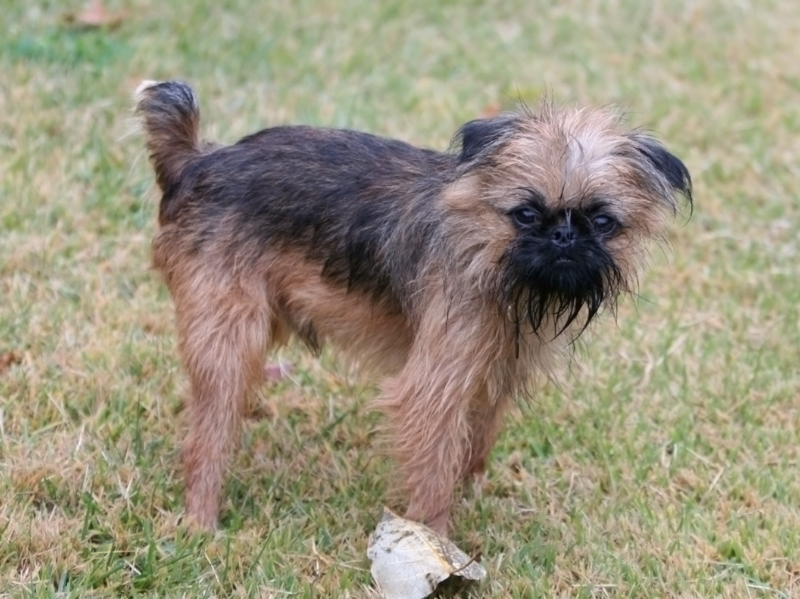
Source: Wikimedia Commons | CC BY-SA 3.0 | Stewie (800×599 px – 291 KB)
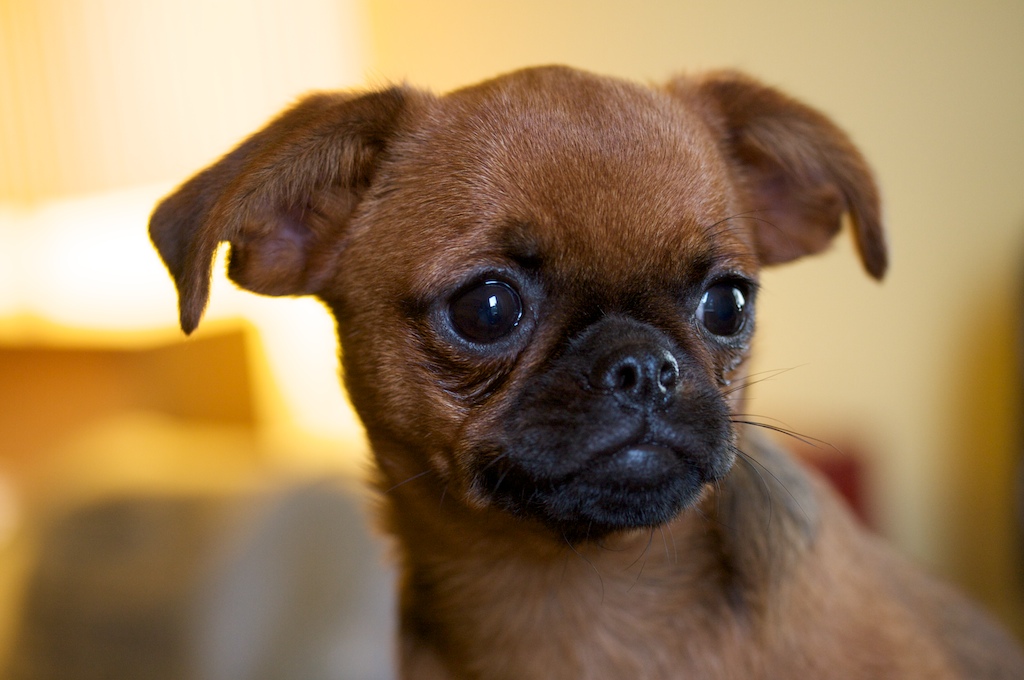
Source: Wikimedia Commons | CC BY-SA 3.0 | (1024×680 px – 194 KB)

Source: Wikimedia Commons | CC BY-SA 3.0 | Four years old (448×336 px – 67 KB)

Source: Wikimedia Commons | CC BY-SA 3.0 | (2440×2042 px – 939 KB)

Source: Wikimedia Commons | CC BY-SA 3.0 | (2322×1977 px – 925 KB)
Overall Conformation
- Body proportions: Compact, square build; powerful musculature; well-proportioned frame reflecting companion dog requirements.
- Height: 7–8 inches at shoulder; small size; toy breed characteristics.
- Weight: 6–12 pounds; compact, athletic frame; proportionate to height.
- General appearance: Alert toy dog with engaging demeanor; distinctive monkey-like face; noble, determined expression.
Distinctive Features
| Feature | Description | Function |
|---|---|---|
| Monkey Face | Distinctive monkey-like expression; characteristic appearance | Breed marker; charm; immediate recognition |
| Large Eyes | Large, dark, engaging eyes; prominent and expressive | Human bonding; emotional expression; intelligent appearance |
| Undershot Jaw | Lower jaw projects forward; slight underbite | Distinctive breed feature; facial characteristic |
| Beard | Distinctive facial hair/beard (rough coat variety) | Breed characteristic; distinctive appearance |
| Compact Build | Square, compact body proportions; well-muscled | Agility; toy breed suitability; balanced appearance |
Distinctive Head Documentation

Source: Wikimedia Commons (Library of Congress) | Public Domain | (5747×4185 px – 3.08 MB)

Source: Wikimedia Commons | CC BY-SA 3.0 | (1350×1000 px – 900+ KB)

Source: Wikimedia Commons | CC BY-SA 3.0 | Brown with beard (300×250 px – 75 KB)

Source: Wikimedia Commons | CC BY-SA 3.0 | Smooth variety (476×443 px – 30 KB)
Characteristic Head Features
- Head shape: Round, domed head; short muzzle; distinctive monkey-like profile. Contrasts with the egg-shaped head of the Bull Terrier or the flat face of the Bulldog.
- Muzzle: Short, undershot bite; lower jaw projects forward; distinctive breed feature.
- Eyes: Large, dark, round eyes; forward-facing; exceptionally expressive; intelligent, engaging expression.
- Ears: Medium-sized, set on sides of head; can be natural or cropped; contribute to expression.
- Beard: Distinctive facial hair/beard; present on rough coat variety; adds to monkey-like appearance.
- Stop: Defined stop between muzzle and skull; contributes to distinctive facial structure.
Coat Type & Structure
- Brussels Griffon (rough coat): Rough, wiry, harsh coat; 1–2 inches long; distinctive texture. Requires hand-stripping similar to other wiry breeds.
- Petit Brabançon (smooth coat): Smooth, short, glossy coat; lies close to body; sleek appearance. Low-maintenance compared to the demanding grooming of the Cocker Spaniel or flowing coat of the Afghan Hound.
- Grooming requirements: Rough coat requires regular brushing and stripping; smooth coat requires basic grooming and brushing.
Color Variations
- Red coloration: Solid red or red with black mask; most common color; bright appearance.
- Black & tan: Black with tan/red markings; characteristic pattern; well-defined markings. Shares this color pattern with the Black and Tan Coonhound.
- Black coloration: Solid black; less common; striking appearance.
- Black mask: Dark markings on face are desirable; enhance monkey-like appearance.
- Show standards: Color is less important than type and personality in show evaluation.
Belgian Origins & Development
- Geographic origin: Belgium; developed in Brussels specifically; urban companion dog breeding.
- Historical development: Created through selective breeding combining various small dog types including Affenpinschers and toy Spaniels. See our Dalmatian historical documentation for another breed with rich European heritage.
- Functional purpose: Originally bred as stable companion dogs and ratters; urban pest control; companion work.
- Name origin: “Griffon” refers to the rough, wiry coat; “Bruxellois” refers to Brussels, Belgium.
Modern Breed Development
- Breed standardization: Formally standardized in late 19th century; breed clubs established in Belgium.
- International recognition: Accepted by major kennel clubs; widespread popularity as companion dog.
- Contemporary roles: Show dogs, family companions, cherished lap dogs; premier companion breed.
- Variety development: Petit Brabançon (smooth coat variety) developed later; recognized as separate variety.
Personality Characteristics
- Affectionate nature: Devoted, affectionate, loyal personality; strong family bonds; human-oriented. Shares devoted nature with the Cocker Spaniel and Boxer.
- Engaging personality: Intelligent, entertaining, engaging personality; charming; enjoy interaction.
- Alert capability: Alert, responsive, aware; natural protective instinct; good watchdogs despite small size.
Social Behavior
- Family orientation: Excellent family dogs; affectionate with family members; good with children when socialized.
- Protective instinct: Natural protective drive; can be reserved with strangers; loyal defenders.
- Socialization importance: Early socialization essential; proper training important for managing protective nature.
- Human sensitivity: Extremely sensitive to human emotion; responsive to owner's mood; empathetic nature.
Exercise & Activity Requirements
- Moderate exercise needs: Require 30–45 minutes daily moderate exercise; adequate for toy dogs; apartment-suitable. Contrasts with the high exercise needs of the Dalmatian or Alaskan Malamute.
- Mental enrichment: Require mental challenges; training beneficial; interactive play important for intelligent breed.
- Activity preferences: Enjoy interactive play, short walks, playtime with owners; lap dog characteristics evident.
Smooth-Coated Variety Documentation
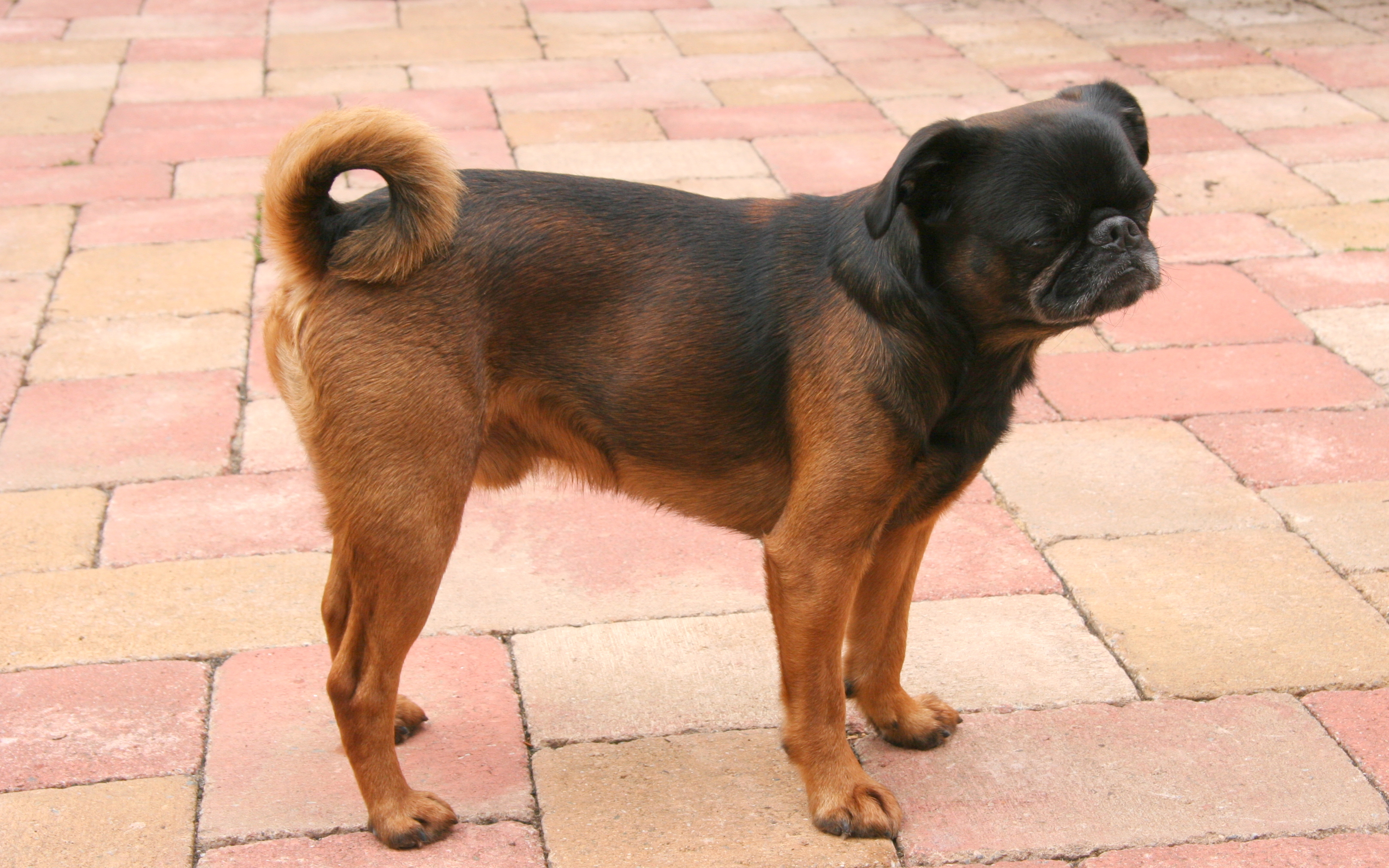
Source: Wikimedia Commons | CC BY-SA 3.0 | (3233×2021 px – 2.88 MB)

Source: Wikimedia Commons | CC BY-SA 3.0 | 1994-2012 (594×604 px – 64 KB)

Source: Wikimedia Commons | CC BY-SA 3.0 | (2592×3214 px – 1.15 MB)
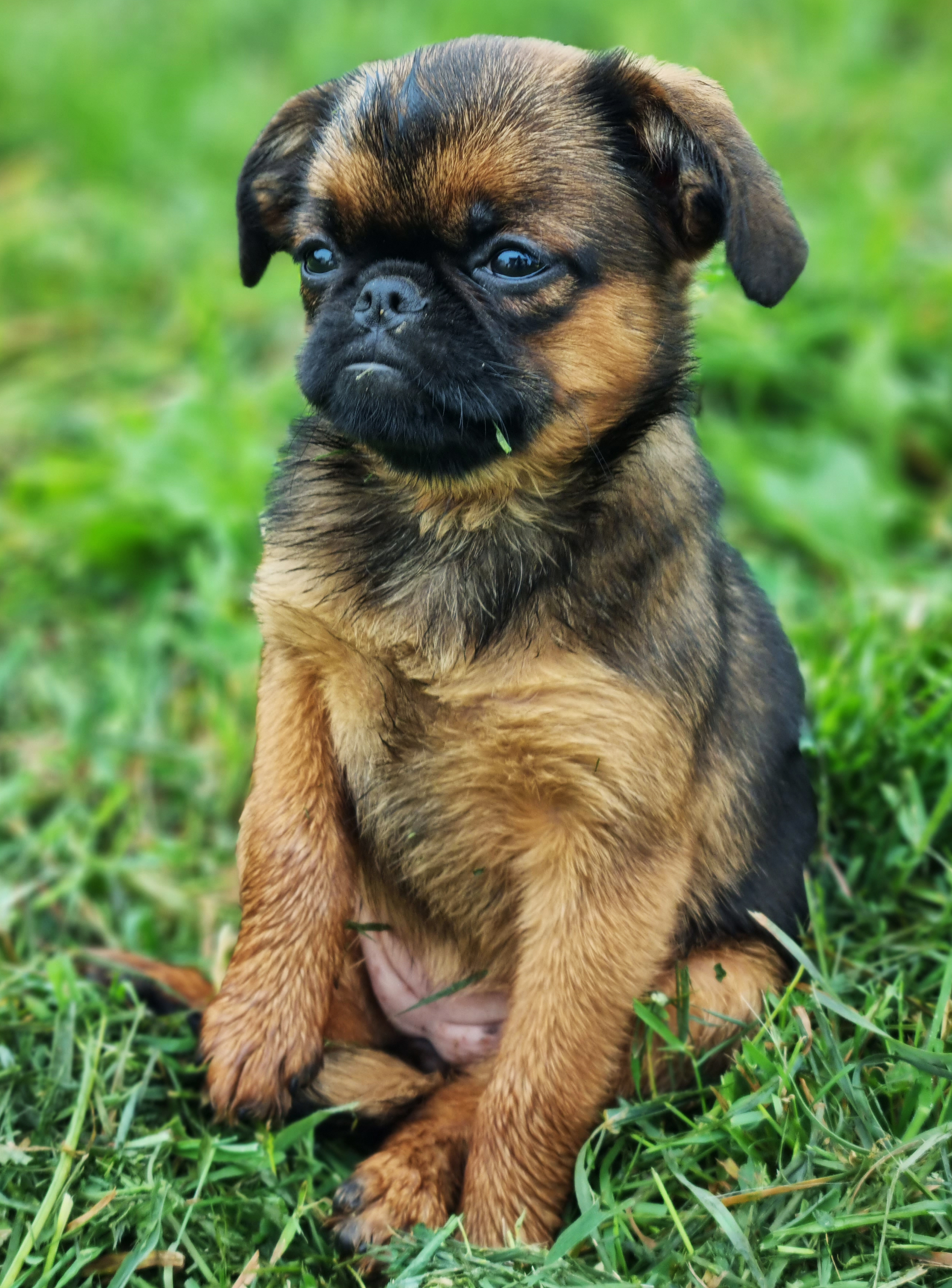
Source: Wikimedia Commons | CC BY-SA 3.0 | 2.5 months old (2598×3516 px – 4.75 MB)
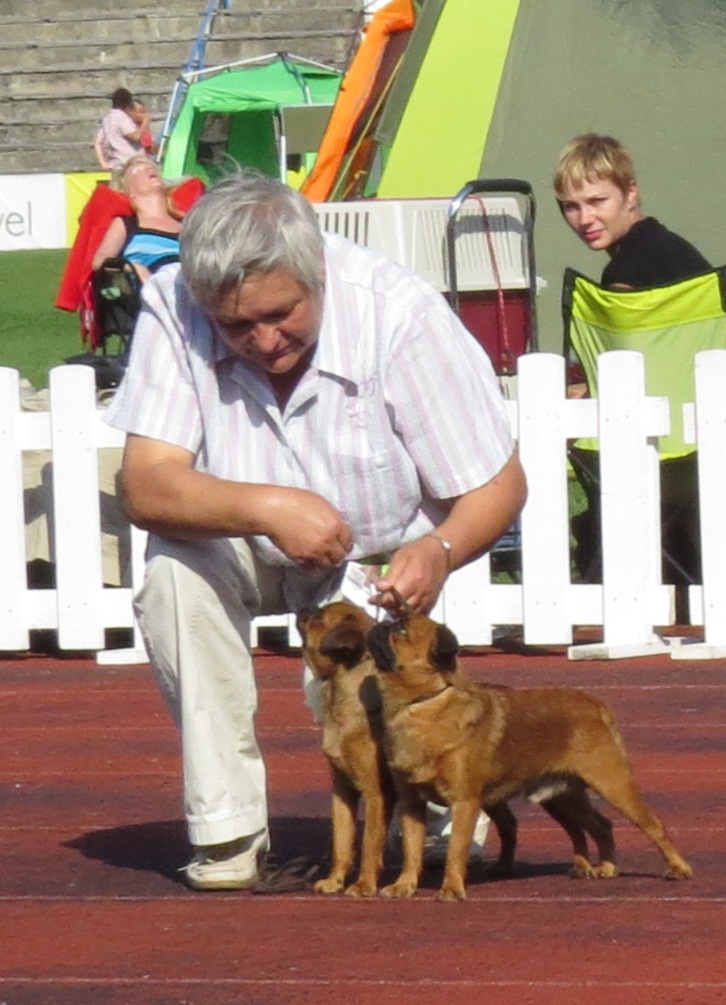
Source: Wikimedia Commons | CC BY-SA 3.0 | Brace (726×1005 px – 900+ KB)

Source: Wikimedia Commons | CC BY 2.0 | Flor de Canelas (1104×1656 px – 235 KB)
Petit Brabançon Characteristics
- Coat distinction: Smooth, short, glossy coat; no beard or facial hair; sleek appearance.
- Appearance similarity: Identical conformation and personality to rough coat variety; only coat difference.
- Breeding history: Developed later as smooth-coated variety; created through selective breeding and coat gene selection.
- Show status: Recognized as separate variety/division in most kennel clubs; shown separately from rough coat variety.
- Popularity: Equally popular to rough coat variety; chosen by owners based on coat preference.
Championship Show Documentation

Source: Wikimedia Commons | CC BY-SA 3.0 | (1948×1562 px – 903 KB)

Source: Wikimedia Commons | CC BY-SA 3.0 | (1948×2351 px – 1.31 MB)

Source: Wikimedia Commons | CC BY-SA 3.0 | (1305×1199 px – 418 KB)

Source: Wikimedia Commons | CC BY-SA 3.0 | (1280×856 px – 127 KB)
Source: Wikimedia Commons | CC BY-SA 3.0 | Aria (324×290 px – 88 KB)

Source: Wikimedia Commons | Public Domain | 1900 (1755×1179 px – 304 KB)
Show Dog Documentation
- Conformation shows: Brussels Griffons compete successfully in major kennel club shows, judged on adherence to breed standard. Comparable show ring presence to the Dalmatian show dogs.
- Championship records: Multiple championship records at AKC and international shows; strong breed presence in show rings.
- Public representation: Show dogs act as breed ambassadors, demonstrating ideal conformation and personality.
Exceptional Intelligence
- Cognitive ability: Exceptionally intelligent breed; quick learners; responsive to training; problem-solving capability.
- Human bonding: Exceptional ability to bond with humans; sensitive to owner emotion; empathetic nature evident.
- Trainability: Highly responsive to training; eager to please; sensitive to tone and approach. Similar intelligence levels as the Rough Collie and Belgian Sheepdog.
Personality Traits
- Entertaining nature: Naturally entertaining and engaging personality; comic antics; playful behavior.
- Sensitivity: Highly sensitive to harsh corrections; respond better to positive reinforcement; emotional dogs.
- Loyalty: Exceptional loyalty and devotion; one-person dogs tendency; strong bonding to primary caregiver.
Historical Breed Records

Source: Wikimedia Commons | Public Domain | (311×240 px – 11 KB)
Historical Significance
- Early American records: Brussels Griffon documentation from 1915 shows companion dog presence in America.
- Breed consistency: Historical photographs show remarkable consistency with modern breed standards.
- Cultural popularity: Breed documentation shows widespread popularity as companion dog throughout history. See our Dalmatian puppy documentation for another breed with rich historical records.
Artistic Representation & Cultural Significance

Source: Wikimedia Commons | Public Domain | Dearly portrait (2918×3519 px – 9.05 MB)

Source: Wikimedia Commons | Public Domain | Frances C. Fairman (550×776 px – 86 KB)
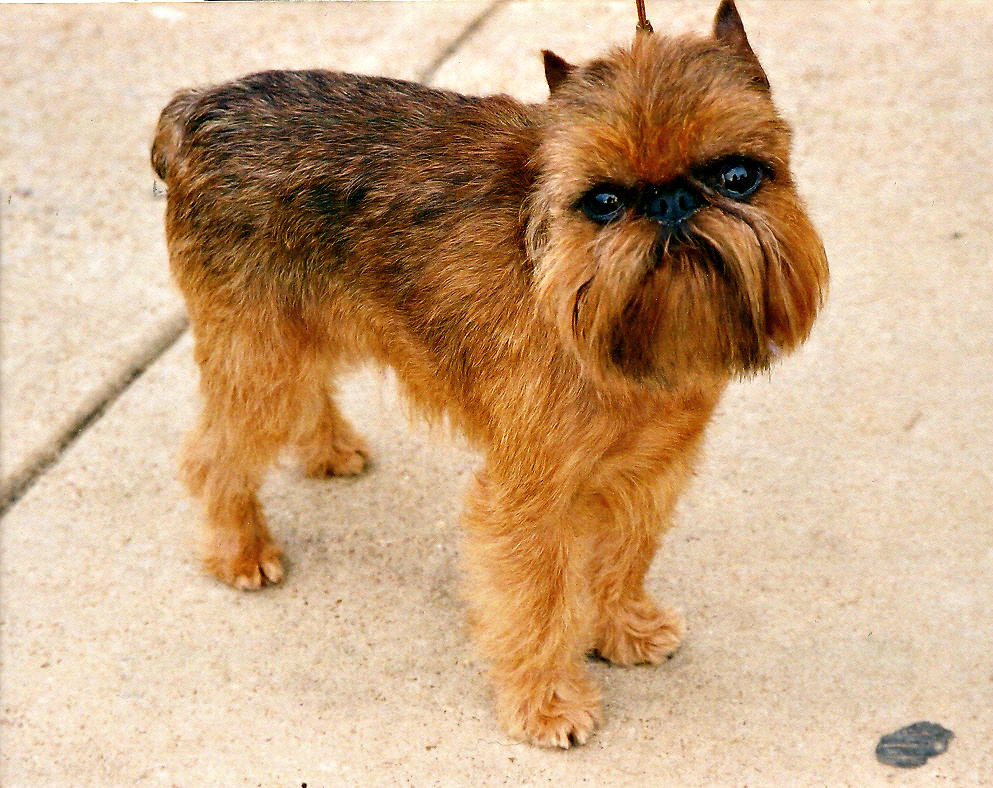
Source: Wikimedia Commons | CC BY-SA 3.0 | (993×788 px – 797 KB)
Cultural Importance
- Artistic subject: Brussels Griffons have been subjects of paintings, portraits, and cultural documentation throughout history.
- European heritage: Breed represents an important part of Belgian and European dog culture and artistic tradition.
- Celebrity status: Breed has attracted artists and notable owners throughout history; culturally significant breed.
Breed-Specific Health Issues
- Respiratory issues: Brachycephalic breed characteristics; breathing difficulties possible; temperature sensitivity important.
- Eye problems: Pug eye (exophthalmos) possible; regular veterinary eye examinations recommended.
- Patellar luxation: Knee joint issues in toy breeds; veterinary screening recommended.
- Heart conditions: Cardiac issues documented in breed; regular screening important; veterinary monitoring recommended.
Health Management
- Preventive care: Regular veterinary examinations; appropriate vaccinations; respiratory health monitoring. See our Cocker Spaniel health guide for comparative preventive care approaches.
- Temperature management: Sensitive to extreme heat and cold; climate control essential; avoid overheating.
- Dental care: Regular dental cleanings; prevent dental disease; important preventive measure.
- Health screening: Veterinary evaluations; cardiac screening; eye examinations; preventive health measures important.
Lifespan & Care
- Life expectancy: 12–15 years with proper care; genetics, diet, environment significantly influence longevity.
- Preventive care: Regular veterinary examinations; appropriate vaccinations; nutrition management important.
Responsible Breeding Practices
- Health screening requirement: Reputable breeders implement comprehensive health screening before breeding decisions.
- Personality emphasis: Many breeders emphasize personality and temperament; selection for engaging character important.
- Genetic diversity: Awareness of inbreeding coefficients; pedigree analysis; efforts to maintain genetic diversity important.
Breeding Program Development
- Show quality emphasis: Selective pairing emphasizing conformation, temperament, and personality; multiple breeding lines maintained.
- Temperament selection: Selection for stable, affectionate temperament; human bonding capability important.
- Coat variety selection: Separate breeding for rough coat (Brussels Griffon) and smooth coat (Petit Brabançon).
- Puppy placement: Show/competition-potential puppies placed with experienced show handlers; family puppies placed with appropriate families. See Dalmatian puppy guide for comparison.
Daily Care Routine
- Exercise requirements: 30–45 minutes daily moderate exercise sufficient; toy dog heritage; apartment-suitable. Contrasts with the vigorous demands of the Basset Hound or energetic Beagle.
- Rough coat maintenance: Regular brushing (3–4 times weekly) recommended; occasional hand-stripping for show dogs; professional grooming helpful.
- Smooth coat maintenance: Weekly brushing recommended; occasional bathing; minimal grooming requirements; low-maintenance coat.
- Mental enrichment: Require mental challenges; training beneficial; interactive play important for intelligent breed.
Housing & Environment
- Space requirements: Suitable for apartments; small space requirements; indoor living preferred. Contrasts with space-demanding breeds like the Borzoi or Bloodhound.
- Temperature sensitivity: Sensitive to extreme heat and cold; climate control essential; outdoor exposure carefully managed. Cold-weather breeds like the Chow Chow handle temperature extremes better.
- Social environment: Thrive with consistent human interaction; family-oriented dogs; require human companionship.
Training & Socialization
- Socialization importance: Early socialization essential; exposure to diverse people and environments critical.
- Training methodology: Respond well to positive reinforcement; sensitive to tone; gentle training methods important; consistent training important. Similar sensitivity as the Chihuahua.
- Owner requirements: Require owners understanding of toy breed characteristics; commitment to companionship; sensitivity to emotional needs important.
1. What is special about the Brussels Griffon breed?
Brussels Griffons are renowned for their distinctive monkey-like face and exceptional personality. They combine unusual appearance with remarkable intelligence, engaging personality, and exceptional human bonding capability. Their personality often exceeds their tiny size, making them charismatic and charming companions.
2. Why are they called “Brussels” Griffons?
The name “Brussels Griffon” comes from the breed's origin in Brussels, Belgium. “Brussels” identifies the city of origin, while “Griffon” refers to the rough, wiry coat texture. The breed is also known as “Griffon Bruxellois” (French) or the smooth-coated variety as “Petit Brabançon.”
3. What is the difference between Brussels Griffon and Petit Brabançon?
The primary difference is coat type: Brussels Griffons have a rough, wiry coat with distinctive facial hair/beard, while Petit Brabançons have a smooth, short, glossy coat. Otherwise, they are genetically identical with the same conformation, personality, and temperament. They are recognized as separate coat varieties.
4. Are Brussels Griffons good family dogs?
Yes, when properly socialized and trained. They are loyal, affectionate, and devoted to family members. However, they are sensitive dogs requiring gentle handling and consistent human interaction. They do best with families that appreciate their personality and can provide adequate attention.
5. How much exercise do Brussels Griffons need?
Brussels Griffons require 30–45 minutes of daily moderate exercise. They are toy dogs that don't require extensive exercise but do need regular activity and mental stimulation to remain healthy and content. They are suitable for apartment living with adequate daily exercise.
6. What are their main health concerns?
Primary health concerns include respiratory issues (brachycephalic breed characteristics), eye problems, patellar luxation, and heart conditions. Regular veterinary screening and health management are important preventive measures. Temperature management is particularly critical due to their sensitivity.
7. Do Brussels Griffons require extensive grooming?
Rough coat variety requires regular brushing (3–4 times weekly) and occasional hand-stripping for show dogs. Smooth coat variety (Petit Brabançon) requires weekly brushing and minimal maintenance. Professional grooming can be helpful for rough coat variety.
8. Are Brussels Griffons good apartment dogs?
Yes, absolutely. Brussels Griffons are ideal apartment dogs. They are small, don't require extensive exercise, and are suitable for limited space. However, they require consistent human interaction and do poorly with extended alone time. They prefer being in close proximity to their owners.
9. What is their typical lifespan?
Brussels Griffons typically live 12–15 years with proper care, nutrition, exercise, and regular veterinary attention. Genetics, diet, environment, and healthcare significantly influence longevity.
10. Are Brussels Griffons recognized by the AKC?
Yes, Brussels Griffons are fully recognized by the American Kennel Club as members of the Toy Group. They are eligible for conformation shows, obedience competitions, and other AKC events. Both rough coat (Brussels Griffon) and smooth coat (Petit Brabançon) varieties are recognized.
- This encyclopedia is educational in nature and reflects current breed documentation as of March 2026.
- Breed standard information based on AKC official standards; readers should consult official breed club resources for current standards.
- All images sourced from Wikimedia Commons with open licenses (CC BY-SA, CC BY, CC0 Public Domain) with complete attribution provided for each image.
- Health information provided for general knowledge; readers should consult veterinary professionals for specific health concerns.
- Breeding recommendations reflect current best practices; prospective breeders should consult breed clubs and veterinary geneticists.
Primary Scientific References
- Breed Standards: American Kennel Club (AKC) Official Brussels Griffon Breed Standard; FCI Breed Standard Group 9 Companion Dogs
- Historical Documentation: Belgian breed club archives; Brussels Griffon breed development records; international breed club documentation
- Behavioral Research: Canine psychology studies; human-animal bonding research; toy breed behavior studies
- Health Research: Brachycephalic breed health studies; patellar luxation research; cardiac health research in toy breeds
- Genetic Research: Canine genetics studies; coat gene inheritance; breed population analysis
- Intelligence Studies: Canine cognition research; dog intelligence and trainability studies
Complete Image Attribution Summary
- Breed Standard (7 images): Standard specimens, red with black mask, tan with black mask, puppy, four-year-old adult, high-resolution examples
- Head & Facial (4 images): Historical portrait, head detail, monkey face example, Petit Brabançon variety
- Petit Brabançon Variety (6 images): Adult specimens, champion, puppy stage, pair documentation, show champion
- Show & Championship (6 images): Baltic Winner 2013, show postures, agility work, FCI standard dog, historical 1900
- Historical Documentation (1 image): 1915 record
- Artistic & Cultural Heritage (3 images): Eugène van Gelder portrait, Frances C. Fairman watercolor, Rembrandt champion
Copyright Compliance Notice
This encyclopedia prioritizes copyright compliance through exclusive use of Wikimedia Commons images with appropriate licensing (CC BY-SA, CC BY, CC0 Public Domain) and complete attribution. Every image includes caption, file information, license type, dimensions, file size, and usage notes. Flexible gallery grids ensure all images display at full size without cropping. All images used strictly for non-commercial educational breed documentation purposes.
© 2026 – Encyclopedia.guru – Brussels Griffon Dog Breed Encyclopedia (Canis familiaris)
Comprehensive breed documentation with emphasis on distinctive monkey-like face, exceptional intelligence and personality, Petit Brabançon variety, affectionate temperament, and care requirements | Wikimedia Commons images integrated | Written by Encyclopedia.guru Expert Writing Team | Updated: 2 March 2026