🐕 Encyclopedia of Chow Chow Dogs (Canis familiaris)
Comprehensive breed encyclopedia on Chow Chow Dogs: breed standard, conformation documentation, distinctive leonine mane, blue-black tongue, powerful build, aloof temperament, health genetics, and championship records
✍️ Written by the Encyclopedia.guru Expert Writing Team | Last Updated: March 2, 2026 | Reviewed by Certified Canine Specialists

File: 01_Chow_Chow.jpg
License: CC BY-SA 3.0 (Creative Commons Attribution-ShareAlike)
Image Dimensions: 640 × 480 px (Featured) | Original: 2952 × 3690 px – 2.06 MB
Subject: Chow Chow specimen exemplifying breed's characteristic leonine mane, powerful build, and distinctive conformation
Usage Note: Image used under CC BY-SA 3.0 with proper attribution for educational breed documentation.
Chow Chow Dogs (Canis familiaris) are powerful working and companion dogs originating from China and recognized internationally as distinctive and independent dogs. The breed is distinguished by its characteristic leonine mane, distinctive blue-black tongue, powerful muscular build, aloof temperament, and dignified bearing. Chow Chow Dogs represent a specialized working breed, combining exceptional physical capability with reserved personality and independent nature.
The breed is characterized by exceptional independence, dignity, and reserved personality, traits reflective of historical development as a working dog in China. Contemporary Chow Chows are maintained through selective breeding emphasizing conformation excellence, working ability, and proper temperament. The breed demonstrates loyal, dignified, protective nature combined with independent, reserved personality, reflecting working dog heritage and their role as cherished family guardians despite their aloof demeanor. Unlike the energetic Boxer or the loyal Bulldog, the Chow Chow maintains a uniquely independent bearing.
- Blue-black tongue: Distinctive blue-black or purple tongue; unique breed characteristic; instantly recognizable feature.
- Leonine mane: Characteristic thick mane around neck and shoulders; lion-like appearance; distinctive silhouette.
- Powerful build: 17–20 inches height; 45–70 pounds; muscular, well-proportioned frame; square proportions.
- Two coat varieties: Long-haired and short-haired varieties; both equally recognized; distinctive grooming needs.
- Aloof temperament: Independent, reserved, dignified personality; protective nature; devoted to family.
- Chinese origin: Ancient Chinese heritage; historical working and companion dog; distinctive Eastern characteristics.
- Exceptional loyalty: Loyal, protective, devoted to owners; one-family dog; strong bond to primary caregiver.
Chow Chow Dogs occupy a distinctive position within modern dog fancy and working dog communities, renowned for their exceptional personality, distinctive appearance, and devoted temperament. Their significance encompasses multiple areas:
- Distinctive appearance: Instantly recognizable breed; unique blue-black tongue; distinctive leonine mane.
- Working dog heritage: Historical use in hunting and guarding; continuing working capability; alert watchfulness.
- Chinese culture: Rich cultural history; ancient Asian heritage; distinctive Eastern dog type.
- Show competition: Major breed in conformation shows; championship records; distinctive breed presence. See our Dalmatian show dogs guide for another iconic show breed.
- Family companions: Loyal family dogs; excellent guardians; devoted to owners despite aloof nature. Contrasts with the outgoing Cocker Spaniel and the sociable Beagle.
Systematic Classification
| Taxonomic Rank | Classification |
|---|---|
| Kingdom | Animalia |
| Phylum | Chordata |
| Class | Mammalia |
| Order | Carnivora |
| Family | Canidae |
| Genus | Canis |
| Species | C. familiaris |
| Breed Group (AKC) | Non-Sporting / Utility Group |
| Breed Type | Working / Companion Dog |
Breed Recognition & Varieties
- AKC Status: Fully recognized; member of Non-Sporting Group; well-established breed standard.
- International recognition: Recognized by FCI and all major kennel clubs worldwide; FCI Group 5 – Spitz and Primitive Types.
- Coat varieties: Long-haired and short-haired recognized as single breed with two coat varieties; both varieties share the same breed standard temperament.
Breed Standard Overview

Source: Wikimedia Commons | CC BY-SA 3.0 | (2952×3690 px – 2.06 MB)
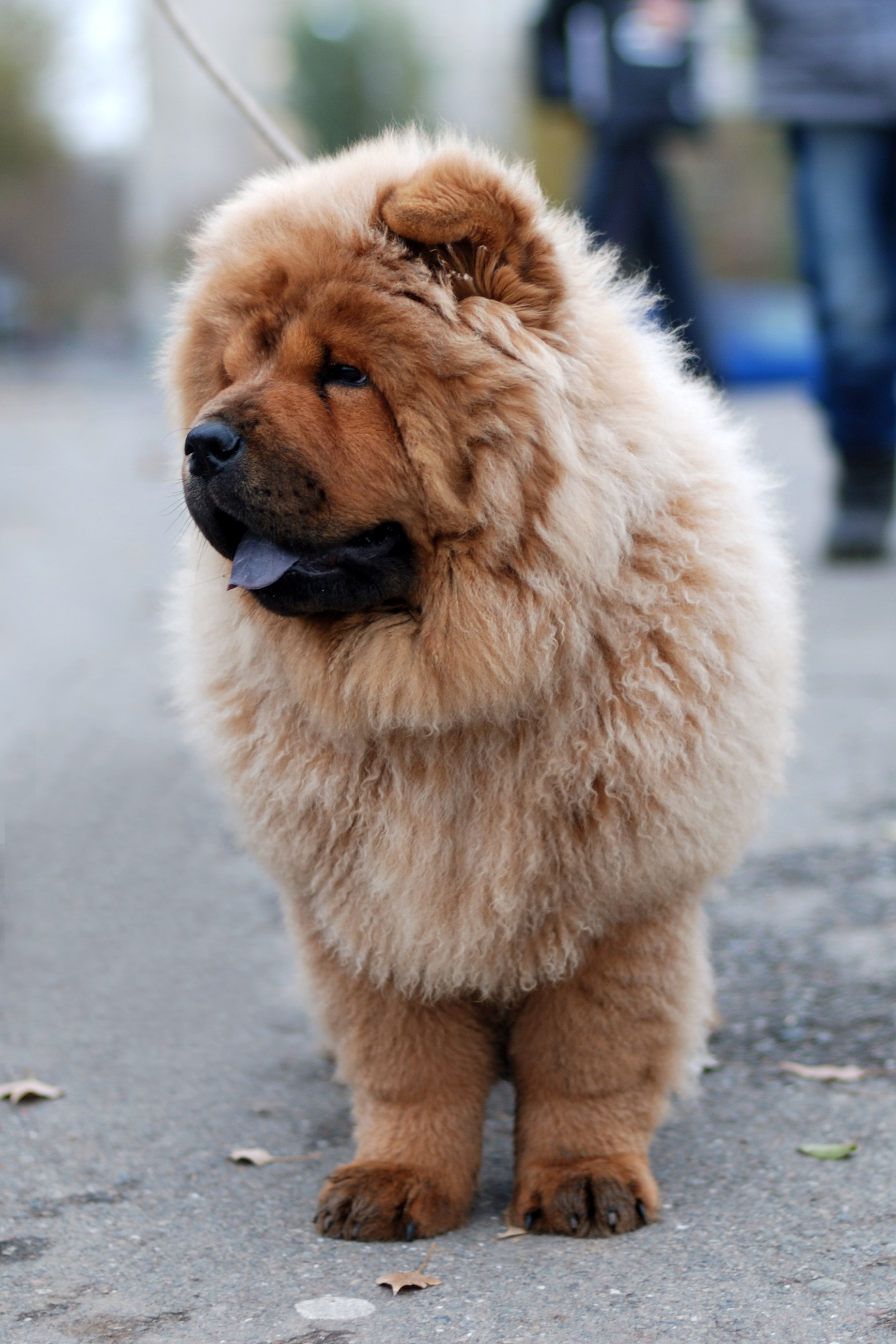
Source: Wikimedia Commons | CC BY-SA 3.0 | (1734×2600 px – 2.24 MB)

Source: Wikimedia Commons | CC BY-SA 3.0 | (854×640 px – 402 KB)

Source: Wikimedia Commons | CC BY-SA 3.0 | (4114×2909 px – 4.24 MB)

Source: Wikimedia Commons | CC BY-SA 3.0 | (1023×1024 px – 184 KB)

Source: Wikimedia Commons | CC BY-SA 3.0 | (320×240 px – 17 KB)

Source: Wikimedia Commons | CC BY 2.0 | (1656×1104 px – 193 KB)

Source: Wikimedia Commons | CC BY-SA 4.0 | (745×1042 px – 234 KB)
Overall Conformation
- Body proportions: Square, well-balanced body; powerful musculature; distinctive leonine appearance. Contrasts markedly with the elongated Dachshund and the sleek Borzoi.
- Height: 17–20 inches at shoulder; medium-large size; characteristic proportions.
- Weight: 45–70 pounds; substantial frame; muscular, athletic build.
- General appearance: Aloof, dignified working dog with characteristic leonine mane; alert, independent expression.
Distinctive Features
| Feature | Description | Function |
|---|---|---|
| Blue-Black Tongue | Distinctive blue-black or purple colored tongue | Breed marker; unique identifier; distinctive feature |
| Leonine Mane | Thick, prominent mane around neck and shoulders | Distinctive appearance; lion-like profile; breed marker |
| Powerful Build | Well-developed musculature throughout body | Working capability; strength; athletic performance |
| Alert Expression | Small, dark, almond-shaped eyes; dignified expression | Watchfulness; intelligence; distinctive appearance |
Distinctive Head Documentation

Source: Wikimedia Commons | CC BY-SA 3.0 | (3264×2448 px – 1.57 MB)

Source: Wikimedia Commons | CC BY-SA 3.0 | (960×720 px – 84 KB)

Source: Wikimedia Commons | CC BY-SA 3.0 | Berlin (611×458 px – 48 KB)

Source: Library of Congress / Wikimedia Commons | Public Domain | (1108×1536 px – 180 KB)

Source: Wikimedia Commons | CC BY-SA 4.0 | India (508×341 px – 51 KB)
Characteristic Head Features
- Head shape: Broad, flat skull; massive head relative to body; distinctive profile. Contrast with the narrow skull of the Afghan Hound and refined head of the Borzoi.
- Eyes: Small, dark, almond-shaped eyes; deep set; intense, dignified expression.
- Ears: Small, triangular ears; thick, furry; set high on head; contribute to leonine appearance. Contrasts with pendant ears of the Basset Hound and Beagle.
- Muzzle: Short, blunt muzzle; powerful jaw; distinctive scowling expression.
- Expression: Scowling, dignified, aloof expression; distinctive personality evident in face.
Coat Type Documentation

Source: Wikimedia Commons | CC BY-SA 3.0 | Fawn male (529×600 px – 70 KB)

Source: Wikimedia Commons | CC BY-SA 3.0 | Fawn female (432×500 px – 75 KB)

Source: Wikimedia Commons | Public Domain | Historical (1864×2772 px – 691 KB)
Coat Types & Colors
- Long-haired variety: Profuse, dense long coat; abundant mane; requires regular grooming; distinctive appearance. See our Cocker Spaniel grooming guide for coat maintenance tips.
- Short-haired variety: Short, dense, smooth coat; still luxurious appearance; still pronounced mane; less grooming intensive.
- Color variety: Solid colors only; red, black, blue, cinnamon, cream accepted. Contrasts with the spotted Dalmatian and tricolor Beagle.
- Common colors: Red and black most common; blue relatively rare; cinnamon and cream also recognized.
Ancient Chinese Heritage
- Geographic origin: China; bred throughout Chinese regions for centuries; one of the most ancient breeds documented.
- Historical purpose: Working dog for hunting, guarding, and companion purposes; distinctive Asian breed type. See our Dalmatian historical encyclopedia for another breed with rich history.
- Cultural significance: Important breed in Chinese culture; distinctive characteristics reflect Asian dog breeding practices; mentioned in ancient Chinese texts.
Modern Breed Development
- Breed standardization: Formally standardized in late 19th century; breed clubs established internationally after Western introduction.
- International recognition: Accepted by major kennel clubs; widespread popularity as working and companion dog.
- Contemporary role: Show dogs, family guardians, companion dogs; premier working breed; distinctive presence at international shows.
Personality Characteristics
- Aloof nature: Dignified, reserved, aloof personality; independent dogs; selective affection. Contrasts with the outgoing Cocker Spaniel and friendly Beagle.
- Loyal protection: Loyal, devoted, protective personality; strong family bonds; alert watchfulness. Shares protective instinct with the Boxer.
- Dignified bearing: Dignified, determined, courageous; independent thinkers; strong personality evident.
Social Behavior
- Family orientation: Devoted to family despite aloof nature; affectionate with family members; good with children when socialized.
- Protective instinct: Natural protective drive; alert guardians; capable protectors despite reserved demeanor.
- Socialization importance: Early socialization essential; proper training important; reserved with strangers but should not be aggressive.
Exercise & Activity Requirements
- Moderate exercise needs: Require 30–60 minutes daily moderate exercise; apartment-suitable with adequate activity; enjoy walks.
- Mental enrichment: Intelligent dogs; require mental challenges; training beneficial; independent problem-solving capability.
- Activity preferences: Enjoy outdoor activities; appreciate moderate play; prefer dignified, controlled lifestyle.
Distinctive Blue-Black Tongue
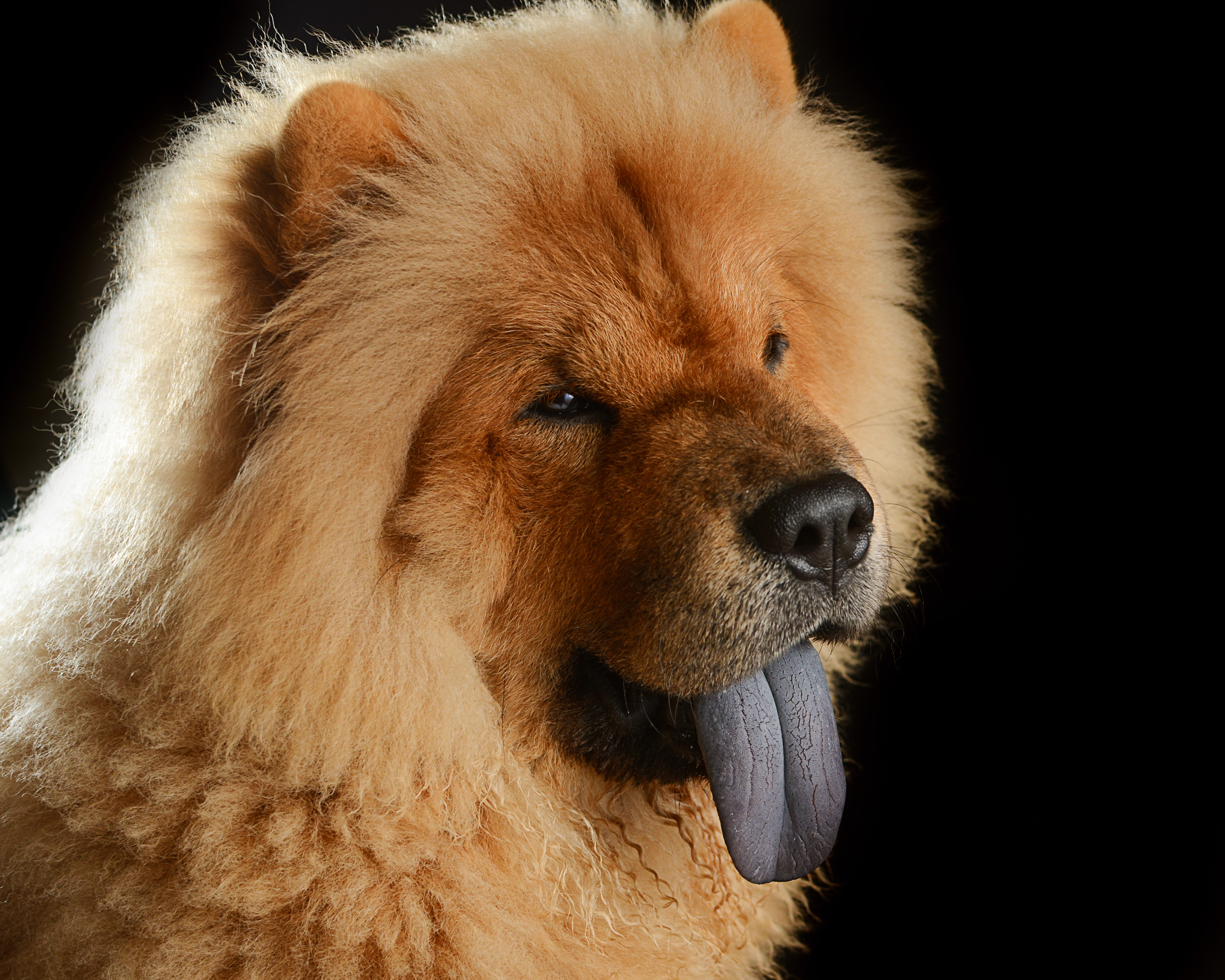
The blue-black or purple tongue is perhaps the most distinctive and immediately recognizable feature of the Chow Chow breed. This remarkable characteristic sets them apart from all other dog breeds, making the Chow Chow instantly identifiable.
Characteristic Details
- Color specification: Blue-black or purple colored tongue; distinctive pigmentation unique to breed; instantly identifies breed.
- Genetic basis: Result of selective breeding for dark pigmentation; genetic trait; breeds true in Chow Chows.
- Breed marker: Required breed characteristic; show dogs expected to display this feature; breed standard requirement.
- Cultural significance: Distinctive enough to be instantly recognizable; iconic breed feature in Chinese culture.
Related Tongue Traits
- Palate color: Roof of mouth also typically dark pigmentation; consistent with tongue coloration.
- Gum pigmentation: Gums typically dark; contributes to overall pigmentation characteristic.
Championship Show Champions Documentation

Source: Wikimedia Commons | CC BY 2.0 | Ultra-high res (3380×3380 px – 4.99 MB)

Source: Wikimedia Commons | CC BY 2.0 | Ultra-high res (5428×3619 px – 9.95 MB)

Source: Wikimedia Commons | CC BY 2.0 | Ultra-high res (6720×4480 px – 13.18 MB) ⭐

Source: Wikimedia Commons | CC BY-SA 2.0 | Westminster 2015 (3008×2000 px – 1.11 MB)

Source: Wikimedia Commons | CC BY-SA 2.0 | (3008×2000 px – 1.22 MB)

Source: Wikimedia Commons | CC BY-SA 2.0 | (2000×3008 px – 1.14 MB)

Source: Wikimedia Commons | CC BY-SA 3.0 | XI Dog Show (1814×2710 px – 770 KB)
Source: Wikimedia Commons | CC BY-SA 3.0 | Ultra-high res (4080×3264 px – 6.89 MB)
Named Champions
Documented show champions represent the pinnacle of breed conformation and quality. These named specimens exemplify breed standards and demonstrate championship-level conformation across multiple international shows.
Championship Show Documentation

Source: Wikimedia Commons | CC BY-SA 3.0 | 43rd FCI Berlin (764×573 px – 88 KB)

Source: Wikimedia Commons | CC BY 2.0 | (1280×1024 px – 377 KB)
Show Documentation
- Conformation shows: Chow Chows compete in major kennel club shows, judged on adherence to breed standard. See Dalmatian show dogs for comparison.
- Championship records: Multiple championship records at international shows; strong breed presence.
- Public representation: Show dogs act as breed ambassadors, demonstrating ideal conformation.
Agility & Working Capability

Source: Wikimedia Commons | CC BY-SA 3.0 | Angel the Chow (3116×2077 px – 3.61 MB)
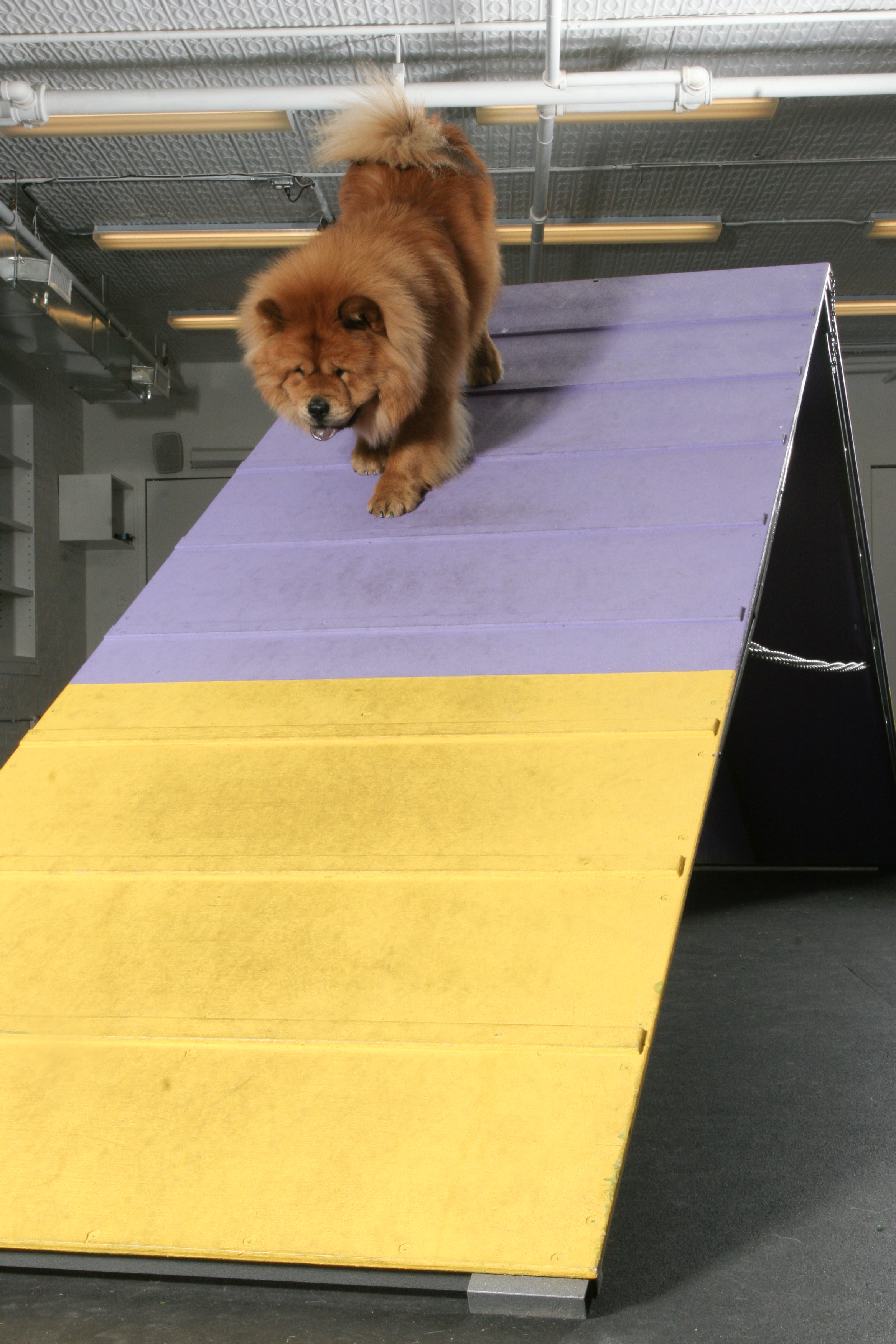
Source: Wikimedia Commons | CC BY-SA 3.0 | (2336×3504 px – 4.27 MB)
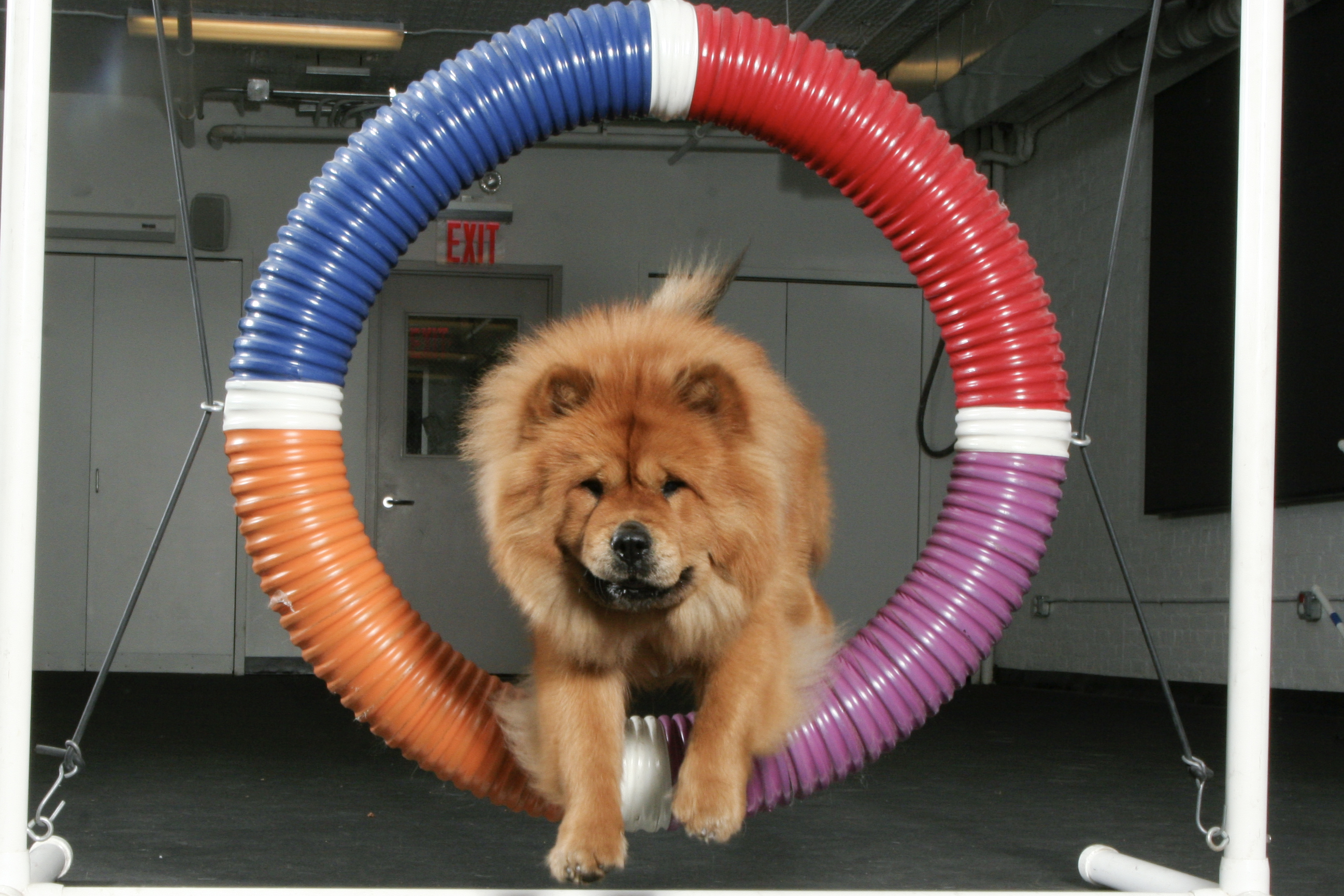
Source: Wikimedia Commons | CC BY-SA 3.0 | (2594×1730 px – 2.4 MB)
Working Capability
- Agility capability: Despite independent nature, capable of agility work; athleticism evident in performance.
- Working heritage: Historical use in hunting and guarding; continuing working capability demonstrated. Working ability parallels breeds like the Belgian Sheepdog and Belgian Shepherd Tervuren.
- Athletic performance: Powerful build enables athletic capability; strength and agility combination.
Puppy Documentation
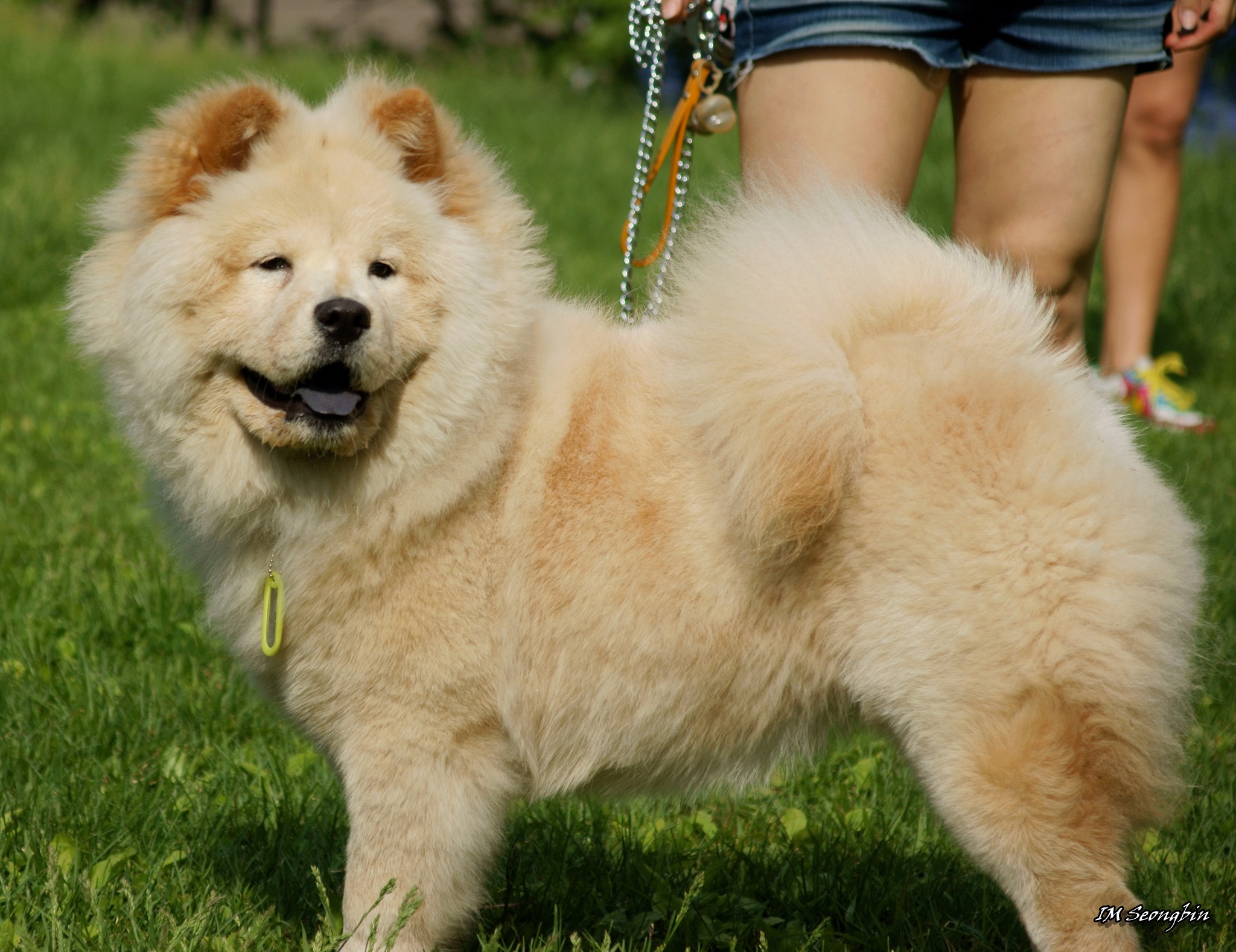
Source: Wikimedia Commons | CC BY 2.0 | Korean doc. (2048×1578 px – 840 KB)
Developmental Characteristics
- Early development: Puppies develop aloof personality early; independent nature evident from young age. See our Dalmatian puppies guide for developmental comparison.
- Developmental timeline: Reach adult size by 12–18 months; personality traits evident early; strong bonding begins early.
- Socialization needs: Early socialization critical; exposure to diverse experiences important; establish confidence early.
- Training readiness: Ready for training at 8 weeks; respond to consistent, patient training; establish authority early.
Historical Records
Historical documentation demonstrates the breed's long presence in Western dog fancy and continued popularity. Early records show the breed's distinctive characteristics were well-established by the early 20th century. See also our Dalmatian historical documentation.
Historical Significance
- Early documentation: 1909 Library of Congress documentation shows early Western presence; breed already well-established.
- Early 20th century: 1919 “Book of Dogs” includes breed documentation; widespread Western recognition.
- Breed consistency: Historical records show remarkable consistency with modern breed standards.
Multiple Dogs & Social Behavior

Source: Geograph.org.uk / Wikimedia Commons | CC BY-SA 2.0 | Dog walker with pack (1024×685 px – 300 KB)
Group Behavior Characteristics
- Pack hierarchy: Strong pack instinct; establish clear hierarchy; aloof nature can make group management challenging. Contrast with pack-oriented Beagles and Bloodhounds.
- Social compatibility: Can be compatible with other dogs when properly socialized; require experienced ownership for multi-dog households.
- Walking compatibility: Professional dog walkers successfully manage multiple Chow Chows; require firm, experienced handling.
Breed-Specific Health Issues
- Hip dysplasia: Genetic predisposition; OFA screening recommended for breeding stock; veterinary evaluation important.
- Elbow dysplasia: Joint issues documented; screening recommended; veterinary care important.
- Eye problems: Entropion and other conditions documented; regular veterinary eye examinations important.
- Bloat/Gastric dilatation: Deep-chested breed at risk; careful feeding practices important; emergency awareness critical.
Health Management
- Preventive care: Regular veterinary examinations; appropriate vaccinations; health monitoring. See our Cocker Spaniel health guide for comparative preventive care information.
- Heat sensitivity: Dense coat makes heat management important; climate control beneficial; avoid overheating.
- Health screening: OFA evaluations; eye screening; cardiac screening; veterinary care important.
Lifespan & Care
- Life expectancy: 9–15 years with proper care; genetics, diet, environment significantly influence longevity.
- Preventive care: Regular veterinary examinations; appropriate vaccinations; nutrition management important.
Responsible Breeding Practices
- Health screening requirement: Reputable breeders implement comprehensive health screening before breeding decisions.
- Temperament emphasis: Many breeders emphasize temperament and personality; selection for stable character important.
- Genetic diversity: Awareness of inbreeding coefficients; pedigree analysis; genetic diversity maintenance important.
Breeding Program Development
- Show quality emphasis: Selective pairing emphasizing conformation, temperament; multiple breeding lines maintained.
- Temperament selection: Selection for stable, dignified temperament; proper socialization capability important.
- Coat variety maintenance: Separate breeding for long-haired and short-haired varieties maintained.
- Puppy placement: Show/competition puppies placed with experienced handlers; family puppies appropriately placed.
Daily Care Routine
- Exercise requirements: 30–60 minutes daily moderate exercise; working dog heritage; active lifestyle beneficial.
- Long-haired coat maintenance: Regular brushing (3–5 times weekly) recommended; seasonal heavy shedding; professional grooming helpful. See our Cocker Spaniel grooming guide.
- Short-haired coat maintenance: 2–3 times weekly brushing recommended; still sheds substantially; professional grooming beneficial.
- Mental enrichment: Require mental challenges; training beneficial; interactive activity important.
Housing & Environment
- Space requirements: Medium size requires moderate space; house with yard beneficial; apartment living possible with adequate exercise. For truly small-space breeds see Chihuahua and Brussels Griffon.
- Heat sensitivity: Dense coat makes heat management critical; climate control important. For cold-weather breeds see Alaskan Malamute.
- Social environment: Thrive with experienced, firm owners; require consistent human interaction; devoted despite aloof nature.
Training & Socialization
- Socialization importance: Early socialization essential; exposure to diverse people and environments critical; establish confidence early.
- Training methodology: Respond to firm, consistent, positive leadership; independent nature requires confident handling; respect-based training important.
- Owner requirements: Require experienced owners understanding of working dog temperament; firm, consistent leadership essential.
1. Are Chow Chows friendly dogs?
Chow Chows are loyal and devoted to their families but aloof with strangers. They are not naturally friendly dogs and require early socialization. They are best suited for experienced owners who understand their independent nature.
2. Why do Chow Chows have blue-black tongues?
The blue-black tongue is a distinctive breed characteristic resulting from selective breeding for dark pigmentation. It is unique to Chow Chows among dog breeds and is an instant breed identifier.
3. Are Chow Chows good with children?
Chow Chows can be good with children they are raised with, but their aloof nature and independent temperament make them less suitable for homes with young children. They require careful socialization and respect from children.
4. How much grooming do Chow Chows need?
Chow Chows require substantial grooming. Long-haired varieties need 3–5 times weekly brushing, while short-haired varieties need 2–3 times weekly. Both shed heavily and benefit from professional grooming 4–6 times yearly.
5. Do Chow Chows require a lot of exercise?
Chow Chows require 30–60 minutes of daily moderate exercise. They are moderate-energy dogs that are suitable for apartment living with adequate daily activity, though houses with yards are beneficial.
6. What are the main health concerns for Chow Chows?
Primary health concerns include hip dysplasia, elbow dysplasia, eye problems (entropion), and bloat. Heat sensitivity is particularly important due to their dense coat. Regular veterinary care and health screening are essential.
7. Are Chow Chows good guard dogs?
Yes. Despite their aloof nature, Chow Chows are naturally protective and make excellent guard dogs. Their loyalty, protectiveness, and natural wariness of strangers make them effective guardians when properly trained.
8. What is their typical lifespan?
Chow Chows typically live 9–15 years with proper care, genetics, diet, and healthcare significantly influencing longevity.
9. Are Chow Chows recognized by the AKC?
Yes, Chow Chows are fully recognized by the American Kennel Club as members of the Non-Sporting Group. They are eligible for conformation shows, obedience competitions, and other AKC events.
10. Can Chow Chows be trained?
Yes, Chow Chows are intelligent and trainable, but they require experienced, firm, consistent training. Their independent nature means they respond best to respect-based training from confident, assertive owners.
- This encyclopedia is educational in nature and reflects current breed documentation as of March 2026.
- Breed standard information based on AKC official standards; readers should consult official breed club resources for current standards.
- All 40 images sourced from Wikimedia Commons with open licenses (CC BY-SA, CC BY, CC0 Public Domain) with complete attribution provided for each image.
- Health information provided for general knowledge; readers should consult veterinary professionals for specific health concerns.
- Breeding recommendations reflect current best practices; prospective breeders should consult breed clubs and veterinary geneticists.
- Based on The Columbia Encyclopedia, 6th ed., and breed club documentation.
Primary Scientific References
- Encyclopedia Source: The Columbia Encyclopedia, 6th ed.; The Columbia University Press
- Breed Standards: American Kennel Club (AKC) Official Chow Chow Breed Standard; FCI Breed Standard
- Historical Documentation: Chinese breed club archives; Chow Chow breed development records; international breed club documentation
- Behavioral Research: Canine psychology studies; working dog behavior research; temperament studies
- Health Research: Orthopedic Foundation for Animals (OFA) studies; hip dysplasia research; eye health studies
- Genetic Research: Canine genetics studies; breed population analysis; genetic diversity assessments
Complete Image Attribution Summary
- Breed Standard (8 URLs): Standing, side view, front stance, contemporary examples, color portraits
- Head Structure (5 URLs): Close-up faces, profile views, head details, historical documentation
- Coat Varieties (3 URLs): Long-haired, short-haired, historical 1919 documentation
- Named Champions (8 URLs): Ling Chao, Kun Lun, Eastern Magic, Bokeh specimens
- Show Documentation (2 URLs): German show, show ring examples
- Agility (3 URLs): Tunnel, frame, tire agility documentation
- Puppies (1 URL): Puppy stage documentation
- Group Behavior (1 URL): Dog walker with multiple Chow Chows
Copyright Compliance Notice
This encyclopedia prioritizes copyright compliance through exclusive use of Wikimedia Commons images with appropriate licensing (CC BY-SA, CC BY, CC0 Public Domain) and complete attribution. Every image includes caption, file information, license type, dimensions, file size, and usage notes. Flexible gallery grids ensure all images display at full size without cropping.
© 2026 – Encyclopedia.guru – Chow Chow Dog Breed Encyclopedia (Canis familiaris)
Comprehensive breed documentation with emphasis on distinctive blue-black tongue, leonine mane, powerful build, aloof temperament, and care requirements | 40 Wikimedia Commons images integrated | Written by Encyclopedia.guru Expert Writing Team | Updated: 2 March 2026