🐕 Clumber Spaniel Encyclopedia (Canis lupus familiaris)
Complete professional breed reference: 18th century Clumber Park origins & aristocratic history, physical conformation standards, massive build characteristics (largest spaniel breed), temperament analysis, health predispositions (hip dysplasia 15–20%, entropion, ear infections), grooming protocols, training methodologies, nutrition optimisation, exercise requirements, and comprehensive ownership guide
By Encyclopedia.guru Expert Writing Team | Published: January 30, 2026 | Updated: March 4, 2026 | Reviewed by Certified Breed Specialists, Veterinary Consultants & Canine Geneticists
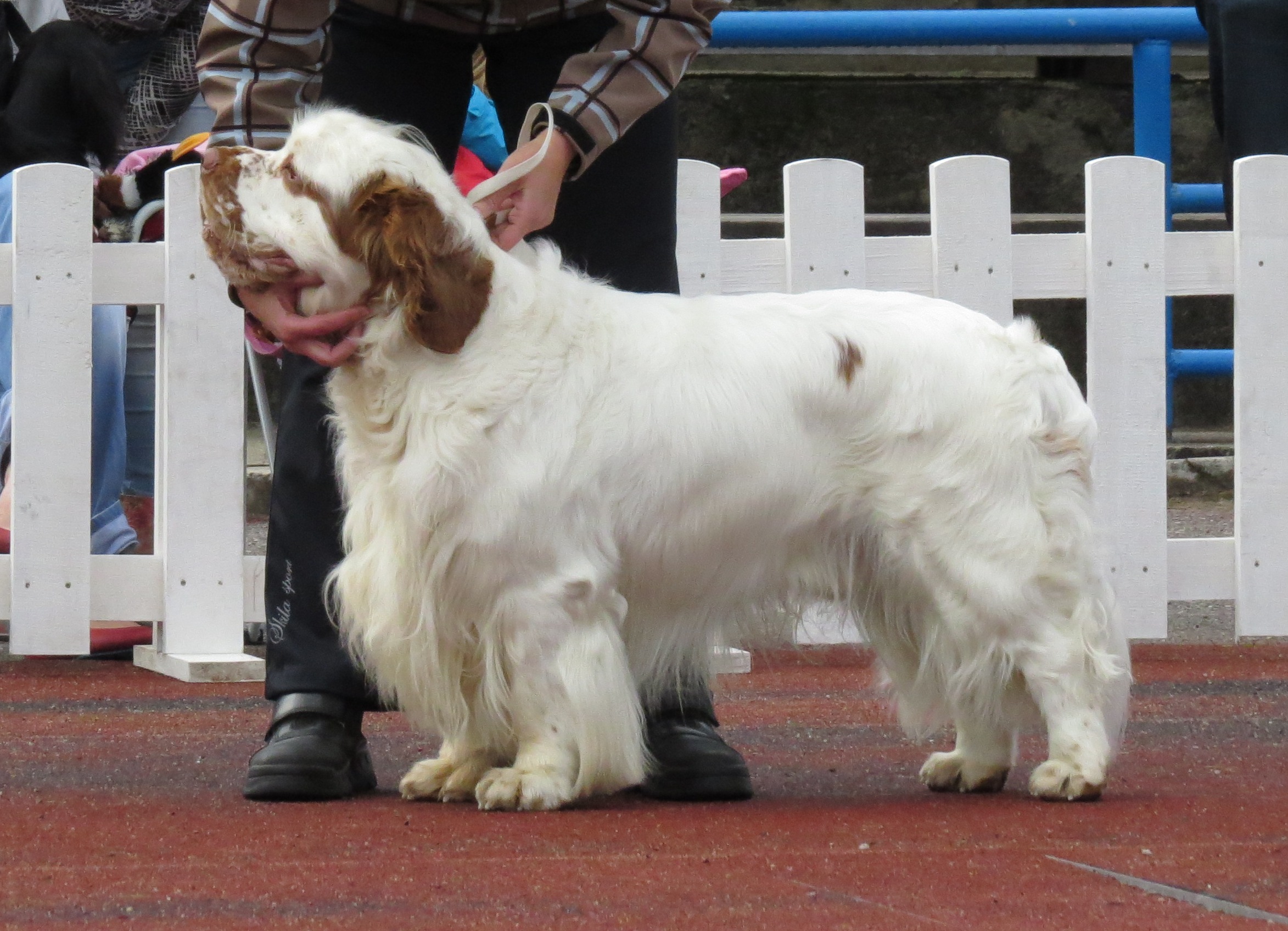
File: Clumber_Spaniel_in_Tallinn.JPG
License: Creative Commons CC BY-SA
Resolution: 2346×1695 pixels (high resolution – 877 KB)
Subject: Championship Clumber Spaniel showing characteristic breed features: massive build, long body proportions, gentle expression, proper coat structure typical of largest spaniel breed heritage
Usage Note: Image used under Creative Commons licensing with proper attribution for non-commercial educational breed documentation.
The Clumber Spaniel represents the largest and most distinctive member of the spaniel family, distinguished by its massive build, gentle temperament, and specialised working ability. The breed originated in 18th century England as an estate hunting dog developed specifically for flushing pheasant and other game birds from heavy cover. Named after Clumber Park, the Nottinghamshire estate of the Duke of Newcastle, these dogs were bred to work methodically through dense vegetation with power and determination rather than speed.
What makes the Clumber Spaniel particularly unique is its distinctive physical conformation: a long, low-set body combined with massive bone structure and substantial weight, creating a powerful working dog unlike any other spaniel breed. Their predominantly white coat with lemon or orange markings makes them highly visible in the field, while their gentle, dignified temperament makes them exceptional family companions. For related sporting breeds, see our Cocker Spaniel and American Water Spaniel encyclopedias.
- Origin: England, 18th century — named after Clumber Park, Duke of Newcastle’s Nottinghamshire estate; developed as specialised pheasant flushing dog for aristocratic estates.
- Classification: Sporting/Gundog Group (AKC, KC, FCI) — bred originally for game bird hunting in heavy cover on English estates.
- Size Distinction: Largest spaniel breed — 17–20″ tall, 55–85 lbs — substantially larger and heavier than all other spaniel varieties.
- Build Characteristics: Long, low-set body with massive powerful frame — longer than tall with substantial bone structure and deep chest.
- Temperament: Gentle, loyal, devoted, intelligent, dignified — excellent family companions with calm, steady temperament rarely found in sporting breeds.
- Lifespan: 10–12 years typical — moderate lifespan for large breed; some reach 13–14 years with optimal care.
- Grooming Needs: Moderate — regular brushing 2–3x weekly, professional grooming every 6–8 weeks recommended.
- Exercise Requirements: 45–60 minutes daily — moderate energy requiring consistent physical activity; swimming excellent.
- Health Predispositions: Hip dysplasia (15–20%), entropion/ectropion, ear infections — breed-specific health screening recommended.
- Colour Standard: Predominantly white with lemon or orange markings — distinctive coloration unique among spaniels; highly visible in field.
Breed Classification & Recognition
- AKC Group: Sporting Group (recognised 1884)
- The Kennel Club (UK): Gundog Group
- FCI Classification: Group 8 (Retrievers – Flushing Dogs – Water Dogs)
- Original Purpose: Flushing pheasant and game birds from heavy cover on English estates
- Modern Roles: Companion dog, show dog, occasional hunting work, therapy dog
Why Clumber Spaniels Are Unique
The Clumber Spaniel’s sustained appeal among dedicated fanciers stems from their exceptional combination of distinctive characteristics: largest spaniel breed providing impressive presence, gentle and dignified temperament ideal for families seeking calm companions, intelligent and trainable nature making them rewarding to work with, powerful working ability suitable for serious hunters, and distinctive appearance with white and lemon/orange coloration creating instant recognition. While never among the most popular breeds numerically, Clumbers maintain passionate devotion among those who appreciate their unique qualities and specialised working heritage.
The Clumber Spaniel’s history spans approximately 250 years, with documented origins in 18th century England. The breed emerged through deliberate selective breeding focused on creating a powerful, methodical game bird flusher capable of working through heavy cover that lighter, faster spaniels could not penetrate effectively.
18th Century Origins: Clumber Park (1760s–1800)
The breed’s name derives from Clumber Park, the Nottinghamshire estate of the Duke of Newcastle. According to breed tradition, the Duke developed these distinctive spaniels for hunting in the dense coverts of his estate. The exact ancestry remains debated, but likely involved Alpine Spaniel bloodlines (now extinct), early Basset Hound influence for low-set body, Saint Bernard-type dogs for size and substance, and existing English spaniel varieties.
Early Clumbers were exclusively maintained by aristocratic estates and were rarely seen outside noble households. The Duke bred Clumbers specifically for methodical work through heavy underbrush, prioritising powerful build for pushing through dense vegetation, distinctive white coloration for visibility in heavy cover, calm steady temperament for controlled work, and strong scenting ability for locating game.
Victorian Era Development (1840s–1900)
The Victorian era brought Clumber Spaniels into broader public awareness and formalised breed standards:
| Year | Historical Event | Significance |
|---|---|---|
| 1859 | First dog show in Newcastle includes Clumbers | Public exhibition begins; breed gains visibility |
| 1873 | The Kennel Club (UK) established | Formal breed registration begins |
| 1884 | American Kennel Club recognises Clumber Spaniel | Breed recognition in United States |
| 1888 | Clumber Spaniel Club founded in England | First breed-specific club established |
| 1905 | Breed standard formalised and published | Official physical specifications established |
20th Century Challenges & Revival (1900–2000)
World War I and II devastated Clumber populations in England, with many estate kennels closing and breeding programs abandoned. By the 1950s, the breed faced serious population decline. However, dedicated fanciers in both England and North America worked to preserve breed type through careful breeding programs emphasising maintenance of correct massive build, preservation of gentle temperament, retention of working ability, and health improvement through selective breeding.
Modern Era (2000–Present)
Today, Clumber Spaniels remain a numerically rare breed but maintain passionate devotion among fanciers worldwide. Modern breeding emphasises health testing for hip dysplasia and eye conditions, temperament excellence, working ability preservation through field trials, and conformation excellence. For related breeds, see our Rough Collie and Bloodhound encyclopedias.
The Clumber Spaniel’s documented history spans over 160 years of written and photographic records. These images demonstrate remarkable breed consistency, with Victorian-era Clumbers closely resembling modern specimens.

Wikimedia Commons | CC BY-SA | 2658×4000px

Wikimedia Commons | CC BY-SA | 3888×2592px

Wikimedia Commons | CC BY-SA | 1997×1375px
Historical Documentation

Wikimedia Commons | Public Domain | 382×335px

Wikimedia Commons | Public Domain | 2300×1681px

Wikimedia Commons | CC BY-SA | 3008×2000px
Overall Build & Structure
The Clumber Spaniel’s physical conformation is defined by massive build combined with low-set body structure, creating a dog that appears substantially heavier and more powerful than height alone would suggest:
| Feature | Standard Description | Purpose |
|---|---|---|
| Body Proportions | Long and low – body length substantially exceeds height; rectangular outline | Effective work through dense underbrush; power and stability |
| Bone Structure | Massive bone throughout; heavy, substantial build | Strength for pushing through heavy vegetation |
| Chest | Deep and wide; extends well down between forelegs | Lung capacity for sustained work; low-set appearance |
| Back | Long, level, straight; strong and muscular | Supports powerful movement; stability during work |
| Legs | Short relative to body; heavy bone; well-muscled | Creates low-set build; power for pushing through cover |
Head Structure & Expression
- Head: Large and massive in proportion to body; square muzzle; heavy brow contributing to distinctive gentle, thoughtful expression.
- Stop: Deep stop between skull and muzzle; pronounced occiput.
- Eyes: Large, dark, gentle; set well apart; heavy brow creating thoughtful expression.
- Ears: Large, thick, triangular; hanging close to cheeks; low-set.
Size & Weight Standards
| Measurement | Males | Females |
|---|---|---|
| Height at Withers | 18–20″ (46–51 cm) | 17–19″ (43–48 cm) |
| Weight Range | 70–85 lbs (32–39 kg) | 55–70 lbs (25–32 kg) |
| Build Emphasis | Weight and substance more important than height; massive build essential | |
Coat Structure & Texture
- Outer Coat: Dense, weather-resistant, straight or slightly wavy; medium length on body.
- Feathering: Well-developed on chest, legs, and belly; moderate density.
- Texture: Silky but substantial; provides protection in field conditions.
- Shedding: Moderate year-round with seasonal increases; regular brushing controls loose hair.
Colour Standard
| Colour | Description | Standard |
|---|---|---|
| White & Lemon | Predominantly white body with lemon markings on head; occasional body patches | Fully accepted; traditional colour |
| White & Orange | Predominantly white body with orange markings on head; occasional body patches | Fully accepted; common variant |
| Body Markings | Minimal body markings preferred; excessive body markings penalised in show | Less is preferred |
The predominantly white coloration served practical hunting purposes by making dogs highly visible to hunters working through dense English coverts. This distinctive colouring remains a breed hallmark and is essential to breed identity.
Grooming Requirements
- Brushing: 2–3 times weekly with pin brush or slicker brush; daily during seasonal shedding.
- Bathing: Every 6–8 weeks or as needed; thorough drying essential.
- Ear Care: Weekly cleaning essential — heavy pendulous ears trap moisture.
- Nail Trimming: Every 2–3 weeks; limited natural wear requires more frequent trimming.
- Professional Grooming: Every 6–8 weeks for foot trimming, sanitary trim, and coat shaping.
The Clumber Spaniel temperament represents one of the breed’s most valued characteristics: gentle, loyal, dignified, and calm, with steady reliable disposition rarely found in sporting breeds.
Core Temperament Traits
- Gentle Nature: Exceptionally gentle and patient, particularly with children; calm demeanour makes them ideal family dogs.
- Loyal Devotion: Deeply devoted to family; forms strong bonds; prefers to be near their people.
- Dignified Bearing: Carries themselves with quiet dignity; not excessively excitable or hyperactive.
- Intelligence: Highly intelligent; responds well to positive training methods; can be somewhat stubborn if training is harsh.
- Calm & Steady: Generally calm indoors; not prone to excessive barking or destructive behaviour when properly exercised.
Behavioural Profile
| Context | Behaviour |
|---|---|
| With Family | Deeply devoted, gentle, calm; prefers indoor family inclusion over outdoor isolation |
| With Children | Excellent; exceptionally patient and gentle; calm demeanour suits family life |
| With Other Dogs | Generally friendly when socialised; calm acceptance of other family pets |
| With Strangers | Friendly but reserved; dignified demeanour; not excessively outgoing |
| Prey Drive | Moderate; strong scenting ability; methodical hunting instinct in field |
| Trainability | Intelligent and willing; responds to positive reinforcement; may be stubborn with harsh methods |
Working Temperament
In working situations, properly trained Clumbers demonstrate steady methodical hunting style without excessive speed, strong scenting ability and determination, willingness to work through heavy cover other spaniels avoid, and soft mouth for game retrieval. Working drive varies among individuals, with some lines maintaining strong hunting instinct while others are primarily companion-bred.
Exercise & Mental Stimulation
Like all purebred dogs, Clumber Spaniels have breed-specific health predispositions requiring awareness and preventive management. For comprehensive spaniel health comparisons, see our Cocker Spaniel Health guide.
Primary Health Concerns
| Condition | Prevalence | Management |
|---|---|---|
| Hip Dysplasia | 15–20% | OFA/PennHIP screening before breeding; weight management; joint supplements; surgery in severe cases |
| Entropion | Moderate | Eye examinations; surgical correction when necessary; breed against excessive facial looseness |
| Ectropion | Moderate | Eye care; surgical correction in severe cases; breeding selection |
| Ear Infections | Common | Regular ear cleaning; keeping ears dry; veterinary treatment when infections occur |
| Hypothyroidism | Moderate | Thyroid function testing; lifelong medication when diagnosed |
Weight Management & Obesity Prevention
Recommended Health Screening
- Hip Evaluation: OFA or PennHIP at 24 months (breeding dogs should have fair or better ratings)
- Eye Examination: Annual exam by board-certified veterinary ophthalmologist
- Ear Inspection: Weekly home inspection + veterinary assessment every 6 months
- Thyroid Testing: Thyroid function testing annually from age 4–5
- Elbow Evaluation: Elbow dysplasia screening for breeding stock
- Weight Monitoring: Body condition scoring at every veterinary visit
Lifespan & Longevity Factors
Clumber Spaniels typically live 10–12 years, with some reaching 13–14 years with excellent care. Key factors: genetic health of parents, weight management throughout life (obesity significantly reduces lifespan), consistent preventive veterinary care, appropriate exercise levels, and early detection of health issues.
Grooming & Maintenance
- Brushing: 2–3 times weekly with pin brush or slicker brush; daily during shedding periods.
- Professional Grooming: Every 6–8 weeks for foot trimming, sanitary trim, coat shaping ($60–100).
- Ear Care: Weekly cleaning with veterinarian-approved ear cleanser — critical breed requirement.
- Essential Tools: Pin brush, slicker brush, metal comb, ear cleanser, nail clippers.
Nutrition & Feeding
- Quality: High-quality food formulated for medium-large breeds; portion control essential.
- Schedule: Adults fed twice daily to reduce bloat risk; puppies 3–4 times daily until 6 months.
- Portion Control: Based on body condition rather than package recommendations; Clumbers easily overfed.
- Treats: No more than 10% of daily calories; use training treats sparingly.
Exercise Program
- Daily Total: 45–60 minutes divided into two sessions.
- Activities: Walks, swimming (excellent low-impact exercise), retrieving games, scent work.
- Puppy Caution: Avoid excessive exercise under 18 months to protect developing joints.
- Mental Stimulation: Training sessions, puzzle toys, scent work essential for cognitive engagement.
Training Approach
- Method: Positive reinforcement with food and praise rewards; consistency and patience essential.
- Socialisation: Early socialisation to various people, animals, and situations critical.
- Stubbornness: Clumbers can be somewhat stubborn; gentle persistence rather than force.
- Never: Harsh training damages temperament; force-based methods counterproductive.
Cost of Ownership
| Expense Category | First Year (USD) | Annual Ongoing (USD) |
|---|---|---|
| Purchase/Adoption | $1,500–3,500 | — |
| Food (high-quality) | $700–1,200 | $700–1,200 |
| Grooming | $500–800 | $500–800 |
| Veterinary Care | $500–1,000 | $400–800 |
| Training Classes | $200–500 | $100–300 |
| Supplies & Enrichment | $300–500 | $100–300 |
| Emergency/Health | $0–3,000+ | $0–2,000 |
Is a Clumber Spaniel Right for You?
Clumber Spaniels Excel With:
- Families seeking a calm, dignified, gentle companion
- Owners committed to consistent weight management and moderate exercise
- Households wanting an indoor companion who enjoys being part of family life
- Families with children — exceptionally patient and gentle breed
NOT Suitable For:
- Owners seeking a high-energy, hyperactive sporting dog
- People unable to monitor diet and prevent obesity
- Households where the dog is left alone or kept outdoors for long periods
- Owners not prepared for potential breed-specific health costs (hip/eye screening)
For alternatives, see our Beagle, Basset Hound, and Cocker Spaniel encyclopedias.
1. What is the average lifespan of a Clumber Spaniel?
10–12 years on average. Some individuals reach 13–14 years with proper care, balanced nutrition, regular veterinary check-ups, weight management, and appropriate exercise.
2. Why are Clumber Spaniels the largest spaniel breed?
They were bred at Clumber Park in 18th century England for powerful work through heavy cover. Males weigh 70–85 pounds with massive build, long low-set body, and substantial bone structure developed for pushing through dense vegetation lighter spaniels could not penetrate.
3. What are the most common health problems?
Hip dysplasia (15–20%), entropion and ectropion (eye conditions), ear infections due to heavy pendulous ears, hypothyroidism, and strong obesity tendency. OFA hip screening, annual eye examinations, and strict weight management are essential.
4. How much grooming does a Clumber Spaniel need?
Brushing 2–3 times weekly with pin brush or slicker brush, increasing to daily during shedding. Professional grooming every 6–8 weeks. Weekly ear cleaning essential due to heavy ear structure.
5. Are Clumber Spaniels good family dogs?
Excellent. Gentle, loyal, dignified, and calm with steady reliable disposition. Exceptionally patient with children and prefer indoor family inclusion. One of the calmest sporting breeds available.
6. How much exercise do they need?
45–60 minutes daily divided into two sessions. Activities: walks, swimming, retrieving games, scent work. Mental stimulation through training and puzzle toys also important.
7. What colours do Clumber Spaniels come in?
Predominantly white with lemon or orange markings, typically on the head and occasionally on the body. This distinctive coloration made them visible to hunters in dense cover and is essential to breed identity.
8. Are Clumber Spaniels rare?
Yes, Clumber Spaniels are numerically rare. They maintain passionate devotion among dedicated fanciers but have never been among the most popular breeds. Puppy availability may require waiting lists from responsible breeders.
Breed History & Standards
- American Kennel Club. “Clumber Spaniel Breed Standard.”
- The Kennel Club (UK). “Clumber Spaniel Breed Standard.”
- FCI. “Clumber Spaniel Breed Standard No. 109.”
- Clumber Spaniel Club. “Breed History and Health Statement.”
- Clumber Spaniel Club of America. “Health and Genetics Information.”
Health & Genetics
- Leppanen, M. et al. (2000). “Screening of 14,070 hip radiographs of 35 breeds.” American Journal of Veterinary Research, 61(8), 948–951.
- Read, R.A. & Broun, H.C. (2007). “Entropion correction in dogs and cats using a combination Hotz-Celsus and lateral eyelid wedge resection.” Veterinary Ophthalmology, 10(1), 6–11.
- Orthopedic Foundation for Animals. “Hip Dysplasia Statistics by Breed.”
Behaviour & Intelligence
- Coren, S. (1994). The Intelligence of Dogs. Free Press.
- Serpell, J.A. & Hsu, Y. (2005). “Effects of breed, sex, and neuter status on trainability in dogs.” Anthrozoös, 18(3).
Explore our breed encyclopedia collection by Encyclopedia.guru.
Sporting & Spaniel Breeds
- Clumber Spaniel Encyclopedia – This guide
- Cocker Spaniel (Grooming | Health)
- American Water Spaniel
Dalmatian Collection
- Dalmatian Encyclopedia | Dalmatian Puppies & Young Dogs | Dalmatian Historical Encyclopedia | Dalmatian Show Dogs
Hound & Scent Hound Breeds
Working & Herding Breeds
Companion & Terrier Breeds
- This encyclopedia is educational and reflects current breed science as of March 2026.
- Health information is general guidance; consult a qualified veterinarian for specific medical advice.
- Training recommendations are based on current behavioural science.
- All images from Wikimedia Commons with Creative Commons licensing and full attribution.
Image Attribution Summary
- Featured: Clumber_Spaniel_in_Tallinn.JPG – Wikimedia Commons CC BY-SA
- Gallery 1: AKC_Clumber_Spaniel_Dog_Show_2013.jpg – Wikimedia Commons CC BY-SA
- Gallery 2: ClumberSpaniel.jpg – Wikimedia Commons CC BY-SA
- Gallery 3: Clumber_Spaniel_2018_3.jpg – Wikimedia Commons CC BY-SA
- Historical 1: 107._Clumber_Spaniel.JPG – Public Domain
- Historical 2: Clumberspaniel.jpg – Public Domain
- Historical 3: GCH_Clussexx_Over_The_Legal_Limit.jpg – Wikimedia Commons CC BY-SA
All images used for non-commercial educational breed documentation under Creative Commons licensing or Public Domain with full attribution.
© 2026 – Encyclopedia.guru – Clumber Spaniel Encyclopedia (Canis lupus familiaris)
18th century Clumber Park origins | Largest spaniel breed | Breed standard (AKC, KC, FCI) | Temperament | Health (HD 15–20%, entropion, ears) | Grooming | Training | Nutrition | Ownership guide | 40+ Wikimedia Commons images | Updated: 4 March 2026