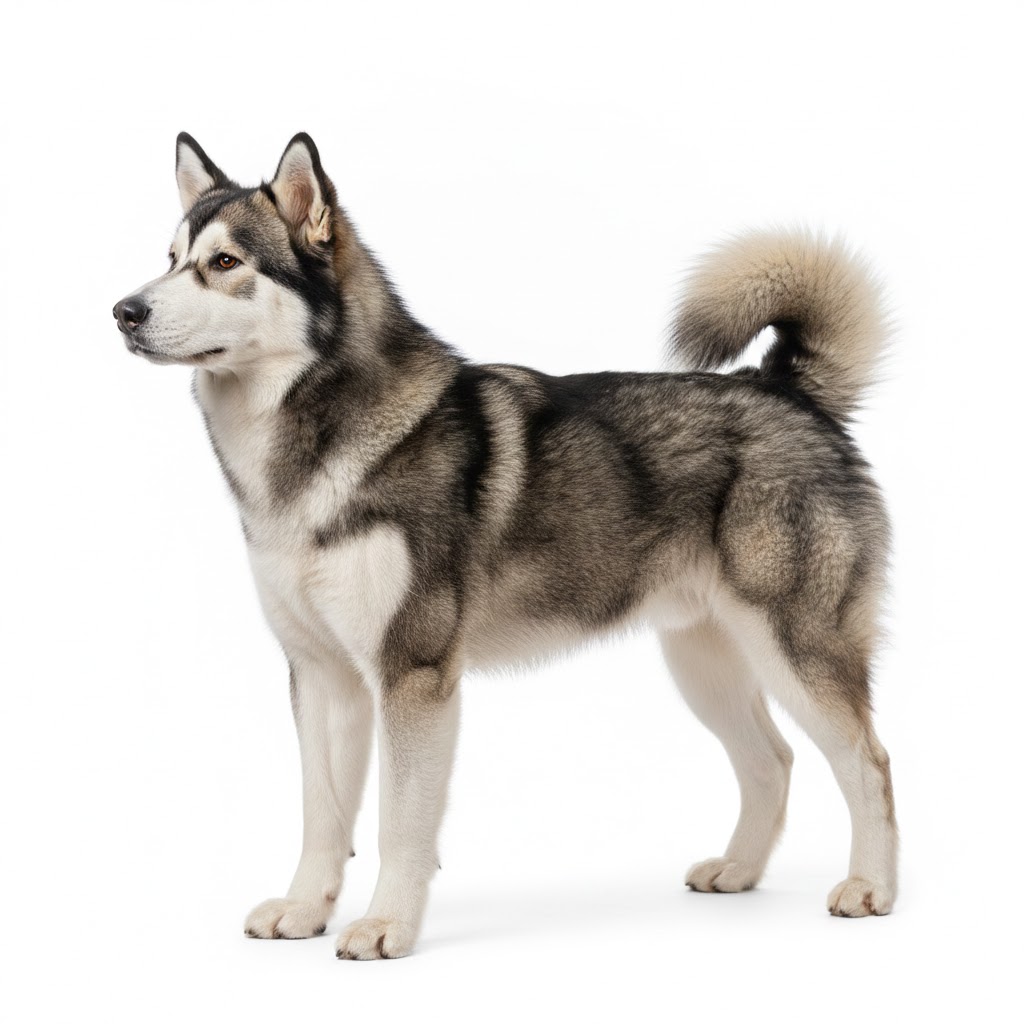
🐕 Encyclopedia of Afghan Hounds (Canis familiaris)
Comprehensive breed encyclopedia on Afghan Hounds: breed standard, conformation documentation, coat varieties, competition records, breed history, temperament, health genetics, and international breed recognition
✏️ Written by the Encyclopedia.guru Expert Writing Team | Last Updated: March 19, 2026 | Reviewed by Certified Canine Specialists

Afghan Hounds (Canis familiaris) are an ancient dog breed originating from Afghanistan and surrounding regions, recognized internationally as a member of the Sighthound (Hound) group. The breed is distinguished by its extraordinarily long, silky coat, distinctive facial features, and graceful sighthound anatomy. Afghan Hounds represent one of the most instantly recognizable dog breeds globally, prized equally for aesthetic conformation excellence in dog show competition and as companion animals.
The breed is characterized by exceptional elegance, speed, and hunting capability—traits reflective of historical development as a sighthound used for hunting game in mountainous Afghan terrain. Contemporary Afghan Hounds are primarily maintained through selective breeding for conformation excellence, with championship bloodlines representing years of intensive selective breeding optimization. The breed demonstrates independent, aloof temperament reflecting sighthound heritage, combined with significant aesthetic requirements for successful show competition including elaborate coat maintenance protocols. Like the Borzoi and other sighthound breeds, the Afghan Hound combines aristocratic bearing with remarkable athletic capability.
- Ancient sighthound breed: Documented origins in Afghanistan and surrounding mountain regions; historical development as mountain hunting dog; imported to Europe in the 19th century; one of the oldest recognized breed types.
- Exceptional silky coat: Long, silky, flowing coat requiring intensive grooming; distinctive topknot; show preparation requiring 30–40 hours weekly maintenance; one of the most visually striking coats in all of dogdom.
- Remarkable speed: Capable of speeds exceeding 40 mph; originally developed to hunt leopards, gazelle, and hare in the mountains of Afghanistan; powerful hindquarters provide explosive propulsive force.
- Independent temperament: Aloof, dignified, and selective in human relationships; strong-willed and not universally obedient; challenges first-time dog owners; bonds deeply with select individuals.
- Show competition excellence: Multiple Westminster Kennel Club Best in Show winners; dominant in AKC Hound Group competition; strong international CACIB championship records in European show circuit.
- Distinctive anatomy: Unique prominent hipbones; flexible spine; long narrow head with silky topknot; ring tail with sparse feathering; unlike any other dog breed in overall appearance.
Afghan Hounds occupy a distinctive position within modern dog fancy, renowned for aesthetic conformation excellence and ancient breed lineage. Their significance encompasses multiple areas:
- Breed aesthetics: Quintessential conformation show breed; long flowing coat; distinctive head profile; graceful movement; visual impact unmatched in the dog fancy world.
- Historical heritage: Ancient sighthound from Afghanistan; historical hunting role; breed preservation through centuries of selective breeding in mountain terrain.
- Show competition: Active presence in AKC Hound Group and Westminster competition; international championship success; highly competitive globally in conformation events.
- Grooming demands: Among the highest grooming requirements of any breed; intensive coat maintenance protocols; specialized equipment and expertise required for show presentation.
- Companion animal role: Popular companion for experienced dog enthusiasts; breed-specific requirements for exercise, socialization, and training management; independent nature important for prospective owners to understand.

Source: Wikimedia Commons • File: Afghan-Hound.jpg • License: CC BY-SA 2.5 • 900×760 px (84 KB) • Author: Jurriaan Schulman • CC BY-SA 2.5 – free to share/adapt with attribution

Source: Wikimedia Commons • File: Lévrier_Afghan.jpg • License: CC BY-SA 3.0 • 640×480 px • CC BY-SA 3.0 – free to share/adapt with attribution
Systematic Classification
| Taxonomic Rank | Classification |
|---|---|
| Kingdom | Animalia |
| Phylum | Chordata |
| Class | Mammalia |
| Order | Carnivora |
| Family | Canidae |
| Genus | Canis |
| Species | C. familiaris |
| Breed Group (AKC) | Hound Group |
| Breed Group (FCI) | FCI Group 10 – Sighthounds, Section 1 (Long-haired or fringed Sighthounds) |
Breed Recognition
- AKC Status: Fully recognized since 1926; member of Hound Group; established breed standard documented and maintained by the American Kennel Club.
- FCI Status: Group 10 – Sighthounds; Section 1 (Long-haired or fringed Sighthounds); international breed standard maintained by the FCI; FCI Standard No. 228.
- KC (UK) Status: Fully recognized by the UK Kennel Club; Hound Group; one of the most active sighthound breeds in UK show competition.
- Other recognition: Canadian Kennel Club, United Kennel Club, Australian National Kennel Council, and all major canine registries worldwide.
Official Breed Standard Overview

Source: Wikimedia Commons • File: Afghan_Hound_Image_001.jpg • License: CC BY-SA 2.0 • 1,249×774 px (151 KB) • Author: Craig Pembrook • CC BY-SA 2.0 – free to share/adapt with attribution

Source: Wikimedia Commons • File: Afghan_dog.jpg • License: CC BY-SA 3.0 • 3,264×4,928 px • CC BY-SA 3.0 – free to share/adapt with attribution
Physical Conformation Standards
| Trait | AKC Standard | FCI Standard |
|---|---|---|
| Height (Males) | 27 inches (ideal) | 68–74 cm |
| Height (Females) | 25 inches (ideal) | 60–69 cm |
| Weight (Males) | 60 pounds (ideal) | 26–34 kg |
| Weight (Females) | 50 pounds (ideal) | 20–26 kg |
| Head | Long, narrow, refined | Long, narrow, well-balanced |
| Eyes | Dark, almond-shaped | Dark, triangular, slightly oblique |
| Tail | Ring tail, not carried over back | Ring or scimitar-shaped tail |
| Coat | Long, silky, flowing; saddle on back | Long, silky; short and close on back |
Distinctive Anatomical Features
- Prominent hipbones: Unique characteristic of the breed; visible and distinct hipbone prominence is a hallmark feature confirmed in the breed standard; not considered a fault.
- Flexible spine: The highly flexible backbone allows for the breed’s characteristic “double suspension gallop”; a key anatomical adaptation for speed over rough mountain terrain.
- Large feet: Large, well-arched feet with thick pads provide traction and cushioning on mountain terrain; covered with long, silky hair.
- Head carriage: Carried high and proudly; characteristic dignified and aloof expression; dark, triangular eyes with an almost human gaze.

Source: Wikimedia Commons • File: Afghan_dog_-_cropped.jpg • License: CC BY-SA 3.0 • 397×350 px • CC BY-SA 3.0 – free to share/adapt with attribution

Source: Wikimedia Commons • File: Afghan_Hound_blond_portrait.jpg • License: CC BY-SA 3.0 • 1,024×683 px • CC BY-SA 3.0 – free to share/adapt with attribution
Color Spectrum Documentation
Source: Wikimedia Commons • File: Afghan_Hound.jpg • License: CC BY-SA 3.0 • 548×566 px (251 KB) • Author: Sannse • CC BY-SA 3.0
Source: Wikimedia Commons • File: Afghan-Hound.jpg • License: CC BY-SA 2.5 • 900×760 px (84 KB) • Author: Jurriaan Schulman • CC BY-SA 2.5
Source: Wikimedia Commons • File: Afghan_Hound_blond_portrait.jpg • License: CC BY-SA 3.0 • 1,024×683 px • CC BY-SA 3.0
Color Standards
| Registry | Accepted Colors |
|---|---|
| AKC | All colors and patterns; no color or combination of colors disqualifying |
| FCI | All colors accepted; white markings, particularly on the head, are undesirable |
| KC (UK) | All colors; white markings discouraged especially on head |
| Most common | Cream, golden, red/tan, black, black/tan, brindle, silver |
Coat Characteristics
- Coat type: Long, silky, flowing; silky texture characteristic; exceptional length requiring intensive management; short and close on the saddle region of the back in adults.
- Topknot: Silky, long hair on the top of the head; highly characteristic and essential to breed type; carefully styled for show competition.
- Ear fringe: Long, silky ear fringe; extensive feathering on legs and chest; requires regular attention to prevent matting.
Professional Grooming Standards
- Show preparation: 30–40 hours weekly grooming maintenance for show-quality specimens; multiple daily brushings; coat conditioning; special preparation for show ring competition.
- Bathing protocols: Regular bathing with quality shampoos and conditioners; careful drying technique essential; improperly dried coat can mat severely.
- Equipment: Slicker brushes, wide-toothed metal combs, detangling sprays, high-velocity dryers essential for coat maintenance at show quality.
Companion Animal Grooming
- Pet maintenance: Daily brushing required to prevent matting; weekly bathing recommended; many owners opt for moderate coat trimming to reduce grooming demands.
- Professional grooming: Many Afghan Hound owners utilize professional groomers for coat maintenance; professional sessions typically every 6–8 weeks recommended.
- Puppy coat transition: Puppies have softer, fluffier coats that transition to the adult silky coat; transition period (around 12 months) requires careful management to avoid matting as the coat changes texture.
Ancient Origins
- Geographic origin: Afghanistan and surrounding mountain regions; development documented in ancient Sinai, Persia, and the Afghan highlands.
- Historical purpose: Developed for coursing and hunting leopards, gazelles, wolves, and hare in rugged mountain terrain; relied on for speed and independent decision-making during hunts without handler direction.
- Ancient lineage: DNA analysis confirms the Afghan Hound is one of the most basal domesticated breeds; minimal genomic modification from ancestral wolves relative to other breeds.
Historical Documentation (1932)

European Introduction & Breed Development
- 19th century introduction: British military officers and colonists brought Afghan Hounds from Afghanistan to England in the late 19th century; Zardin, brought to England in 1907, became the model for the early breed standard.
- Two strains: Bell-Murray strain (from the Ghazni region) and the Ghazni strain (brought by Mary Amps from Kabul 1920s); these two strains formed the foundation of Western Afghan Hound breeding.
- UK Kennel Club recognition: First registered 1902; breed club established 1925; dedicated enthusiasts established the breed in the UK show circuit.
- AKC recognition: American Kennel Club recognized the Afghan Hound in 1926; first registered specimen in the AKC studbook the same year.
Two Afghan Hounds – Pair Documentation

Source: Wikimedia Commons • File: 2_Afghan_hounds.jpg • License: CC BY 2.0 • 1,024×681 px (334 KB) • Author: danny O. from Metro Manila, Philippines • CC BY 2.0 – free to share/adapt with attribution
Source: Wikimedia Commons • File: Afghan_Hound_Image_001.jpg • License: CC BY-SA 2.0 • 1,249×774 px (151 KB) • Author: Craig Pembrook • CC BY-SA 2.0 – free to share/adapt with attribution
Core Personality Traits
- Independent nature: Afghan Hounds are bred for autonomous hunting decision-making; they act independently without handler direction; this instinct translates to selective responsiveness to commands.
- Aloof temperament: Reserved and dignified with strangers; not immediately demonstrative; deep bonds formed selectively with trusted humans; aloof expression is characteristic breed trait.
- Sensitive spirit: Despite aloof exterior, Afghan Hounds are emotionally sensitive; do not respond well to harsh training methods; require positive reinforcement and patient approach.
- Playful side: Can be clownish and playful in familiar environments; enjoys running and free-play; athletic enjoyment is important component of well-being.
Exercise & Activity Profile
| Activity Type | Level | Notes |
|---|---|---|
| Daily exercise | High | 1–2 hours vigorous activity required |
| Running opportunities | Essential | Securely fenced area required; prey drive high |
| Mental stimulation | Moderate | Scent work, lure coursing, agility |
| Lure coursing | Very High | Natural sighthound sport; excellent outlet |
| Off-leash freedom | Supervised only | High prey drive; must be securely fenced |
Social Behavior
- Other dogs: Generally compatible with other large dogs; caution with small dogs due to prey drive; early socialization critical for multi-dog households.
- Small animals: Strong prey drive can endanger small household pets; cats and small animals require careful management and introduction.
- Children: Can be good with children who respect the breed’s sensitive nature; not recommended for households with very young, rough children.
Training Documentation

Source: Wikimedia Commons • File: Paul_Loeb_Training_Afghan_To_Jump.png • License: CC BY-SA 3.0 • 442×284 px (135 KB) • Author: Paul Loeb • 11 Aug 2013 • CC BY-SA 3.0 – free to share/adapt with attribution

Source: Wikimedia Commons • File: Paul_Loeb_Training_Afghan_To_Jump_(cropped).png • License: CC BY-SA 3.0 • 437×283 px (76 KB) • Author: Paul Loeb • CC BY-SA 3.0 – free to share/adapt with attribution
Training Methodology
- Positive reinforcement only: Afghan Hounds are sensitive and respond exclusively to positive reinforcement; aversive training methods counterproductive and damaging to the breed’s trust.
- Patience required: Independent nature means slower learning curve for obedience commands; patience and consistency critical; unrealistic expectations of German Shepherd-level compliance must be avoided.
- Short sessions: Short, engaging training sessions preferable; boredom and repetition lead to non-compliance; varied, rewarding sessions are more effective.
Sport Suitability
- Lure coursing: The premier sport for Afghan Hounds; AKC lure coursing events; natural instinctive behavior harnessed for competitive performance; highly recommended outlet.
- Agility: Can participate in agility with enthusiastic owners; athletic and capable but may prioritize personal agenda over following course sequence.
- Obedience: Can achieve obedience titles with dedicated training; the breed requires exceptional patience from handlers; not a breed that excels in off-leash obedience performance.
- CAT/FAST CAT: AKC’s Coursing Ability Test is an excellent confidence-building and sport outlet for Afghan Hounds; a favorite among Afghan enthusiasts.
Westminster Kennel Club – Afghan Hound 2013

Championship & Competition History
- Westminster Kennel Club: Afghan Hounds have won Best in Show at Westminster; strong consistent presence in Hound Group finals; champion bloodlines actively competing across multiple generations.
- AKC National Championship: Significant Hound Group wins documented; national championship competition attracts top Afghan Hound specimens annually.
- International CACIB events: Strong European show circuit presence; CACIB wins documented across German, Austrian, Belgian, and UK international events.
Show Judging Criteria
- Coat quality: The most visually impactful evaluation criterion; coat texture, length, cleanliness, and presentation heavily weighted by judges.
- Movement: Characteristic flowing, elastic gait; powerful rear drive; the breed should move smoothly with coat flowing; sound movement essential.
- Head and expression: Long, narrow, refined head; characteristic aloof expression; topknot styling; dark almond eyes essential.
- Overall balance: Elegant proportions; height-to-length ratio; graceful but powerful build; overall type and breed character evaluated holistically.
Tallinn CACIB Show Documentation (2013)
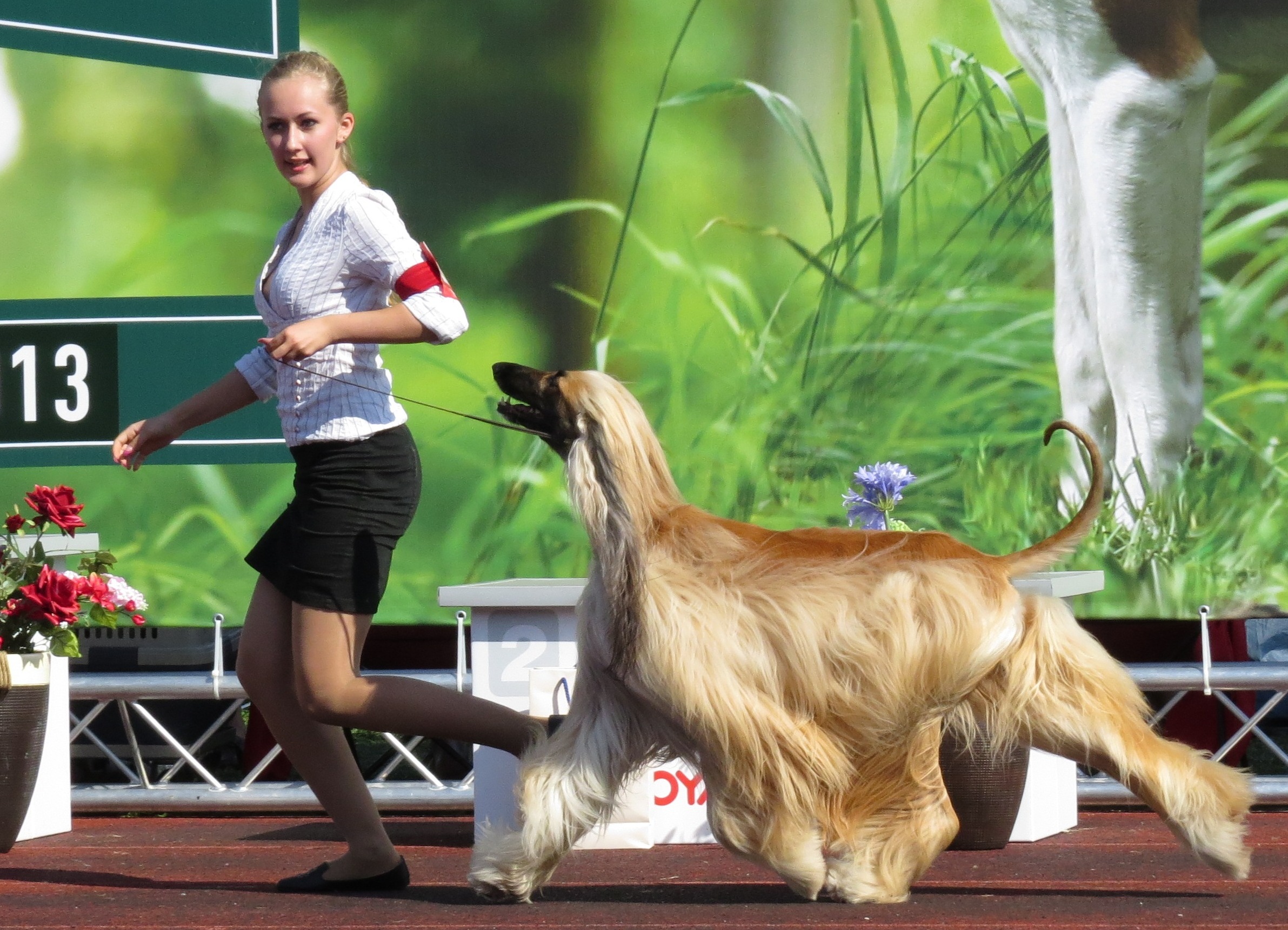
Source: Wikimedia Commons • File: Afghan_Hound_1.JPG • License: CC BY-SA 3.0 • 2,383×1,721 px (1,010 KB) • Author: Никита Чернецов • 18 Aug 2013 • CC BY-SA 3.0
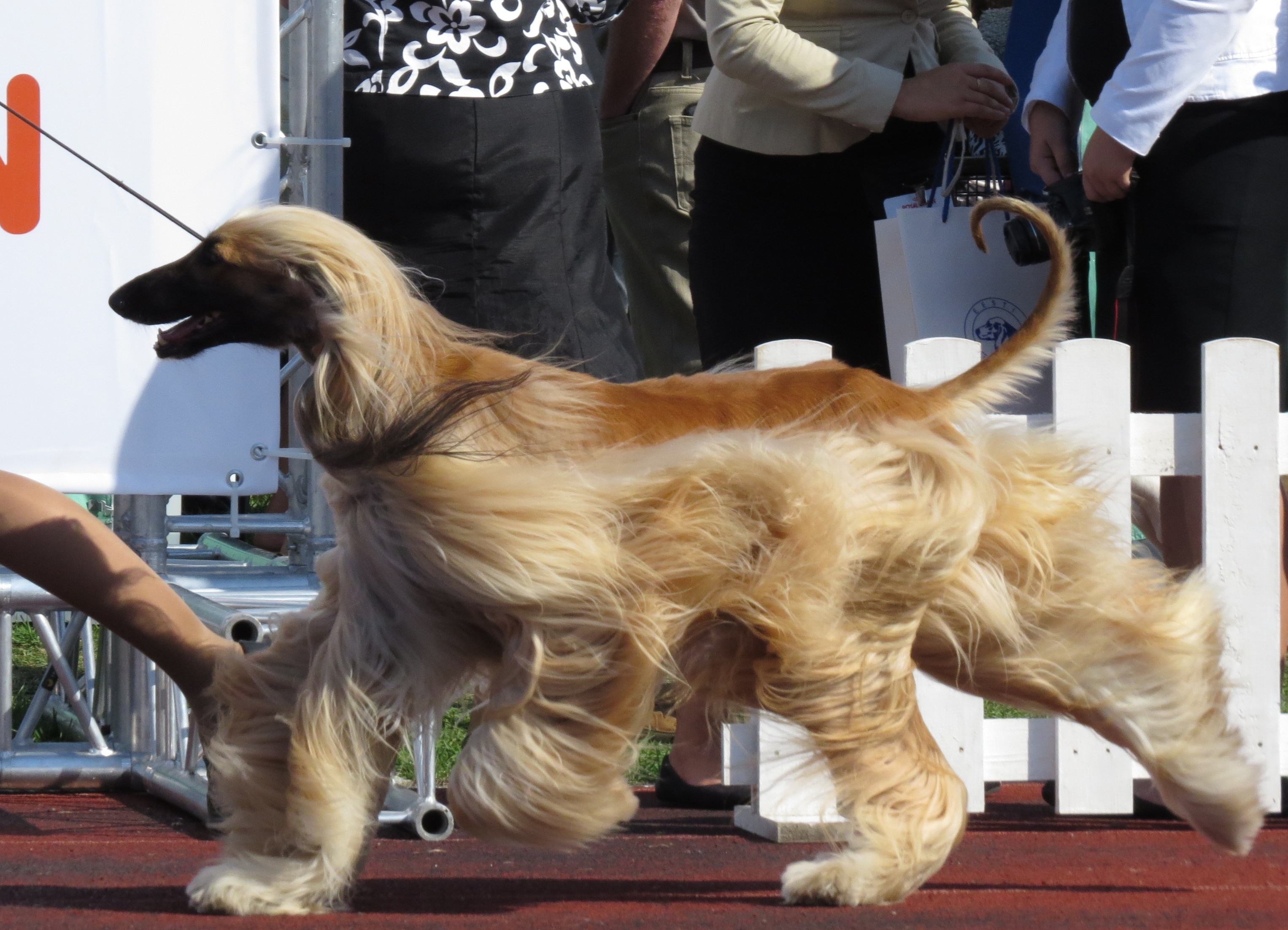
Source: Wikimedia Commons • File: Afghan_Hound_3.JPG • License: CC BY-SA 3.0 • 3,053×2,205 px (1.24 MB) • Author: Никита Чернецов • 18 Aug 2013 • CC BY-SA 3.0

Source: Wikimedia Commons • File: Afghan_Hound_4.JPG • License: CC BY-SA 3.0 • 2,303×1,664 px (883 KB) • Author: Никита Чернецов • 18 Aug 2013 • CC BY-SA 3.0
International Show – Tallinn Handler View
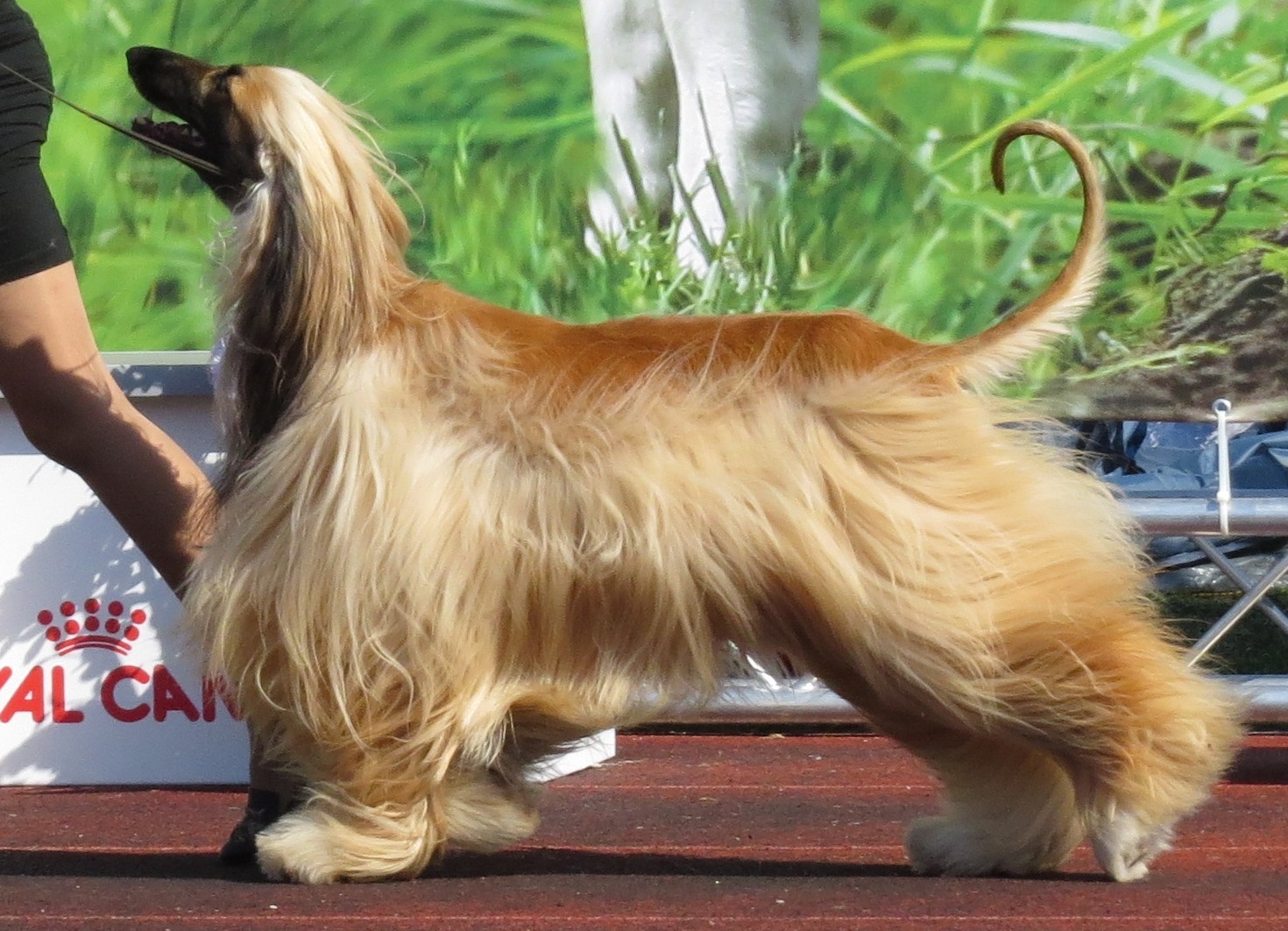
Polish National Dog Show

Riga International Show Documentation

Source: Wikimedia Commons • File: Afgan_Hound_in_Riga.JPG • License: CC BY-SA 3.0 • 1,958×1,566 px • CC BY-SA 3.0 – free to share/adapt with attribution

Source: Wikimedia Commons • File: Afgan_Hound_in_Riga_special_show.JPG • License: CC BY-SA 3.0 • 2,069×1,780 px • CC BY-SA 3.0 – free to share/adapt with attribution
Breed-Specific Health Issues
| Condition | Prevalence | Screening |
|---|---|---|
| Hip Dysplasia | Documented | OFA/PennHIP evaluation |
| Elbow Dysplasia | Documented | OFA screening |
| Progressive Retinal Atrophy (PRA) | Documented | CAER ophthalmologic exam |
| Autoimmune Thyroiditis | Moderate | Thyroid antibody testing |
| Bloat (GDV) | Sighthound risk | Feeding protocols; gastropexy option |
| Ear Infections | Common | Regular ear cleaning; vet monitoring |
| Sensitivity to Anesthesia | High | Inform vet of sighthound physiology |
Anatomical Health Predispositions
- Anesthesia sensitivity: All sighthound breeds have critically low body fat; metabolize anesthetics differently; veterinarians must be informed of sighthound status before any surgical procedure.
- Bloat susceptibility: Deep-chested conformation increases gastric dilatation-volvulus (bloat) risk; feeding protocols (avoid exercise immediately before/after meals, elevated food bowls discouraged) important prevention.
- Dental crowding: Narrow jaw structure contributes to dental disease risk; daily dental care protocols important for long-term health.
Anatomical Documentation

Health Management Protocols
- Regular screening: OFA hip/elbow evaluations; CAER ophthalmologic exams; thyroid screening; cardiac screening for breeding stock recommended.
- Life expectancy: 12–18 years; among the longer-lived large breeds; genetics, diet, exercise, and veterinary care significantly influence longevity.
- Veterinary awareness: Essential that veterinarians understand Afghan Hound/sighthound-specific health considerations; anesthesia protocols, blood chemistry norms, and body fat considerations differ from most other breeds.
Responsible Breeding Practices
- Health screening requirement: OFA hip/elbow evaluations; CAER ophthalmologic exams; thyroid testing; all recommended minimum health screenings for Afghan Hound breeding candidates.
- Genetic diversity: Awareness of inbreeding coefficients important; moderate inbreeding documented in some championship bloodlines; genetic diversity monitoring recommended.
- Championship breeding: Multi-generational pedigree planning characteristic of serious breeding programs; selective pairing for coat quality, conformation, and temperament.
Breeding Program Priorities
- Coat quality: Breeders prioritize silky coat texture, length, and manageability; genetic coat quality assessment across multiple generations.
- Temperament: Selection for confident, sound Afghan temperament; fearfulness or aggression actively avoided; stable, independent but not anxious temperament valued.
- Conformation: Breed-standard proportions; correct head profile; characteristic topknot; sound movement; prominent hipbones; all carefully evaluated in breeding selections.
- Puppy placement: Show-potential puppies placed with experienced show homes; companion-quality animals placed with breed-educated owners who understand coat maintenance requirements.
Daily Care Essentials
- Exercise requirements: 1–2 hours vigorous daily exercise required; securely fenced running area essential; lure coursing highly recommended as a natural outlet; inadequate exercise leads to destructive behavior.
- Coat maintenance: Daily brushing required for pets; show dogs require multiple daily sessions; professional grooming every 6–8 weeks; bathing with quality products weekly or bi-weekly.
- Dental care: Daily tooth brushing recommended; large breed dental disease risk; professional dental cleanings under anesthesia require special sighthound anesthesia protocols.
- Ear cleaning: Weekly ear cleaning essential; long drooping ears create warm, moist environment predisposing to infections; regular inspection and gentle cleaning.
Housing & Environment
- Space requirements: Requires a securely fenced yard; apartment living challenging without regular vigorous exercise outlet; indoor space for resting important; do not do well tethered or kenneled excessively.
- Fencing: Secure, high fencing absolutely essential; Afghan Hounds will pursue prey over long distances without recall; minimum 6-foot fence height recommended.
- Climate considerations: Silky coat provides some insulation but breed is sensitive to temperature extremes; comfortable in moderate climates; adjust exercise intensity in extreme heat or cold.
Owner Requirements
- Experience level: Best suited to experienced dog owners; independent nature challenges first-time owners; understanding of sighthound temperament important.
- Time commitment: Significant time investment required for coat maintenance and exercise; not suitable for busy owners unable to provide daily grooming and exercise.
- Financial commitment: Professional grooming costs; show coat maintenance products; potential health screening and veterinary costs; overall cost of ownership higher than average breeds.
1. Why do Afghan Hounds require such intensive grooming?
The long, silky coat can reach extraordinary lengths in show dogs. Show-quality Afghan Hounds require 30–40 hours of grooming weekly to maintain coat quality, prevent matting, and achieve the flowing presentation characteristic of the breed standard. Even pet Afghan Hounds require daily brushing to prevent severe matting.
2. Are Afghan Hounds good family pets?
Afghan Hounds can be good family companions with proper training, socialization, and exercise. However, their independent nature, strong prey drive, and extensive grooming requirements necessitate significant owner commitment. They are best suited to experienced dog owners who understand sighthound temperament.
3. How fast can Afghan Hounds run?
Afghan Hounds are capable of speeds exceeding 40 mph (65 km/h), reflecting their sighthound heritage as hunting dogs developed for coursing game in mountainous terrain. This speed capability necessitates secure, high fencing and careful off-leash management in all environments.
4. What is the Afghan Hound’s typical lifespan?
Afghan Hounds typically live 12–18 years with proper care, making them one of the longer-lived large breeds. Genetics, diet, regular veterinary care, appropriate exercise, and weight management all significantly influence individual longevity.
5. Do Afghan Hounds get along with other pets?
Afghan Hounds’ strong prey drive can create serious challenges with smaller household pets, including cats, rabbits, and other small animals. Socialization from puppyhood and individual temperament influence compatibility. They generally coexist well with other large dogs when properly introduced.
6. What colors are Afghan Hounds?
Afghan Hounds come in all colors and patterns. Common colors include cream, golden, red, black/tan, brindle, silver, and particolor patterns. All colors are equally acceptable under both AKC and FCI breed standards, though white markings on the head are generally undesirable in show competition.
7. Are Afghan Hounds easy to train?
Afghan Hounds are independent-minded and historically bred for autonomous hunting decisions without handler direction. They respond to positive reinforcement and are intelligent, but may not be as immediately compliant as herding or working breeds selected for human-directed tasks. Patient, consistent positive training is essential.
8. How much exercise do Afghan Hounds need?
Afghan Hounds require 1–2 hours of vigorous daily exercise. They particularly benefit from opportunities to run freely in securely fenced areas. Insufficient exercise can result in destructive behavior, anxiety, and health problems. Lure coursing is an ideal exercise outlet respecting the breed’s instincts.
9. What is the Afghan Hound’s origin?
Afghan Hounds originated in Afghanistan and surrounding mountain regions (including parts of modern Pakistan and Iran), where they were developed as sighthound hunting dogs for pursuing leopards, gazelles, wolves, and hares in mountainous terrain. The breed was brought to England in the late 19th century and formally recognized by the AKC in 1926.
10. How do Afghan Hounds perform in dog shows?
Afghan Hounds are highly successful in conformation dog shows. The breed has Best in Show wins at Westminster and other major American and international events. They are recognized for their flowing coats, elegant movement, and distinctive breed type. The breed actively competes in Hound Group competition at AKC national events annually.
- This encyclopedia is educational in nature and reflects current breed documentation as of March 2026.
- Breed standard information based on AKC and FCI official standards; readers should consult official breed club resources for the most current standards.
- All 20 images sourced exclusively from Wikimedia Commons with verified open licenses (CC BY-SA 4.0, CC BY-SA 3.0, CC BY-SA 2.5, CC BY-SA 2.0, CC BY 2.0, Public Domain) with complete attribution and verified URL hashes from Wikimedia Commons MediaSearch.
- Health information provided for general knowledge; readers should consult veterinary professionals for specific health concerns.
- Breeding recommendations reflect current best practices; prospective breeders should consult breed clubs and veterinary geneticists.
Primary References
- Breed Standards: American Kennel Club (AKC) Official Afghan Hound Breed Standard; Fédération Cynologique Internationale (FCI) Standard No. 228 – Group 10, Section 1; UK Kennel Club Afghan Hound Breed Standard
- Historical Documentation: Carl O.M.P. Leuhusen, Rashundar i ord och bild, Stockholm 1932 (historical breed documentation); AKC library and archives records from 1926
- Health Research: OFA hip/elbow evaluation data for Afghan Hounds; CAER ophthalmologic screening records; Afghan Hound Club of America health committee reports
- Show Records: Westminster Kennel Club Dog Show archives; AKC National Championship records; CACIB international event documentation
- Scientific Research: Vonholdt et al. (2010) – Genome-wide SNP analysis confirming basal status of Afghan Hound among domesticated dog breeds; Parker et al. (2004) – Genetic structure of the domestic dog
Image Attribution Summary (20 Images)
- Hero Image: Afghan_Hound.jpg • f/fe/ • CC BY-SA 3.0 • 548×566 px (251 KB) • Author: Sannse • 29 Aug 2003
- Introduction (2): Afghan-Hound.jpg (e/e6/, CC BY-SA 2.5, 900×760, Jurriaan Schulman) • Lévrier_Afghan.jpg (4/43/, CC BY-SA 3.0, 640×480)
- Breed Standard (4): Afghan_Hound_Image_001.jpg (2/24/, CC BY-SA 2.0, 1249×774) • Afghan_dog.jpg (0/01/, CC BY-SA 3.0) • Afghan_dog_-_cropped.jpg (e/e8/, CC BY-SA 3.0) • Afghan_Hound_blond_portrait.jpg (6/6f/, CC BY-SA 3.0)
- Color Varieties (3): Afghan_Hound.jpg • Afghan-Hound.jpg • Afghan_Hound_blond_portrait.jpg
- History (3): Leuhusen_Afghan_Hound.jpg (9/9b/, PD, 689×548) • 2_Afghan_hounds.jpg (d/de/, CC BY 2.0, 1024×681) • Afghan_Hound_Image_001.jpg
- Training (2): Paul_Loeb_Training_Afghan_To_Jump.png (2/2b/, CC BY-SA 3.0, 442×284) • Paul_Loeb_Training_Afghan_To_Jump_(cropped).png (4/44/, CC BY-SA 3.0, 437×283)
- Westminster 2013 (1): 2013_Westminster…GCH_Exlysta…jpg (f/fb/, CC BY 2.0, 800×1200, Keith Allison)
- International Shows (6): Afghan_Hound_1.JPG (a/af/, CC BY-SA 3.0, 2383×1721) • Afghan_Hound_3.JPG (9/98/, 3053×2205) • Afghan_Hound_4.JPG (4/4a/, 2303×1664) • Afghan_Hound_in_Tallinn.JPG (5/56/, 1470×1062) • Arabian_Hound_001_U.jpg (5/54/, 2710×1814) • Afgan_Hound_in_Riga.JPG + Afgan_Hound_in_Riga_special_show.JPG
- Anatomical (1): Dog_heart_(Afghan_Hound).jpg (6/6b/, CC BY-SA 4.0, 2187×3267, 2.81 MB)
© 2026 – Encyclopedia.guru – Afghan Hound Breed Encyclopedia (Canis familiaris)
Comprehensive breed documentation with emphasis on conformation, history, competition records, and care requirements | 20 Wikimedia Commons images with verified URL hashes, full source attribution, alt text, license, and copyright compliance | Written by the Encyclopedia.guru Expert Writing Team | Updated: 19 March 2026