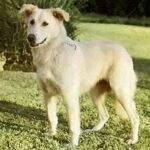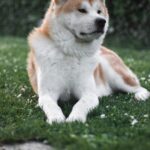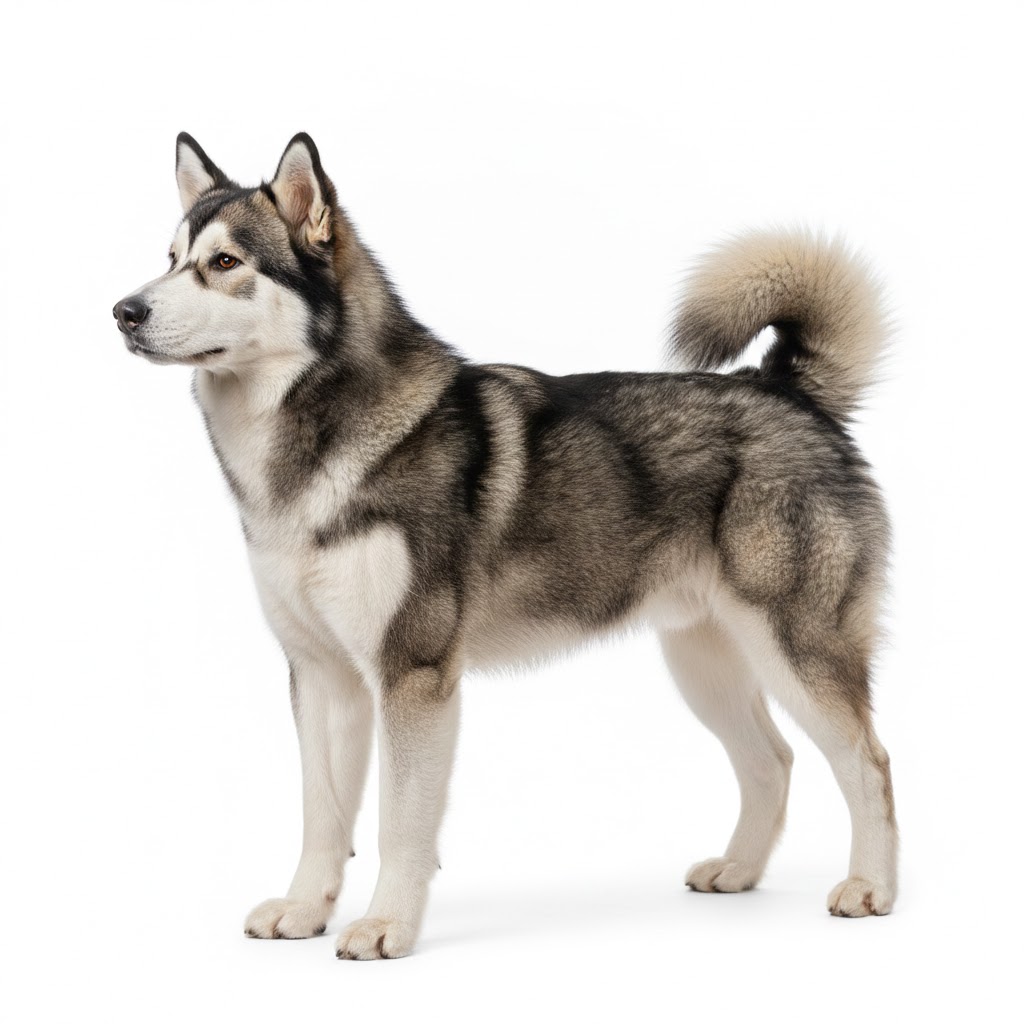
🐕 Encyclopedia of Akbash Dog (Canis familiaris)
Comprehensive breed encyclopedia: Akbash Dog origins in western Turkey, breed standard & conformation, white coat characteristics, livestock guardian heritage, temperament, health genetics, and international breed recognition
✏️ Written by the Encyclopedia.guru Expert Writing Team | Last Updated: March 19, 2026 | Reviewed by Certified Canine Specialists

The Akbash Dog (Canis familiaris) is an ancient Turkish breed of livestock guardian dog (LGD) developed in western Anatolia over thousands of years to protect flocks of sheep and goats from predators. The name “Akbash” derives from the Turkish words ak (white) and baş (head), meaning “white head” — a direct reference to the breed’s signature all-white or predominantly white double coat. One of the oldest and most distinctively developed livestock guardian dogs in the Anatolian region, the Akbash combines exceptional size, agility, intelligence, and calm confidence to deter predators ranging from wolves to bears without requiring human direction.
Contemporary Akbash Dogs are recognized by the United Kennel Club (UKC) and Canadian Kennel Club (CKC), and are widely used across North America, Europe, and Australia as working livestock guardians. Unlike many herding breeds, the Akbash does not herd livestock — it bonds deeply with the animals it guards, living among the flock as a protector that uses bark, posture, and if necessary physical confrontation to drive away threats. This independent, instinct-driven working style reflects thousands of years of selective development by Turkish shepherds on the Anatolian plateau.
- Ancient Turkish origin: One of the oldest livestock guardian dog breeds from western Anatolia, Turkey; developed over thousands of years by nomadic Turkish shepherds; name means “white head” in Turkish.
- Signature white coat: All-white or predominantly white medium-to-long double coat; the white coloration evolved to help the dog blend with the sheep it guards, making it harder for predators to single out the guardian from the flock.
- Largest Turkish LGD: Typically the largest and most agile of Turkish livestock guardian breeds; combines the size of Anatolian-type dogs with a lighter, more athletic build compared to the Kangal.
- Independent guardian: Works autonomously without human direction; bonds with livestock rather than owner; uses bark, patrol, and confrontation to deter wolves, bears, coyotes, and other predators.
- Working dog globally: Widely deployed across the USA, Canada, Australia, and Europe for livestock protection; used on sheep and goat farms; effective against coyotes in North American ranch settings.
- Distinguished from Anatolian: Recognized as a distinct breed from the Anatolian Shepherd; specifically white-coated; lighter build; western Turkish origin vs. broader Anatolian distribution of Kangal/Anatolian Shepherd.
The Akbash Dog is among the most distinguished and historically significant livestock guardian breeds in the world. Its documented use in Turkey predates modern kennel registries by millennia, and its introduction to North America in the 1970s sparked a broader movement of using traditional Anatolian guardian breeds in Western ranching and farming.
Historical & Working Significance
- Ancient Anatolian heritage: Developed by Turkish shepherds in western Anatolia; the breed’s all-white coat is a deliberate selection trait — white dogs blend with white sheep, making them less visible to predators as a distinct threat.
- North American introduction: Introduced to North America in the 1970s by David and Judith Nelson, who studied working Turkish shepherd dogs; established foundational stock in the USA; led to UKC recognition.
- USDA research: The United States Department of Agriculture conducted research on Akbash Dogs and other LGD breeds in the 1980s–90s as an alternative to lethal predator control; results demonstrated the breed’s effectiveness against coyote predation.
- Conservation applications: Used in cheetah conservation programs in Africa as non-lethal predator deterrents; demonstrates the breed’s remarkable adaptability beyond its original Turkish context.

Source: Wikimedia Commons • File: Akbash_Dog_in_CA.jpg • License: CC BY 2.0 • 4,304×2,852 px (7.08 MB) • Author: Jerry Kirkhart (Flickr) • 22 Sep 2008

Source: Wikimedia Commons • File: Akbash_dog_on_guard.jpg • License: CC BY 2.0 • 4,304×2,852 px (5.34 MB) • Author: Jerry Kirkhart (Flickr) • 12 March 2010
Systematic Classification
| Taxonomic Rank | Classification |
|---|---|
| Kingdom | Animalia |
| Phylum | Chordata |
| Class | Mammalia |
| Order | Carnivora |
| Family | Canidae |
| Genus | Canis |
| Species | C. familiaris |
| Common Name | Akbash Dog |
| Turkish Name | Akbaş (meaning: White Head) |
| UKC Group | Guardian Dogs (recognized 1998) |
| CKC Group | Working Dogs |
| Country of Origin | Turkey (western Anatolia) |
Kennel Club Recognition
- UKC (USA): United Kennel Club recognized the Akbash Dog in 1998; Guardian Dogs Group; full UKC breed standard documented; most commonly used registry in North America for this breed.
- CKC (Canada): Canadian Kennel Club recognition; Working Dogs Group; formally documented breed standard.
- AKC (USA): Currently recorded in the AKC Foundation Stock Service (FSS) — the stage prior to full recognition; breed club active in pursuit of full recognition.
- Turkey (national): Recognized and documented by Turkish cynological authorities as a native Turkish breed; subject of national breed preservation efforts.
- Note on Anatolian: The Akbash is recognized as a distinct breed from the Kangal/Anatolian Shepherd in most registries, distinguished by its white coat genetics and western Turkish regional development.

Source: Wikimedia Commons • File: Akbash_Lobo.JPG • License: CC BY-SA 3.0 • 3,456×2,592 px (3.87 MB) • Author: Roberto J. Galindo • 22 Dec 2012
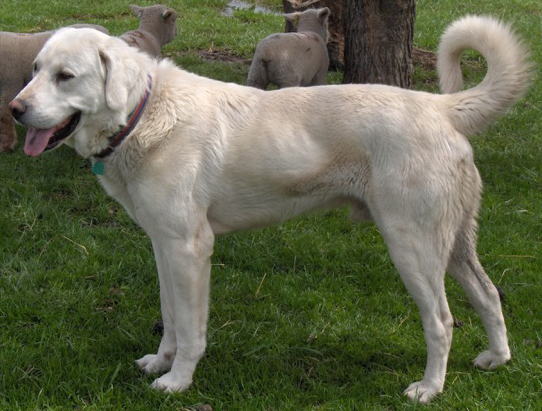
Source: Wikimedia Commons • File: Akbash_Dog_male_2016.jpg • License: CC BY-SA 4.0 • 542×411 px (227 KB) • Author: OrysiaD • 22 Jan 2016
UKC Physical Standards
| Feature | Standard Description |
|---|---|
| Height (male) | 28–34 inches (71–86 cm) at the withers |
| Height (female) | 27–32 inches (69–81 cm); slightly smaller than male |
| Weight (male) | 90–140 pounds (41–64 kg); proportionate to height |
| Weight (female) | 75–105 pounds (34–48 kg) |
| Skull | Broad, slightly dome-shaped; strong; well-proportioned to muzzle |
| Muzzle | Strong; tapered but not narrow; approximately equal to skull length; black nose preferred |
| Eyes | Almond-shaped; medium-sized; light brown to dark brown; alert, calm expression |
| Ears | V-shaped; medium-sized; set at or below skull level; fold close to head; rose or drop ear |
| Neck | Strong, muscular; arched; moderate length; may have slight dewlap; lion-like mane ruff |
| Body | Deep chest; slightly longer than tall; well-sprung ribs; strong loin; level or slight tuck-up |
| Tail | Long; carried low at rest; curled or raised when alert; well-feathered |
| Legs | Straight; heavy bone; well-angulated; large, compact feet with thick pads; double dewclaws common |
| Movement | Light-footed and agile for its size; ground-covering effortless trot; powerful gallop when needed |
Facial Feature Standards
- Head shape: Broad skull with slight dome; strong; well-proportioned to the body; the head conveys calm authority and intelligence rather than aggression.
- Eyes: Almond-shaped; medium-sized; light to dark brown; almond shape preferred; calm, watchful expression — the eyes of a confident guardian, not an anxious or fearful dog.
- Ears: V-shaped; medium-sized; set at or below the level of the top of the skull; fold flat close to the cheek (rose or drop type); never erect or pricked; ears frequently adorned with long feathering in mature dogs.
- Muzzle: Strong, tapered muzzle; approximately equal in length to the skull; black nose; tight lips; strong jaw with scissor or level bite; capable of powerful grip for predator deterrence.
- Neck ruff: Characteristic neck ruff or mane of longer, thicker hair on the neck and chest; more pronounced in males; gives the breed a lion-like appearance that may intimidate predators.

CC BY 2.0 • 3,456×2,304 px • Author: Teddy Llovet (Flickr) • 29 Feb 2008
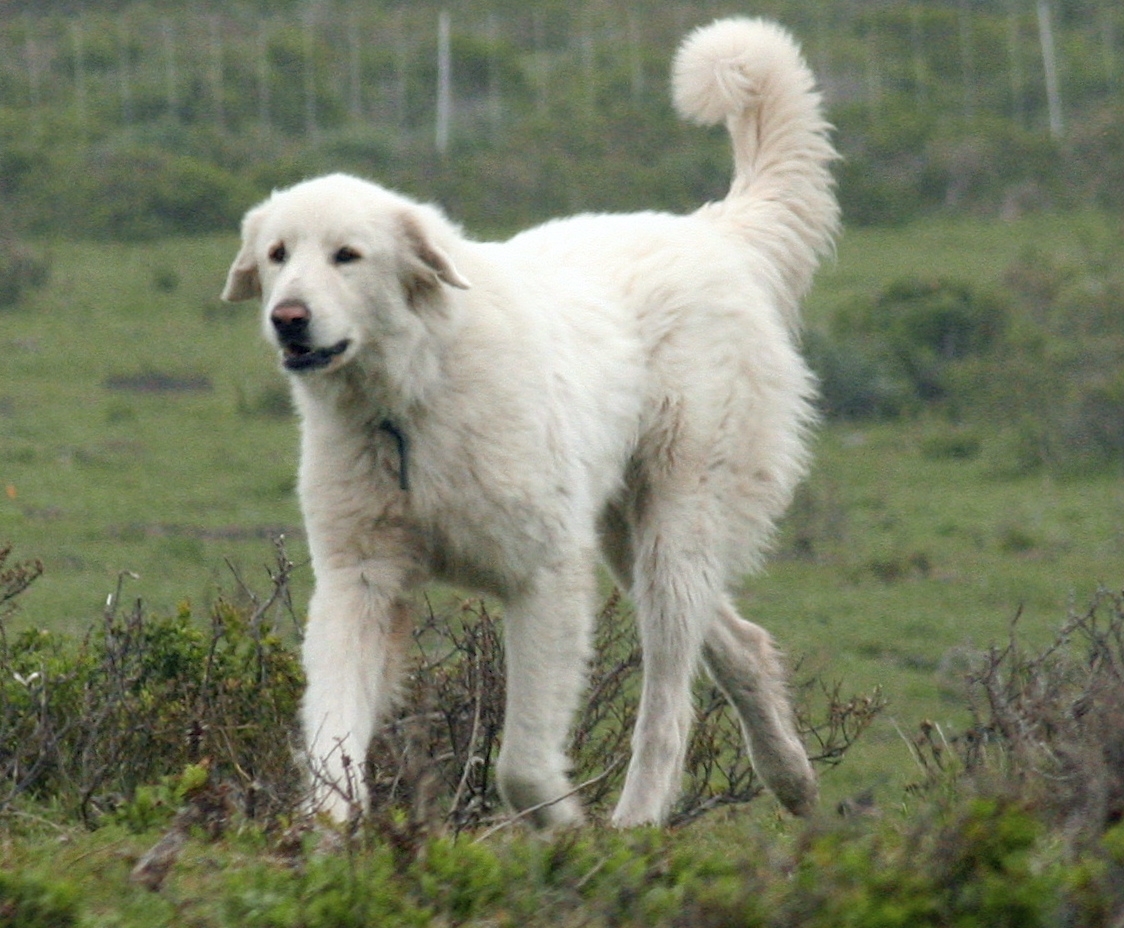
CC BY 2.0 • 1,124×928 px (620 KB) • Author: Teddy Llovet (Flickr)

CC BY-SA 4.0 • 960×540 px (87 KB) • Author: Ramazanondersen • 18 Dec 2016
Coat Standards Table
| Coat Feature | Standard Description |
|---|---|
| Length | Medium to long; can vary from smooth to wavy; longer on neck, chest, breeches, and tail |
| Texture | Outer coat: flat to slightly wavy; coarse-ish texture; weather-resistant; not silky or curly |
| Undercoat | Dense, thick, soft undercoat; provides insulation against Anatolian climatic extremes |
| Color | All-white or predominantly white; slight biscuit or cream on ears acceptable; no other colors permissible in show standard |
| Neck ruff | Characteristic mane of longer hair; more pronounced in males; lion-like appearance |
| Feathering | Long feathering on tail, breeches, and backs of legs |
| Shedding | Heavy seasonal shedding; moderate year-round; requires regular brushing especially during shed |
| Evolutionary purpose | White color allows Akbash to blend with white sheep flocks; makes it difficult for predators to distinguish the guardian from the livestock |

CC BY-SA 3.0 • 3,456×2,592 px (3.81 MB) • Author: Roberto J. Galindo • 22 Dec 2012
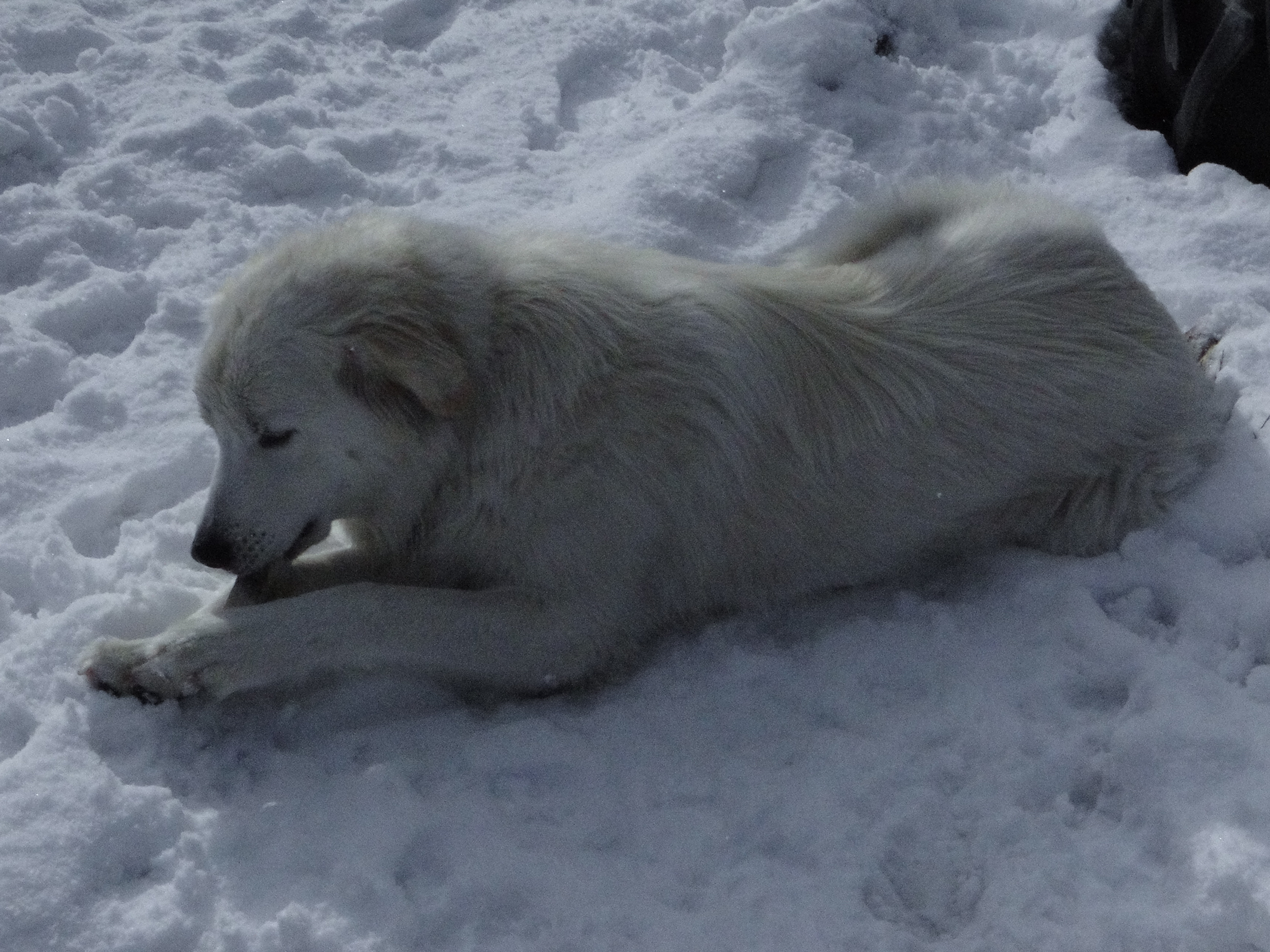
CC BY-SA 3.0 • 3,456×2,592 px (3.78 MB) • Author: Roberto J. Galindo • 22 Dec 2012
Ancient Anatolian Origins
- Region of origin: Western Turkey, particularly the Ankara (Angora) region and surrounding highlands; the breed was developed by Turkish shepherds in the high plains (yaylalar) of western Anatolia where sheep and goat herding has been practiced for over 10,000 years.
- Ancient heritage: While the exact timeline of the breed’s development is unknown, evidence of large white guardian dogs in Anatolia dates back thousands of years in archaeological and historical records; considered one of the most ancient of all LGD breeds.
- Name significance: “Akbaş” — ak (white) + baş (head) — directly describes the breed’s most distinctive physical feature; the name was in use among Turkish shepherds long before modern breed documentation.
- Nomadic shepherding context: Developed for nomadic transhumance (seasonal migration with herds) across vast Anatolian pastures; the dog had to work independently for extended periods without human supervision in terrain ranging from alpine meadows to lowland plains.
Development Timeline
| Period | Key Development |
|---|---|
| Ancient–medieval | White guardian dogs in use by Turkish and Anatolian shepherds; working the Anatolian plateau against wolves, bears, and jackals |
| Pre-modern Turkey | Breed type maintained by traditional shepherding communities in western Turkey; natural selection for white coat, size, and guardian instinct |
| 1970s | David and Judith Nelson study working LGD breeds in Turkey; bring foundational Akbash stock to USA; breed introduced to North America |
| 1978 | Akbash Dog Association of America (ADAA) founded; North American breed documentation begins |
| 1980s | USDA Small Farm Research Center studies Akbash and other LGDs as alternatives to lethal predator control; positive results for coyote management |
| 1998 | United Kennel Club (UKC) officially recognizes the Akbash Dog in the Guardian Dogs Group |
| 2000s–present | Widespread adoption on North American farms and ranches; conservation applications internationally; AKC FSS listing; growing international breed club network |
Behavioral Profile

CC BY-SA 3.0 • 284×397 px (18 KB) • Own work

CC BY-SA 4.0 • 2,133×2,948 px (1.6 MB) • Author: Cheetyuh • Anatolian Shepherd (related breed)
Core Behavioral Traits
- Calm confidence: Calm, self-assured, and independent; approaches situations with composure; rarely reactive without cause; genuine threats met with deliberate, measured response.
- Livestock bonding: Deep bonding instinct with the animals in its care; prefers to spend time with livestock over humans; this bonding is the foundation of the LGD working style.
- Protective instinct: Natural territorial and protective behavior; will bark to warn, posture to intimidate, and if necessary physically intervene with predators; brave against wolves, bears, and coyotes.
- Independence: Highly independent problem-solver; makes its own decisions without human direction; not suited to obedience-focused owners seeking a compliant, handler-directed dog.
- Reserved with strangers: Cautious or reserved around unfamiliar people; not aggressive without provocation; proper socialization from puppyhood essential; may be standoffish with visitors to the property it guards.
- Loyalty to family: Deeply loyal to its human family and bonded animals; gentle with children and animals it is raised with; protective when it perceives a threat to them.
Temperament Profile Table
| Trait | Level | Notes |
|---|---|---|
| With family | Loyal & protective | Bonds strongly; gentle and calm at home |
| With livestock | Deeply bonded | Core working trait; prefers animal company; natural guardian |
| With strangers | Reserved | Cautious; requires socialization; not typically aggressive |
| With other dogs | Variable | Can be dominant with same-sex; socializes well with working partners |
| Trainability | Moderate | Intelligent but independent; responds to patient, respectful training; not easily obedience-trained |
| Barking | High | Vocal breed; barks at night as patrol behavior; needs management in non-working settings |
| Prey drive | Moderate | Suppressed prey drive by design; may chase small animals; LGD instinct to protect, not chase |
| Energy level | Moderate (working) | Athletic when working; can be calm indoors; needs large outdoor space |
Working Documentation
CC BY 2.0 • 4,304×2,852 px • Author: Jerry Kirkhart
CC BY-SA 4.0 • 542×411 px • Author: OrysiaD
LGD Working Methods
- Imprinting: LGD effectiveness depends on early imprinting; Akbash puppies are placed with livestock from 6–8 weeks; they bond with sheep or goats as if they were members of their own social group.
- Patrol behavior: Patrol the perimeter of the pasture; mark and re-mark territory with scent; maintain constant environmental awareness; more active at night when predators are most active.
- Bark as deterrent: The primary tool of LGD predator deterrence; deep, loud bark deters most predators before physical confrontation is necessary; different bark patterns signal different threat levels.
- Physical intervention: As a last resort, physically confronts predators; size and strength effective against single coyotes; may cooperate with other LGDs against larger predators like wolves.
- White camouflage: White coat historically allowed the Akbash to blend with white sheep; predators could not easily distinguish the guardian from the flock until it was too late to avoid confrontation.
Effectiveness Research
- USDA studies (1980s–90s): Research demonstrated significant reduction in sheep losses to coyotes when LGD breeds including Akbash Dogs were deployed; recommended as primary non-lethal predator control tool.
- Conservation applications: Deployed in cheetah conservation areas in Namibia and South Africa to protect livestock from cheetah predation, reducing retaliatory killing of cheetahs by farmers.
- Livestock types protected: Primarily sheep and goats; also effective with cattle, llamas, alpacas, poultry, and other livestock; adaptable to diverse farming contexts.

CC BY-SA 4.0 • 828×608 px (407 KB) • Author: Cheetyuh • 14 July 2022 • Anatolian Shepherd (related breed)

CC BY-SA 4.0 • 4,250×2,833 px (7.65 MB) • Author: Zcebeci • Turkish Kangal Çobanköpeği (related breed)
Developmental Stages for LGD Work
- Birth to 8 weeks: Whelped in a litter of 6–12 puppies; breeder begins imprinting with livestock contact from 4–6 weeks; early exposure to livestock smells and sounds critical for future bonding.
- 6–12 weeks: Critical LGD imprinting window; puppy placed with the livestock species it will guard; bonds form during this period that persist for life; human contact maintained but not prioritized over livestock bonding.
- 3–12 months: Juvenile period; supervised with livestock; must be introduced to working context with an older, experienced LGD as mentor; adolescent behaviors (chasing, rough play) managed carefully to prevent livestock injury.
- 1–2 years: Developing independence and working capability; coat approaching adult density; territorial patrols beginning; not yet fully reliable without supervision or an experienced partner.
- 2–3 years: Full working maturity; experienced, reliable livestock guardian; established patrol territory; full coat; optimal working capability from 2–7 years.
Suitable Working Environments
- Turkish highland pastures: Original terrain; alpine and subalpine pastures of western Anatolia; extreme temperature ranges; rocky terrain; predator pressure from wolves, bears, and jackals.
- North American ranches: Most widely deployed LGD breed in the USA and Canada; effective on sheep and goat operations of all sizes; protecting against coyotes, mountain lions, bears, and wolves.
- Australian farms: Used in Australian sheep farming as a non-lethal alternative to dingo control; adapts well to Australian bush and high country environments.
- European farms: Growing use in European pastoral farming and rewilding areas where wolf populations have recovered; deployed in Alpine regions, Carpathian Mountains, and Iberian Peninsula.
- Space requirements: Requires large open space; minimum of several acres for effective patrol; confined or urban environments entirely unsuitable; needs a working role to be a psychologically healthy, well-adjusted dog.

Health Status Overview
The Akbash Dog is generally a robust and hardy working breed, shaped by centuries of natural and functional selection in challenging Anatolian environments. However, as a large to giant breed, it carries risk factors common to large-breed dogs. Average lifespan is 10–12 years.
| Health Condition | Risk Level | Notes |
|---|---|---|
| Hip Dysplasia | Moderate | Common large-breed concern; OFA evaluation recommended for breeding animals; genetic screening important |
| Elbow Dysplasia | Moderate | Elbow OFA evaluation recommended; associated with developmental orthopedic disease in large breeds |
| Osteosarcoma | Moderate-High | Bone cancer; documented in the breed; large-breed predisposition; one of leading causes of mortality in large dog breeds |
| Bloat (GDV) | Moderate-High | Deep-chested large breed; significant gastric dilatation-volvulus risk; feeding management critical; prophylactic gastropexy option |
| Entropion | Moderate | Inward rolling of eyelid; can cause corneal irritation; screened in responsible breeding programs |
| Hypothyroidism | Moderate | Underactive thyroid; manageable with medication; thyroid testing recommended |
| Joint issues | Moderate | Working dogs on rough terrain accumulate joint wear; joint supplementation and weight management important in seniors |
Health Care Recommendations
- Hip & elbow OFA screening: Mandatory for responsible breeders; results published in public databases; OFA preliminary screening at 12 months; official evaluation at 24 months.
- Bloat prevention: Two smaller meals daily rather than one large meal; avoid exercise immediately after feeding; raised bowls debated; prophylactic gastropexy considered for highest-risk individuals.
- Weight management: Maintain lean body condition; excess weight exacerbates joint stress; Akbash should be athletic, not heavy.
- Dental care: Regular brushing and professional cleanings; large-breed dental disease can affect overall health.
- Senior care: Mobility monitoring; joint supplements from middle age; regular cancer screening from age 6+; cognitive function monitoring.
Responsible Breeding Standards
- Health testing: OFA hip and elbow evaluations; thyroid panel; eye exam (CAER); cardiac screening; osteosarcoma awareness; published health results a hallmark of ethical breeding.
- Working ability evaluation: For LGD breeding, both parents should demonstrate reliable guardian instinct, livestock bonding, and predator deterrence behavior; working titles or verified farm performance preferred.
- Temperament standards: Stable, calm, confident temperament; excessive fearfulness or human aggression must be excluded from breeding programs; sound temperament is as important as conformation.
- White coat genetics: All-white coat is a defining breed characteristic; the white coat results from specific piebald and other pigmentation genetics; cream or biscuit on ears acceptable; colored or brindle dogs are outside breed standard.
Whelping & Litter Information
- Litter size: Typically 5–12 puppies; average litter 7–9; large litters not uncommon in large-breed dogs.
- LGD placement: Responsible breeders prioritize placement with farms where dogs will have a working role; pet placement requires education of owners about LGD behavioral needs.
- Early LGD imprinting: Breeder-initiated livestock exposure from 4–6 weeks critical for working dogs; puppies intended for LGD work should be raised in a farm environment, not a kennel.
Exercise & Space Requirements
- Space: Requires large property with secure fencing; minimum several acres for proper patrol behavior; not suited to apartments, small yards, or urban environments.
- Exercise: As a working breed, the Akbash self-exercises when given appropriate space; regular walks if not working; mental stimulation via patrol, scent work, or problem-solving activities.
- Working role: Psychologically healthiest with a livestock guardian role; without purpose, Akbash Dogs can develop nuisance behaviors including excessive barking, fence pacing, or roaming.
Grooming
- Brushing: Weekly brushing year-round; daily during heavy seasonal sheds; attention to feathering, breeches, and neck ruff for mat prevention.
- Bathing: Several times per year as needed; working dogs on farms may require more frequent cleaning; coat naturally repels dirt to some degree.
- Nail care: Regular nail trimming; working dogs on natural terrain may wear nails naturally; check and trim monthly.
- Ear care: Check regularly for debris, infection, and parasites; working outdoor dogs require more frequent ear monitoring.
Owner Requirements
- Experience level: Experienced large-breed owners or farmers; not suitable as a first dog; LGD ownership requires understanding of livestock guardian psychology, working dog management, and large-breed care.
- Training approach: Patient, consistent, respectful; positive reinforcement; Akbash will not respond to harsh or domineering methods; basic obedience important for safety management; full obedience training not necessary for working dogs.
- Nutrition: High-quality large-breed food; protein-rich diet for working dogs; two meals per day to reduce bloat risk; monitor body condition carefully; avoid over-supplementation.
1. What is the Akbash Dog?
The Akbash Dog is an ancient Turkish breed of livestock guardian dog developed in western Anatolia. Its name means “white head” in Turkish. It is distinguished by its all-white double coat, large athletic build, and exceptional livestock-guarding instincts developed over thousands of years.
2. Where does the Akbash Dog originate?
The Akbash originates from western Turkey, particularly the Ankara region and surrounding Anatolian highlands. It was developed by Turkish shepherds over millennia to guard sheep and goat flocks on the vast Anatolian plateau against wolves, bears, and other predators.
3. How big is an Akbash Dog?
Akbash Dogs are large to very large working dogs. Males stand 28–34 inches (71–86 cm) at the shoulder and weigh 90–140 pounds (41–64 kg). Females are somewhat smaller at 27–32 inches and 75–105 pounds. They are among the largest livestock guardian breeds.
4. What does the Akbash coat look like?
The Akbash has a distinctive all-white or predominantly white double coat, medium to long in length, with a dense undercoat, characteristic neck ruff or mane (especially in males), and feathering on the tail and breeches. The white color evolved to help the dog blend with sheep flocks.
5. Is the Akbash the same as the Anatolian Shepherd?
No. While both are Turkish Anatolian LGD breeds, the Akbash is a distinct breed recognized separately by the UKC. The Akbash is specifically white-coated from western Turkey, while the Anatolian Shepherd encompasses broader color variations and regional origins. Some registries treat them differently; the Akbash has its own separate breed standard.
6. Is the Akbash Dog a good family pet?
The Akbash can be a devoted and loyal family companion, but it is primarily a working breed with strong independent guardian instincts. It requires substantial space, an experienced owner, and ideally a purpose or working role. Without space and stimulation, it can develop behavioral issues. Not recommended for first-time dog owners or urban households.
7. How much exercise does an Akbash need?
As a working livestock guardian, the Akbash ideally self-exercises while patrolling a large property with livestock. Without a working role, it requires daily vigorous exercise — long walks, runs, or off-leash time on large secure properties. It is not suited to apartment living or sedentary lifestyles.
8. What kennel clubs recognize the Akbash?
The Akbash Dog is recognized by the United Kennel Club (UKC) in the USA under the Guardian Dogs Group, and by the Canadian Kennel Club (CKC). It is listed in the AKC Foundation Stock Service (FSS). Akbash breed clubs exist in North America, Turkey, and several other countries.
9. What are common Akbash health issues?
Common large-breed health concerns include hip dysplasia, elbow dysplasia, osteosarcoma (bone cancer, documented in the breed), gastric dilatation-volvulus (bloat), entropion, and hypothyroidism. Responsible breeders screen for hereditary conditions and maintain health records. Regular veterinary care supports longevity.
10. How long do Akbash Dogs live?
Akbash Dogs typically live 10–12 years, which is typical for a large to giant working breed. Well-cared-for working Akbash Dogs maintaining lean body condition and active working lifestyles often achieve the upper end of this range. Proper nutrition, veterinary care, and a purposeful working environment contribute to longevity.
Explore our trusted network of partner websites covering directories, encyclopedias, marketplaces, education, health, finance, and more across Indonesia and beyond.
- This encyclopedia is educational in nature and reflects current breed documentation as of March 2026.
- All 15 images sourced exclusively from Wikimedia Commons MediaSearch (search term: “Akbash dog breed”) with verified open licenses (CC BY-SA 4.0, CC BY-SA 3.0, CC BY 2.0).
- Only dog/breed-related images included; non-dog results (people, buildings, landscapes) excluded.
- Health information is for general educational purposes; consult a qualified veterinarian for specific health advice.
- LGD information is general guidance; consult experienced LGD farmers and breed clubs for working dog placement decisions.
Primary References
- UKC: United Kennel Club Akbash Dog Breed Standard; Guardian Dogs Group; recognition since 1998.
- CKC: Canadian Kennel Club breed standard and registration documentation.
- ADAA: Akbash Dog Association of America; founded 1978; foundational breed documentation for North America.
- USDA: United States Department of Agriculture Small Farm Research Center; LGD effectiveness studies 1980s–1990s.
- Nelson, D. & Nelson, J.: Foundational research and introduction of Akbash Dogs to North America in the 1970s; original breed documentation.
- Cheetah Conservation Fund: Documentation of Akbash and LGD use in African cheetah conservation programs.
Image Attribution Summary (15 Images)
- Hero: Portait_of_an_Akbash_(Anatolian_Shepherd_Dog)_(36377806271).jpg • CC BY 2.0 • 5,472×3,648 px
- Intro/LGD: Akbash_Dog_in_CA.jpg • CC BY 2.0 • 4,304×2,852 px • Jerry Kirkhart, 2008
- Intro/LGD: Akbash_dog_on_guard.jpg • CC BY 2.0 • 4,304×2,852 px • Jerry Kirkhart, 2010
- Conformation: Akbash_Lobo.JPG • CC BY-SA 3.0 • 3,456×2,592 px • Roberto J. Galindo, 2012
- Conformation: Akbash_Dog_male_2016.jpg • CC BY-SA 4.0 • 542×411 px • OrysiaD, 2016
- Head: Portait_of_an_Akbash_(Anatolian_Shepherd_Dog)_(36377806271).jpg • CC BY 2.0
- Coat x3: Turkish_Akbash.jpg (CC BY 2.0, 3456×2304), Turkish_akbash.jpg (CC BY 2.0, 1124×928), Akbaş_cinsi_köpek.jpg (CC BY-SA 4.0, 960×540)
- History: Akbash_and_friend.JPG • CC BY-SA 3.0 • 3,456×2,592 px • Roberto J. Galindo, 2012
- History/Snow: Akbash_snow.JPG • CC BY-SA 3.0 • 3,456×2,592 px • Roberto J. Galindo, 2012
- Temperament: Akbash_boris.jpg • CC BY-SA 3.0 • 284×397 px
- Temperament: Anatolian_shepherd_dog_brown_eyes.jpg • CC BY-SA 4.0 • 2,133×2,948 px
- Puppies x2: Anatolian_Shepherd_Dog_Laying.jpg (CC BY-SA 4.0, 828×608), Anatolian_Shepherd_Dog_01.jpg (CC BY-SA 4.0, 4250×2833)
- Health: Osteosarcoma_canine_tumor.jpg • CC BY-SA 4.0 • 4,160×3,120 px (Akbash mix documentation)
About the Author: Encyclopedia.guru Expert Writing Team
The Encyclopedia.guru writing team consists of experienced canine researchers, certified dog breed specialists, veterinary consultants, and professional animal science writers. Specialists in livestock guardian dogs, working breed history, UKC/CKC breed standards, and canine health genetics.
🌐 Visit Encyclopedia.guru – 100+ comprehensive breed encyclopedias.
© 2026 – Encyclopedia.guru – Akbash Dog Encyclopedia (Canis familiaris)
Ancient Turkish Livestock Guardian • Western Anatolia origins • UKC Guardian Dogs Group • 15 Wikimedia Commons images with full attribution • Updated: 19 March 2026