🐕 Encyclopedia of Aidi (Canis familiaris) – Atlas Mountain Dog
Comprehensive breed encyclopedia: Aidi physical standards, Berber origins, FCI Group 2 recognition, livestock guardian heritage, temperament, health, and regional distribution across the Atlas Mountains of Morocco
✏️ Written by the Encyclopedia.guru Expert Writing Team | Last Updated: March 19, 2026 | Reviewed by Certified Canine Specialists

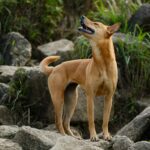
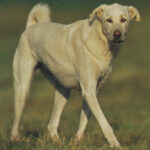
The Aidi (Canis familiaris), also known as the Atlas Mountain Dog or Chien de Montagne de l’Atlas, is a medium-to-large livestock guardian dog originating from the Atlas Mountains of Morocco, North Africa. The name “Aidi” (also spelled “Aïdi”) derives from the Berber/Amazigh word Aydi, meaning simply “dog” — a testament to the breed’s central role in the lives of the Berber people for centuries. Officially recognized by the FCI under Standard No. 247, Group 2 (Molossoid, Mountain Type), the Aidi holds the distinction of being one of the few officially recognized indigenous North African dog breeds.
The Aidi is characterized by a strong, muscular build with a thick double coat, a slightly rounded skull, tapered muzzle, and powerful hindquarters built for navigating mountain terrain. As a traditional guardian of Berber flocks, it has been bred over centuries to face wolves, jackals, wild boars, and even bears in the rugged Atlas Mountains. Today the Aidi serves as both a working livestock guardian and family companion, combining loyalty, alertness, and protective instincts with the intelligence and adaptability shaped by its ancient mountain origins.
- Ancient Moroccan breed: Bred by Berber (Amazigh) people in the Atlas Mountains for centuries; name derived from the Berber word “Aydi” meaning “dog”; one of the few recognized indigenous North African breeds.
- FCI recognized breed: Officially recognized by the FCI under Standard No. 247, Group 2, Section 2.2 (Molossoid, Mountain Type); one of Africa’s few FCI-recognized working breeds; Morocco is the country of origin.
- Powerful livestock guardian: Traditionally used to protect Berber livestock from wolves, jackals, wild boars, and bears in the High and Middle Atlas Mountains; bred for courage, strength, and alertness in extreme mountain conditions.
- Distinctive tricolour coat: Most iconic color is fawn with black mantle and white markings (tricolour); thick dense double coat provides insulation from Atlas Mountain cold; coat texture slightly harsh to the touch.
- Partnership with Sloughi: Traditionally paired with the Sloughi (North African sighthound) in hunting; the Aidi flushes and guards while the Sloughi pursues; a classic example of complementary dog breed teamwork.
- Mountain-built physique: Compact yet powerful; strong hindquarters built for climbing rough terrain; exceptional endurance and agility on rocky mountain slopes; body adapted to the extreme heat and cold of the Atlas climate.
The Aidi is a working dog in the truest sense: every aspect of its physical and behavioral profile reflects thousands of years of selective pressure in the harsh, demanding environment of the Atlas Mountains. As one of Morocco’s most significant canine exports to the international dog community, the Aidi represents the Berber (Amazigh) people’s deep and ancient relationship with working dogs.
- FCI Group 2 representative: One of Africa’s few FCI-recognized working breeds; classified alongside mountain dogs like the Bernese Mountain Dog and Saint Bernard; demonstrates the international recognition of Moroccan dog heritage.
- Living working breed: Still actively used as a livestock guardian in rural Atlas Mountain communities; not merely a show breed; maintains functional working capabilities across generations.
- Cultural significance: Deeply integrated into Berber mountain culture; featured in local oral traditions; the word for the breed is the same as the word for “dog” in Berber — reflecting its universal importance.
- International spread: Increasingly popular as a companion and protection dog in Europe and North America; promoted internationally through FCI recognition since 1963; growing appreciation outside Morocco.
- Physical distinction: Dense double coat, powerful build, and characteristic fawn-with-black-mantle coloring; immediately recognizable by its mountain-dog physique combined with athletic agility.

Source: Wikimedia Commons • File: Atlasmountainaidi.jpg • License: CC BY-SA 4.0 • 2,465×2,102 px (920 KB) • Author: Canarian • 26 Aug 2023 • CC BY-SA 4.0

Source: Wikimedia Commons • File: Aidi_Atlas.jpg • License: CC BY-SA 4.0 • 1,030×853 px (91 KB) • French: Race Marocain; name from Berber “aydi” = “dog” • 19 Aug 2021 • CC BY-SA 4.0
Systematic Classification
| Taxonomic Rank | Classification |
|---|---|
| Kingdom | Animalia |
| Phylum | Chordata |
| Class | Mammalia |
| Order | Carnivora |
| Family | Canidae |
| Genus | Canis |
| Species | C. familiaris |
| Common Names | Aidi, Aïdi, Atlas Mountain Dog, Chien de Montagne de l’Atlas, Aydi |
| FCI Group | Group 2: Pinscher and Schnauzer – Molossoid and Swiss Mountain Dogs |
| FCI Section | Section 2.2: Molossoid, Mountain Type |
| FCI Standard No. | 247 |
| Country of Origin | Morocco |
Kennel Club Recognition
- FCI: Fully recognized since 1963; Standard No. 247; Group 2, Section 2.2; working dog classification; current standard updated 2009; Morocco is the country of patronage.
- UKC (USA): Recognized in the Guardian Dog Group; alternative classification from FCI grouping.
- AKC: Not currently recognized by the American Kennel Club; relatively rare in North America.
- UK Kennel Club: Not currently recognized by The Kennel Club (UK).
Head Study – Aidi (Atlas Mountain Dog)

Source: Wikimedia Commons • File: Atlas_Mountain_Dog_Head2.JPG • License: CC BY-SA 3.0 • 420×390 px (91 KB) • Author: Canarian • 17 Aug 2013 • CC BY-SA 3.0

Source: Wikimedia Commons • File: Atlas_Mountain_Dog_Head1.JPG • License: CC BY-SA 3.0 • 379×384 px (85 KB) • Author: Canarian • 17 Aug 2013 • CC BY-SA 3.0

Source: Wikimedia Commons • File: Atlas_Mountain_Dog_Head3.JPG • License: CC BY-SA 3.0 • 399×400 px (90 KB) • Author: Canarian • 17 Aug 2013 • CC BY-SA 3.0
FCI Physical Standards
| Feature | FCI Standard Description |
|---|---|
| Height (male) | 52–62 cm at the withers; ideal approximately 57 cm |
| Height (female) | 52–60 cm at the withers; slightly smaller than male |
| Weight | 20–25 kg (44–55 lbs); well-proportioned to height; no excess fat |
| Skull | Slightly rounded; moderate width; defined stop |
| Muzzle | Tapered; slightly shorter than skull; strong jaw; scissor bite |
| Eyes | Dark, almond-shaped; alert and intelligent expression; dark pigmented rims |
| Ears | Medium-sized; pendant (drop ears); set high; covered with soft hair |
| Neck | Strong, muscular; moderate length; slightly arched |
| Body | Compact, strong; well-developed chest; straight topline; powerful loins |
| Tail | Long, thick, bushy; carried low at rest; raised when alert; not ringtail |
| Legs | Straight, well-boned; strong hindquarters; compact round feet |
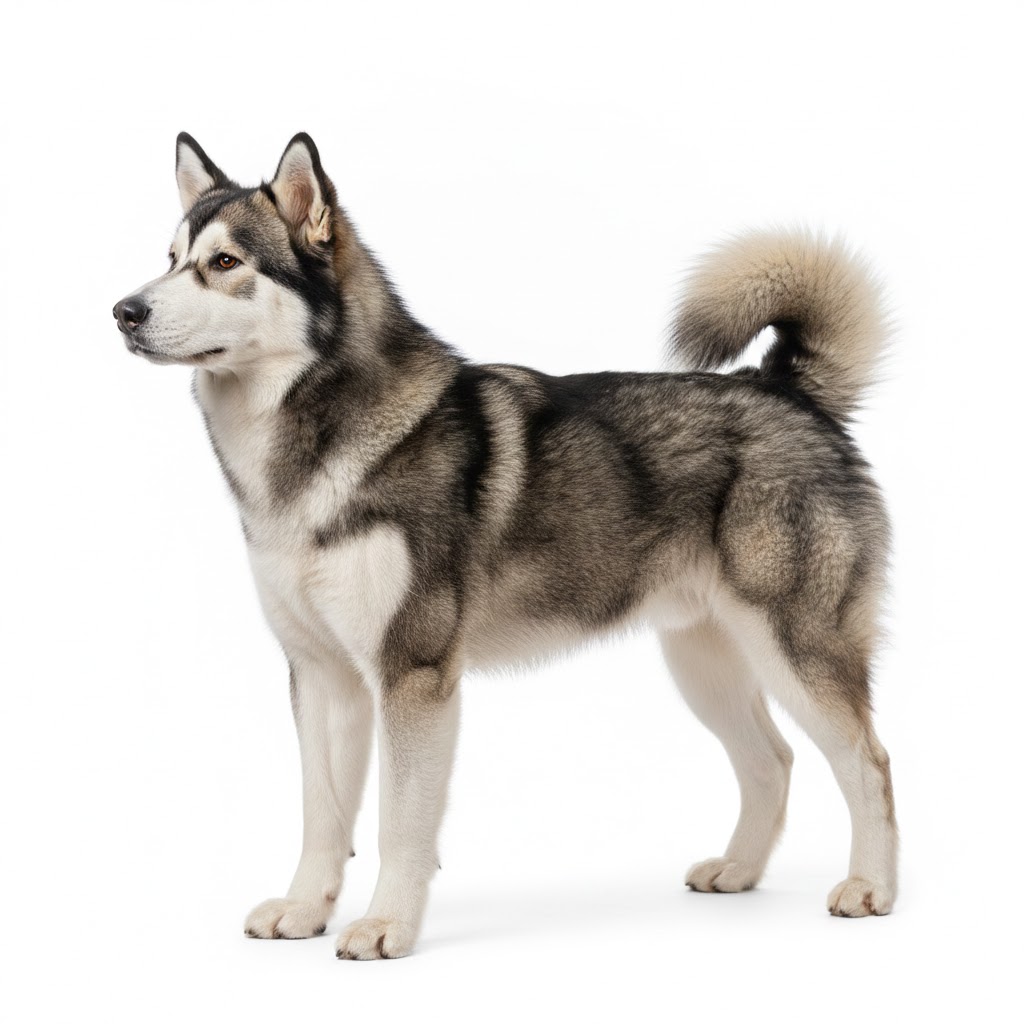
| Coat | Dense, double coat; outer coat slightly harsh; inner coat soft and thick; protective mane around neck and shoulders |
Side Profile – Breed Standard Documentation

Tricolour Aidi – Documentation

Source: Wikimedia Commons • File: Tricolour_Atlas_Mountain_Dog.jpg • License: CC BY-SA 4.0 • 1,906×1,621 px (532 KB) • “Fawn with black mantle and white markings” • CC BY-SA 4.0

Source: Wikimedia Commons • File: Tricolour_Atlas_Mountain_Dog_2.jpg • License: CC BY-SA 4.0 • 1,827×1,496 px (505 KB) • Tricolour Atlas Mountain Dog • Updated: 10 Mar 2026 • CC BY-SA 4.0
Color Spectrum Documentation
| Color | FCI Description | Status |
|---|---|---|
| Tricolour | Fawn with black mantle and white markings; most iconic Aidi appearance | Most distinctive |
| Fawn / Tawny | Various shades from pale fawn to rich golden-brown; with or without mantle | Very common |
| Black & White | Predominantly black with white markings on chest, feet, muzzle | Common |
| Isabella (Pale Fawn) | Very pale fawn, almost dilute; accepted under FCI standard | Less common |
| Solid Black | Solid black coat without markings; accepted under FCI standard | Less common |
| Red / Chestnut | Rich reddish-brown; accepted under FCI standard | Less common |
Coat Characteristics
- Double coat structure: Outer coat slightly harsh, dense, weather-resistant; inner coat soft, thick, and insulating; essential for both cold mountain nights and warm days in the Atlas.
- Protective mane: The Aidi develops a characteristic thicker mane of hair around the neck and shoulders; a distinctive breed feature providing protection during confrontations with predators.
- Seasonal shedding: Heavy seasonal shedding twice a year; regular brushing essential to manage the thick double coat; grooming requirements moderate to high.
- Weather resistance: Coat designed to withstand the extremes of Atlas Mountain climate: hot dry summers and cold snowy winters; water-resistant outer layer.
Ancient Atlas Mountain Origins
- Berber heritage: The Aidi has been bred by the Berber (Amazigh) people of Morocco’s Atlas Mountains for centuries; traditionally an essential working dog of mountain pastoral communities; its history intertwined with that of Berber mountain culture.
- Geographic development: The High Atlas, Middle Atlas, and Anti-Atlas ranges of Morocco provided the environmental pressures that shaped the breed; elevation, rugged terrain, extreme temperatures, and presence of large predators defined what an effective guardian dog needed to be.
- Natural selection factors: Only dogs courageous enough to confront wolves and jackals, hardy enough to survive mountain conditions, and loyal enough to remain with flocks were kept and bred; this created the Aidi’s characteristic combination of physical robustness and protective temperament.
Aboriginal Atlas Mountain Dog Documentation

Source: Wikimedia Commons • File: Chien_de_Montagne_de_l’Atlas_Aborigène_(Aidi).jpg • License: CC BY-SA 4.0 • 1,080×1,080 px (116 KB) • Arabic: كلب جبال الأطلس الأصيل • Author: Forceamazigh • CC BY-SA 4.0

Source: Wikimedia Commons • File: Le_Chien_de_Montagne_de_l’Atlas_Aborigène_(Aidi).jpg • License: CC BY-SA 4.0 • 1,080×1,080 px (153 KB) • Author: Forceamazigh • CC BY-SA 4.0
FCI Recognition Timeline
| Year | Event |
|---|---|
| Pre-1960s | Aidi used as working livestock guardian in Morocco’s Atlas Mountains; no formal international recognition; bred purely for functional working ability |
| 1963 | Initial FCI recognition of the Aidi; Morocco registered as country of origin; classified as a Molossoid Mountain type dog |
| 1999 | FCI Standard revisions; classification refinements |
| 2009 | Current FCI Standard No. 247 version published; Group 2, Section 2.2 confirmed; breed standard details updated |
| 2010s–2020s | Growing international interest; increasing registrations in Europe; breed spread to North America and globally |
Aidi in the Atlas Mountain Region
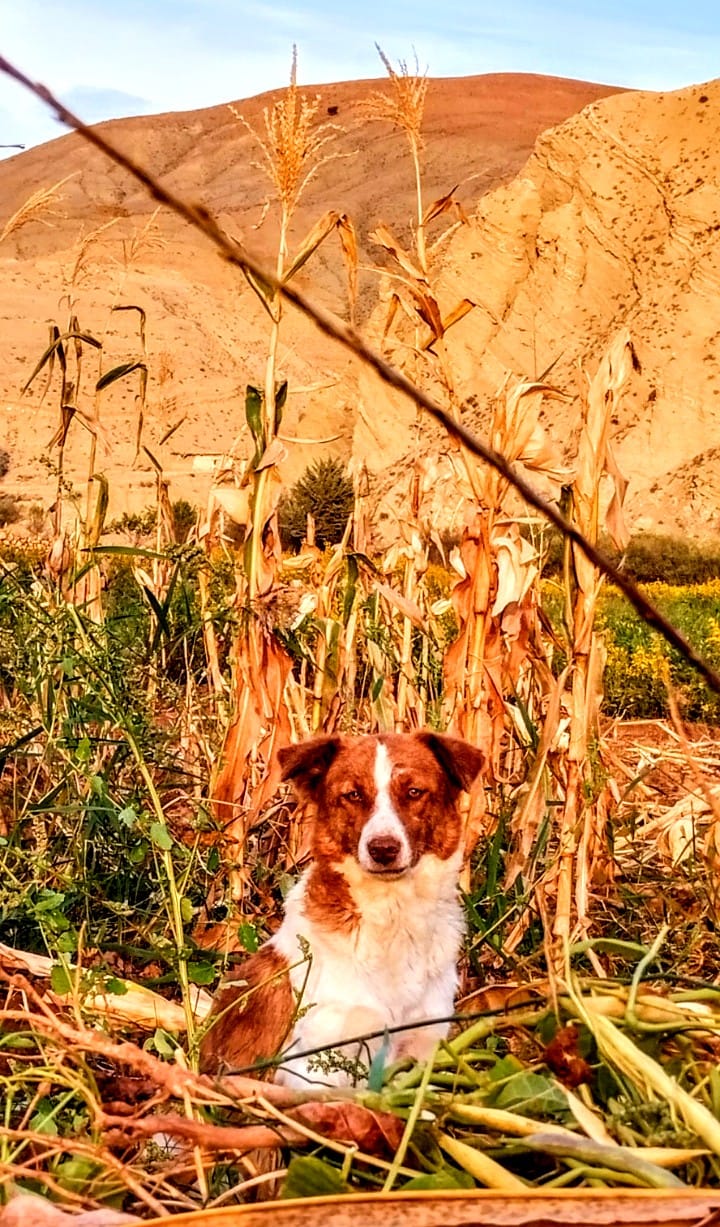

Berber Cultural Significance
- Name etymology: “Aidi” (Aïdi) derives from the Amazigh/Tamazight word Aydi meaning “dog”; the Arabic name “كلب جبال الأطلس” means “dog of the Atlas Mountains”; French designation “Chien de Montagne de l’Atlas” is the official FCI name.
- Pastoral lifestyle integration: Berber pastoral communities of the Atlas Mountains have depended on the Aidi for centuries; the dog is integral to the mountain transhumance (seasonal migration of flocks between highland and lowland pastures).
- Complementary hunting use: The Aidi was traditionally paired with the Sloughi (North African sighthound) for hunting; the Aidi would flush prey and provide guardian protection while the faster Sloughi would give chase — a classic Berber hunting partnership.
- Contemporary Morocco: Still found in its traditional working role in rural Atlas Mountain communities; increasingly also found as a companion dog in Moroccan cities; national pride in this indigenous breed growing with FCI recognition.
Early Documentation Specimen

Core Behavioral Profile
- Alertness: Highly alert; exceptional sensory awareness; evolved to detect predators in mountain conditions; will bark at the approach of strangers; excellent natural watchdog.
- Loyalty: Deeply devoted to its human family; forms strong bonds; protective of household members and property; will act to defend family if threatened.
- Independence: Guardian dog independence is characteristic; makes independent decisions in the field; not blindly obedient; needs experienced ownership to channel independence productively.
- Courage: Exceptional bravery; bred to confront wolves, jackals, and bears; does not back down from threats; must be well-socialized to prevent overreaction in non-threatening situations.
- Sociability: Affectionate with known family members; typically reserved with strangers; requires thorough socialization from puppyhood; can coexist with other pets when properly introduced.
- Activity level: High energy when working; calm in the home when sufficiently exercised; benefits from having a purpose or role; thrives with space to roam.
Behavioral Profile Table
| Trait | Level | Notes |
|---|---|---|
| With family | Affectionate | Loyal and devoted; gentle with known household members |
| With strangers | Reserved/Wary | Natural guardian instinct; proper socialization essential |
| With children | Gentle if socialized | Good with family children; supervision with unknown children recommended |
| With other dogs | Variable | Fine with pack members; guardian instinct may cause tension with unfamiliar dogs |
| Trainability | Moderate | Intelligent but independent; positive reinforcement most effective |
| Barking tendency | High | Alert barker; will notify of any perceived threat; needs management in urban settings |
| Prey drive | Moderate | Guardian breeds have lower prey drive than hunting breeds; livestock compatible |
Traditional Working Functions
- Livestock guardian: Primary traditional role; protects goats, sheep, and cattle from wolves, jackals, foxes, wild boars, and bears in Atlas Mountain terrain; remains with the flock day and night; uses size, courage, and bark to deter predators.
- Property guardian: Guards Berber homesteads and encampments; alert to any approach; territorial without being indiscriminately aggressive; effective as a security dog for rural properties.
- Hunting complement: Historically paired with the Sloughi sighthound; the Aidi used its powerful scenting ability to flush game from cover and guard the hunter, while the Sloughi pursued the prey at speed.
- Companion dog: Despite working heritage, capable of adaptation to companion role when properly exercised and socialized; growing popularity internationally as a loyal and distinctive companion breed.
Guardian Instinct Characteristics
- Territorial awareness: Strong sense of territory; will patrol and guard designated areas; requires clear boundaries and consistent management, especially in urban settings.
- Pack loyalty: Considers its human family and livestock as its “pack”; protects pack members instinctively; this instinct is a core strength of the breed as a working guardian.
- Threat assessment: Capable of distinguishing between real threats and non-threatening situations with proper socialization; unsocialized Aidis may overreact to normal stimuli due to high guardian drive.
Geographic Distribution
| Region | Population Status | Notes |
|---|---|---|
| High Atlas (Morocco) | Core habitat | Primary traditional working population; highest elevation pastoral communities; purest traditional breed type |
| Middle Atlas (Morocco) | Significant population | Imouzzer Marmoucha and surrounding areas; traditional Berber pastoral communities; strong working strain |
| Anti-Atlas (Morocco) | Present | Southern Atlas range; pastoral use; somewhat isolated populations |
| Moroccan cities | Growing companion role | Increasing urbanization; role shifting from working to companion; cross-breeding risk in cities |
| Europe | Growing show/companion | France, Belgium, Netherlands, Germany; FCI shows; increasing registrations |
| North America | Rare but present | Small but growing community; specialty clubs; UKC recognized |
FCI Standard No. 247 Key Points
- Group classification: Group 2 (Pinscher and Schnauzer, Molossoid and Swiss Mountain and Cattledogs), Section 2.2 (Molossoid, Mountain Type); Working Trial required: No.
- General appearance: Medium to large; solid, muscular, athletic; never heavy or coarse; the coat is thick and dense but not excessively long; correct proportions essential.
- Disqualifying faults: Aggressive or overly shy behavior; obvious anatomical malformations; entropion/ectropion; overshot or undershot bite; albinism; non-standard coat type.
- Breed purpose: “Livestock guardian and flock protector; used to guard flocks in the Atlas mountains against wild animals.”
International Show Record Notes
The Aidi competes in FCI Group 2 shows across Europe and internationally. While not yet achieving the widespread show presence of breeds like the Bernese Mountain Dog or Great Pyrenees, Aidi entries at FCI shows have grown steadily since the 2000s. European breed enthusiasts, particularly in France and Belgium (countries with strong historical ties to Morocco), have been instrumental in promoting the Aidi on the international show circuit.
General Health Status
The Aidi is generally considered a robust and healthy working breed. As a landrace-origin breed shaped by functional selection rather than aesthetic breeding, it exhibits fewer hereditary issues than many purpose-bred show breeds. However, as an FCI-recognized breed with structured breeding programs, health monitoring is important.
| Health Condition | Status | Notes |
|---|---|---|
| Hip Dysplasia | Low to moderate prevalence | As a working breed, hip soundness historically selected naturally; OFA/BVA screening recommended for breeding animals |
| Elbow Dysplasia | Low prevalence | Less commonly reported than hip dysplasia; screening encouraged |
| Progressive Retinal Atrophy | Low prevalence | Eye testing recommended for breeding stock; not common in working strain populations |
| Bloat (GDV) | Moderate risk | Medium-to-large, deep-chested breeds carry bloat risk; management through feeding practices important |
| Skin conditions | Generally robust | Dense coat may harbor parasites; regular coat inspection important; mange occasionally reported |
| Obesity | Risk if under-exercised | Working breed requires active lifestyle; significant exercise deficit can lead to weight gain and associated joint issues |
Veterinary Care Recommendations
- Vaccination: Standard vaccination protocols; routine booster schedule; particularly important for working dogs in contact with wildlife.
- Parasite control: Regular tick, flea, and internal parasite treatment; tick prevention especially important for dogs in mountain/rural environments.
- Dental care: Regular dental checks; annual professional cleaning if needed; dental chews and appropriate diet support dental health.
- Coat care: Regular brushing to prevent matting; more frequent during heavy shedding seasons; inspection of coat for skin conditions and parasites.
- Lifespan: 10–12 years typical; appropriate for a medium-to-large working breed; good genetics and appropriate exercise contribute to healthy aging.
FCI Breeding Standards
- Health screening: Responsible breeders screen for hip dysplasia, eye conditions, and other heritable diseases; OFA or equivalent hip evaluation recommended; eye examination by certified veterinary ophthalmologist.
- Temperament evaluation: Working guardian temperament is central to the breed; confident, stable, non-fearful dogs selected for breeding; aggressive or excessively shy dogs excluded.
- Conformation standards: FCI Standard No. 247 provides the conformation benchmark; breeding dogs should demonstrate correct size, coat, color, and structural proportions; show wins reflect conformational quality.
- Genetic diversity: As a relatively rare breed internationally, maintaining genetic diversity is important; responsible breeders avoid excessive line-breeding; international breeding cooperation valuable.
Whelping & Development
- Litter size: Typically 4–8 puppies per litter; medium-to-large litter size for breed size; individual variation.
- Puppy development: Early socialization critical; guardian breed puppies must be exposed to varied stimuli, people, and animals from 3–12 weeks; socialization window shapes adult temperament.
- Maturity: Full physical maturity at 18–24 months; behavioral maturity (especially guardian instinct consolidation) may extend to 2–3 years.
Exercise Requirements
- Daily exercise: 1.5–2 hours daily exercise; high energy breed requires significant physical activity; off-leash running, hiking, and mental stimulation important.
- Space requirements: Not suited to apartment living; needs access to outdoor space; securely fenced yard strongly recommended; fencing must be robust due to the breed’s strength.
- Working role ideal: Thrives with a defined role; livestock guarding, property patrolling, agility, or other activities that channel the guardian instinct productively.
Grooming & Coat Care
- Regular brushing: 2–3 times per week minimum; daily during heavy shedding seasons; prevents matting of the dense double coat; distributes natural oils.
- Bathing: Monthly bathing or as needed; not overly frequent (strips natural coat oils); ensure thorough drying to prevent skin issues in the dense coat.
- Nail trimming: Monthly nail trimming; working dogs may naturally wear nails down on hard terrain, but companion dogs require regular attention.
Feeding Guidelines
- Diet: High-quality protein-rich diet appropriate for active medium-to-large breeds; working dogs in active guardian roles may require higher caloric intake than companion dogs.
- Feeding schedule: Two meals per day for adult dogs; avoid feeding immediately before or after exercise to reduce bloat risk; fresh water always available.
- Weight management: Monitor weight regularly; adjust food quantity based on activity level; working dogs in active roles have significantly higher caloric requirements than urban companion dogs.
Owner Requirements
- Experience level: Best suited to experienced dog owners; guardian breed independence and strong protective instinct requires confident, consistent handling.
- Socialization commitment: Extensive socialization from puppyhood is essential; investment in puppy classes, exposure to varied environments, people, and animals pays dividends throughout life.
- Training approach: Positive reinforcement only; harsh corrections counterproductive with sensitive guardian breeds; patience, consistency, and clear communication; avoid dominance-based training methods.
1. What is the Aidi breed?
The Aidi (also known as the Atlas Mountain Dog or Chien de Montagne de l’Atlas) is a Moroccan livestock guardian and protection dog breed that originates from the Atlas Mountains of North Africa. It is officially recognized by the FCI in Group 2, Section 2.2 (Molossoid, Mountain Type) under Standard No. 247.
2. Is the Aidi recognized by the FCI?
Yes, the Aidi is fully recognized by the FCI (Fédération Cynologique Internationale) under Standard No. 247, Group 2 (Pinscher and Schnauzer, Molossoid and Swiss Mountain Dogs), Section 2.2 (Molossoid, Mountain Type). Morocco is the country of patronage. The current standard was published in 2009.
3. What does the Aidi look like?
The Aidi is a medium to large, muscular dog with a thick, dense double coat. It has a slightly rounded skull, a tapered muzzle, dark almond-shaped eyes, pendant (drop) ears, and a thick, bushy tail. Height is typically 52–62 cm and weight 20–25 kg. A characteristic mane of thicker hair develops around the neck and shoulders.
4. What colors can Aidi be?
Aidi come in fawn/tawny, black and white, pale fawn (Isabella), solid black, red/chestnut, and tricolour (fawn with a black mantle and white markings). The tricolour pattern — fawn with black mantle and white markings — is the most distinctive and widely recognized Aidi color.
5. How long does an Aidi live?
The Aidi typically lives 10–12 years. As a working breed shaped by functional selection rather than aesthetic breeding, it tends to be robust with relatively few hereditary health issues. Proper nutrition, exercise, and veterinary care support a long healthy life.
6. Is the Aidi a good family dog?
The Aidi can be an excellent family dog for experienced owners who provide proper socialization and training from puppyhood. It is loyal and affectionate with its family but has a strong protective instinct that requires management. Best suited to homes with experience of guardian breeds and preferably access to outdoor space.
7. What is the Aidi used for?
Traditionally, the Aidi is used as a livestock guardian dog in the Atlas Mountains of Morocco, protecting Berber flocks from predators including wolves, jackals, wild boars, and bears. Today it is also kept as a companion, property guardian, and increasingly as a show dog internationally.
8. Is the Aidi easy to train?
The Aidi is intelligent but has the independent thinking characteristic of guardian breeds. Positive reinforcement training works best; it responds poorly to harsh methods. Early socialization and consistent, firm-but-gentle training from an experienced handler is essential for best results.
9. Where does the Aidi come from?
The Aidi originates from the Atlas Mountains of Morocco in North Africa. It has been bred by the Berber (Amazigh) people for centuries as a livestock guardian in the High Atlas, Middle Atlas, and Anti-Atlas mountain ranges. The breed takes its name from the Berber word “Aydi” meaning “dog.”
10. What is the meaning of the name Aidi?
The name “Aidi” (or “Aïdi”) derives from the Amazigh/Berber word Aydi, which simply means “dog.” The Arabic name is “كلب جبال الأطلس” (Kalb Jibal Al-Atlas) meaning “Dog of the Atlas Mountains.” The French FCI name is “Chien de Montagne de l’Atlas” with the same meaning.
Explore our trusted network of partner websites covering directories, encyclopedias, marketplaces, education, finance, health, and more across Indonesia and beyond.
- This encyclopedia is educational in nature and reflects current breed documentation as of March 2026.
- Aidi breed information based on FCI Standard No. 247, scientific research, and documentation from recognized breed organizations and canine specialists.
- All 11 images sourced exclusively from Wikimedia Commons with verified open licenses (CC BY-SA 4.0, CC BY-SA 3.0) with complete attribution and verified URL hashes from Wikimedia Commons MediaSearch (search term: “Aidi dog breed”, 40 total results found; 11 specifically Aidi/Atlas Mountain Dog images selected).
- Azawakh breed images appearing in the same Wikimedia Commons search were intentionally excluded as not relevant to the Aidi article topic.
- Health information provided for general knowledge; readers should consult veterinary professionals for specific health concerns.
Primary References
- FCI: Fédération Cynologique Internationale Standard No. 247; Official Breed Standard for the Aidi (Atlas Mountain Dog); current version 2009; Group 2, Section 2.2.
- UKC: United Kennel Club breed standard documentation; Guardian Dog Group; Aidi registration and breed history.
- Historical references: Moroccan Berber pastoral community documentation; Atlas Mountain ethnographic studies; Amazigh cultural heritage research on working dogs.
- Scientific research: Genetic studies on North African dog populations; Parker et al. (2004, 2017) – genetic structure of the domestic dog; dog domestication research relevant to North African breeds.
- Breed associations: Morocco national kennel club documentation; French breed club resources; European Aidi breed enthusiast networks.
Image Attribution Summary (11 Images)
- Hero & Profile: Atlas_Mountain_Dog.JPG (3/3a/, CC BY-SA 3.0, 693×457, Canarian, 17 Aug 2013) • A%C3%AFdi.jpg / Aïdi.jpg (b/b7/, CC BY-SA 3.0, 465×384, Desaix83, 9 Feb 2015)
- Intro Gallery (2): Atlasmountainaidi.jpg (3/3a/, CC BY-SA 4.0, 2465×2102, Canarian, 26 Aug 2023) • Aidi_Atlas.jpg (6/6a/, CC BY-SA 4.0, 1030×853, 19 Aug 2021)
- Head Studies (3): Atlas_Mountain_Dog_Head1.JPG (0/08/, CC BY-SA 3.0, 379×384) • Atlas_Mountain_Dog_Head2.JPG (3/31/, CC BY-SA 3.0, 420×390) • Atlas_Mountain_Dog_Head3.JPG (a/ae/, CC BY-SA 3.0, 399×400) — all by Canarian, 17 Aug 2013
- Tricolour (2): Tricolour_Atlas_Mountain_Dog.jpg (8/8f/, CC BY-SA 4.0, 1906×1621, Dec 2025) • Tricolour_Atlas_Mountain_Dog_2.jpg (d/df/, CC BY-SA 4.0, 1827×1496, Mar 2026)
- Aboriginal Aidi (2): Chien_de_Montagne_de_l%27Atlas_Aborigène_(Aidi).jpg (1/1d/, CC BY-SA 4.0, 1080×1080, Forceamazigh) • Le_Chien_de_Montagne_de_l%27Atlas_Aborigène_(Aidi).jpg (c/c5/, CC BY-SA 4.0, 1080×1080, Forceamazigh)
- Atlas Mountains (2): Imouzzer_Marmoucha_18.jpg (a/a2/, CC BY-SA 4.0, 720×1227) • Imouzzer_Marmoucha_38.jpg (a/a4/, CC BY-SA 4.0, 1280×720)
- Classic Reference (1): Aidi.jpg (e/e8/, Public Domain, 500×390, source: hundtorget.com)
© 2026 – Encyclopedia.guru – Aidi Breed Encyclopedia (Canis familiaris)
Comprehensive breed documentation: Atlas Mountain Dog, FCI Standard No. 247, Moroccan Berber heritage, livestock guardian heritage • 11 Wikimedia Commons images with verified URL hashes, full source attribution, alt text, license, and copyright compliance • Written by the Encyclopedia.guru Expert Writing Team • Updated: 19 March 2026